


Table of Contents
Drinking in Korea is more than a casual after-work habit. It is a social ritual with hierarchies, hand positions, two-handed pours, head turns, and unwritten rules that turn a simple bottle of soju into a careful social performance. If you are visiting Korea, working with Korean colleagues, or going out with Korean friends for the first time, understanding the etiquette will keep you from accidentally insulting anyone and help you feel like you actually belong at the table.
This guide walks through the core yes-and-nos of Korean drinking culture: how to pour, how to receive, what hoesik means, which drinks to order, the games to expect, and how the culture is quietly changing.

Hoesik: The Korean Company Dinner
The most important word in Korean drinking culture is hoesik (회식), which roughly means "company dinner." Hoesik is a group meal organized by a workplace, usually involving several rounds of food and alcohol, and historically it has been considered an extension of the workday. Korean professionals often see hoesik as a chance to build trust, smooth over tensions, and bond with colleagues outside the formal office.
The pace usually runs in stages, called cha (차) or "rounds." The first round (il-cha) is dinner with soju or beer, the second round (i-cha) often moves to a bar or noraebang (karaoke), and a third round can stretch even later. Younger Koreans are increasingly pushing back on long hoesik nights, but the structure is still very much part of the work culture.
The Pouring Rule: Never Pour Your Own Drink
Rule number one in Korean drinking culture is simple: you do not pour your own drink. Pouring is a social gesture, and you wait for someone else to fill your glass, then return the favor when their glass goes empty. Pouring your own drink is considered selfish or even rude, and at a formal table it is the kind of thing an older person will gently correct.
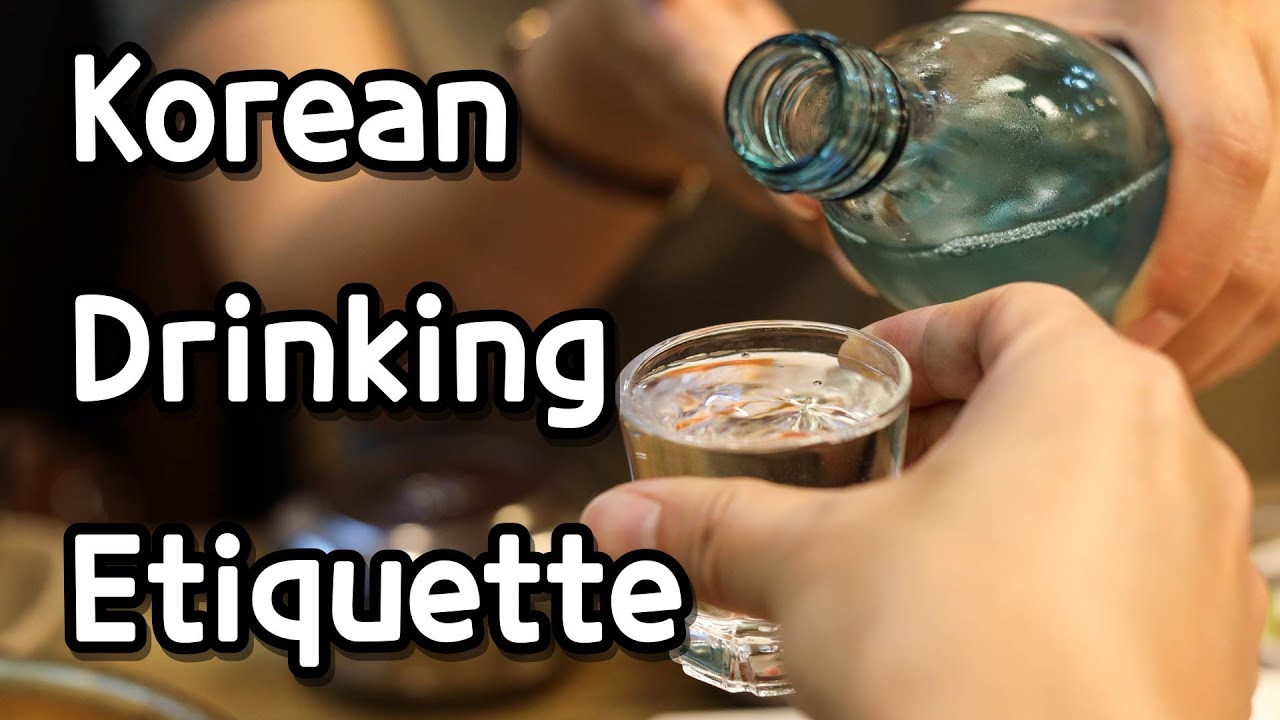
When you pour for someone older or more senior, hold the bottle with your right hand and lightly support your right elbow or forearm with your left hand. When you receive a drink from someone senior, hold the glass with both hands, palms supporting it. After receiving, turn your head slightly away and cover your mouth or glass with one hand when you take the first sip. These gestures originate in Confucian values of respect and are still observed at most professional drinking occasions today.
What Koreans Actually Order
Soju is the most iconic Korean drink, a clear distilled spirit usually around 16 to 20 percent ABV. The green Jinro bottle is the universal default, although Chamisul, Chum-Churum, and a wave of low-ABV fruit flavored sojus have crowded the shelf in recent years. Beer (maekju) is the steady companion to soju, with Cass and Terra leading domestic sales.
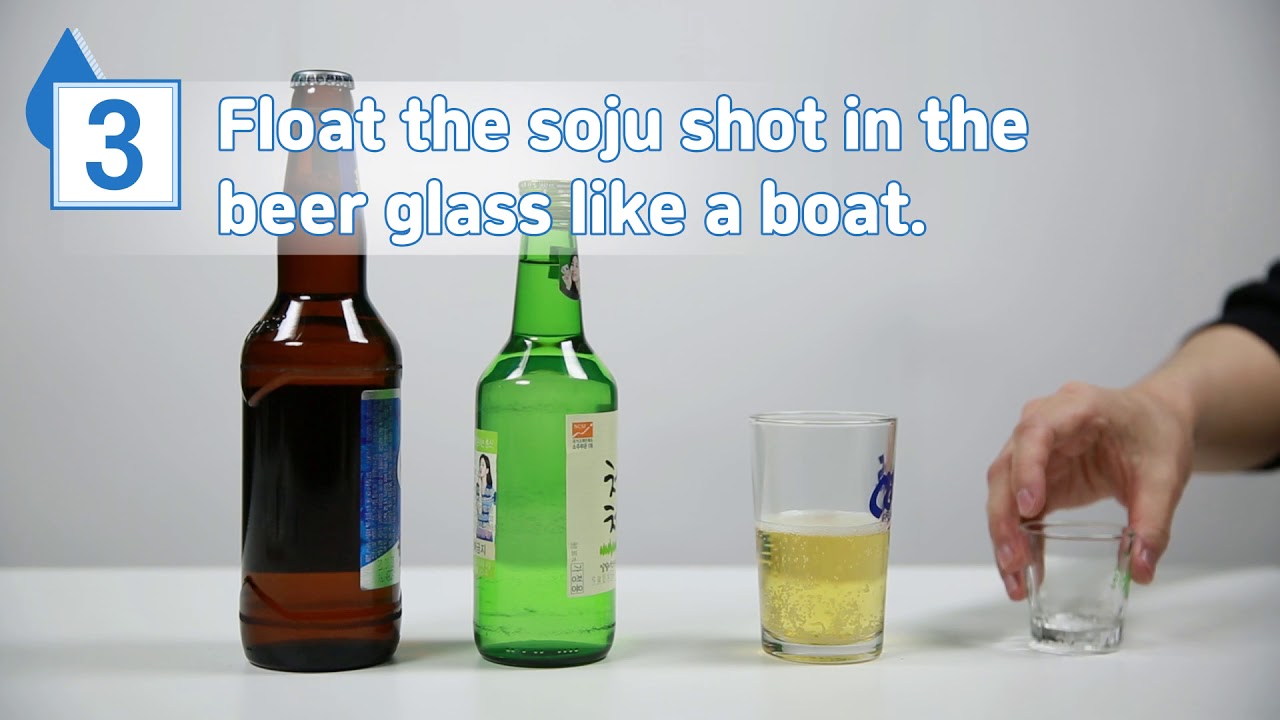
The Korean cocktail almost no menu lists but every drinker knows is somaek, a blend of soju and beer. Pour a shot or two of soju into a half-filled beer glass, stir gently with a spoon or chopstick, and you have the most common Korean BBQ pairing in the country. Makgeolli, the milky fermented rice wine, is the traditional alternative and pairs especially well with pajeon (Korean scallion pancake) on a rainy day.
The Korean BBQ Drinking Pairing
Korean drinking is rarely done on an empty stomach. Almost every drinking occasion is paired with anju, the catchall term for food eaten with alcohol. Korean BBQ (samgyeopsal, galbi, woo-samgyeop) is the classic pairing for soju, and the rhythm of grilling, wrapping, and sipping is the social heartbeat of the meal.

Other classic anju pairings include fried chicken with beer (the famous chimaek combo), sashimi or grilled fish with soju, jokbal or bossam (boiled pork) with makgeolli, and crispy pajeon with makgeolli when it rains. Ordering plenty of anju is part of the etiquette: drinking without food is considered both rude and unhealthy in traditional Korean culture.
Korean Drinking Games
Once the table loosens up, drinking games come out. The most famous is Baskin Robbins 31, a counting game where players take turns adding one, two, or three numbers in sequence until someone is forced to say 31 and lose the round. Sam Yuk Gu is another counting game where every multiple of three is replaced with a clap. Titanic uses a shot glass floating in a beer glass, and players take turns adding soju until the glass sinks.
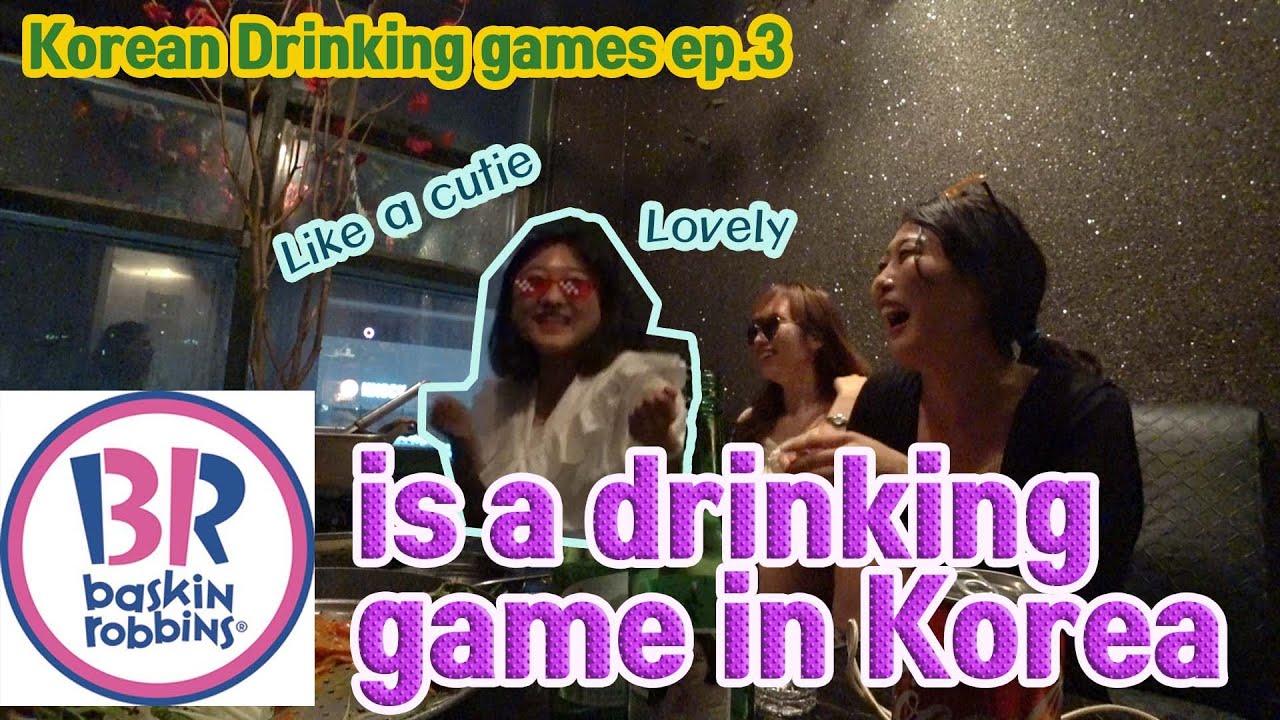
These games are designed for laughter, not actual heavy drinking, and they help break the formal hierarchy at the table by giving everyone a reason to interact. If a Korean colleague or friend invites you into a game, accept gracefully even if you do not fully understand the rules. Asking to be taught is considered friendly, not awkward.
How Korean Drinking Culture Is Changing
Younger Koreans are reshaping the rules. Mandatory hoesik attendance has been softening since the late 2010s, and many companies now cap dinners to a single round or replace them with lunch outings. The MZ generation drinks less overall, prefers lower-ABV options like fruit soju or wine, and has embraced solo drinking (honsul) and home cocktails as legitimate alternatives to traditional group drinking.
Newer trends include alcohol-free craft cafes, low-ABV soju lineups under 12 percent, and cocktail bars built around Korean ingredients like ginseng, omija, and yuzu. The etiquette rules above still apply when you drink with older Koreans or in formal settings, but a casual evening with friends in your twenties or thirties may feel much more relaxed.
Explore More of Korea with Daebak
Want to bring a little piece of Korea into your life? The Daebak Box is packed with the best Korean snacks, ramen, and cultural goodies delivered monthly to your door.


