


Table of Contents
Seoul has more world-class museums per square kilometer than almost any city in Asia, and most international visitors only see two of them. The city's museum scene spans 5,000 years of Korean history, contemporary art that rivals New York and London, and uniquely Korean institutions like folk museums and royal palace exhibition halls that simply do not exist anywhere else. A good Seoul itinerary should include at least two museums, and the right two depend on whether you care about history, art, or culture.
This guide walks through Seoul's best museums for visitors: the unmissable big four, a few must-see smaller museums, what each one offers, ticket prices, and timing tips for avoiding the worst crowds.
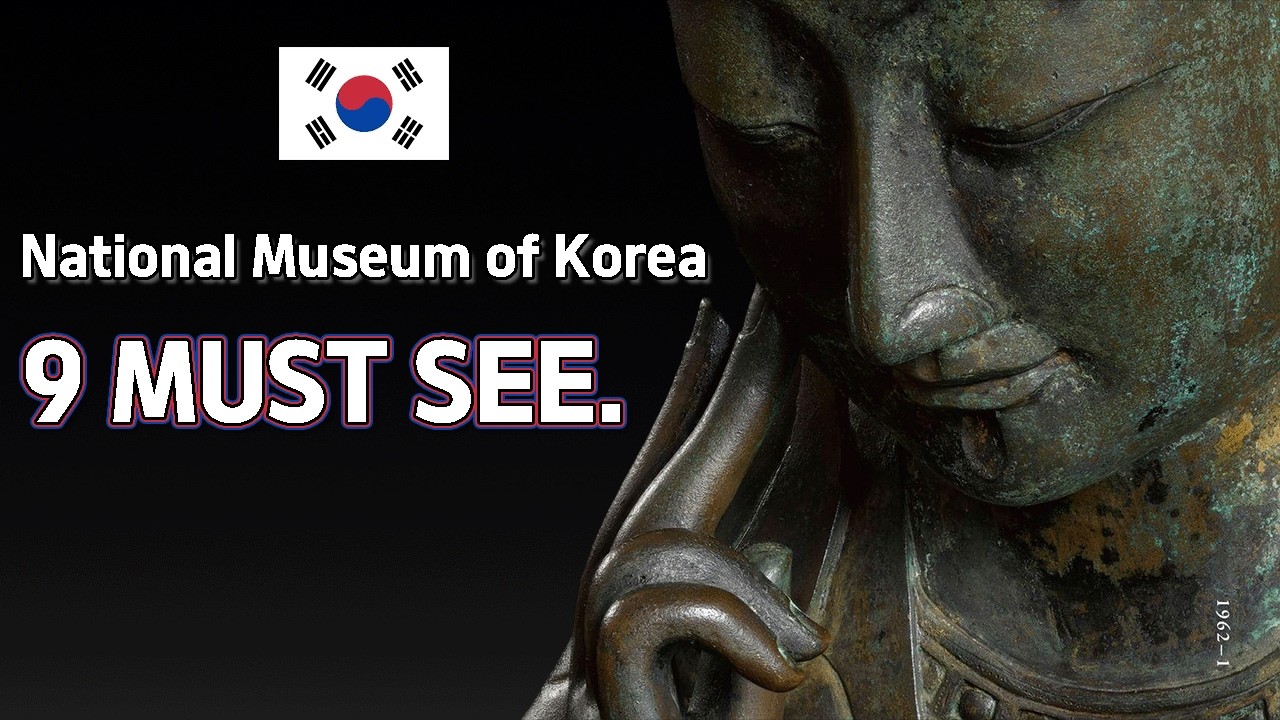
1. National Museum of Korea
The National Museum of Korea (국립중앙박물관) in Yongsan is the anchor of Seoul's museum scene and one of the largest museums in Asia. The collection covers 5,000 years of Korean history across three floors and dozens of galleries, including prehistoric artifacts, Goryeo celadon ceramics, Joseon dynasty paintings, Buddhist sculpture, and the famous Bangasayusang (Pensive Bodhisattva), a gilt-bronze meditation Buddha sculpture from the seventh century.
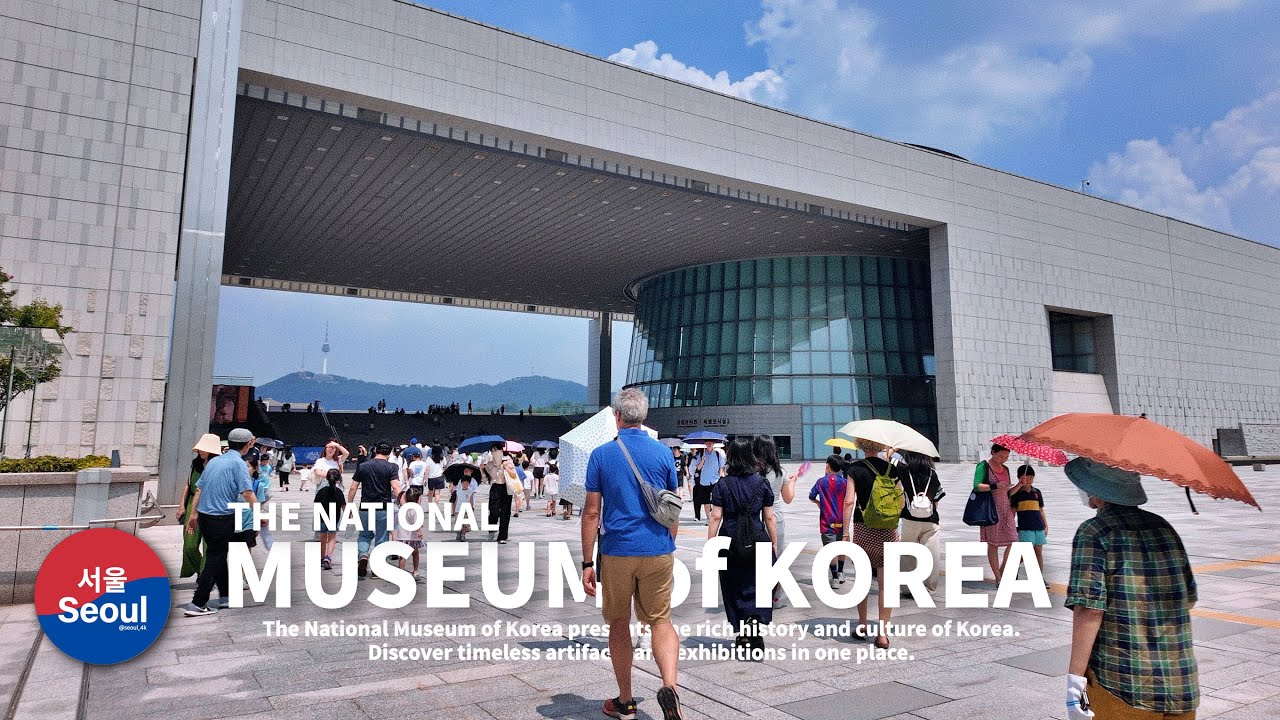
Admission to the permanent exhibitions is free. Special exhibitions cost a small fee (typically 5,000 to 15,000 won). The museum is enormous, so plan at least 3 hours for a thorough visit. The Pensive Bodhisattva and the Ten-Story Pagoda from Gyeongcheonsa Temple are essential stops. Don't miss the Children's Museum on the lower level if you are visiting with kids.
2. Leeum Museum of Art
The Leeum Museum of Art (리움미술관), opened in 2004 by the Samsung Foundation of Culture, is Seoul's premier contemporary art museum. The building itself is an attraction: three connected structures designed by three famous architects (Mario Botta, Jean Nouvel, and Rem Koolhaas), each with its own distinct architectural voice.
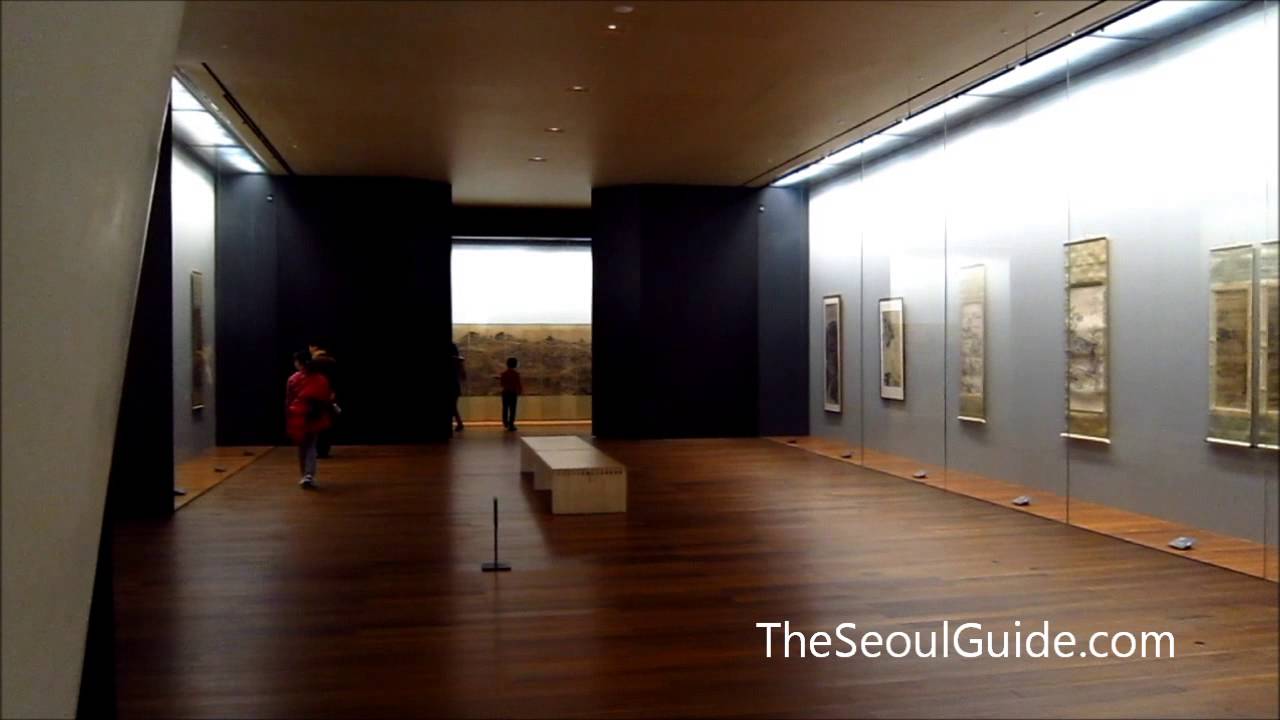
Inside, Leeum has a deep collection of Korean traditional art (celadon, Joseon paintings, hanbok textiles) alongside contemporary names like Damien Hirst, Anish Kapoor, Andy Warhol, and Lee Bul. The museum sits in Hannam-dong, the same trendy neighborhood as the Riverside Park and Itaewon, which makes it easy to combine with a meal or a walk. General admission is free; special exhibitions are typically 18,000 won.
3. National Folk Museum of Korea
The National Folk Museum of Korea (국립민속박물관) is one of the most unique museums in Seoul, sitting inside the grounds of Gyeongbokgung Palace. The collection focuses on the daily life of Koreans throughout history rather than royal artifacts or fine art. The three permanent galleries cover Korean life cycles, traditional homes and tools, and seasonal customs through the Korean calendar year.
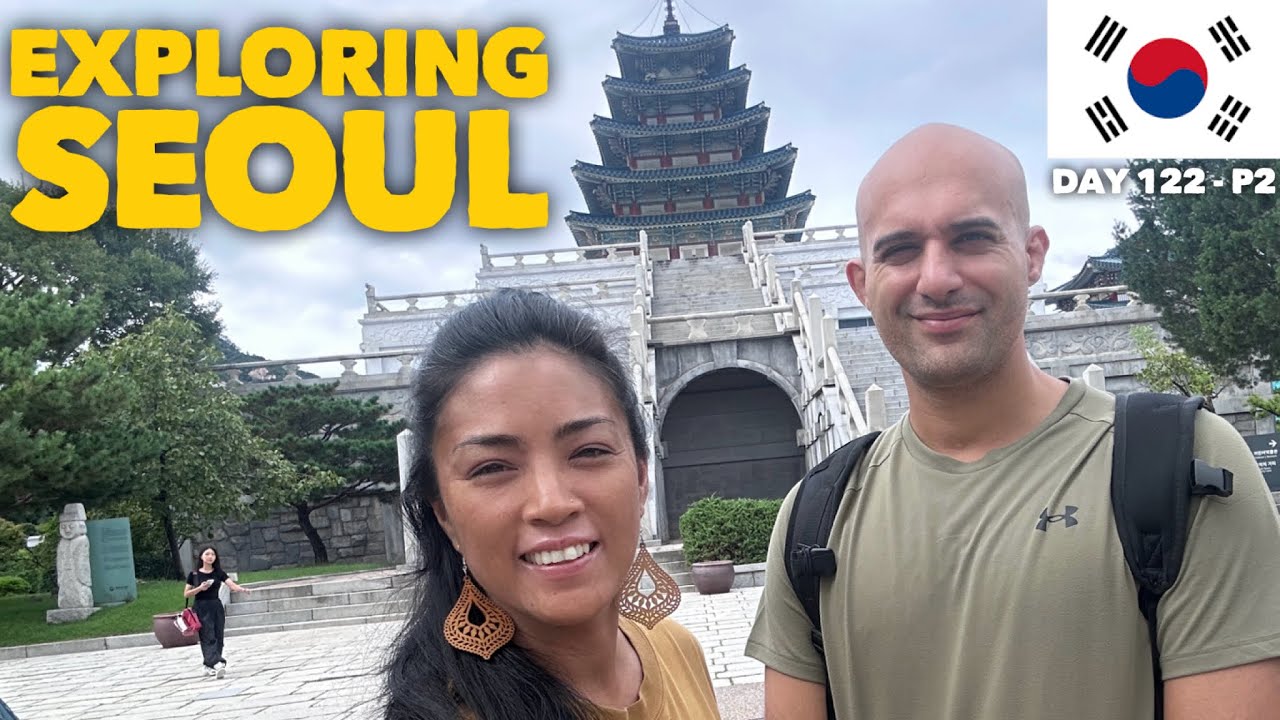
One highlight is the outdoor open-air section, which includes reconstructed traditional Korean houses, a rice mill, a barber shop, and a children's playground all designed in 1970s Korean style. The museum is genuinely emotional for older Korean visitors and surprisingly accessible for international ones. Admission is free, and it pairs naturally with a Gyeongbokgung Palace visit on the same day.
4. War Memorial of Korea
The War Memorial of Korea (전쟁기념관) in Yongsan is the most visited military and historical museum in Korea. The vast complex documents Korean military history from antiquity through the Korean War to modern peacekeeping, with extensive sections on the 1950 to 1953 conflict that defined the modern Korean Peninsula.
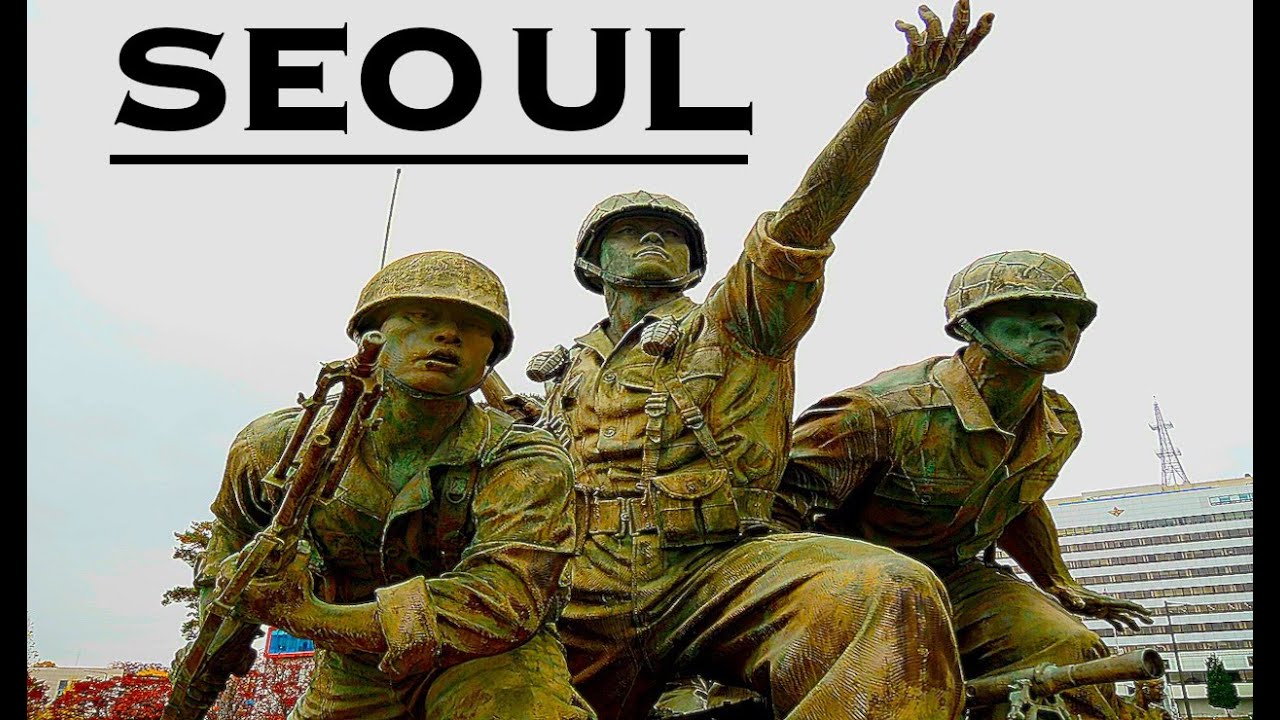
The outdoor section is a free, open-air display of Korean and American military hardware, including tanks, helicopters, jets, and missiles. The indoor museum is also free and includes immersive recreations of Korean War battles, individual soldier stories, and Korean military uniforms across the centuries. The memorial walls listing UN forces who died during the Korean War are deeply moving and a quiet way to spend an hour.
5. Other Notable Seoul Museums Worth a Visit
Beyond the big four, several smaller Seoul museums are worth your time. MMCA Seoul (the Seoul branch of the National Museum of Modern and Contemporary Art) is in Samcheong-dong and rivals Leeum for contemporary Korean art. Seoul Museum of Art (SeMA) in Jung-gu hosts strong rotating exhibitions of Korean and international artists.
For more niche interests, the Kimchi Museum in Insadong covers Korean fermented food history. The Trick Eye Museum in Hongdae is a fun interactive optical-illusion museum popular with families and K-pop fans. The King Sejong Story Museum beneath Gwanghwamun Square covers Hangul invention and Joseon dynasty history. The Bukchon Hanok Village Museum sits inside a restored traditional Korean home and is essentially a small architecture exhibit.
Practical Tips for Visiting Seoul Museums
Most major Seoul museums are closed on Mondays, so plan accordingly. The National Museum of Korea, National Folk Museum, and War Memorial are free year-round, while Leeum and MMCA charge entry fees that are still modest by international standards (typically 5,000 to 18,000 won). All offer English audio guides for a small additional fee.
The best time to visit is on a weekday morning, ideally Tuesday or Wednesday. Weekends draw Korean families and tour groups, which can make the bigger museums crowded. Photography is allowed in most permanent exhibitions but often prohibited in special exhibitions, particularly at Leeum.
Combining Museums With Other Seoul Activities
The smartest museum itineraries pair each museum with a nearby cultural activity. The National Folk Museum pairs naturally with Gyeongbokgung Palace and Bukchon Hanok Village (all walkable from each other). The Leeum Museum pairs with Itaewon, Hannam-dong cafes, or a meal at a Michelin-listed Korean restaurant. The War Memorial pairs with the nearby War Memorial Cafe and Yongsan Family Park for a contemplative afternoon.
The National Museum of Korea is large enough that it deserves a full half-day, but the surrounding Yongsan area has great Korean restaurants and the Yongsan Family Park makes a relaxing post-museum walk. Combining museums with food is essentially the Korean way: every cultural day in Seoul eventually involves a meal at a small Korean restaurant within walking distance.
Explore More of Korea with Daebak
Want to bring a little piece of Korea into your life? The Daebak Box is packed with the best Korean snacks, ramen, and cultural goodies delivered monthly to your door.