


Table of Contents
Every culture around the globe holds onto certain superstitions, and Korea is no exception. Whether it is a black cat crossing the road or spilling salt and tossing it over the left shoulder, these little rituals shape the way people interpret luck. Korea has its own colorful collection of beliefs rooted in centuries of folklore, Confucian thought, and shared cultural memory. Here are eight of the most well-known superstitions in Korea and the stories behind them.
1. The Lucky Number 3
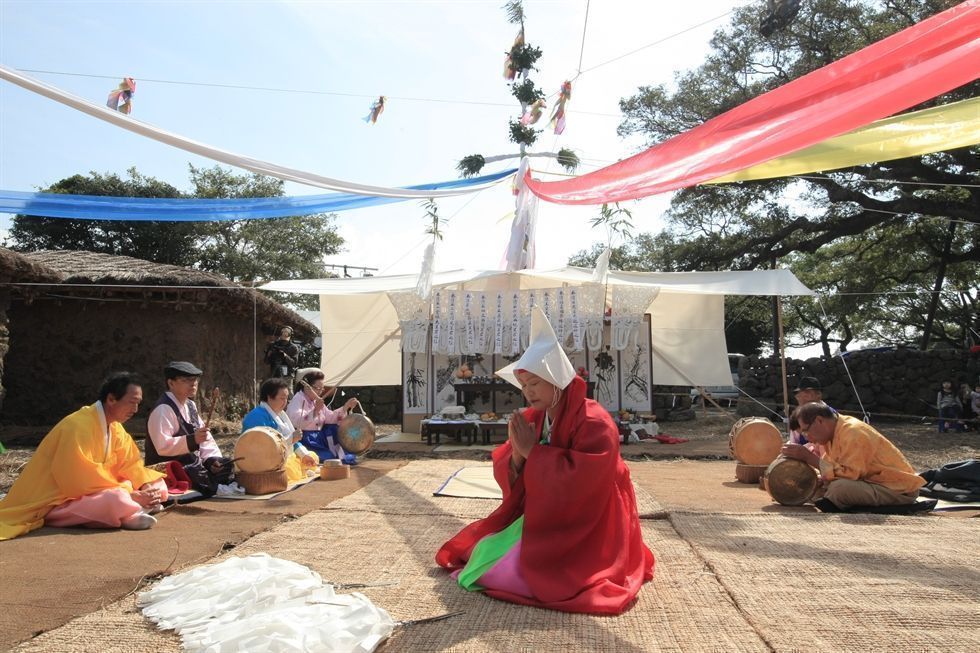
Three is considered a very lucky number in Korea. It symbolizes a person, or humankind itself. The number one represents the sky, the number two represents the earth, and together they form the number three, a person who stands with control of both heaven and ground. You will see threes pop up in folk rituals, traditional games, and even in the way Koreans toast or pour drinks in sets.
2. The Unlucky Number 4
While three brings fortune, the number four is widely avoided. The superstition comes from China, where the word for four sounds similar to the word for death. In Korea, many hospitals, apartment buildings, and elevators do not display the fourth floor as a number. Instead, the button reads F for “four,” quietly skipping the unlucky digit. Important events and family ceremonies are also rarely scheduled on the fourth day of the month.
3. Dreaming of Pigs Brings Wealth
Korean dream interpretation is its own rich tradition, and pigs sit at the top. If you dream of a pig in Korea, it is said to signal incoming wealth and good fortune. The Chinese character for pig is pronounced “don,” which sounds identical to the Korean word for money. Many Koreans hurry to buy a lottery ticket the morning after a pig dream, and pig figurines are common gifts at housewarmings and business openings.

4. Fan Death
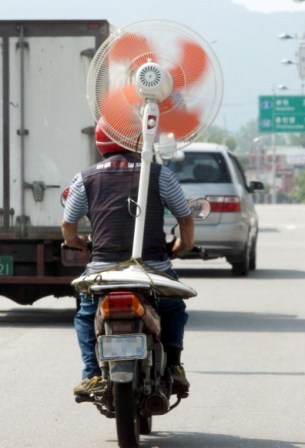
One of the most uniquely Korean superstitions is fan death. The belief is that sleeping in a closed room with an electric fan running can cause suffocation, hypothermia, or facial paralysis. The myth first appeared in Korean newspapers around 1927, when electric fans were new and a little frightening. Even today, most Korean electric fans come with an automatic timer that shuts them off after a set period, just in case grandma was right.
5. Washing Your Hair on New Year’s Day
Washing your hair sounds harmless, but try doing it on New Year’s Day in Korea and you may get a few raised eyebrows. The superstition says that washing your hair on January 1st rinses away the good luck you are supposed to carry into the year. Students follow a similar version before big exams, choosing to skip a wash the night before so their hard-earned knowledge does not slip down the drain.
6. Gifting Shoes to Your Partner
Thinking of buying your significant other a beautiful new pair of shoes? In Korea, this is considered very bad luck for the relationship. The belief goes that giving shoes will cause your partner to run away from you, possibly even in the pair you bought. A pair of sneakers may look sweet on the surface, but the cultural reading is loaded, so most couples choose to avoid shoes as a romantic gift.

7. Shaking Your Leg
Many people bounce a leg when they are nervous, bored, or deep in thought. In Korea, this small habit is said to shake off your good luck and even your wealth. On top of that, shaking your leg in front of elders is considered impolite. If you find yourself in a meeting with someone older or more senior, plant both feet on the floor and let your fortune stay where it belongs.
8. Writing Names in Red Ink
Reach for a pen in Korea and you may notice no one offers you a red one when names are involved. Historically, red ink was reserved for writing the names of the deceased, which is why writing a living person’s name in red is read as a wish for their death or misfortune. Even today, many Koreans avoid signing documents in red and stick to black or blue ink to keep things firmly on the side of the living.
From the lucky number three to the careful avoidance of red ink, Korean superstitions reveal a culture that takes folklore, family, and respect for the unseen very seriously. The next time you ride a Korean elevator or pick a pen to sign your name, you may find yourself second-guessing a habit you never thought twice about. Which of these superstitions surprised you the most?
Explore More of Korea with Daebak
Want to bring a little piece of Korea into your life? The Daebak Box is packed with the best Korean snacks, ramen, and cultural goodies delivered monthly to your door.


