


Table of Contents
BTS (방탄소년단, Bangtan Sonyeondan, meaning "Bulletproof Boy Scouts") are the most successful K-pop group in history and one of the most commercially successful musical acts of all time. Seven members, a devoted global fanbase known as ARMY, multiple Billboard number ones, sold-out stadium tours on every continent, and a UN speech that moved millions to tears. More than a band, BTS became a vehicle for Korean culture to reach the world.
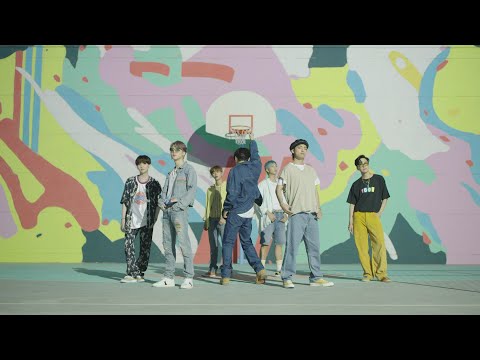
The Beginning: Big Hit and a Modest Debut
BTS debuted on June 13, 2013 under Big Hit Entertainment, a comparatively small agency in an industry dominated by the "Big Three": SM Entertainment, YG Entertainment, and JYP Entertainment. Their early career was difficult. The group had a fraction of the promotional resources available to groups from larger companies, and their hip-hop-influenced style was considered commercially risky in a market that favored polished pop acts.
The original seven members, RM, Jin, Suga, J-Hope, Jimin, V, and Jungkook, began building their fanbase the hard way: through genuine connection with fans online. They posted prolifically on social media, shared behind-the-scenes content, and wrote music that addressed real struggles faced by young people: pressure to succeed, mental health, social expectations, and the difficulty of finding your identity in a conformist society.
The Music: Honesty as a Strategy
What distinguished BTS early on was the authenticity of their songwriting. Where much of the K-pop industry produced carefully aspirational content, BTS wrote about anxiety, depression, the pressure of academic achievement, and the fear of failure. Their 2015 album series "The Most Beautiful Moment in Life" addressed the bittersweet experience of youth. Their 2016 album "Wings," inspired by Hermann Hesse's novel Demian, explored identity and self-discovery.
ARMY: The Fanbase That Changed Music
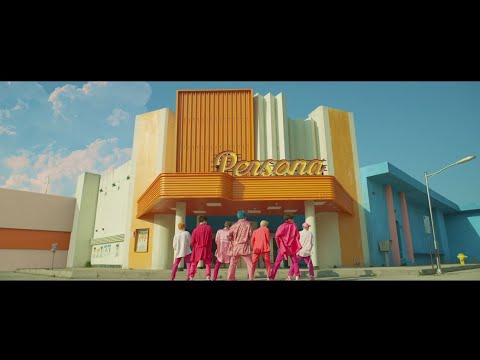
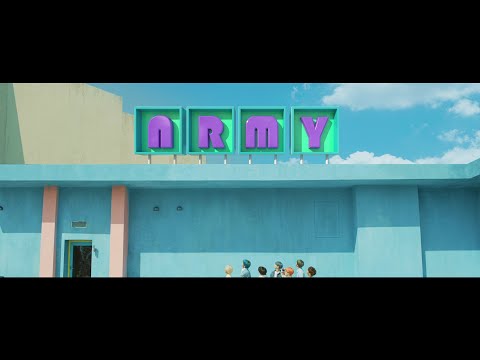
BTS's fanbase, known as ARMY (Adorable Representative M.C. for Youth), is one of the most organized, creative, and internationally diverse fan communities ever assembled around a musical act. ARMY members have coordinated streaming campaigns, charity drives, political actions, and multilingual translation projects that have amplified BTS's reach far beyond what any traditional marketing campaign could achieve.
Breaking the US Market
The US music market had long been considered impenetrable for non-English-language acts. BTS changed that. In 2018, their album "Love Yourself: Tear" debuted at number one on the US Billboard 200, making them the first K-pop act to top the chart. In 2020, "Dynamite" debuted at number one on the Billboard Hot 100. Stadium tours of the US, previously uncharted territory for Korean artists, sold out within minutes.
BTS at the United Nations
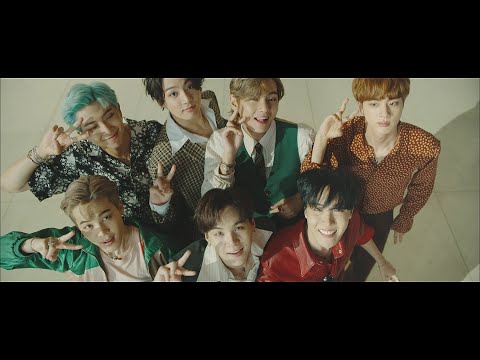
In September 2018, RM delivered a speech at the United Nations as part of UNICEF's Generation Unlimited initiative. Speaking partly in Korean and partly in English, he addressed young people worldwide about self-acceptance and the courage required to love yourself despite social pressures. The speech was viewed tens of millions of times. In 2021, BTS returned to the UN General Assembly as special presidential envoys for South Korea.
What BTS Means for Korea
The economic and cultural impact of BTS on South Korea is staggering. Studies have estimated that BTS contribute billions of dollars annually to South Korea's economy through tourism, merchandise, and brand association. More fundamentally, BTS normalized the idea that Korean culture, Korean language, and Korean identity are worth engaging with on a global stage.
BTS's success is part of a larger Korean cultural wave. Curious to experience more of Korean culture for yourself? The Daebak Box is a monthly subscription delivering authentic Korean snacks, K-beauty products, and cultural favorites straight to your door.


