


Table of Contents
Korean bar culture is built on more than alcohol. It is built on the orange tarp of a roadside pojangmacha, the dried pollack hanging in an Euljiro alley, and the unspoken rule that a younger drinker pours for the elder first. From street tents in Jongno to whiskey lounges in Apgujeong, drinking venues in South Korea reflect decades of social change, regional identity and the central role of anju, the food that always shares the table with the drink.
Pocha and Pojangmacha: The Orange Tent Classic
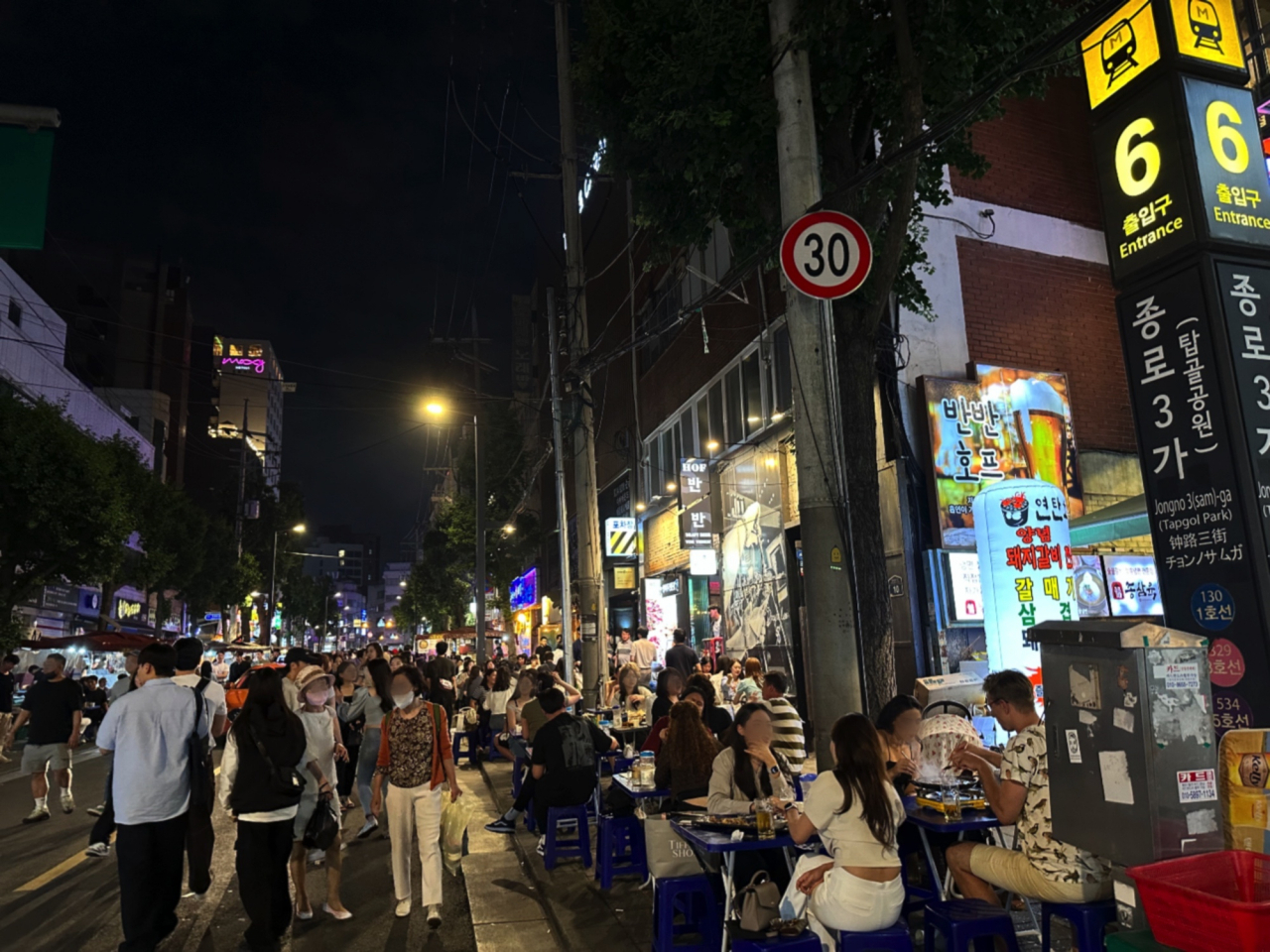
The pojangmacha, often shortened to pocha, is the most recognizable symbol of Korean drinking. The term literally means covered wagon, and the modern format dates back to the 1950s, when peddlers began wheeling small carts along Cheonggyecheon in Seoul. By the 1970s, as the country's palli-palli work culture stretched office hours into the night, orange-tarp tents with plastic stools and a single charcoal stove had become a fixture of the post-work commute. The Korea Herald notes that the Jongno 3-ga Pojangmacha Street still draws long waits, with tourists queueing more than an hour for an outdoor seat even though the stalls technically encroach on public sidewalks.
A distinction matters on the ground. Tented street pojangmacha cook food directly on the cart and typically operate without licenses, while indoor silnae pocha are licensed bars that borrow the casual atmosphere. Both serve soju and beer, but only the original tents carry the off-the-record charm that Korean dramas have turned into a national shorthand for late-night confessions.
Hopejip: The Korean Beer Pub and the Chimaek Boom
The word hopejip comes from the German Hof, and these casual beer pubs are where most Koreans first encounter fried chicken on tap-poured draft. The combination of chicken and beer, called chimaek, has become Korea's signature pairing. According to a survey cited by KED Global, Korean-style fried chicken was the most-loved Korean dish among international consumers for four consecutive years through 2023, ahead of kimchi and bibimbap by preference.
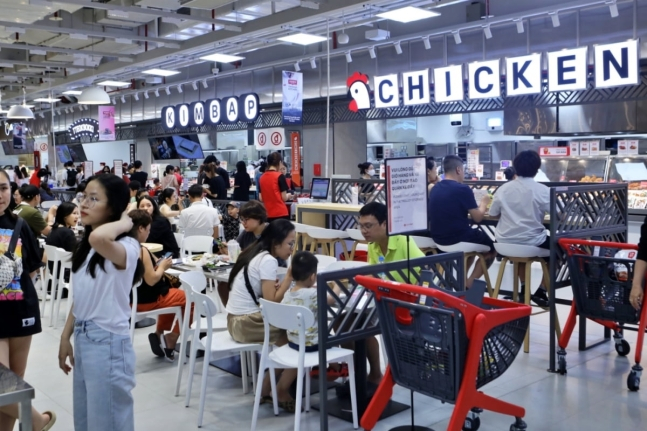
A hopejip menu usually leans on fried chicken variants, golbaengi muchim sea snail salad, dried squid, and seafood scallion pancake known as haemul pajeon. Brands like Kyochon, BBQ, BHC and Kkanbu have exported the model abroad, but the original hopejip experience remains domestic, with paper place mats, mugs of pale lager, and tables that fill up shortly after office hours end.
Euljiro Nogari Alley and the Old Industrial Drink
If pojangmacha represent street drinking, Euljiro Nogari Alley represents the office worker's version. South of Cheonggyecheon, the area was historically packed with print shops and electrical wholesalers, and a cluster of pubs grew around them. Manseon Hof is the alley's most famous address, serving glasses of draft beer for around 3,000 won alongside grilled nogari, dried young pollack, for 1,000 won apiece. The Korea Herald describes seventeen pubs operating along the strip, with bright red plastic chairs spilling under flag-lined roofs in summer.
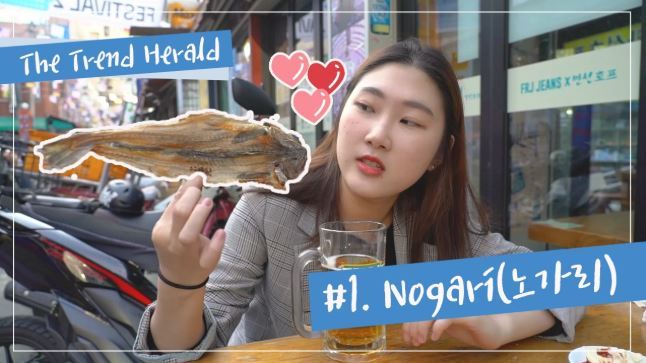
Redevelopment pressure has hung over the alley for years, with Seoul officials repeatedly weighing demolition against preservation. For now, the unpretentious format endures, drawing both retirees and a younger crowd chasing the industrial-chic aesthetic that has spread across Euljiro's cafes and galleries.
Makgeolli Houses: The Comeback of Rice Wine
Makgeolli, the cloudy unrefined rice wine, was a working-class staple through the 1980s before Western liquor pushed it aside. It has returned in the 2010s and 2020s through dedicated makgeolli jip, where younger drinkers favor its lower alcohol content of 6 to 8 percent. The Korea Times has documented modern suljip bars like Soobul in Gwanghwamun and Mowmow in Itaewon experimenting with mulberry, omija, green grape and chestnut variations on the traditional brew.
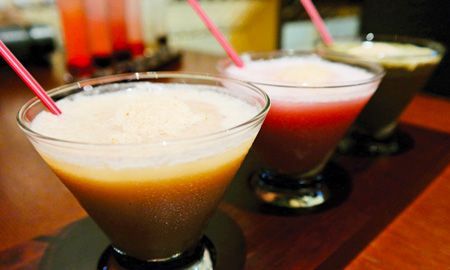
Bars such as Damotori in Yongsan and Mr. Ahn's Craft Makgeolli have built tasting flights around regional brews, while traditional jujeom in university districts like Sinchon and Hyehwa pair makgeolli with bossam and kimchi pancake. The drink that once defined farm labor now signals craft revival.
Whiskey Bars, Wine Bars and the Premium Shift
The 2020s reshaped Korea's premium drinking landscape. Whiskey imports surged, and Itaewon, Apgujeong Rodeo and Cheongdam now host an expanding lineup of speakeasy-style whiskey bars. Wine bars exploded in popularity after 2020, when customs data showed wine imports overtaking whiskey by volume before whiskey returned to the lead. Hannam-dong, Seongsu and Yeonnam have absorbed much of this growth, with natural wine bars and small-batch suljip running alongside cocktail lounges.
Karaoke-bar hybrids known as noraebang with alcohol service continue to coexist with these premium venues, while controversial entertainment establishments like room salons and danranjujeom exist as a separate cultural category that observers tend to discuss but rarely recommend.
Anju: The Food That Makes the Drink
No Korean drinking venue functions without anju, the snacks and dishes that share the table with alcohol. The Visit Seoul tourism board describes chimaek as the late-night staple delivered to Hangang River picnic blankets, where fried chicken and canned beer arrive within twenty minutes. Other classic anju include jokbal, sliced pig trotter served cold with shrimp sauce, and bossam, boiled pork wrapped in lettuce with raw oysters in winter.
Pojangmacha menus skew toward dakbal spicy chicken feet, odeng fish cake skewers, tteokbokki rice cakes in gochujang, and sundae blood sausage. Dried anju like squid, peanuts and squid-peanut combinations called ojingeo ttangkong stay on the table through every refill. Pancake bars, called jeon jip, specialize in haemul pajeon seafood scallion pancake and kimchi jeon, both traditionally paired with makgeolli on rainy days, a pairing rooted in the idea that the sound of frying batter mimics rainfall.
Where Koreans Drink: Seoul's Bar Streets
Different Seoul neighborhoods carry different drinking identities. Hongdae remains the youth and indie hub, anchored by university students and live music venues. Itaewon retains its international and LGBTQ-friendly profile, recovering in stages from the 2022 Halloween crowd crush. Apgujeong Rodeo and Cheongdam represent the upscale lounge tier, while Gangnam concentrates business-driven karaoke and group dining. Gyeongnidan and Haebangchon built reputations on craft beer, although the COVID-19 era thinned out several long-running live music bars. Euljiro carries the industrial-chic mood with its nogari alley, and Jongno 3-ga holds the most concentrated pojangmacha street still operating in central Seoul.
Drinking Etiquette and the Rise of Solo Drinking
Korean drinking etiquette remains a recognizable cultural code. The youngest member pours for the eldest first, using two hands when handling the bottle or receiving a cup. Drinkers turn their heads about fifteen degrees away from senior guests when taking their first sip. Refills happen for empty glasses only, not partial ones.
The newest shift is honsul, solo drinking, which spread rapidly in the late 2010s and accelerated during the pandemic. Convenience-store wine sections, single-serving makgeolli bottles and honsul-friendly bars with counter seats have multiplied across Seoul. Combined with the slow decline of forced after-work hoesik drinking sessions, the change signals a culture moving toward personal choice without abandoning the communal tent.
Explore More of Korea with Daebak
Want to bring a little piece of Korea into your life? The Daebak Box is packed with the best Korean snacks, ramen, and cultural goodies delivered monthly to your door.


