


Table of Contents
Walk one block in central Seoul and you will pass at least three cafes. Walk five and you will pass twenty. South Korea is now home to more than 95,000 cafes, with Seoul boasting the highest cafe density of any major global city, ahead of New York, Tokyo and even Seattle. Korean cafe culture is not just about caffeine. It is about design, identity and the way an entire generation chooses to spend its time.
Why Seoul Has More Cafes Per Capita Than NYC or Tokyo
South Korea's cafe boom is staggering. The country's coffee market is now valued at roughly 17 trillion won, and Koreans drink an average of 405 cups of coffee per person each year, more than double the global average. Seoul alone has more than 18,000 coffee shops, which works out to roughly one cafe for every 500 residents. By comparison, New York and Tokyo lag well behind on a per capita basis.
The reason is partly social. Korean apartments are small, offices can be intense and traditional bars close late but feel formal. Cafes filled that gap, becoming the country's true "third space" where students study, freelancers work, friends gather and couples spend hours on a single drink without anyone rushing them out.
The Rise of Korean Specialty Coffee: Anthracite, Fritz, Coffee Libre
Korea's specialty coffee scene has matured dramatically since the mid-2000s. Three names anchor the movement. Terarosa, founded in Gangneung in 2002, helped pioneer high-grade single-origin roasting in Korea. Namusairo opened in a renovated hanok in central Seoul the same year. Coffee Libre, founded in 2009 by Q-grader Seo Pil-hoon, who later won two consecutive World Roasters Cup titles, made Yeonnam-dong a coffee destination.
Today the scene is led by brands like Anthracite, whose moody, industrial cafes in Hapjeong and Hannam are designed around glass-walled roasting rooms, and Fritz Coffee Company, instantly recognizable by its cartoon seal mascot. Center Coffee in Seongsu, Felt in Jongno and Momos Coffee from Busan round out a generation of roasters that have made Korean coffee internationally respected.
Seongsu, Yeonnam, Mangwon, Ikseon-dong: Iconic Cafe Neighborhoods
Each Seoul cafe neighborhood has its own personality.
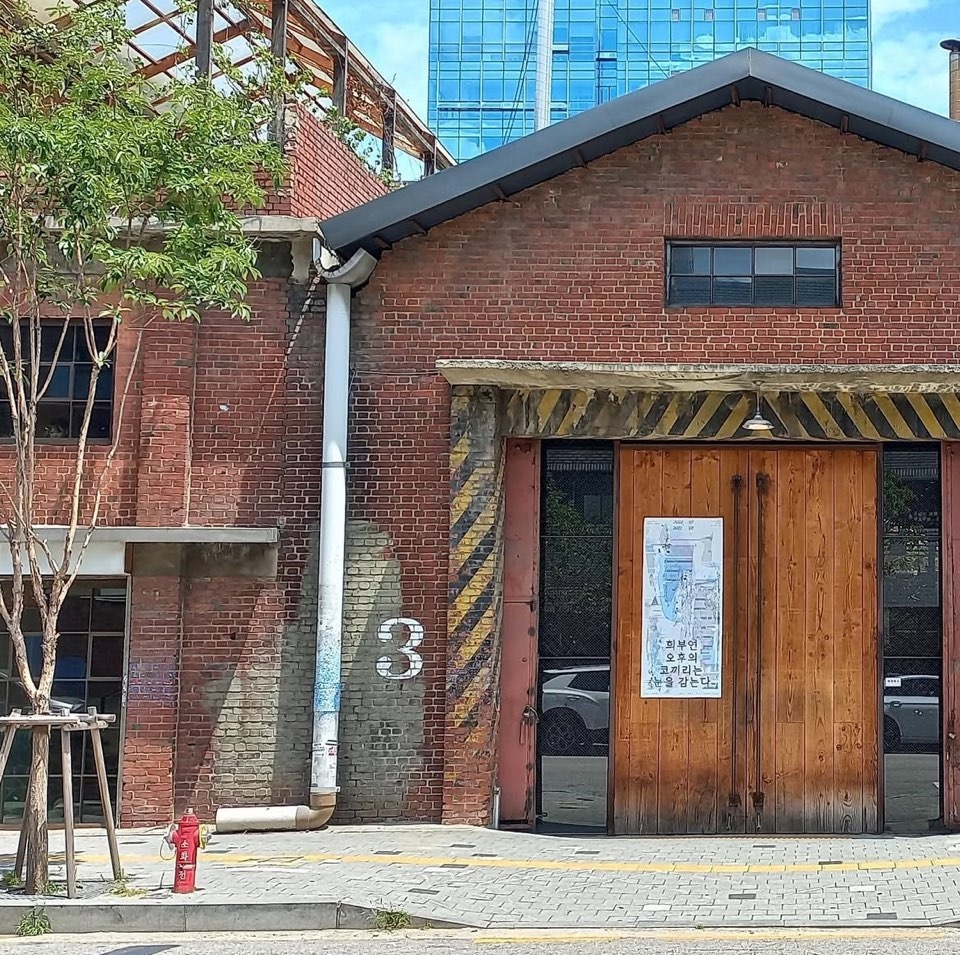
Seongsu-dong, often called the Brooklyn of Seoul, was once a gritty industrial zone packed with shoe factories. Today its red-brick warehouses house specialty roasters, pop-up stores and fashion flagships. Seongsu Station saw over 30 million passengers in 2024, a 57 percent jump in six years, mostly young people hunting cafes.
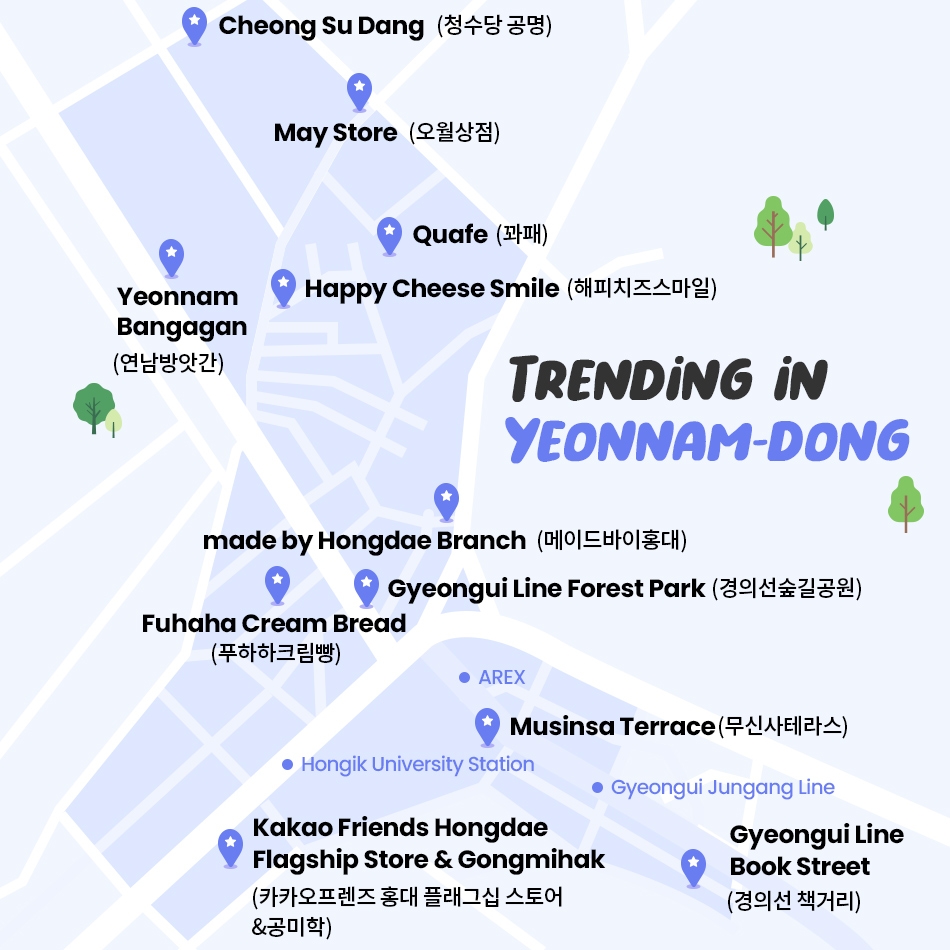
Yeonnam-dong, next to Hongdae, is the small-cafe specialist. Old two-story houses along the Gyeongui Line Forest Park have been converted into one-of-a-kind shops, often with the owner living upstairs.
Mangwon-dong is quieter and more local, with narrow alleys full of cocktail-and-coffee hybrid bars like Dada Lab.
Ikseon-dong turns Seoul's oldest urban hanok village, built in the 1920s, into a maze of traditional Korean houses serving espresso and bingsu. Hongdae rounds it out with student-friendly studying cafes and noisy themed spots.
Themed Cafes, Dog Cafes and K-Drama Sets
Korea may be the world capital of themed cafes. There are character cafes built around webtoons and animation, board game cafes, study cafes that charge by the hour, raccoon and meerkat cafes, sheep cafes, and even a corgi cafe near Sookmyung Women's University.
Animal cafes are also evolving with the times. Paw in Hand's Gyeongui Forest Branch in Mapo District functions as both a neighborhood cafe and a rescue dog adoption center, where every drink purchase contributes to shelter food and visitors can sign up to walk adoptable dogs.
K-drama fans get their own circuit too. Cafes that appeared in shows like "Goblin," "Crash Landing on You" and "Itaewon Class" have become pilgrimage stops, and some venues actively lean into their on-screen fame by recreating sets and selling themed merchandise.

Traditional Teahouses Versus Modern Hanok Cafes
Before there were cafes, there were teahouses. Traditional jeontongchatjip serve omija (five-flavor berry) tea, ssanghwacha (herbal medicinal tea) and danpatjuk (sweet red bean porridge) on low wooden tables, often with classical music playing in the background. Bukchon's Cha Masineun Tteul is one of the most loved of the old guard.
Modern hanok cafes blend that quiet wood-and-paper aesthetic with espresso machines. Seoul Coffee in Ikseon-dong, E.Chae Cafe in Bukchon and J. Hidden House near Dongdaemun all let visitors sit on heated ondol floors with a flat white in hand. The result feels distinctly Korean and is impossible to find anywhere else in the world.
Gigantic Dessert Cafes and Instagram Cafe Trends
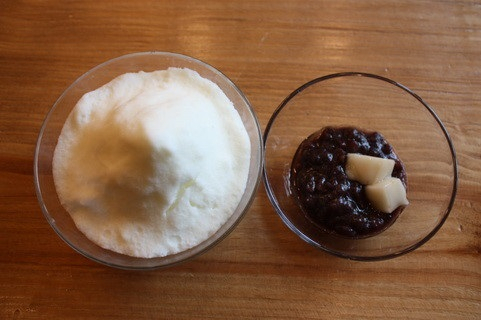
Korean cafes have a competitive obsession with dessert. Bingsu, the towering bowl of shaved milk ice topped with red bean, fruit, matcha or injeolmi rice cake, anchors summer cafe menus. Homilbat in Seodaemun-gu is famous for old-school milk bingsu where shaved ice and sweet red beans arrive in separate bowls. Sulbing chains have made bingsu mainstream nationwide.
At the other extreme are the giant dessert destinations like Shinsegae's Sweet Park in Gangnam, a 5,300 square meter dessert hall with more than 40 brands, and Glow Seongsu, a food hall built like a hidden forest village. Visual appeal drives a lot of this. Korean cafes invest heavily in interior design because guests will photograph and post almost everything, turning the cafe itself into a marketing channel.
The Cafe-as-Study-Space Phenomenon
Spend any weekday afternoon in a Seoul cafe and roughly half the seats will hold laptops, textbooks and earphones. Cafes have become unofficial offices and libraries for the country's students, freelancers and remote workers. Some chains, like Studio Black, even market themselves explicitly as work cafes with desk lamps and power outlets at every seat.
This created a parallel industry of "study cafes" (seutadi kape) that charge by the hour with semi-private booths, fluorescent lighting and silence rules. They are everywhere near university districts like Sinchon, Hongdae and Gangnam. The line between cafe, co-working space and library is intentionally blurred.
Korean Cafe Etiquette You Should Know
A few customs are worth knowing. Cafes generally expect you to order at the counter, take a buzzer, then pick up your drink yourself. Tipping is not practiced. You can sit for hours on a single drink without judgment, though it is polite to order again if you stay past two hours during peak times. Most cafes have a designated return area where customers bring their empty cups, plates and trays before leaving.
Wi-Fi is universal and free. Outlets are common but not guaranteed. Speak quietly in study-heavy cafes. And do not be surprised if a Seoul cafe is built around a single dramatic feature, like a koi pond, a forest installation or a wall of vintage Hi-Fi speakers. That is the point.
Where International Visitors Should Go
If you only have a few days in Seoul, prioritize this short list. Spend a morning in Seongsu hitting Center Coffee, Fritz Coffee Seongsu and Daelim Changgo. Move to Yeonnam-dong for an afternoon of cafe-hopping along the Gyeongui Forest Park. Devote at least one slow afternoon to Ikseon-dong for hanok cafes like Seoul Coffee and Cheong Su Dang. Try a giant bingsu at Homilbat or any Sulbing branch. End with a late-night cocktail-and-coffee hybrid in Mangwon, where the city's most experimental venues operate.
One drink in a Korean cafe is rarely just about the coffee. It is about the design, the desserts, the neighborhood and the way Seoul has rebuilt the cafe into a complete cultural experience.
Explore More of Korea with Daebak
Want to bring a little piece of Korea into your life? The Daebak Box is packed with the best Korean snacks, ramen, and cultural goodies delivered monthly to your door.


