Hyunwoo Cho

Hyunwoo Cho

With over 10 years of experience in the Hallyu industry, Hyunwoo has dedicated his career to connecting Korean culture with the world. As the founder of Daebak, he works closely with Korean brands and stays ahead of the latest trends to deliver an authentic taste of Korea to fans globally.

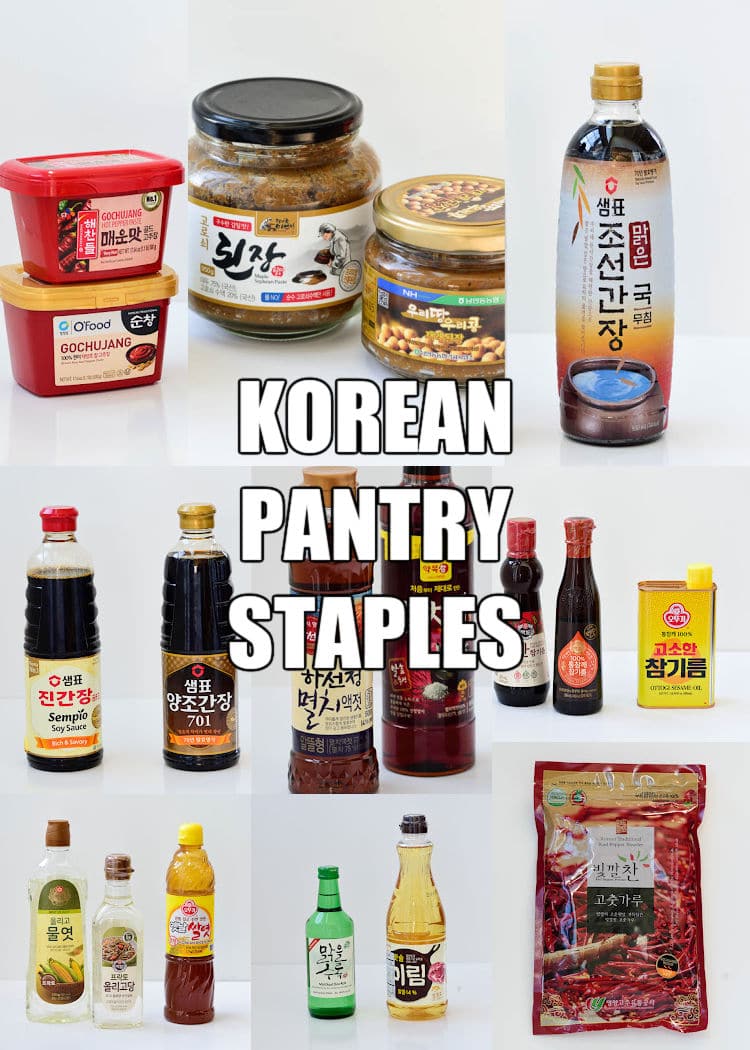
Essential Korean pantry ingredients including gochujang, doenjang, and sesame oil

10 Ingredients Your Pantry Needs for Korean Cooking

Hyunwoo Cho

Table of Contents

Korean cooking is known for its bold, layered flavors, and most of that magic comes from a small set of key pantry ingredients. Once you stock up on these essentials, you will be able to make the vast majority of Korean recipes at home with ease.

Korean pantry essentials and seasoning ingredients laid out
The core Korean pantry staples every home cook needs. Source: Korean Bapsang

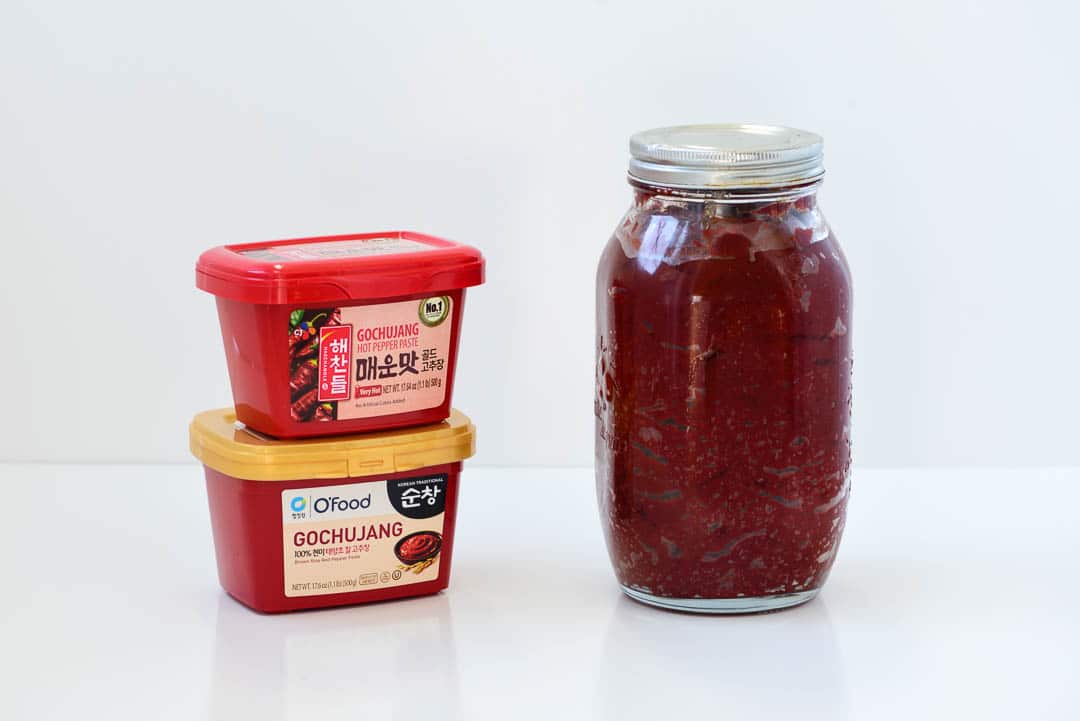
1. Gochujang (Korean Red Chili Paste)

Gochujang is the heart of Korean spice. This thick, deep red paste is made from gochugaru (red chili flakes), fermented soybeans, glutinous rice, and salt. It has a complex flavor that is simultaneously spicy, savory, slightly sweet, and deeply umami. Gochujang is used in tteokbokki, bibimbap sauce, marinades, stews, and countless other dishes. Look for it in a red tub or jar at any Korean grocery store.

2. Doenjang (Korean Fermented Soybean Paste)

Often compared to Japanese miso but with a stronger, earthier flavor, doenjang is a fermented soybean paste that forms the base of many Korean soups and stews. Doenjang jjigae (soybean paste stew) is a daily staple in Korean homes. It also plays a key role in ssamjang, the dipping sauce served with Korean BBQ wraps.

Gochujang and doenjang fermented Korean pastes
Gochujang (red chili paste) and doenjang (fermented soybean paste) are two of the three essential Korean fermented condiments. Source: Korean Bapsang

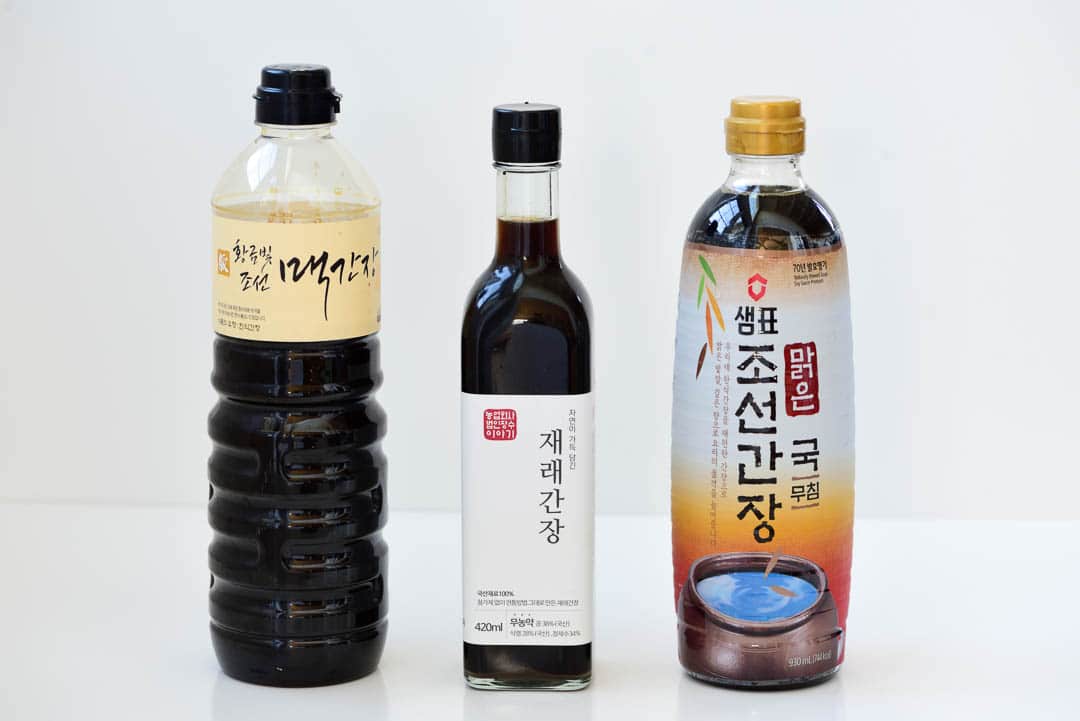
3. Ganjang (Korean Soy Sauce)

Korean cuisine uses two main types of soy sauce. Regular soy sauce (jin ganjang) is used for seasoning marinades and stir-fries. Soup soy sauce (guk ganjang), which is saltier and lighter in color, is used to season soups and namul. Both are fermented and carry a deeper, more complex flavor than regular soy sauce.

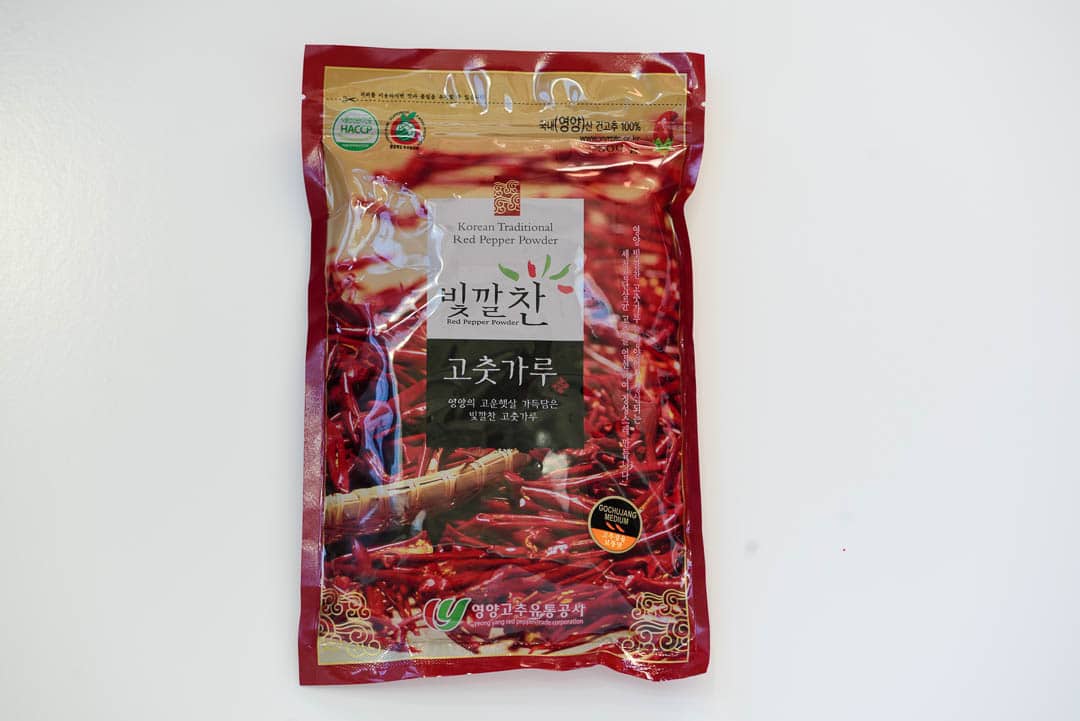
4. Gochugaru (Korean Red Chili Flakes)

Gochugaru is a coarsely ground red chili powder with a vibrant red color and a moderately spicy, slightly sweet, and smoky flavor. It is the essential ingredient in kimchi, and is also used in soups, stews, and marinades. Do not substitute with cayenne or regular chili powder, as the flavor profile is very different.

Korean soy sauce and gochugaru chili flakes
Korean soy sauce and gochugaru (red chili flakes) are everyday essentials in Korean cooking. Source: Korean Bapsang

5. Sesame Oil (Chamgireum)

Toasted sesame oil has an intensely nutty, fragrant aroma that elevates every dish it touches. In Korean cooking it is almost always used as a finishing oil, drizzled over bibimbap, namul, soups, and rice before serving. A small amount goes a long way. Always buy toasted (dark) sesame oil, not the lighter untoasted variety.

6. Sesame Seeds (Chamggae)

Toasted sesame seeds are sprinkled over virtually every Korean dish as a garnish and flavor booster. Keep a jar of pre-toasted sesame seeds in your pantry and you will reach for them constantly. They add a gentle crunch and nutty note to everything from namul to bulgogi.

7. Rice Wine or Mirin (Mirim / Cheongju)

Korean cooking frequently uses rice wine for tenderizing meat, removing fishy odors, and adding a subtle sweetness to marinades and sauces. Mirim (similar to Japanese mirin) and cheongju (Korean rice wine similar to sake) are both commonly used. In a pinch, dry sherry or sake can substitute.

Korean sesame oil and rice wine pantry ingredients
Sesame oil, sesame seeds, and rice wine are key finishing and cooking ingredients in Korean cuisine. Source: Korean Bapsang

8. Garlic and Ginger

Fresh garlic is arguably the most-used aromatic in all of Korean cooking. It goes into almost every savory dish: kimchi, marinades, stir-fries, soups, and stews. Pre-minced garlic from a jar works fine for everyday cooking. Fresh ginger is used in smaller quantities, primarily in kimchi, marinades, and soups, adding warmth and helping to tenderize meat.

9. Dried Anchovies (Myulchi) and Kelp (Dasima)

The foundation of most Korean soups and broths, dried anchovies and kelp are simmered together to create a light, savory stock that is the base of everything from doenjang jjigae to japchae broth. Buying these in bulk and keeping them in the freezer is a Korean household staple.

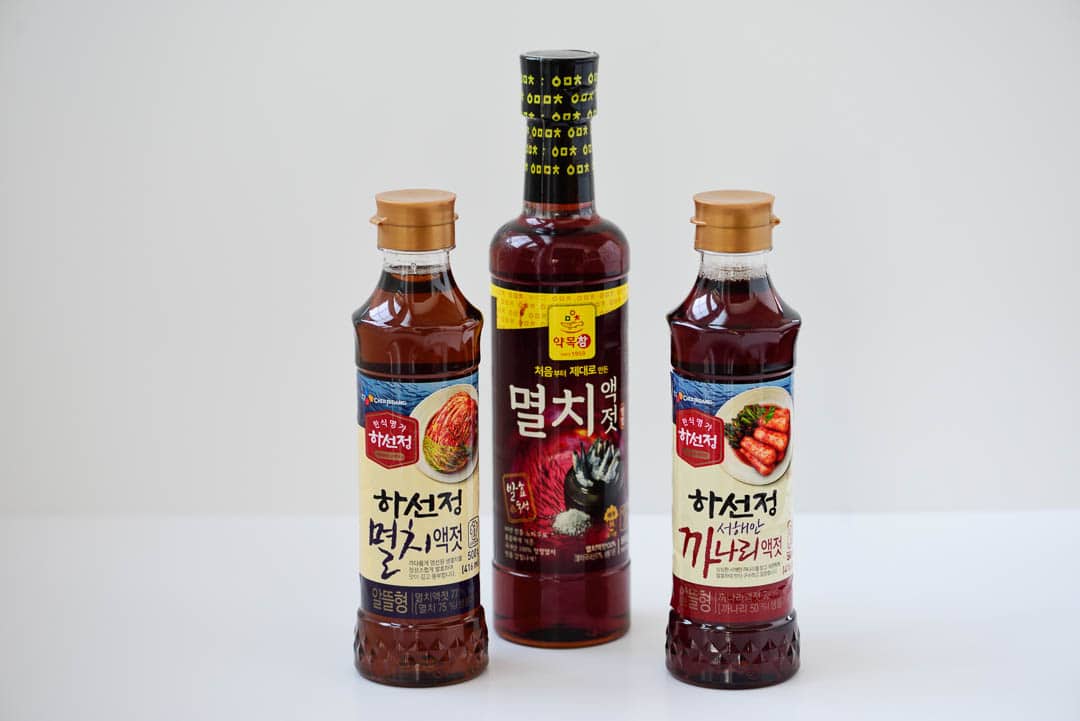
10. Fish Sauce (Eomjeot)

Korean fish sauce is essential for kimchi and many soup-based dishes. It adds depth and umami without being overtly fishy when used in small amounts. The Korean variety (made from fermented anchovies or sand lance) has a different flavor profile from Thai or Vietnamese fish sauce, though those can substitute in a pinch.

Korean fish sauce and pantry staples
Fish sauce and other Korean pantry essentials, ready to bring authentic flavor to any dish. Source: Korean Bapsang

Start Cooking Korean Food Today

With these 10 ingredients on hand, you have everything you need to make kimchi, bibimbap, bulgogi, tteokbokki, and dozens of other Korean classics at home. Most of these pantry staples last for months or even years when stored properly, making them a worthwhile investment for any kitchen.

Explore Korean Snacks with Daebak

Love Korean food? Get authentic Korean snacks and ramen delivered straight to your door with the SnackFever Box by Daebak.

ブログに戻る