Hyunwoo Cho

Hyunwoo Cho

With over 10 years of experience in the Hallyu industry, Hyunwoo has dedicated his career to connecting Korean culture with the world. As the founder of Daebak, he works closely with Korean brands and stays ahead of the latest trends to deliver an authentic taste of Korea to fans globally.

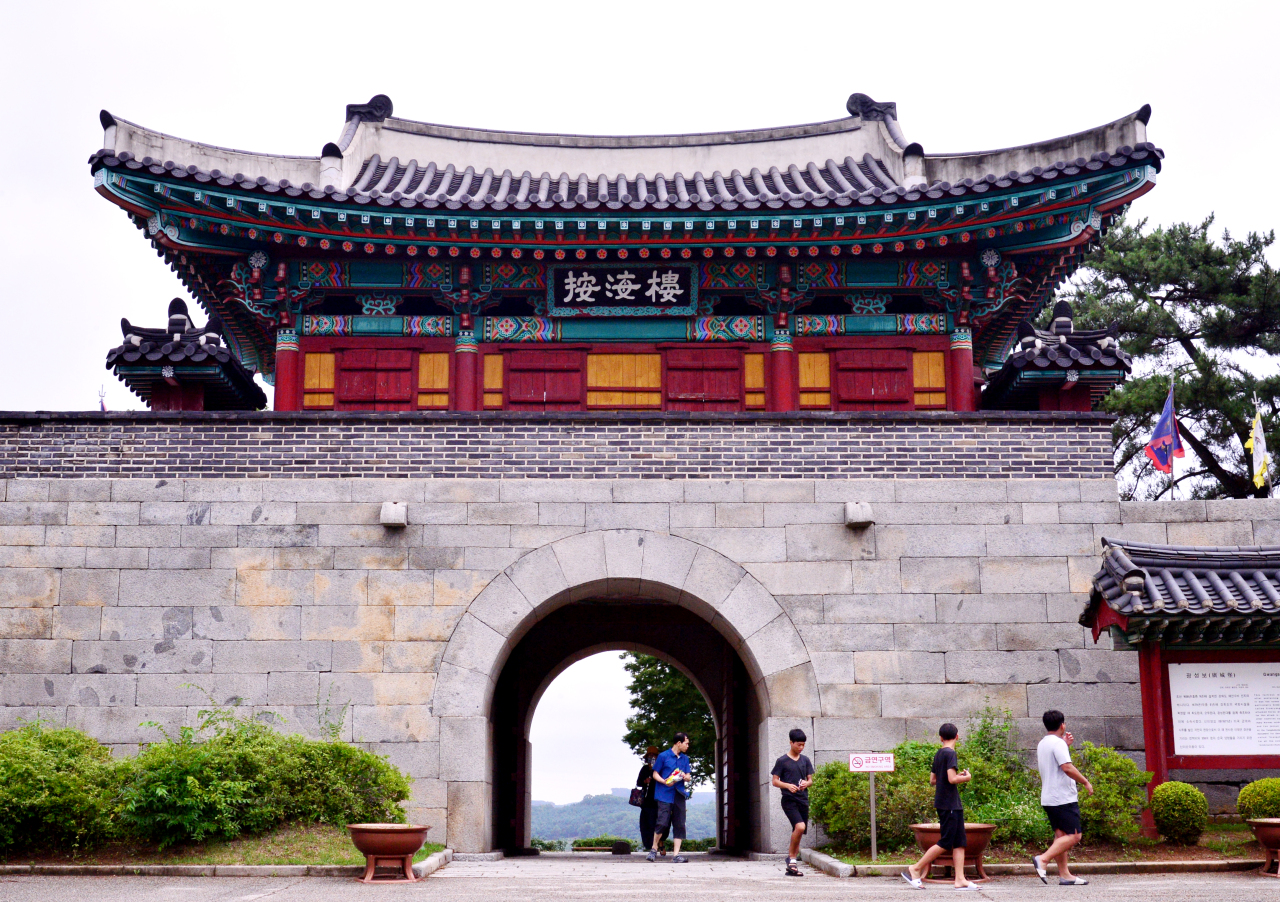
Korean island scenery showcasing the dramatic coastlines, volcanic landscapes, and traditional fishing villages found on Korea's lesser-known island gems

5 Must-Visit Islands in Korea Beyond Jeju

Hyunwoo Cho

Table of Contents

Korea has over 3,000 islands, and while Jeju rightly earns its reputation as the jewel of the Korean coast, it is far from the whole story. Korea's island geography stretches along its southern and western coasts, offering volcanic peaks, pristine beaches, dramatic tidal flats, and fishing villages that feel entirely removed from the mainland's pace. If you are willing to take a ferry, these five Korean islands will reward you with experiences that most visitors to Korea never find.

Korean island scenery showcasing the dramatic coastlines, volcanic landscapes, and traditional fishing villages found on Korea's lesser-known island gems
Korea's island communities have preserved traditional architecture, ancient sites, and a pace of life entirely different from the mainland. From Ganghwado's 2,000-year-old dolmens to Namhaedo's historic fishing villages, there is so much to discover. | Source: Korea Island Travel on YouTube

1. Ulleungdo, East Sea

Ulleungdo is a volcanic island rising dramatically from the East Sea (Sea of Japan), about 130 kilometers from the mainland. Its steep volcanic cliffs, lush forests, and almost total absence of flat land give it a rugged, otherworldly quality unlike anywhere else in Korea. There are no cars outside the main harbor town, and the interior of the island is explored on foot or by electric buggy along narrow paths between cliffs and terraced fields. Ulleungdo is famous for its squid, dried and fresh, and its hwangtae (dried pollack), both produced in huge quantities by the island's fishing community. The ferry journey from Pohang or Gangneung is itself part of the experience: six hours across open ocean with dolphins and seabirds for company.

2. Hongdo (Hong Island), South Jeolla Province

Hongdo is a small island off the coast of South Jeolla Province, named for the reddish color of its rocks at sunrise and sunset. The entire island is a protected national monument, and its extraordinary landscape of sea stacks, caves, arches, and forested cliffs can only be explored by boat. No privately owned vehicles are allowed, and even hiking requires a guide on certain trails. The boat tour around Hongdo's coastline, with its dramatic rock formations and sea caves, is one of Korea's most celebrated natural experiences. The nearby island of Heuksando is a popular companion stop, with a more accessible fishing village character and excellent seafood.

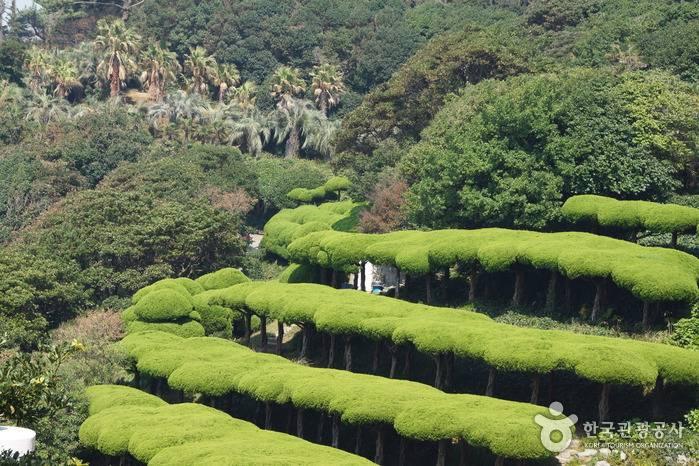
Korea's breathtaking island scenery from above, showcasing the volcanic coastal landscapes and turquoise waters that make Korean islands world-class destinations
Each Korean island has its own seafood signature and natural character, from Ulleungdo's celebrated dried squid to Hongdo's freshly grilled coastal catch. Korea's islands reward those willing to take the ferry. | Source: Korea Island Views on YouTube

3. Gageodo, South Jeolla Province

Gageodo is Korea's southernmost inhabited island, a remote and wild place that takes nearly six hours by ferry from Mokpo on the mainland. Its isolation has preserved landscapes and a pace of life that feel genuinely different from anything else in Korea. The island is best known for its camellia forests, ancient trees whose red blooms carpet the hillsides in late winter and early spring, and its extraordinary cliff paths with unobstructed ocean views. Visitors come primarily for the hiking, the seafood, and the sense of having reached somewhere genuinely far from the ordinary.

4. Ganghwado, Incheon

Ganghwado is Korea's fifth-largest island, located at the mouth of the Han River just west of Seoul and connected to the mainland by bridge. Its relative proximity to the capital makes it a popular weekend destination, but it offers a depth of history and natural landscape that rewards more careful exploration. The island has been a refuge, a fortress, and a place of exile over thousands of years of Korean history. Dolmens (ancient burial stones) dating back to 2,000 BCE are scattered across its hills, and the coastal fortress walls and traditional thatched farmhouses give it a character quite different from mainland Korea.

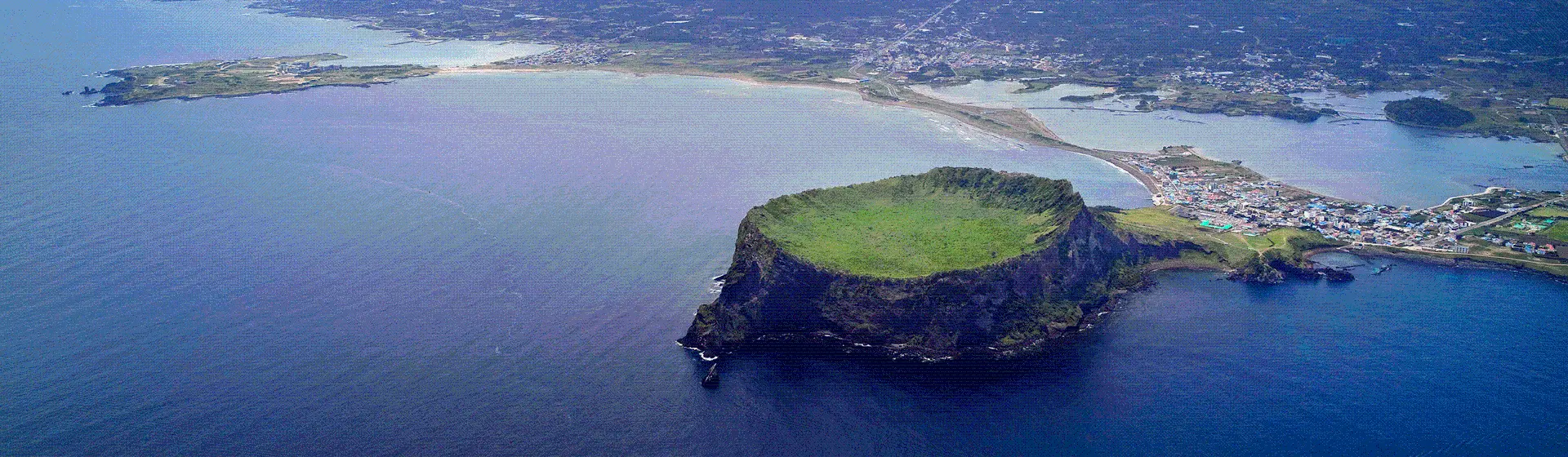
Korean coastal islands and ocean scenery, showing the natural beauty and traditional character that makes island travel in Korea so rewarding
Ganghwado preserves one of Korea's deepest connections to its ancient past. The island's 2,000-year-old dolmens and Joseon-era fortress walls make it a living museum of Korean history just west of Seoul. | Source: Korea Island Exploration on YouTube

5. Namhaedo, South Gyeongsang Province

Namhaedo is Korea's third-largest island, located off the south coast and connected to the mainland by bridge. Its landscape is extraordinary: a maze of deeply indented bays, pine-covered hills, and a southern coastline of islands within islands that has been compared to the Norwegian fjords. The German Village on Namhae's south coast, a community established by Korean workers who emigrated to Germany in the 1960s and later returned home, is a surreal and charming destination. The island's garlic, red pepper, and anchovy products are among the best in Korea, and its small towns and pensions make it an excellent base for several days of relaxed island exploration.

Wherever you explore in Korea, the Daebak Box is your perfect companion for bringing a piece of Korea home. A monthly subscription delivering authentic Korean snacks, K-beauty products, and cultural favorites worldwide, it is the taste of Korea, delivered to your door.

ブログに戻る