Hyunwoo Cho

Hyunwoo Cho

With over 10 years of experience in the Hallyu industry, Hyunwoo has dedicated his career to connecting Korean culture with the world. As the founder of Daebak, he works closely with Korean brands and stays ahead of the latest trends to deliver an authentic taste of Korea to fans globally.

Faceless Korean gwishin ghost in white sobok robe symbolizing spooky Korean Halloween superstitions

5 Spooky Korean Superstitions to Avoid this Halloween

Hyunwoo Cho

Table of Contents

As we are in the second half of the year, we forget about the summer and welcome in the fall. With that comes plenty of holidays and celebrations, a big one being Halloween, a creepy, fun holiday celebrated worldwide on the last day of October. This holiday is known for its terrifying costumes, urban legends, and myths. If you want to know how to survive past the month of October, here are some spooky Korean superstitions you might want to avoid during Halloween.

Faceless Korean gwishin ghost in white sobok robe symbolizing spooky Korean Halloween superstitions
Faceless Korean gwishin haunting Halloween night. | Source: KORELIMITED

Death by Red Ink

A common superstition that started ages ago and is still feared to this day is the myth that writing a living person's name in red ink will result in extremely bad luck, or worse, death. Originating during the Qin dynasty in China and later influencing Korea, the myth took root for several reasons. The primary one was that during these times, only the King was allowed to wear red and would punish anyone else who dared to. The color red is also the same color as blood, which is often associated with pain or death. In Korea, red ink was historically reserved for the names of the deceased in family registers and on funeral banners. This Halloween, it is better to be safe than sorry, so avoid picking up any red stationery when writing a friend's name.

Illustration accompanying The Korea Herald feature on Korean superstitions including writing names in red ink
Korean superstitions, including the red ink taboo, explained. | Source: The Korea Herald

Friendly Whistling

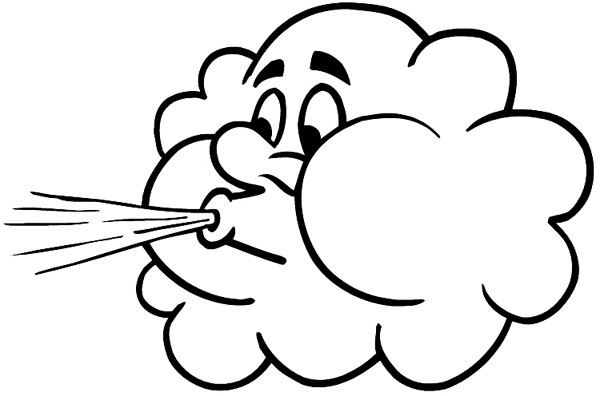
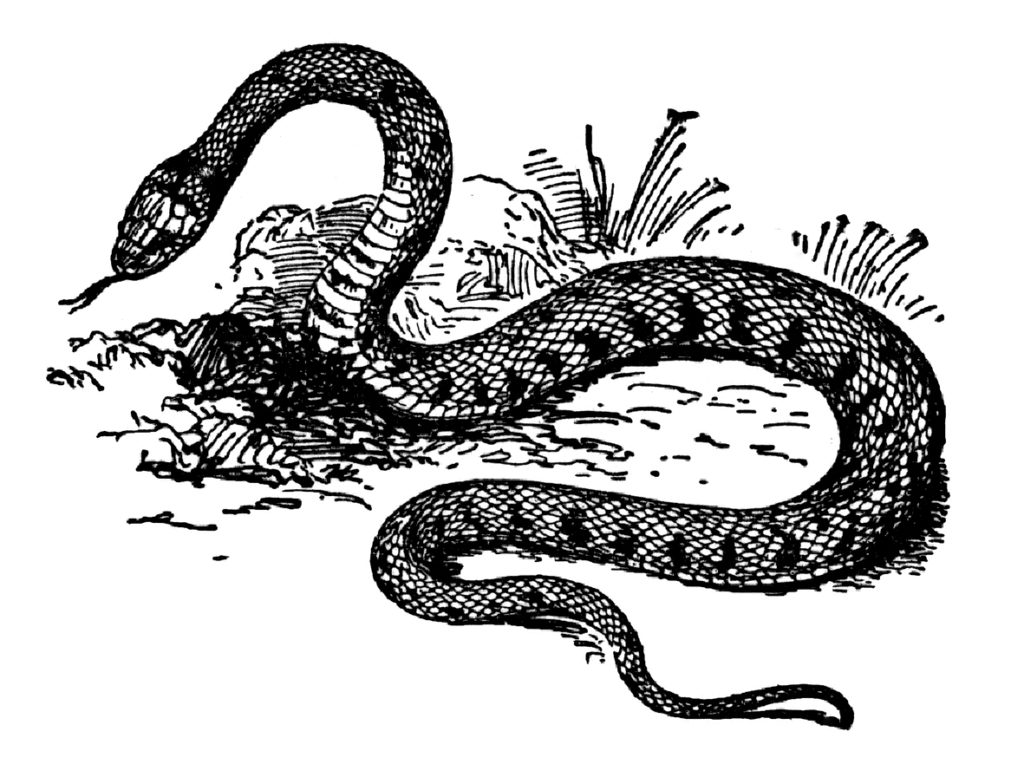
Walking home late at night might get boring, but do not dare start to whistle! The thought behind this Korean urban legend is that whistling at night will summon spirits, demons, and even snakes. Often viewed as an action of contentment, whistling is thought to be the favorite tune of these creepy creatures. Good or bad, one might not know, but what are the chances that you will meet Casper the Friendly Ghost while walking home at night? The superstition was also used to quiet noisy children after dark, but the chilling reputation has stuck around for generations.

Illustration of a person whistling into the night wind echoing Korean superstition that whistling summons spirits
In Korea, whistling after dark is said to lure spirits and snakes. | Source: Gwangju News

Blinded by Beauty

Used to symbolize a long-lasting marriage in traditional Korean weddings, butterflies are often seen as wonderful insects with delicate wings. However, do not get blindsided by their beauty! This superstition goes that if you touch a butterfly and then touch your eyes, you will go blind. Why would someone do such a thing? Who knows, but just be wary of what you go around touching this Halloween, especially anything fluttering around in your garden.

Joseon era Korean folk painting of butterflies by Nam Kye-woo symbolizing love and marriage in Korean tradition
Butterflies in Joseon-era minhwa by Nam Kye-woo, symbols of love and marriage in Korean folk art. | Source: Korean Folk Art

Between Death and Life

Having started back during the Mongol invasion of Korea in 1270, this superstition will have you thinking twice before walking into any home. It was during these years when those who had died in the comfort of their home would remain there for some time. Afterwards, they would be taken out of their house in a coffin. It is believed that once the coffin passes through the front door, the boundary between the living and the dead has also been crossed. Thus, stepping on the threshold afterward is thought to bring bad luck to anyone who crosses the household after.

Illustration referencing Korean folklore on thresholds, snakes, and the boundary between the living and the dead
Korean folklore links thresholds, spirits, and coffins to the line between worlds. | Source: Gwangju News

Lucky Number 4

This superstition originated from China, where the word for "four" (sì) closely sounds like the word for "death" (sǐ), and supposedly brings bad luck. Because the Korean number system closely resembles that of China's, the same beliefs come into play. To see how seriously they take this superstition, walk into any tall building in Korea and take the elevator to the fourth floor. Cannot find it? That is because the number has either been replaced with the letter F to signify the same thing, or removed completely. Hospitals, hotels, and apartment buildings often skip the 4th floor entirely to keep bad luck at bay.

Korean hospital elevator panel showing the 4th floor button replaced with the letter F due to tetraphobia
A Korean hospital elevator with the 4th floor replaced by F, a sign of tetraphobia in everyday Korea. | Source: Wikimedia Commons

Do not be afraid to go out this Halloween month, just be careful of the things you are going to be doing. Which one of these spooky superstitions will you avoid during the month of October? Let us know in the comments below!

Explore More of Korea with Daebak

Want to bring a little piece of Korea into your life? The Daebak Box is packed with the best Korean snacks, ramen, and cultural goodies delivered monthly to your door.

ブログに戻る

Straight from Korea

Bring Korea home, every season

Loved this? Get curated Korean goods delivered to your door. Subscribe & save 10%, cancel anytime.

Explore the boxes →