Hyunwoo Cho

Hyunwoo Cho

With over 10 years of experience in the Hallyu industry, Hyunwoo has dedicated his career to connecting Korean culture with the world. As the founder of Daebak, he works closely with Korean brands and stays ahead of the latest trends to deliver an authentic taste of Korea to fans globally.

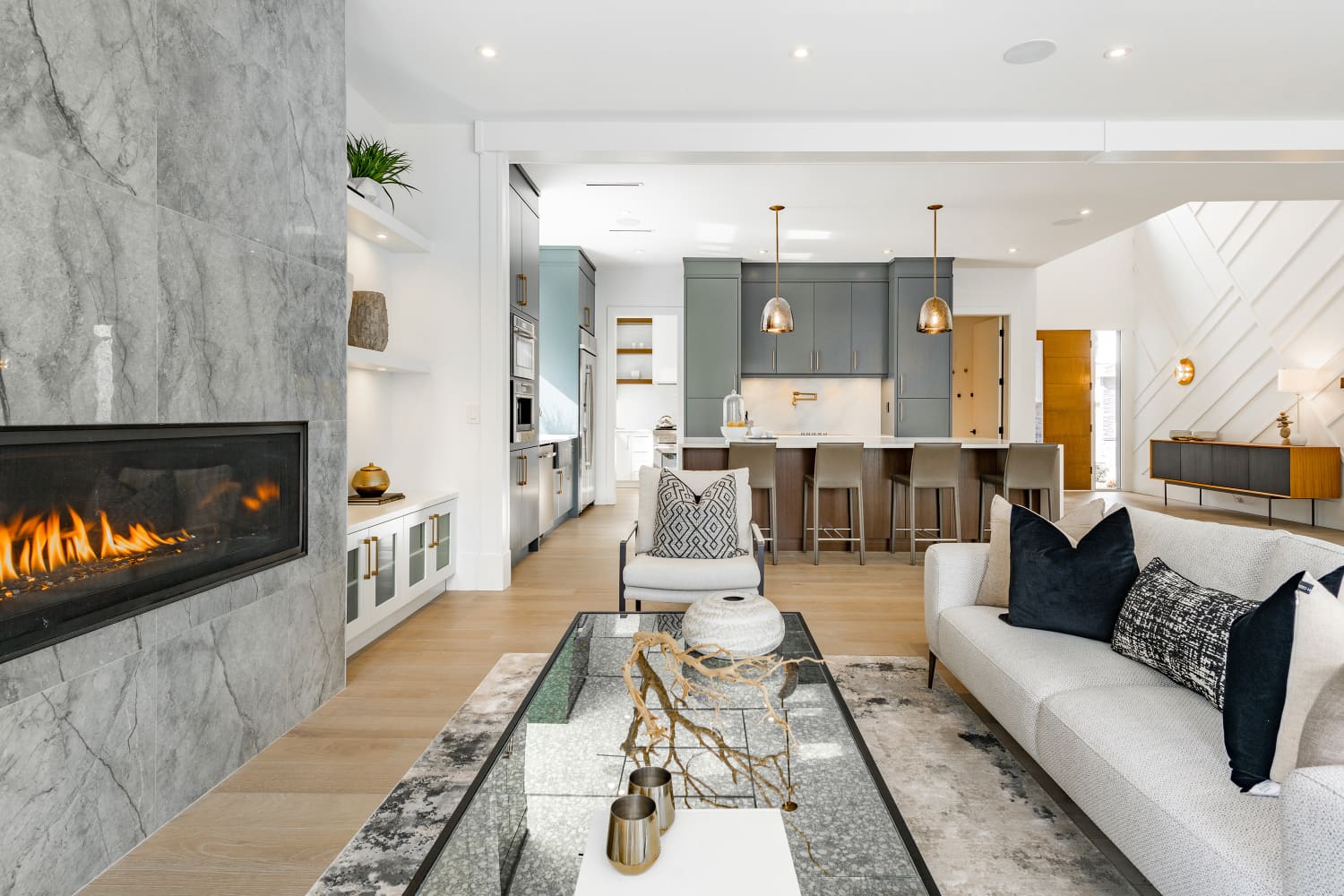
Korean minimalist interior with wood floors white walls low furniture in Teo Yang design

An Introduction to Korean Minimalism

Hyunwoo Cho

Table of Contents

Open any K-drama set in modern Seoul and pay attention to the apartment. White walls, low wood furniture, a single ceramic bowl on a counter, sliding doors framing a small balcony view. That is Korean minimalism in action: a design philosophy rooted in centuries of hanok architecture that has quietly become a global aesthetic over the last decade. Here is what it actually is, where it came from, and how to bring it into your own space.

Teo Yang Korean minimalism with hwagye gardening tradition wallpaper and natural materials
Source: Artsper Magazine

What Korean minimalism actually means

Korean minimalism is not the same as Japanese minimalism, even though Western design press often blurs the two. The Japanese version (think wabi sabi or MUJI) leans into impermanence, raw textures, and quiet asymmetry. Korean minimalism is more architectural. It prioritizes harmony with the building's bones, symmetrical proportions, and a strict relationship between furniture and floor. The space is meant to breathe. The principle is less, on purpose, in service of the whole. Less furniture, less ornament, more natural light, more breathing room.

Traditional Korean hanok house with swooping tile roof wood beams and stone courtyard
Source: NYT via Artsper

It started with the hanok

The entire DNA of Korean minimalism comes from the hanok (한옥), the traditional Korean house designed during the late Joseon dynasty. A hanok is built around three principles: harmony with nature, simplicity of materials, and the modular logic of ondol heated floors. The roof curves up like a brushstroke. The wood frame is exposed. The interior courtyard pulls light into the center. Sleeping happens on a mat on the floor, eating happens on a low table, storage hides behind sliding paper screens. Modern Korean design borrows all of this and dresses it in twenty first century materials.

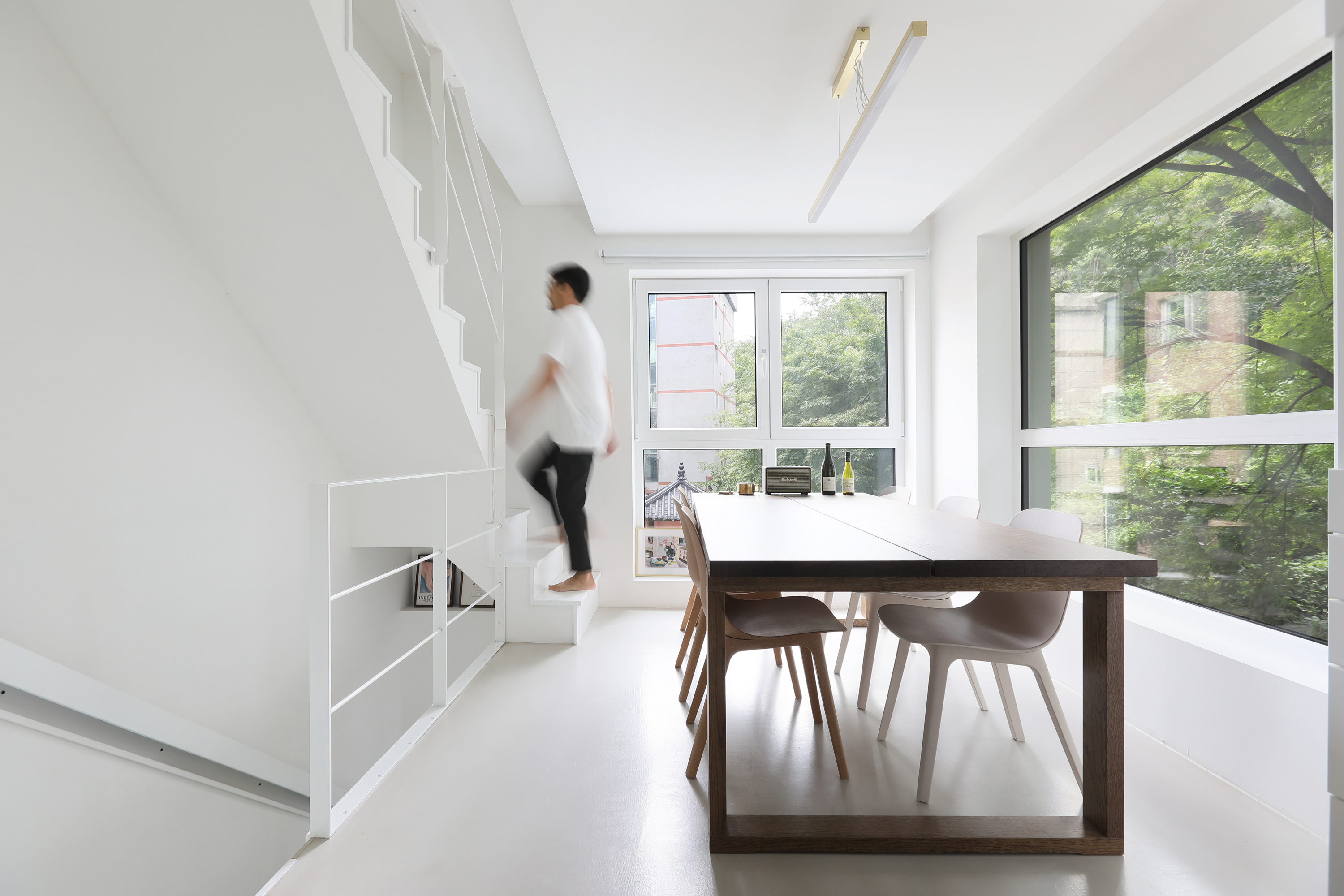
Modern Korean hanok dining kitchen with low wood table and clean white walls in Gahoedong
Source: Wallpaper via Artsper

The Seoul design wave

Korean minimalism went global around 2015 to 2020, driven by a handful of Seoul based designers translating the hanok into modern apartments. Teo Yang reworked Seoul's Bukchon hanok village with traditional joinery, hwagye style gardens, and a quietly cool palette of off white, blackened wood, and natural linen. Quafe and Stayfolio (a Korean Airbnb for hanok rentals) made the style visible to international travelers. Cafes like Onion, Anthracite, Center Coffee, and Fritz Coffee Company built their whole brand identities around the same restrained palette: untreated concrete, single source furniture, and a tightly controlled object count per room.

Wooden Korean minimalist interior with natural materials and warm light
Source: NYT via Artsper

How to actually bring it home

You do not need a hanok to use Korean minimalism. Three moves get you most of the way there. First, prioritize natural materials with quiet finishes: untreated oak, pale ash, raw linen, ceramics with no glaze, stone trays in soft greys. Second, drop the furniture height. Korean homes traditionally use low coffee tables, floor cushions, and low platform beds because they keep sight lines open across the room. Third, set strict object counts per surface. One vase on a counter, not three. One bowl in the entryway, not a basket of mail. Korean minimalism works because every piece in the room is supposed to be there.

Why the aesthetic resonates now

Part of Korean minimalism's global moment is timing. After a decade of maximalist Pinterest interiors and Instagram clutter, a lot of people are tired of stuff. The Korean approach offers a way to slow down without going monastic. It is warm rather than cold, lived in rather than sterile, and rooted in tradition rather than fashion. That is the rare combination that makes a design language age well. If you want a place to start, look up Teo Yang's Bukchon house on Architectural Digest, then book a night at a Stayfolio hanok the next time you are in Seoul. You will leave with a clear sense of what to take home.

Live a little more Korean every month.

The Daebak Box delivers hand picked Korean snacks, K-beauty, and lifestyle finds straight to your door.

Explore the Daebak Box
ブログに戻る