Hyunwoo Cho

Hyunwoo Cho

With over 10 years of experience in the Hallyu industry, Hyunwoo has dedicated his career to connecting Korean culture with the world. As the founder of Daebak, he works closely with Korean brands and stays ahead of the latest trends to deliver an authentic taste of Korea to fans globally.

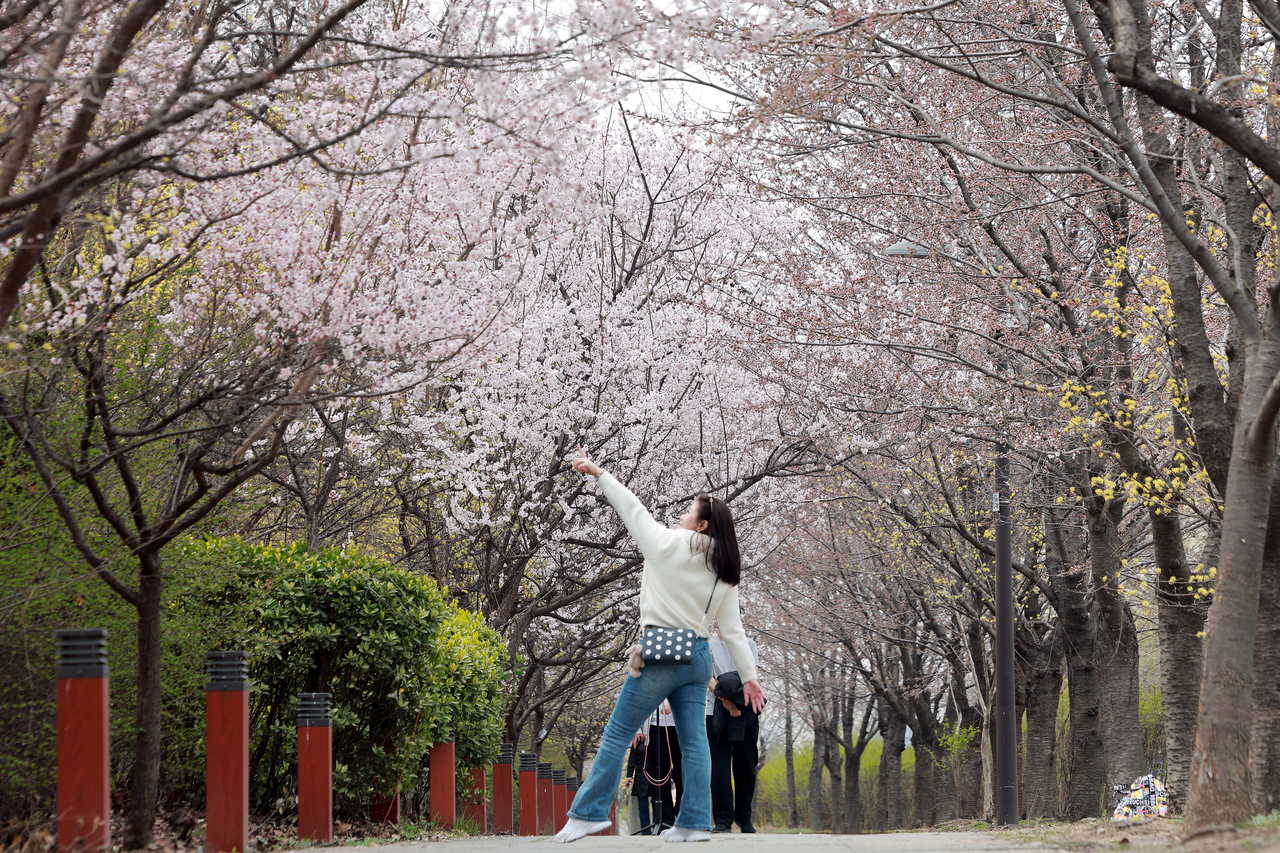
Tourist photographs cherry blossoms beginning to bloom along Yeouido Yunjung-ro in Seoul on March 29, 2026

Cherry Blossom K-Drama Filming Locations: A Spring Hallyu Guide

Hyunwoo Cho

Table of Contents

I have been in the K-content tourism space for over a decade, and there is one production cycle I watch every year: the spring shoot. Korean drama PDs start scouting cherry blossom (벚꽃) locations a full twelve months ahead, because the window is brutal. Cherry blossoms in Seoul last roughly ten days at peak, and a single rainy night can strip an entire avenue. That is why the same handful of filming sites get used over and over, and why tour operators like Trazy, KKday, and Klook can package "K-drama cherry blossom" itineraries that sell out by February. This guide walks through the spots that actually appear on screen, why they were chosen, and what the industry calls the "spring romance template."

Tourist photographs cherry blossoms beginning to bloom along Yeouido Yunjung-ro in Seoul on March 29, 2026
Yeouido's Yunjung-ro avenue is the textbook K-drama cherry blossom shot, used as the establishing frame for spring episodes across nearly every major network. | Source: Korea Herald

Why Cherry Blossom K-Drama Scenes Are an Industry Format, Not an Accident

Spring K-drama production budgets carry a 30 to 40 percent weather contingency line item. That is not paranoia. The 벚꽃 window in central Korea is roughly April 1 to April 10, sometimes shorter, and PDs need that pink canopy locked in before the first big wind. Production companies like Studio Dragon and SLL (formerly JTBC Studios) brief their location managers in early summer for the following year's shoot, and the same university campuses and lakeside parks get re-used because they have predictable bloom timing, generous parking for camera trucks, and authorities that say yes to filming. Why audiences love these scenes is simpler than the production math: cherry blossoms are the universally legible signal for "this is the moment the leads admit how they feel." Western audiences read the same emotional cue Korean viewers do, which is exactly why Netflix licensed-in K-dramas tend to climb their global Top 10 charts in March and April.

Yonsei University and Sinchon: The Default Romance Campus

Yonsei University's main avenue in Sinchon is the most overused cherry blossom location in K-drama, and for good reason. The combination of mature ginkgo trees with cherry blossoms planted along the same axis gives location DPs a layered foreground and background in a single shot. Yonsei featured in the Goblin (도깨비) Sinchon scenes that drove a documented spike in Naver search interest for the campus when the show aired in late 2016 and early 2017. The 2022 series Cheer Up used the same avenue as its narrative anchor because the cheerleading club's premise needed a credible elite university setting. Industry insiders call this the "Yonsei look" and budget accordingly: shoots typically run from 5 a.m. to 8 a.m. to avoid student traffic, and the campus charges a permit fee that scales with the season. Visit at sunrise on a weekday in the first week of April for the closest-to-drama feel, and ride Line 2 to Sinchon Station, exit 3.

Cherry blossom trail along the Gyeongui Line Forest Path near Sinchon and Yonsei University in western Seoul
The Gyeongui Line Forest Path threading through Yonsei and Sinchon is a frequent shooting choice for spring episodes, with the Seoul Metropolitan Government calling out its K-drama appeal in tourism briefings. | Source: The Korea Times

Naksan Park (낙산공원): The Boys Over Flowers Fortress Wall

Naksan Park in Jongno is the spot Korean drama fans of a certain age cannot quit. The 2009 KBS phenomenon Boys Over Flowers (꽃보다 남자) used the Seoul Fortress Wall section of Naksan for several pivotal Jun Pyo and Jan Di scenes, and the park has been a quiet K-drama regular ever since, including appearances in recent web dramas and KPop Demon Hunters location nods. The appeal point is the sightline: from the ridge, you get the fortress wall stones in the immediate foreground, cherry blossoms bursting overhead, and the entire Seoul skyline stretched out behind, including N Seoul Tower. Camera operators love it because they can frame intimate two-shots that still feel epic without renting a helicopter. The walk up from Hyehwa Station, exit 2 takes about 15 minutes through Ihwa Mural Village, which itself shows up in countless rom-coms. Go before 7 a.m. if you want to shoot without other tourists in frame.

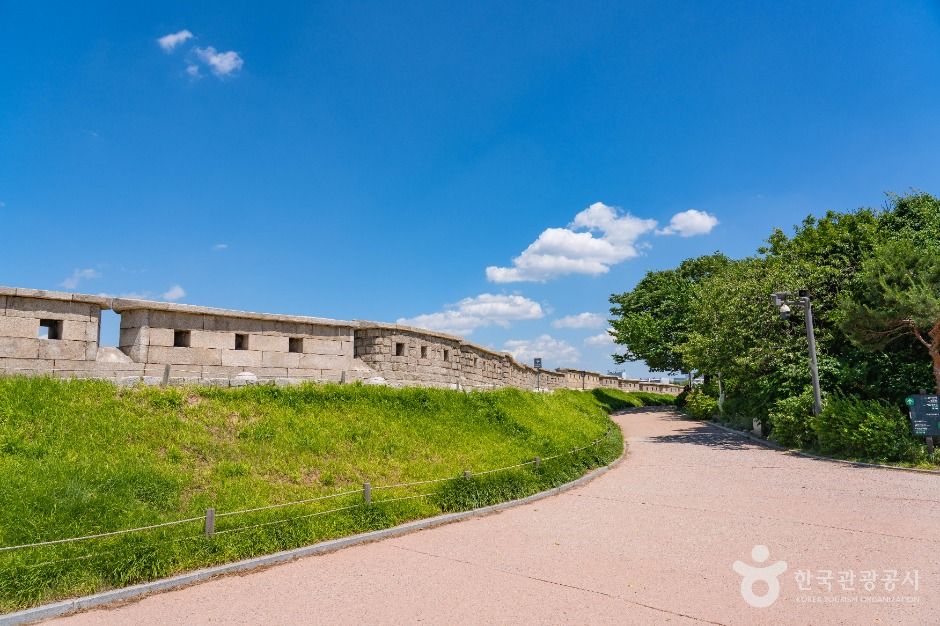
View from Naksan Park ridge along the Seoul Fortress Wall in Jongno, showing the spring landscape over central Seoul
Naksan Park's fortress wall ridge gives location DPs the romantic-but-epic sightline that K-drama directors keep coming back to, from Boys Over Flowers to recent web dramas. | Source: Visit Korea (Korea Tourism Organization)

Gyeongju Bomun Lake: Where Cherry Blossoms Meet Silla-Era Sageuk

Gyeongju is the cherry blossom shoot for any drama with a Silla-era subplot. Bomun Lake (보문호) holds roughly 9,000 cherry trees ringed around 8 kilometers of waterfront, and the surrounding Hwangnidan-gil district has the densest concentration of hanok-roof cafes and palace ruins in Korea. KBS used the broader Gyeongju area extensively for Hwarang (화랑) in 2016 and 2017, which mattered industry-wise because the show's young V (BTS) and Park Seo-jun lineup drew international fans to Gyeongju in record numbers, with the city reporting a measurable bump in spring 2017 visitor counts. The location's appeal in production terms is that one drive can deliver palace ruins, royal tombs at Daereungwon, and a full cherry blossom canopy without scene changes. KTX from Seoul Station to Singyeongju takes about 2 hours 15 minutes, and the lake bus loops Bomun continuously during the cherry blossom festival in early April.

Spring landscape at Yeonhwaji reservoir near Bomun Lake in Gyeongju, North Gyeongsang Province
Gyeongju's Bomun Lake area pairs cherry blossom canopies with Silla-era backdrops, which is exactly why KBS picked the region for Hwarang and why sageuk PDs return year after year. | Source: The Korea Times

The Goblin Effect and the Tour Operator Playbook

Goblin (쓸쓸하고 찬란하神 도깨비) was the case study that taught Korea Tourism Organization (KTO) how K-drama scene-mapping converts to tourism revenue. After the show's December 2016 release, Naver search interest for the Quebec City Gimli scene location jumped roughly 400 percent within weeks, and the KTO began funding scene-by-scene location maps for major dramas. Trazy and KKday now pre-build themed itineraries that pair specific scenes with the actual visit spots, often released within a week of a drama's airing. Klook went further by selling cherry blossom packages that bundle Yonsei, Yeouido, and Seokchon Lake into a single half-day route. The industry mechanic is straightforward: a five-second establishing shot of a cherry blossom street can drive thousands of tourist inquiries the next morning, which is why drama PDs and tour operators now coordinate quietly through KTO's Hallyu tourism office. For independent travelers, the cheapest way in is the Discover Seoul Pass plus a Naver Map saved-places list seeded from any current Hallyu drama.

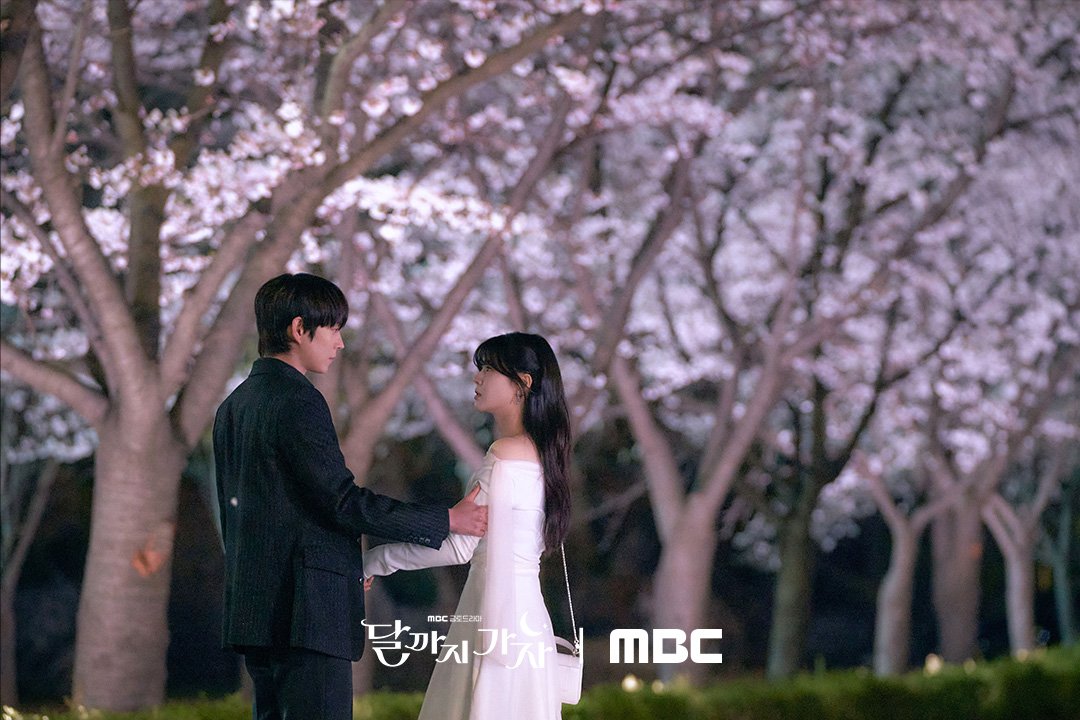
Lee Sun Bin and Kim Young Dae walk down a cherry blossom street at night in a still from the 2025 MBC drama To the Moon
The cherry blossom street walk, here in MBC's 2025 series To the Moon, is the spring-drama template that scouts copy every cycle, and the reason these locations stay booked solid. | Source: Soompi

Planning Your Visit: Bloom Timing, Permits, and What Locals Actually Do

Cherry blossom (벚꽃) season in central Korea peaks around April 1 to April 10, but the bloom is moving earlier almost every year. In 2026 the Korea Meteorological Administration declared Seoul's first bloom on March 29, about ten days ahead of the historical average. If you are chasing K-drama filming spots, plan to arrive three to five days after the official first bloom date for the fullest canopy. Yonsei and Naksan Park are free to enter. Bomun Lake's broader Gyeongju area runs a paid festival shuttle that is worth the few thousand won. Camera permits are required for tripods and large gear at Yonsei and inside any official heritage zone, including parts of Naksan; most travelers using phone cameras will not be stopped. What Koreans actually do during the season is less about the postcard shot and more about routine: a takeaway americano from a Sinchon cafe, a 30-minute walk under the canopy, then back to work. The K-drama version is the heightened version of that walk.

Explore More of Korea with Daebak

Want to bring a little piece of Korea into your life? The Daebak Box is packed with the best Korean snacks, ramen, and cultural goodies delivered monthly to your door.

ブログに戻る

Straight from Korea

Bring Korea home, every season

Loved this? Get curated Korean goods delivered to your door. Subscribe & save 10%, cancel anytime.

Explore the boxes →