


Table of Contents
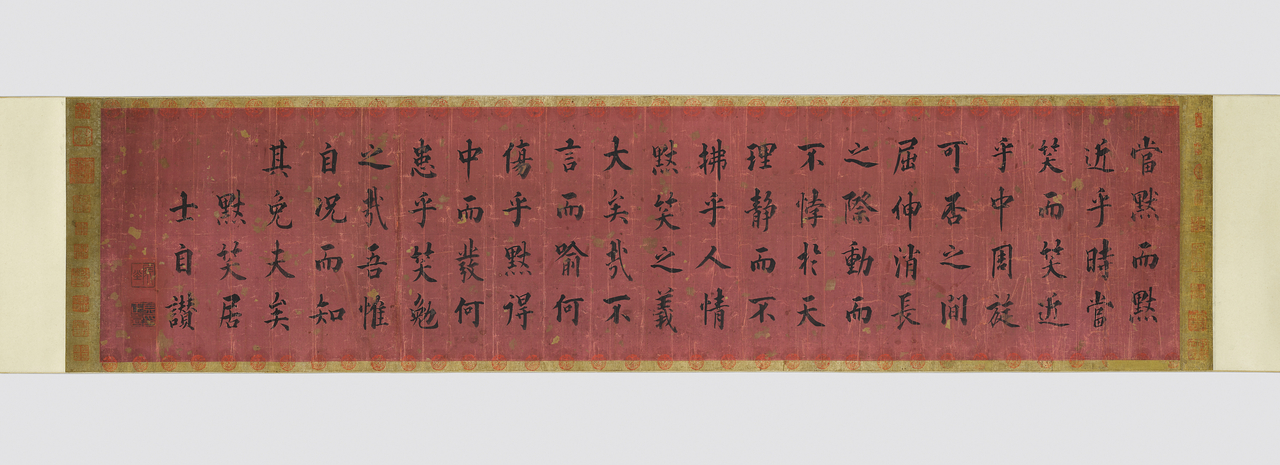
Korean calligraphy, called seoye (서예), is the centuries-old art of writing Hanja (Chinese characters) and Hangul (the Korean alphabet) with a soft brush, hand-ground ink, and mulberry-bark paper. More than decorative penmanship, seoye is treated as a discipline of the mind, where every brushstroke reflects the writer's character, breath, and inner spirit.
From royal scribes of Joseon to today's calligraphers commissioned for K-drama titles and soju bottle logos, seoye has shaped Korean visual culture for over a thousand years. In January 2025 the Korea Heritage Service designated Hangeul Calligraphy a National Intangible Cultural Heritage, formally recognizing seoye as one of Korea's living art traditions.
What Is Seoye? Korea's Art of Writing
The word seoye literally means "the art of writing." In East Asia, calligraphy and painting are traditionally said to share the same origins (서화동원, seohwa-dong-won), and Korea has long had a tradition of si-seo-hwa, the unity of poetry, calligraphy, and painting created with the same brush. Korea's modern term "seoye" was popularized after liberation in 1945 by calligrapher Son Jae-hyeong, who used it to emphasize artistry, distinguishing Korean practice from China's shufa and Japan's shodo.
What sets Korean calligraphy apart is restraint and balance: clean spacing between characters, expressive but disciplined brushwork, and a quieter elegance compared with the bolder ornament of neighbouring traditions. The Korean brush is also notably softer than its Chinese and Japanese counterparts, demanding extra control from the calligrapher.
The Four Treasures of Seoye (Munbang Sau)
Every seoye studio is built around four essential tools, known in Korean as 문방사우 (munbang sau), the "four friends of the study." Each is hand-crafted, and a calligrapher's relationship with these tools is intimate, often lifelong.
- 붓 (but), the brush: a flexible, sharply-pointed tip made of animal hair (rabbit, goat, badger, or weasel) bound to a bamboo or wooden shaft. Korean brushes are renowned for being softer than their neighbours.
- 먹 (meok), the ink stick: a compressed cake of soot, traditionally made from burning pine wood for ten days and binding the soot with natural glue. Quality ink sticks are made only in cold winters so the glue doesn't spoil.
- 벼루 (byeoru), the inkstone: a carved stone slab with a well for water. The calligrapher grinds the ink stick against the stone with water until the desired darkness is reached, a meditative ritual in itself.
- 종이 (jongi), the paper: in Korea, this is always hanji, handmade paper from the inner bark of the paper-mulberry tree. Hanji absorbs ink beautifully and can last more than a thousand years.
As one nineteenth-century Joseon master put it, "Over 70 years, I wore down 10 inkstones and used up more than 1,000 brushes." The quote, displayed at the National Museum of Korea's calligraphy gallery, captures the lifelong dedication seoye demands.

A Brief History: From Three Kingdoms to Modern Korea
Korean calligraphy reaches back more than two thousand years. Chinese characters and brush-and-ink techniques arrived on the peninsula during the Three Kingdoms period (57 BCE to 668 CE), and by the Goryeo dynasty Korean scholars were producing original masterpieces in their own hand.
Seoye reached its peak in the Joseon dynasty (1392 to 1910), when calligraphy was central to a yangban scholar's identity. Two figures tower above the rest:
- Han Seok-bong (1543 to 1605) was the chief scribe of King Seonjo's court. His Seokbong-che style, powerfully disciplined and perfectly proportioned, became the standard for official state documents and diplomatic correspondence, and his hand still influences fonts used in modern Korean textbooks and computers.
- Kim Jeong-hui (1786 to 1856), known by his pen name Chusa, is widely considered the greatest calligrapher of the late Joseon era. After studying epigraphy in China, he developed the unconventional, rough, deliberately awkward Chusa-che style during nearly nine years of exile on Jeju Island. His ink painting "Sehando" (Winter Scene) is one of Korea's most treasured artworks.
The creation of Hangul by King Sejong the Great in 1443 opened a parallel tradition: Hangul calligraphy. The Hunminjeongeum Haerye, the 1446 manuscript explaining the new alphabet, was inscribed on UNESCO's Memory of the World Register in 1997 and is preserved as National Treasure No. 70.
The Four Main Script Styles
Seoye encompasses several historic script styles, all of which Korean calligraphers still study and practice today:
- 전서 (Jeonseo), seal script: the oldest form, ancient, geometric, and often used today for personal seals (도장, dojang).
- 예서 (Yeseo), clerical script: developed in the Han dynasty, broader and flatter, with clear horizontal strokes.
- 해서 (Haeseo), regular script: the clear, balanced style most beginners learn first. Each stroke is distinct and proportional.
- 초서 (Choseo), cursive script: flowing and abbreviated, where strokes blur together. The most expressive, hardest to read, and a true test of mastery.
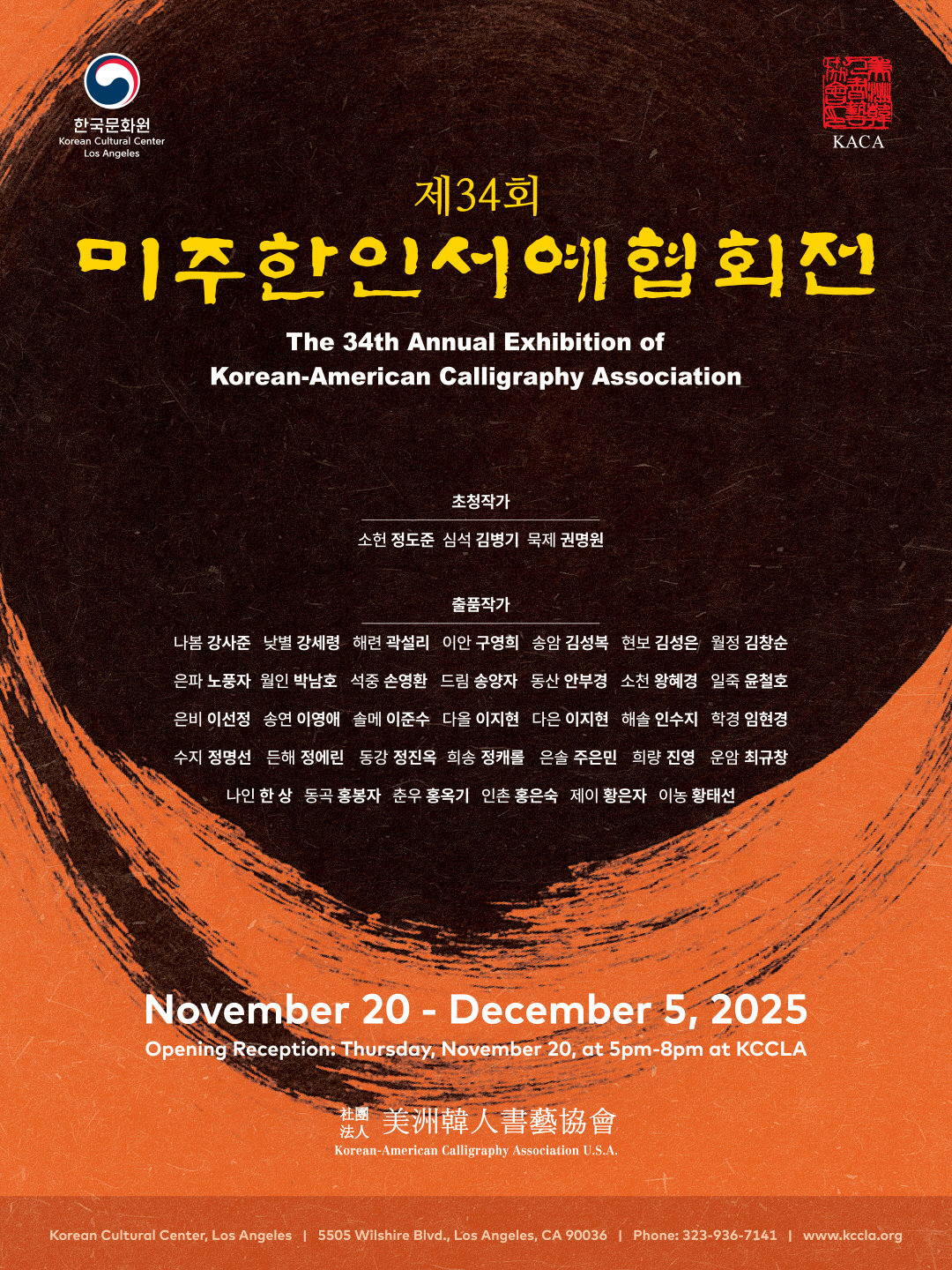
A semi-cursive style called haengseo sits between haeseo and choseo, and Hangul has its own court style (gungche) plus a wide range of contemporary forms. The 34th Annual Exhibition of the Korean-American Calligraphy Association, held in late 2025 in Los Angeles, showcased works in all of these scripts side by side.
Hangul Calligraphy: A Uniquely Korean Beauty
While Joseon scholars worked mainly in Hanja, Hangul calligraphy quietly developed alongside it, used in royal letters, court literature, and women's everyday correspondence. The court style known as gungche is delicate and rhythmical, and modern calligraphers have built on it to create bold, expressive styles used across film posters, book covers, and product packaging.
In January 2025, the Korea Heritage Service officially designated Hangeul Calligraphy a National Intangible Cultural Heritage, recognizing both the act of writing Hangul with ink and brush and the traditional knowledge surrounding it. Significantly, the KHS named no individual holder, instead designating it as a tradition shared across the entire nation.
Contemporary calligrapher Kang Byung-in, whose lettering appears on Jinro Chamisul soju, Hwayo, and the K-drama "Misaeng," describes Hangul as a writing system whose beauty lies in its structure and design. "The beauty of Hangeul does not mean it is the most beautiful script in the world," Kang has said. "It refers to the originality of the system, in which the way the letters were designed, structured and expressed."
Where to Experience Seoye in Korea
If you want to see, learn, or buy seoye in person, Seoul is the place. Three neighbourhoods stand out:
- National Museum of Korea (Yongsan): in February 2026 the museum reopened its renewed calligraphy galleries on the second floor, with permanent and rotating thematic exhibitions devoted to Korean masters such as Jeong Seon and Kim Jeong-hui. Entry is free.
- Bukchon Hanok Village: tucked between Gyeongbokgung and Changdeokgung palaces, Bukchon hosts the Bukchon Traditional Crafts Center and small hanok studios where masters with decades of experience teach calligraphy classes on antique hanji, often inside a 100-year-old hanok house.
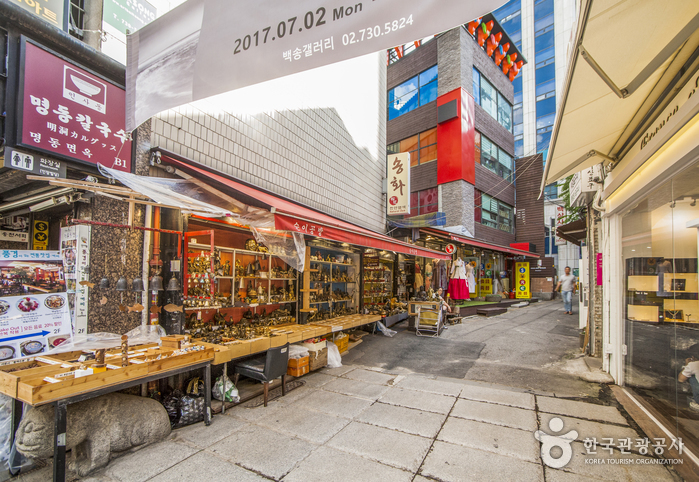
- Insadong: Seoul's most famous traditional-arts district. Since the Joseon dynasty Insadong has been the hub for calligraphy, paintings, and antiques, with roughly 70 antique shops, dozens of galleries, and stationery stores selling brushes, hanji, and ink sticks.
Workshops in Bukchon and Insadong typically start with a short history of Hangul, then teach brush grip, ink grinding, and fundamental strokes before sending you home with a framed piece bearing your name in beautifully written Korean.
Buying Seoye Supplies in Insadong
Insadong is the easiest place in Korea to outfit yourself with a full set of the four treasures. Long-established stationery stores (called 필방, pilbang) sell premium brushes, hanji, and hand-pressed ink sticks, with some shops carrying brushes made by master craftsmen for working calligraphers.
Two historic shops stand out. Myeongsindang Pilbang, marked by a giant brush hanging over the entrance, first opened as an inkstone factory in Boryeong before moving to Insadong in 1987. It has hosted the king and queen of Spain, a Dutch prince, and the president of Costa Rica, and also offers seal-carving and calligraphy classes. Bongwon Calligraphy, near the main Insadong intersection, has supplied calligraphers for more than 30 years and is one of the largest specialist shops in the neighbourhood.
Even if you do not plan to practice, browsing a Insadong pilbang is its own pleasure: bundles of brushes hang from the ceiling like a forest of bristles, and the smell of pine soot lingers in the air.
Seoye in Modern Korean Design and K-Content
Seoye is far from a museum-only art form. Open a Korean soju bottle, scroll a K-drama poster, or buy a Korean snack and you are likely looking at the work of a modern calligrapher. Kang Byung-in's lettering on Jinro Chamisul, the title strokes on "Misaeng" and "Awl," and countless restaurant signs in Seoul are all rooted in seoye tradition.
Contemporary Korean designers also blend brush calligraphy with typography. Designer Ahn Sang-soo has experimented with horizontal Hangul calligraphy (traditionally Hangul is written vertically), arguing that the alphabet itself is a kind of typographic design first distributed as woodblock print. In media art, calligrapher Kim Zhong-kun has interpreted the lyrics of songs including BTS's "Spring Day" in flowing ink, projected as installations at the National Museum of Modern and Contemporary Art (MMCA).
From Hunminjeongeum to Chusa to K-pop branding, seoye links a thousand years of Korean visual culture in a single sweep of the brush. Pick up a brush in Insadong, and you become a small part of that line.
Explore More of Korea with Daebak
Want to bring a little piece of Korea into your life? The Daebak Box is packed with the best Korean snacks, ramen, and cultural goodies delivered monthly to your door.


