Add author photo

Hyunwoo Cho

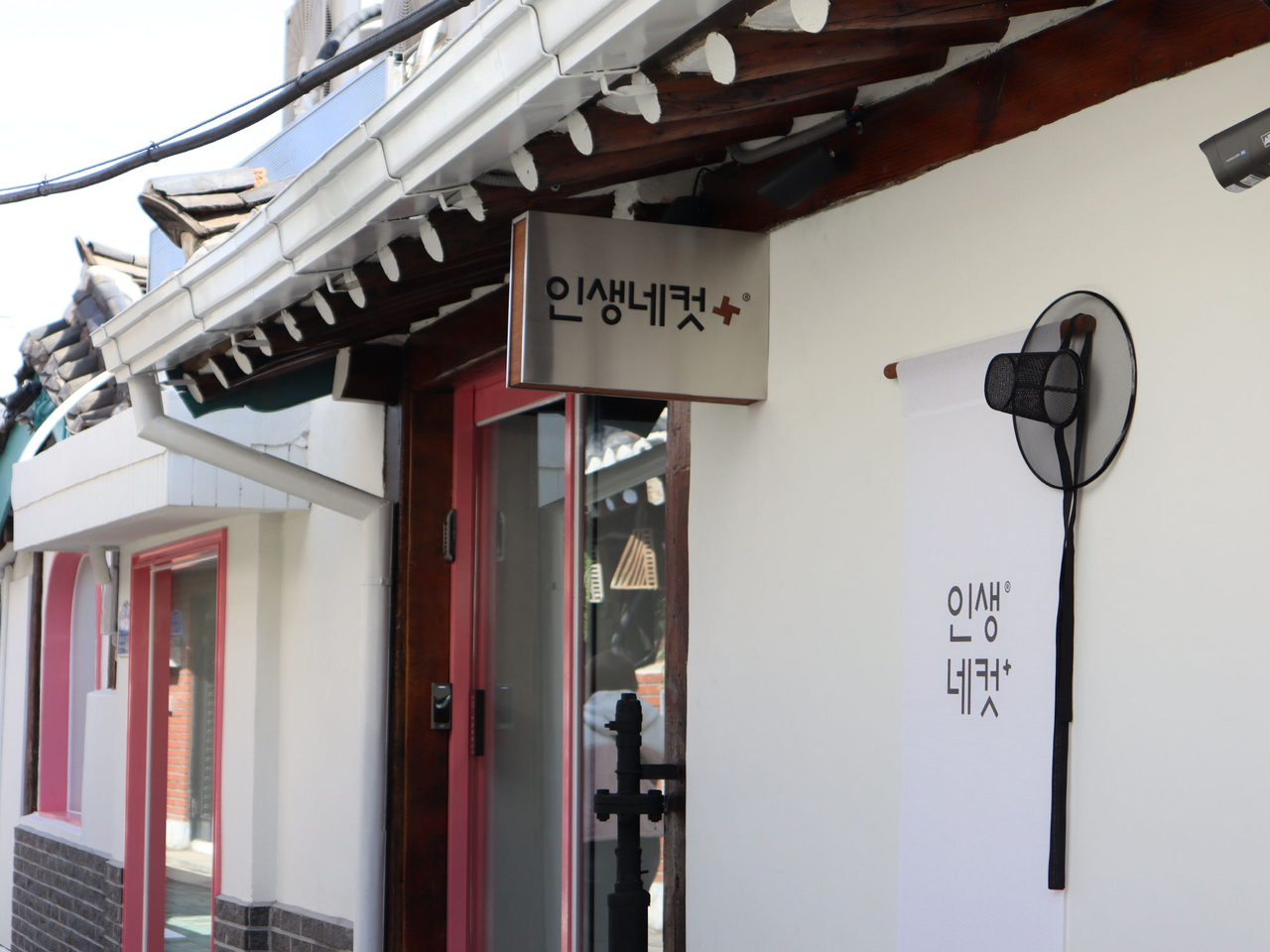
Life4cuts Korean self photo booth location in Ikseon-dong, Jongno-gu, central Seoul with themed backdrops

Korean Photo Booth Culture: Inside the Life4cuts and Photoism Craze

Hyunwoo Cho

Table of Contents

Walk down a side street in Hongdae, Seongsu-dong, or Gangnam after dark and you will pass a glowing storefront filled with mirrors, ring lights, and short lines of friends in matching outfits. These are Korea's self photo studios, known locally as insaeng necut (인생네컷), or "life's four cuts." Once a Y2K throwback, they have become a defining Gen Z ritual that turns a five minute stop into a printed memory.

Life4cuts Korean self photo booth location in Ikseon-dong with themed studio sets and ring lights
Life4cuts opened a new location in Ikseon-dong, central Seoul, with themed studio sets. | Source: Korea Herald

What Is Life4cuts and the Four Cut Photo

The format is simple. You step into a small unmanned studio, pose for a one minute countdown, choose your favorite four shots from eight to ten frames, and the machine prints two paper strips while a QR code unlocks the digital files and a short video clip. Two strips at Life4cuts cost 4,000 won (about $2.91), with four copies for 8,000 won and six prints for 12,000 won, according to The Korea Herald.

The name itself comes from the phrase insaeng sajin, meaning "the photo of your life," combined with necut, meaning "four frames." Life Four Cuts was the first brand to popularize the format in 2017 in Daegu, and its name has since become a generic shorthand for any Korean photo booth.

The Photo Booth Boom

Korea's self photo studio segment is now a major lifestyle industry. Life Four Cuts reports more than 120 million visits since 2017 and runs around 410 stores in Korea, according to figures shared with The Korea Herald, and the brand estimates about 2 million people visit its studios every month. Foreign demand has spiked too. Shinhan Card data cited by The Korea Times shows credit card transactions by foreign tourists at instant photo booths such as Life4cuts jumped 65 percent year on year between January and July 2025.

The trend has also gone global. Korean operators have opened locations in Japan, the United States, Canada, Singapore, the United Kingdom, and the Philippines, while regional rivals in Indonesia and Hong Kong have built on the same model.

Life4cuts photo booth storefront in Hongdae, western Seoul, with bright signage and entry queue
A Life4cuts store in Hongdae, western Seoul, the brand's most visited neighborhood. | Source: Korea Herald

Popular Brands and How They Differ

Life Four Cuts leads the market, but Korea's photo booth scene is crowded with rivals. Photoism focuses on celebrity and idol collaborations and operates flagship Photoism Box stores that double as fan experiences. Harupict and Photo Signature lean into trendy, monthly rotating frame designs. Photogray and Photo Object are favorites in Anguk-dong and Seongsu-dong for cooler, more editorial filters. Mong Photo and newer brands like Don't Look Up, Movement, and Fotoccino target specific neighborhoods with niche themes such as upward angles, retro film looks, or graduation frames.

The differences are usually small but matter to regulars: skin smoothing strength, color grading, frame template variety, available accessories, and which idol or character collaborations are live that week.

How to Take Korean Photo Booth Photos

The basic flow is the same at almost every brand. Pay at the kiosk, pick a frame from black and white classic to a celebrity edition, grab a basket of free props such as headbands, sunglasses, and signs, and head inside. A voice counts down before each shot, with about ten seconds to switch poses between frames. After the shoot you flip through previews on a touchscreen, pick your four favorites, and the machine prints two strips while you scan a QR code for digital copies.

Group poses are part of the fun. Korean Gen Z favorites include the heart finger frame, the side hug, the surprised "jaw drop," the V sign stack with hands at different heights, and the classic Hongdae jump shot. Most booths apply a default beauty filter, which Korea Herald interviewee Ha Yoo-ra called "cost friendly" for college students because the lighting and retouching are built in.

K-pop Fan Culture and Celebrity Frames

The single biggest driver of repeat visits is the idol frame. Brands rotate limited edition photo frames that drop a celebrity image into one of the four panels, so fans can print a strip that looks like they posed next to their favorite artist. Photoism has run frames featuring IU, Yoshi of Treasure, BTS, Stray Kids, actor Byeon Woo-seok, ENHYPEN, NMIXX, Xikers, and even the Korean national football team. During KBO season, Photoism also runs baseball frames covering players from all 10 league teams.

Actor Byeon Woo-seok holds up a four cut photo strip taken with his own celebrity themed frame
Actor Byeon Woo-seok shares a four cut photo taken with his own celebrity frame, a viral moment for the booths. | Source: Korea Times

For fans, the printed strip becomes a kind of unofficial photocard. Park Jun-seo, an ENHYPEN fan quoted by Korea Herald, said the appeal was not how pretty the photo looked but "the fact that I printed a photo of me standing next to my favorite singer." That FOMO drives repeat visits as new frames drop weekly.

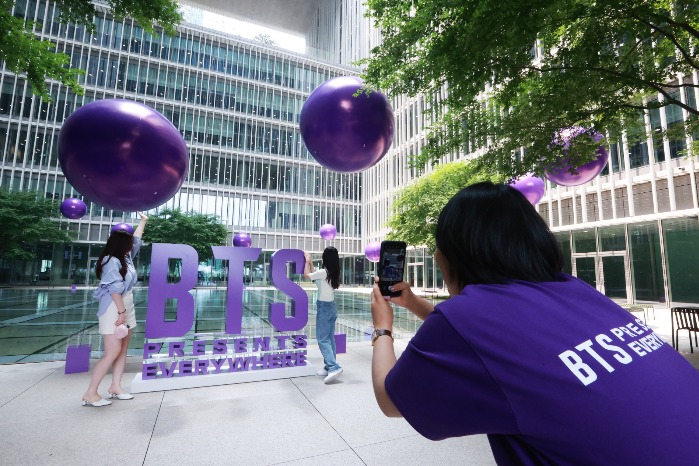
Photoism instant photo booth set up inside the Amorepacific headquarters for the 2023 BTS Festa fan event
A Photoism booth installed for the 2023 BTS Festa at Amorepacific HQ, an example of brand and fan collaborations. | Source: KED Global

Where to Find Photo Booths in Seoul

Almost every busy commercial street in Seoul has at least one booth, but a few neighborhoods stand out. Hongdae is the densest cluster, with Life4cuts, Photoism, Photo Signature, Harupict, and many independents lining the side streets near Hongik University Station. Seongsu-dong has become the trendy choice, with photo studios like Photo Object tucked between pop up stores. Hapjeong and Yeonnam-dong cater to a slightly older, more design conscious crowd, while Gangnam and Sinchon are convenient for tourists staying in central hotels. Myeongdong, Ikseon-dong, and Anguk-dong all host flagship branches that often debut new frames first.

Hongdae R2 busking and shopping street in Seoul lined with cafes shops and self photo studios
The Hongdae R2 area near Hongik University Station is packed with self photo studios and street performers. | Source: Visit Seoul

Modern Photo Booth Cafes and Hybrid Spaces

The newest evolution is the photo booth cafe, where customers sip drinks between shoots. Photoism Box flagship stores combine multiple booths under one roof with curated soundtracks, props, and fan merchandise tied to current idol promotions. Some indie operators in Yeonnamdong and Ikseon-dong style their interiors like Y2K bedrooms or analog film labs, turning the studio itself into part of the photo. Pop up collaborations with cosmetics brands, dramas, and webtoons are common, and limited frames sometimes only run for two to four weeks.

Tips for Tourists

Photo booths are tourist friendly. Most kiosks include English, Japanese, and Chinese instructions, and all major brands accept credit and debit cards. Bring small groups of two to four people for the best frame composition, and arrive a little early in popular Hongdae spots on Friday and Saturday nights when waits can stretch past 20 minutes. If you are chasing an idol frame, check the brand's official Instagram first to confirm the collaboration is still live and which branches stock it. Save the QR code on your phone right after printing because most digital downloads expire within seven days.

Explore More of Korea with Daebak

Want to bring a little piece of Korea into your life? The Daebak Box is packed with the best Korean snacks, ramen, and cultural goodies delivered monthly to your door.

ブログに戻る