


Table of Contents
Korean fashion has gone from cult niche to one of the most influential aesthetics on the planet. Whether it is the oversized silhouettes you see on Seoul streets, the polished minimalism in editorial spreads, or the head turning looks K-pop idols wear at Paris Fashion Week, K-fashion now sits squarely inside the global conversation. This guide walks you through what makes Korean street fashion unique, the designers and shopping districts driving it, and how to shop the look yourself.
The Global Rise of Korean Fashion
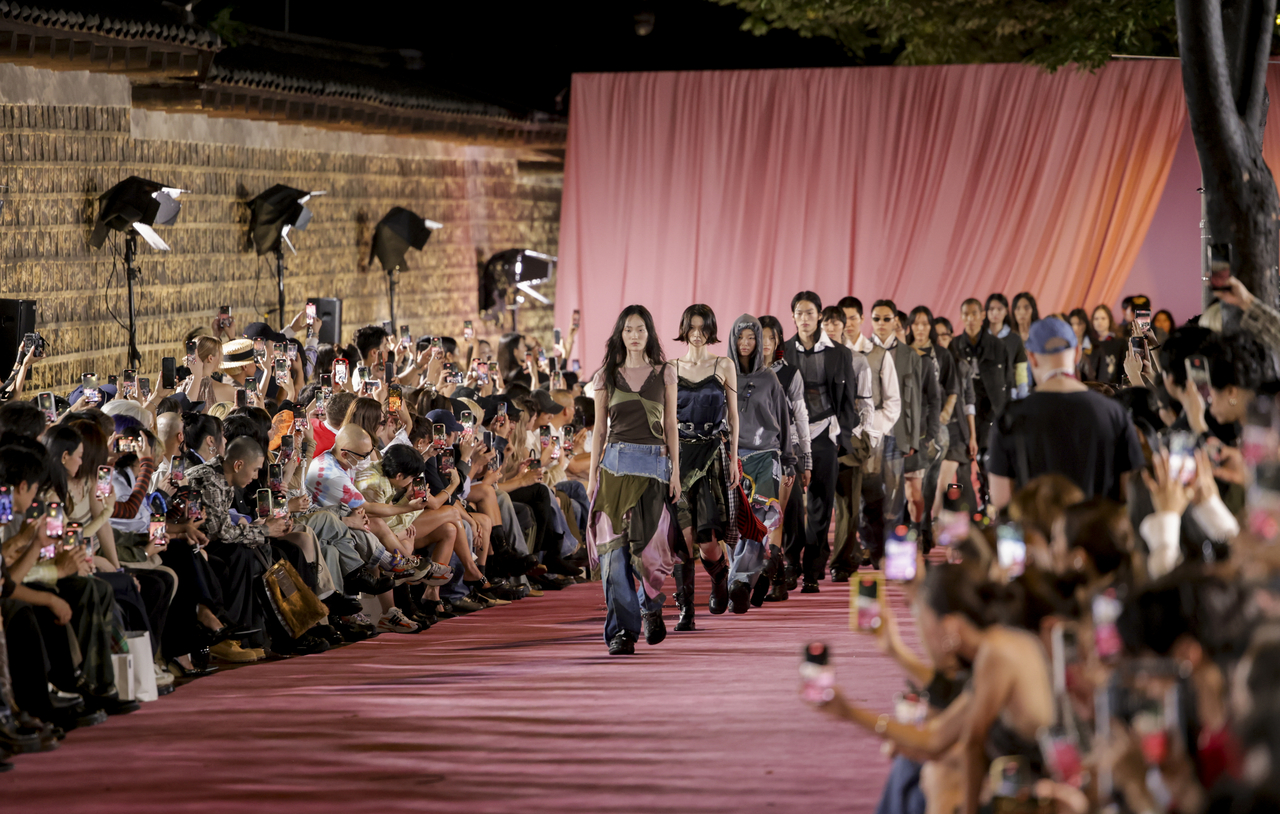
K-fashion is no longer described as emerging. It is a category in its own right, sitting next to K-pop and K-drama as a pillar of the Hallyu wave. Korean brands are opening flagship stores in Paris, Shanghai and Tokyo. Department store buyers from more than 25 countries now travel to Seoul Fashion Week to scout the next breakout label, and major luxury houses recruit Korean idols as their faces. As Loewe Korea president Jorn Zempel put it at the Seoul Fashion Forum, K-fashion is poised to be the next global chapter in Korea's creative influence, dressing the world and connecting with it at the same time.
Signature Characteristics of Korean Street Fashion
Korean street style has a recognizable visual grammar. Oversized fits dominate, with boxy blazers, slouchy trousers, balloon sleeves and roomy outerwear cut to feel relaxed but considered. Layered styling is central, mixing long shirts under cropped vests, sheer slips under tailored jackets, and tonal knits stacked over collared shirts. Minimalist neutrals like cream, beige, taupe and black anchor most looks, with sharp colorblocking used as accents instead of full looks. Modernized hanbok elements, think wrap fronts, ribbon ties and structured shoulder lines, are appearing more often in everyday wear, especially among younger designers exploring Korean heritage.

Major Korean Designer Brands to Know
A handful of homegrown labels lead the charge globally. Andersson Bell, run by designer Kim Do-hoon, blends Scandinavian minimalism with Korean craft and recently opened Seoul Fashion Week 2026 S/S on the historic Deoksugung-gil. Ader Error is widely credited with shaping the genderless, slightly off kilter streetwear aesthetic that became global shorthand for Seoul cool. IISE bridges American sportswear and Korean heritage with elevated unisex outerwear. Wooyoungmi, founded in 2002, is one of the first Korean houses to show on the Paris Men's Fashion Week schedule. Juun.J reworks classic menswear with dramatic, oversized silhouettes, and Hyein Seo brings a sharp, subcultural edge that has been worn by Rihanna and Beyonce. Together they explain why buyers now talk about Seoul in the same breath as Paris, Milan and Tokyo.
K-pop Idol Fashion and Its Global Influence
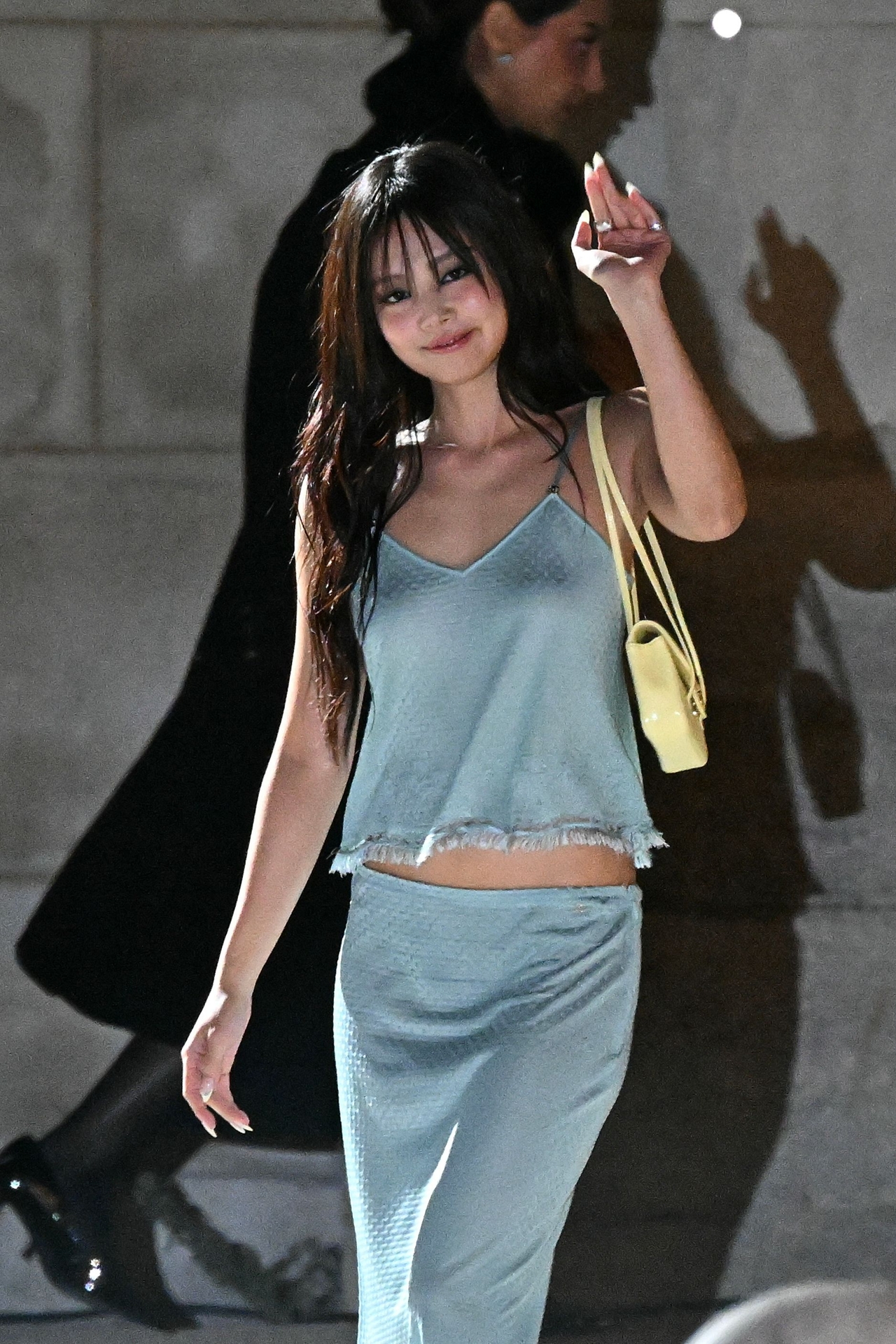
K-pop has become the most powerful marketing engine in fashion. BTS turned the boxy varsity jacket and oversized suiting into a worldwide moment. BLACKPINK's members hold ambassador deals with Chanel, Celine, Dior and Cartier, and Jennie's appearance at the Chanel 2026 S/S show in Paris regularly trends globally. Lisa has been the face of Louis Vuitton women's wear since mid 2024, while NewJeans helped revive Y2K denim, low rise tailoring and prep core for Gen Z, with member Hanni serving as Gucci's global ambassador. Every red carpet, music show stage and airport arrival now functions like a runway, with idol fits dissected in real time on social media and pushed instantly into mainstream trends.
Seoul Fashion Week: The Industry's Showcase
Held every spring and fall, Seoul Fashion Week is centered at Dongdaemun Design Plaza (DDP), the Zaha Hadid designed landmark that anchors Korea's fashion industry. The 2026 S/S edition expanded beyond DDP for the first time, with Andersson Bell staging the opening show on Deoksugung-gil and additional runways at Heungcheonsa Temple and the Oil Tank Culture Park. The week typically features 15 to 19 runway shows, presentations, and a trade exhibition with more than 70 brands. Designers like LIE, Munn, MMAM and AJOBYAJO use the week to introduce new directions to a global buyer audience, while initiatives like the Seoul Fashion Forum bring in heavyweights such as WWD and Lotte Department Store to map K-fashion's next moves.
Modernized Hanbok: Heritage Reimagined
Modern hanbok has become one of the most exciting strands of contemporary K-fashion. Brands like Leesle (Hwang Yi-seul), Seodamhwa, Guiroe and Hanbok Studio Hyeon translate the structure and lines of traditional Korean dress into pieces that are wearable on the street. Designer Lee Young-hee pioneered the movement decades ago when she showed her "Clothes of Wind" pret-a-porter collection in Paris in 1993. Today, brands styled by Korean actor Kim Tae-ri and figure skating champion Kim Yuna lead a wave of designers who treat hanbok as a living, evolving wardrobe rather than a costume.

Where to Shop K-Fashion in Seoul
Each Seoul neighborhood has its own fashion personality. Dongdaemun is the epicenter of Korea's fashion industry, with more than 30,000 fashion shops across complexes like Doota, Migliore and Hello apM that stay open deep into the night. Garosu-gil in Sinsa-dong is lined with designer boutiques, concept stores and flagship cafes, perfect for a stylish afternoon. Hongdae caters to younger, indie streetwear lovers, with vintage shops, sneaker boutiques and emerging brand pop-ups. Seongsu-dong, often called the Brooklyn of Seoul, has overtaken Gangnam as the trend epicenter, with constantly rotating pop-ups, brand flagships and concept stores along Yeonmujang-gil. If you prefer to shop from home, online platforms Musinsa and W Concept remain the two biggest K-fashion marketplaces, stocking everything from indie brands to global K-fashion exports.
K-Fashion Accessories: Eyewear, Bags and Shoes
Korean accessories punch well above their weight. Gentle Monster reinvented eyewear retail with sculptural store concepts and futuristic frames that became must haves for K-pop idols and Western celebrities alike. Tamburins, Gentle Monster's sister brand, did the same for beauty and bag accessories. Shoe labels like Suecomma Bonnie and bag brands like Find Kapoor and Marhen.J round out the accessories scene, while Korean jewelry brands such as Numbering and Hei bring the same minimalist refinement to silver and gold pieces. Together, these labels demonstrate that K-fashion is a complete head to toe wardrobe, not just clothing.
Iconic K-Fashion Trends by Year
Each year produces its own signature look. The late 2010s belonged to athleisure with logo heavy hoodies, Ader Error level streetwear, and chunky dad sneakers. The early 2020s pivoted to soft, oversized blazers, balloon trousers and "old money quiet luxury" inspired by Jennie. In 2024 and 2025, NewJeans pushed a wave of nostalgic Y2K dressing, low rise denim, baby tees and ballet flats, alongside a return to prep core with cardigans, pleated mini skirts and varsity jackets. The fall winter 2026 Seoul Fashion Week season has pointed toward reconstructed military tailoring, pajama soft layering and material innovation, with brands like Munn knitting sweaters from recycled paper and weaving bustiers from rubber bands. The constant across every year is a love of contrasts, comfort with polish, heritage with experimentation, individuality with cohesion.
Explore More of Korea with Daebak
Want to bring a little piece of Korea into your life? The Daebak Box is packed with the best Korean snacks, ramen, and cultural goodies delivered monthly to your door.


