


Table of Contents
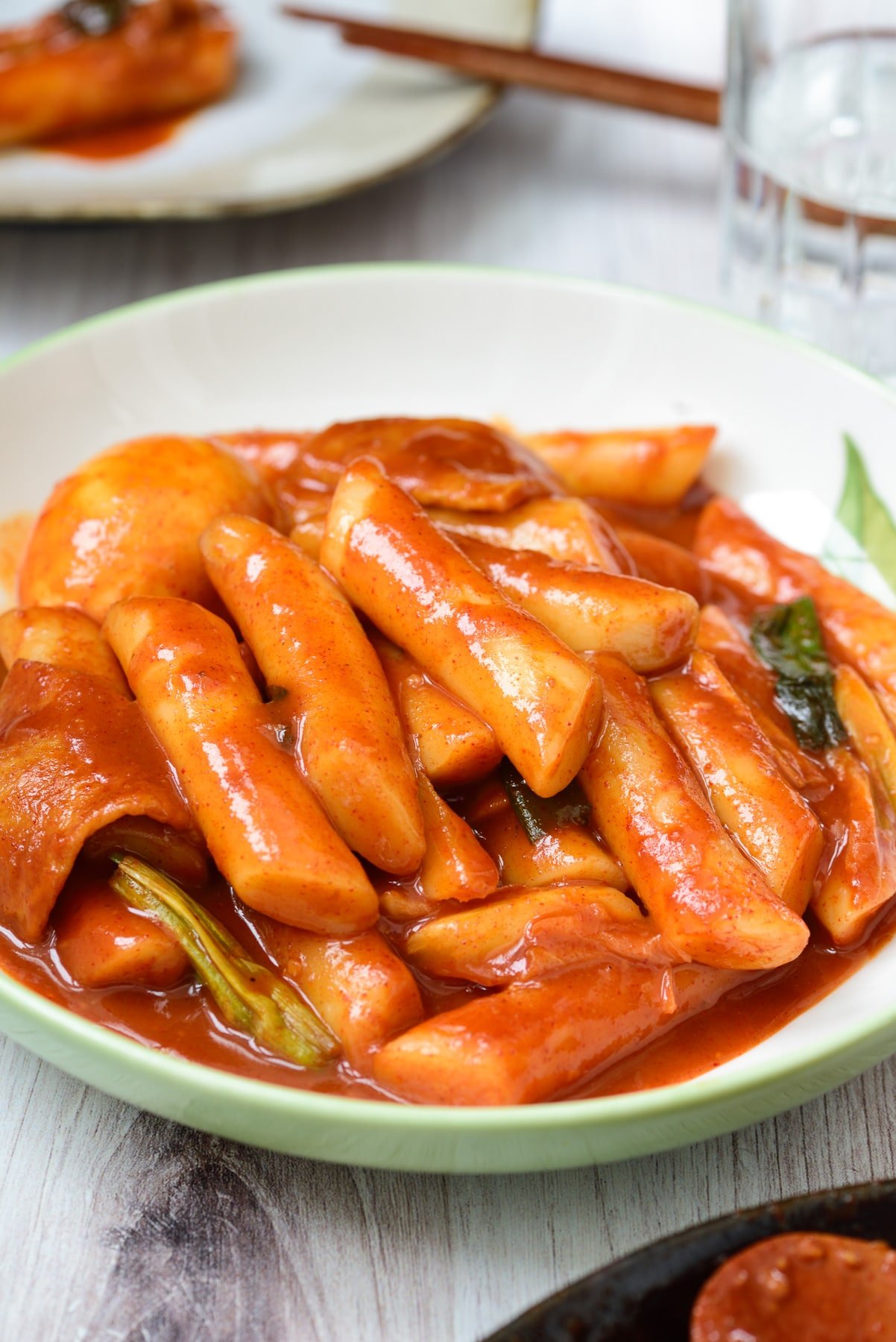
Few foods capture the spirit of Korean street food culture quite like tteokbokki. Chewy, cylindrical rice cakes (garaetteok) simmered in a glossy, sweet, and fiery gochujang-based sauce, this dish has been a staple of Korean pojangmacha (street food stalls) and school snack bars for generations. Simple in concept yet deeply satisfying, tteokbokki is one of those dishes that, once you try it, you will crave forever.
What Is Tteokbokki?
The name breaks down simply: tteok (떡) means rice cake, and bokki (볶이) means stir-fried. The rice cakes used are garaetteok, long white cylinders cut into bite-sized pieces that have a satisfying, bouncy chew unlike anything else. The sauce is typically a combination of gochujang (fermented chili paste), gochugaru (chili flakes), sugar, soy sauce, and anchovy or kelp broth for depth. The result is a sauce that is simultaneously spicy, sweet, umami-rich, and slightly sticky, coating every rice cake in a thin lacquer of flavor.
The History of Tteokbokki
Tteokbokki has ancient roots, though its spicy red form is relatively modern. The original royal court version, known as gungjung tteokbokki, was a soy sauce-based stir-fry with beef, vegetables, and mushrooms enjoyed by Joseon Dynasty royalty. The red, gochujang-sauced version that Koreans love today only emerged in the 1950s, attributed to a street food vendor named Ma Bok-rim in Seoul's Sindang-dong neighborhood who began coating rice cakes in the fiery paste. By the 1970s and 80s, tteokbokki had spread to every pojangmacha and school snack bar in the country, becoming one of Korea's most beloved comfort foods.
Classic Tteokbokki Ingredients
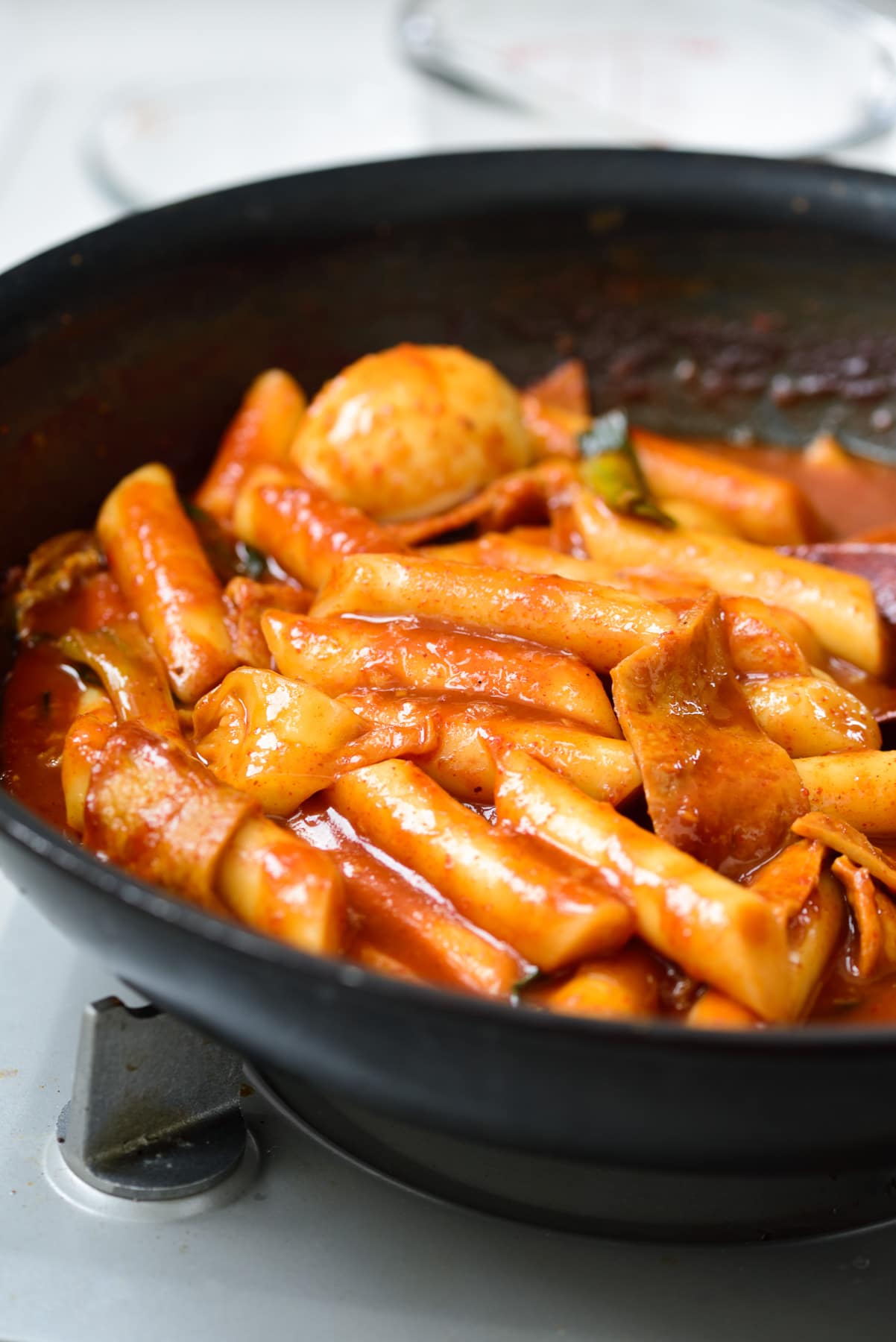
The base of tteokbokki is simple: rice cakes, gochujang sauce, and broth. But the classic version almost always includes eomuk (fish cake), which absorbs the sauce beautifully and adds a soft, silky counterpoint to the chewy rice cakes. Boiled eggs are another beloved addition, soaking up the spicy-sweet sauce as they cook. Scallions are added at the end for color and freshness. More elaborate versions add ramen noodles (ramen tteokbokki), rice balls, or even cheese for a creamy, melty finish.
Popular Tteokbokki Variations
Modern tteokbokki has evolved far beyond its simple street food origins. Gungjung tteokbokki is the non-spicy royal court version, lightly soy-sauced and savory, perfect for those who cannot take heat. Rosetteokbokki (rose tteokbokki) is a viral favorite that mixes heavy cream into the gochujang sauce for a pink, silky, mildly spicy result. Seafood tteokbokki adds shrimp, squid, and mussels for a briny depth. Cheese tteokbokki, with mozzarella pulled dramatically over the top, has become a modern staple especially popular with younger Koreans. Each version keeps the soul of the dish intact while bringing something new.
How to Make Tteokbokki at Home
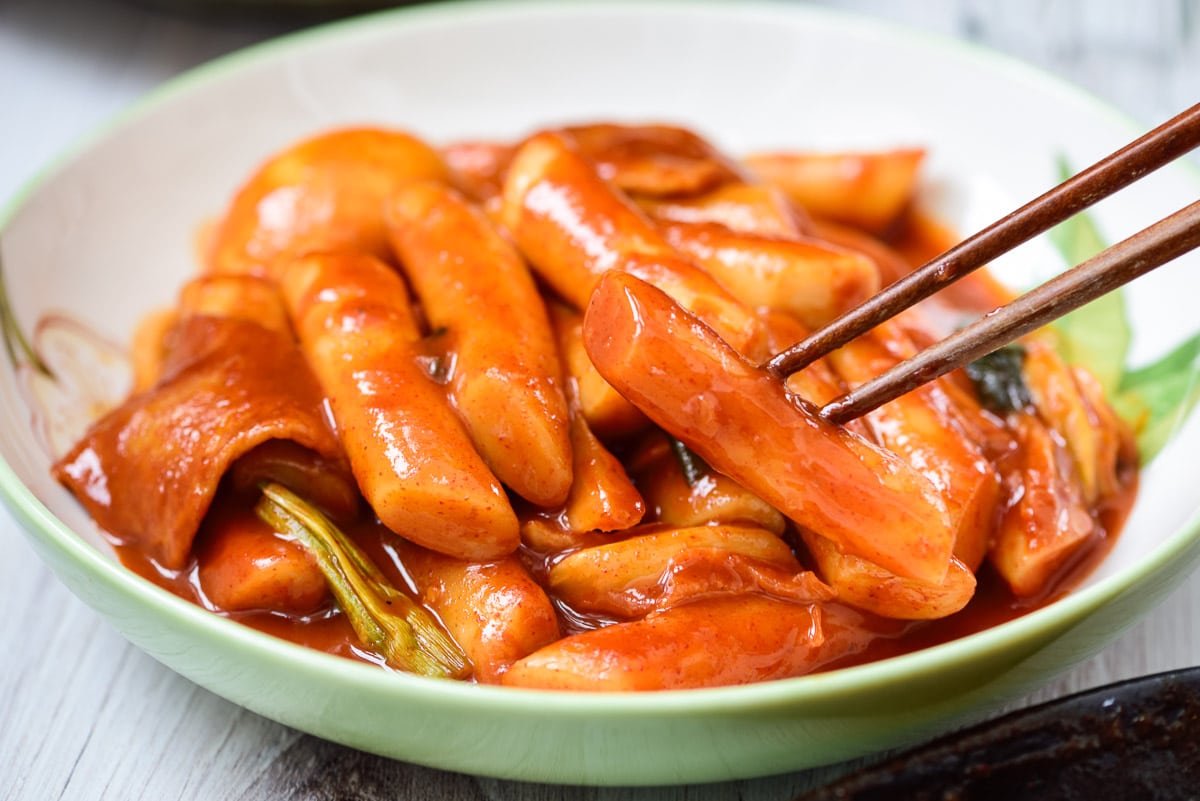
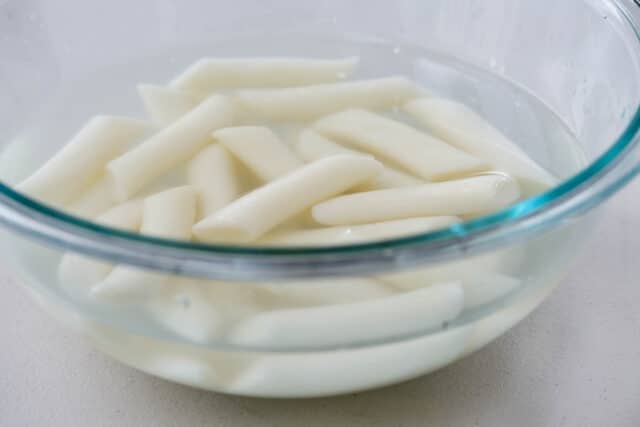
Making tteokbokki at home is surprisingly easy. Start by making a simple anchovy or kelp broth. Dissolve gochujang, gochugaru, sugar, and soy sauce into the broth to create the sauce. Add the rice cakes and fish cake to the pan, bring to a simmer, and cook for 8-10 minutes, stirring regularly, until the sauce thickens and the rice cakes become tender and chewy. Add boiled eggs and scallions at the end. The key is to keep stirring so the sauce reduces evenly and coats everything in that gorgeous sticky glaze. Fresh rice cakes work best, but vacuum-packed ones soaked in water for 30 minutes work well too.
Explore Korean Snacks with Daebak
Love Korean food? Get authentic Korean snacks and ramen delivered straight to your door with the SnackFever Box by Daebak.


