


Table of Contents
Korean-Caribbean fusion is one of those niche pockets of American food that most people missed happening in real time, but it has been quietly shaping the NYC and LA restaurant scene for over a decade now. I've been tracking Hallyu cross-pollination in food for years, and this specific mash-up, 한식 퓨전 (hansik fusion) crossed with Jamaican jerk, Bahamian conch, and Trinidadian callaloo, has a lot more structural logic than the surface pitch suggests. It is not a costume. It is a shared heat profile, a shared fermentation instinct, and a shared 디아스포라 (diaspora) map inside two hours of subway on either coast.

Why 고추장 and Jerk Share the Same Heat Profile
Here is the part food media keeps missing. Jamaican jerk is not just heat, it is fermented, aged, layered heat, Scotch bonnet, pimento berry, thyme, scallion, and the wet smoke of pimento wood. 고추장 (gochujang) is fermented too, and gochugaru (the flakes inside kimchi paste) has that same deep, slightly fruity chili base rather than a raw capsaicin punch. That is why a Brooklyn kitchen glazing jerk chicken with gochujang is not a stretch. It is the same flavor family shaking hands. The Korea Herald reported jang exports jumped nearly tenfold from 2010 to 2023, with gochujang the top seller at $62 million a year, precisely because Western chefs finally read the label and figured out it slots exactly where their hot sauce and BBQ rub used to sit.
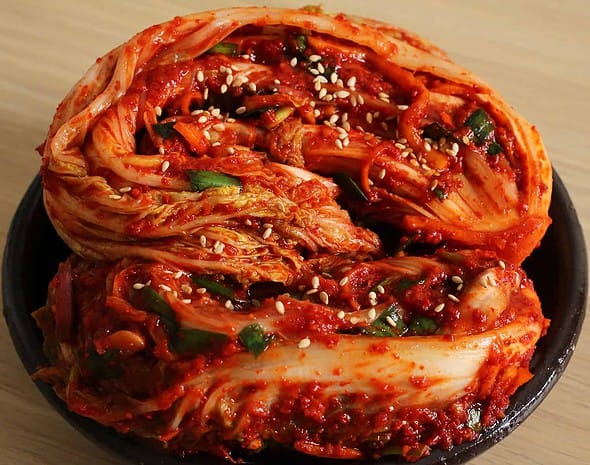
Roy Choi's Kogi Truck Broke the Ceiling in 2008
None of the current Korean-Caribbean menus happen without Roy Choi. In 2008, Choi and partners rolled out a taco truck in LA that put marinated 불고기 (bulgogi) short rib into a corn tortilla with kimchi salsa, and within eighteen months it was a case study at business schools. What Kogi actually proved was structural, not just culinary. It proved a diaspora chef could take one non-Korean vehicle (the taco), keep the Korean flavor spine intact, and pull a line of two hundred people at 11 pm on a Tuesday. Food and Wine named Choi Best New Chef in 2010, the first food-truck operator to ever get that call. Every Korean-jerk, Korean-Trinidadian, Korean-Bahamian mash-up you see today, from Brooklyn pop-ups to Queens ghost kitchens, is running the Kogi playbook whether the chef credits it or not.
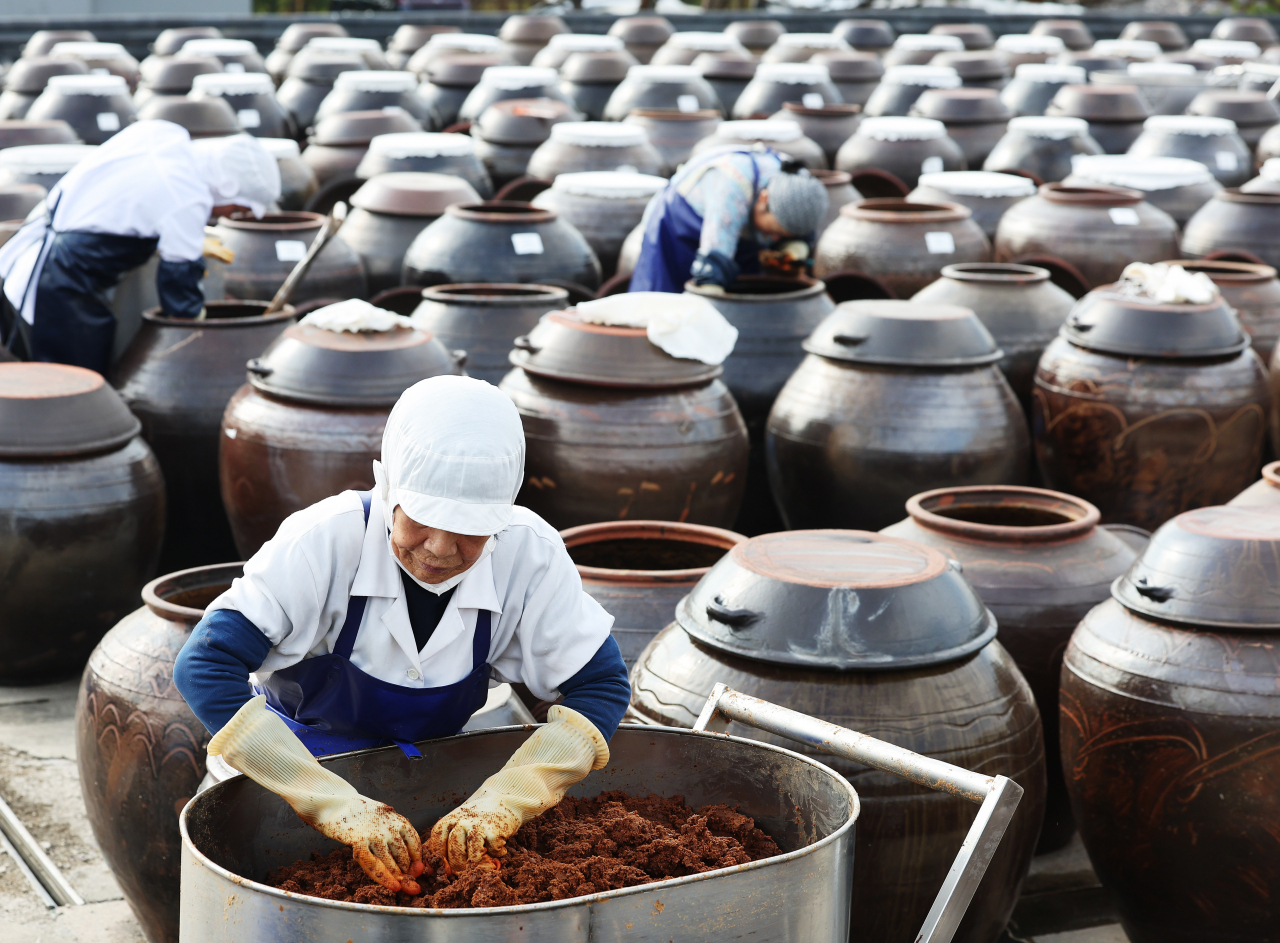
The 김치 Meets Callaloo Move Is Actually a Real Estate Story
What most food coverage misses is that Korean-Caribbean fusion in New York is not a chef's whim, it is a demographic map. Brooklyn's Flatbush and East Flatbush and the Bronx house some of the densest Caribbean populations in the country. Queens (Flushing, Bayside, Sunnyside) has one of the densest Korean populations in North America. In between sit Prospect Heights, Bed-Stuy, and Long Island City where second-generation Koreans and second-generation Jamaicans, Trinidadians, and Bahamians grew up in the same public schools. That is why the callaloo-김치 stew, the jerk 김밥 (kimbap), the ackee and doenjang breakfast at pop-ups are not stunt menu items. They are what those chefs actually grew up eating at their friends' houses. Roughly two million people from those two 디아스포라 communities live inside a forty-minute subway ride of each other. That is a real customer base, not a hypothesis.
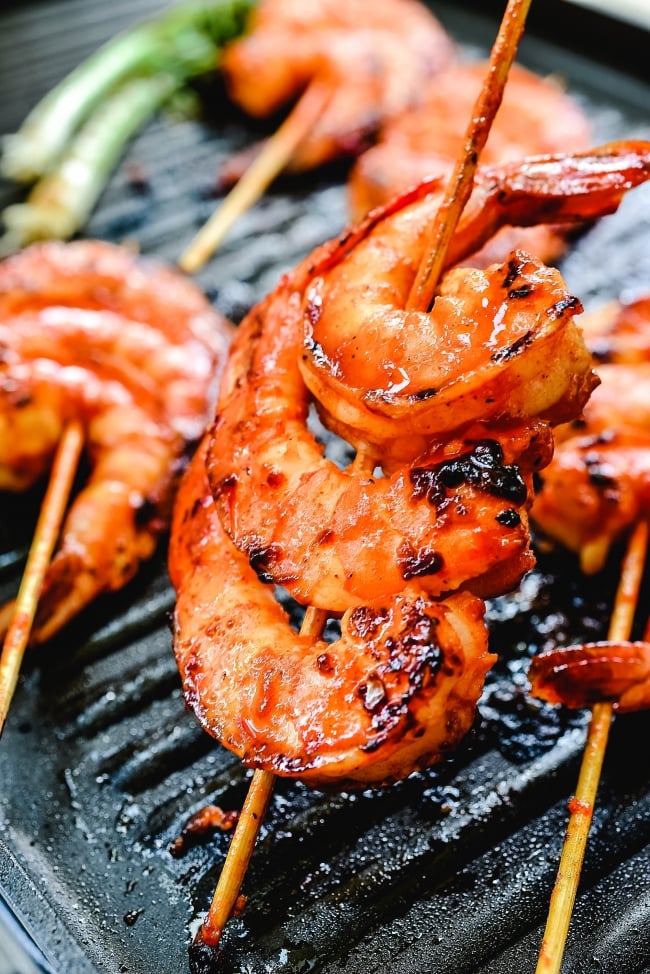
What 한식 퓨전 Menus Actually Charge (the 30 to 40 Percent Premium)
The pricing math is genuinely interesting and mostly under-discussed. A straight Korean BBQ plate in Manhattan runs $28 to $34. A straight jerk chicken plate at a Flatbush counter runs $16 to $22. But a Korean-Caribbean fusion plate, jerk galbi, gochujang oxtail, coconut-doenjang stew, sits at $32 to $42, a solid 30 to 40 percent premium over either single-cuisine baseline. Customers pay it and the restaurants sustain it. Why? Because fusion reads to the diner as chef-driven, seasonal, and city-specific rather than neighborhood grub, so the whole check average shifts up (drinks, apps, dessert follow). Restaurant investor decks in New York casual dining flag Korean fusion as one of the top-performing check-average categories. That is the actual reason a chef opens a Korean-Trinidadian counter instead of a straight bibimbap counter. The unit economics are just better.
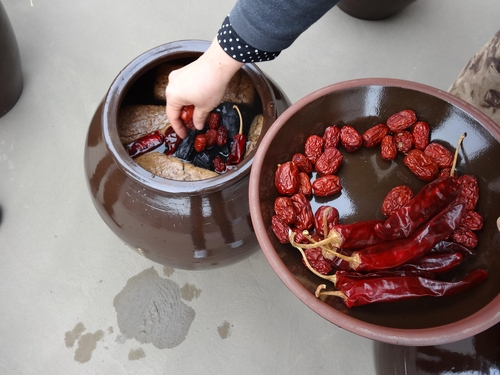
Where 고추장 Fusion Goes Next
The Squid Game and KPop Demon Hunters spillover matters here too, in a way food critics tend to skip. When Netflix ships Korean cultural content into Kingston, Nassau, and Port of Spain households at the same rate it ships into Los Angeles ones, the appetite for 한식 flavors shows up in Caribbean-American home kitchens with basically no lag. What comes next is not more jerk-gochujang glaze, that's already the easy dish. The interesting next move is fermented-on-fermented: sorrel-brined kimchi, coconut-cream 순두부 (sundubu), tamarind-doenjang glaze, ackee-and-mackerel bibimbap done at a Brooklyn banchan counter. That is the Kogi lesson applied properly, keep the Korean fermentation spine, swap the produce, and let the local grocery aisle do the work. If you want to see where American food is actually heading in the back half of the 2020s, this small, mostly under-covered corner of the menu is where I would spend my nights out.
Explore Korean Snacks with Daebak
Love Korean food? Get authentic Korean snacks and ramen delivered straight to your door with the SnackFever Box by Daebak.


