

Table of Contents
Here is what most Seoul travel guides get wrong about the Korean 브런치 (brunch) scene. They treat it as a Western import that Koreans happened to adopt, and that framing misses the whole story. Brunch in Seoul is a domestic product with its own economics, its own weekend ritual, and a specific class of 20-to-30-something Korean women who built the demand curve almost single-handedly between 2010 and 2015. Bimbom, the small egg-forward eatery that co-owners Sim Ka-young and Kim Tae-kyung opened in 한남동 (Hannam-dong) in 2011 before moving up the hill to 경리단길 (Gyeongnidan-gil) in 이태원 (Itaewon), is one of the original texts of that scene. I have watched Korean cafe categories rise and gentrify for over a decade, and Bimbom is one of the rare early operators that survived because the food was actually good, not because the interior was Instagrammable.
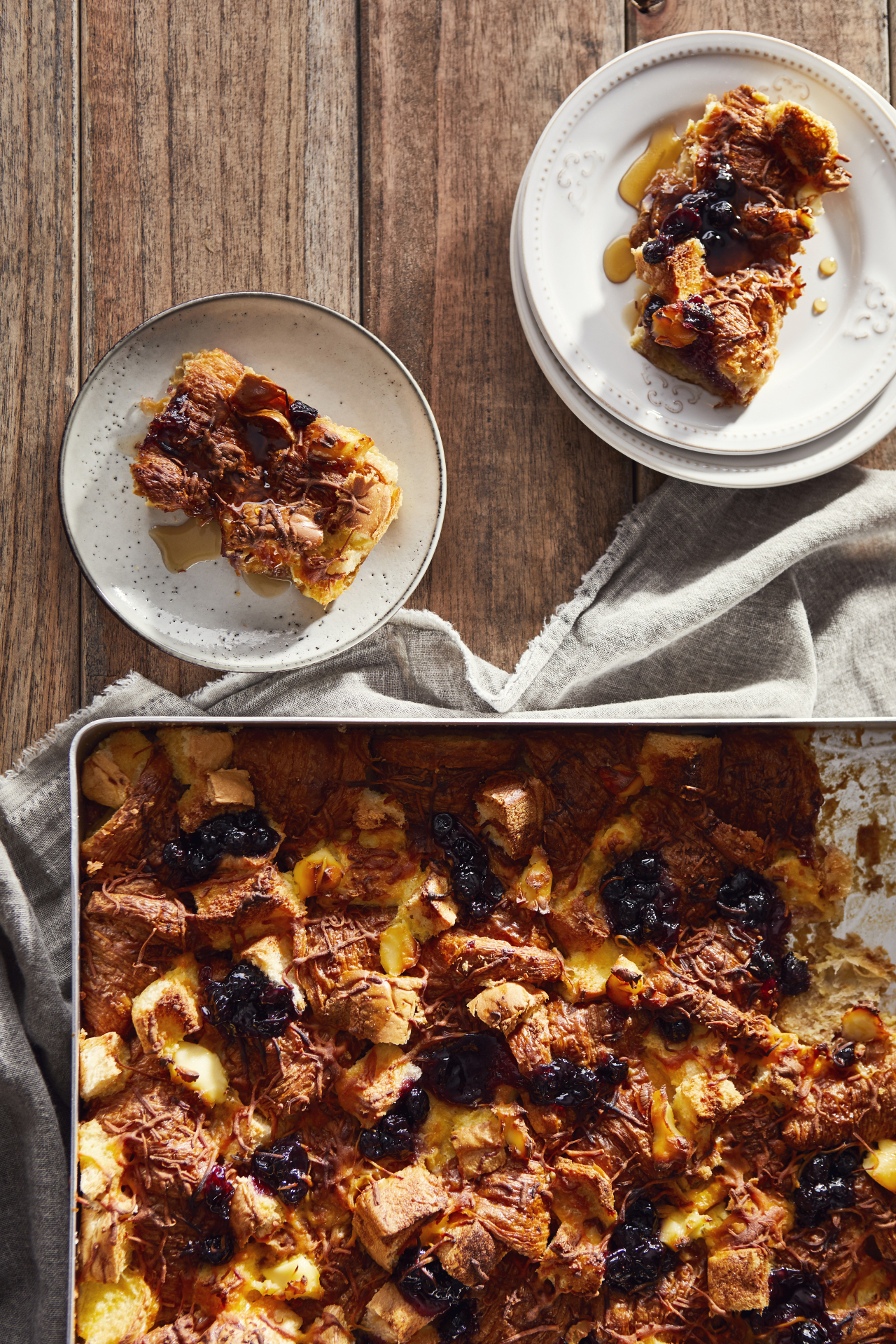
The couple opened in 한남동 back when that neighborhood was still mostly embassies and quiet residential blocks, well before the Comme des Garcons flagship and the Leeum Museum drew a fashion crowd. Then they moved the store up 회나무로 (Hoenamu-ro), the actual name of the street the world now calls Gyeongnidan-gil, when the ridge above Noksapyeong Station was just starting to fill with craft-beer bars and expat-run kitchens. In July 2017 they opened a second outlet near Seoul Forest in 성수동 (Seongsu-dong). Three neighborhoods, three inflection points in Seoul's cafe geography, and Bimbom was there for all of them. That timing is not a coincidence. Sim and Kim have a real read on where creative-class Koreans want to eat on a Saturday.
Why the Gyeongnidan-gil Address Actually Matters
경리단 (Gyeongnidan) is a nickname derived from the Republic of Korea Armed Forces Financial Management Corps, the military office at the base of the hill. That military presence is why the neighborhood never went vertical: no big towers, small buildings, narrow uphill lanes, easy to walk, hard to park. When Korean food bloggers started tagging it around 2013, the neighborhood became the template for every other 리단길 (ridan-gil) that later followed. 용리단길 in Sinyongsan, 망리단길 in Mangwon-dong, 송리단길 in Songpa, plus roughly forty imitators nationwide including 해리단길 near Busan's Haeundae. All of them are copying the original Gyeongnidan-gil formula: walkable slope, small independent kitchens, foreign-owned bars, and a cafe density that lets you do a proper 카페 투어 (cafe tour) on foot in an afternoon.

Why does this context matter for the food? Because it tells you exactly who Bimbom is cooking for. The original Hannam and current Gyeongnidan customer base is fashion editors, gallery workers, US Army civilians from Yongsan Garrison across the underpass, plus the Korean women in their late 20s and early 30s who plan their weekends around 브런치 spots and post the results to Instagram. That crowd will not tolerate a mediocre poached egg, and it will pay 44,000 won for a proper multi-tiered brunch tray if the components hold up individually. That is the value equation Sim and Kim solved. Not fusion for the sake of fusion, not gochujang on everything, just carefully executed Western brunch classics with sourcing that a Hannam customer can respect.
The Three-Tiered Tray, the One Order That Matters
The signature order is a 세단 (three-tier) tasting tray, roughly 44,000 won, meant for two people and served with two drinks. The bottom layer is what the menu calls "before sunrise," a buckwheat crepe from Bongpyeong buckwheat topped with bacon, a sunny-side-up organic egg, and fresh greens. The waiter will tell you to roll it before you split it, and this is not optional advice, the crepe eats better rolled. The middle layer is two choices from a small rotating list: mushroom eggs Benedict, quiche lorraine, or the tomato meatball stew. The top layer is your bread pick, usually brioche French toast or carrot pancakes with butter. The whole thing arrives on a stacked metal stand that looks made for photographs because, honestly, it was.
Here is the insider read on why this format worked in a way that so many later imitators did not. Most Korean brunch cafes chase the multi-tier format because it photographs well, but they under-invest in the individual components. Bimbom does the opposite. The buckwheat is specifically from 봉평 (Bongpyeong), the town in Gangwon Province famous for its buckwheat festival in the fall, which means the crepe has actual grain flavor rather than a neutral wheat pancake taste. The eggs are organic. The romaine, potatoes, and carrots are organic. Sim listed those sourcing details on the blackboard on purpose, because a Hannam brunch customer reads blackboards. That kind of quiet signaling is how you build a decade of repeat business in a Seoul neighborhood where the median cafe lifespan is under three years.
The Egg Philosophy, and Why Sim Puts It First

If you ask Sim what defines her cooking, she will point at the egg before anything else. In her own words to the Korea Herald: "the most important ingredient for brunch is the egg, in order to whip up a good brunch one needs to know how to cook eggs in a variety of ways." That sounds obvious until you watch how many Seoul brunch places serve rubbery poached eggs, over-cooked scrambles, or eggs Benedict where the hollandaise has broken because the kitchen tried to hold it warm too long. Sim treats eggs as a technique problem, not an ingredient problem. She will tell you the freshness of the egg matters more than the skill of the cook when you are chasing soft scrambles or a round poached egg. That is a working chef's answer, not a food-content answer.
The Seoul Forest branch, which opened in July 2017, added two things you cannot get at the Gyeongnidan store. First, an "eggnolia" grain bowl, a pesto-tossed mix of quinoa and barley with fried chickpeas, pickled red beets, avocado, and a poached egg on top. Sim named it by fusing "egg" with "magnolia" to signal that she wanted the bowl to read as healthy without becoming a joyless bowl of leaves. Second, an eggs Benedict rebuild using dill-flecked salmon gravlax on cooked spinach and English muffin, then a hollandaise cut with basil pesto. The pesto move is the giveaway that Sim knows exactly what she is doing. Hollandaise on its own is heavy, and pesto adds an acidic green cut that keeps the whole plate from collapsing into butter fatigue. That is culinary judgment, not a menu-development spreadsheet.
The A la Carte Menu and the Lunch Half of Brunch
If the tasting tray is too much food, the a la carte side of the menu is genuinely deep. Tuscan eggs Benedict, spinach and prawn frittata, quiche lorraine, mushroom eggs Benedict as a single order, sweet and savory crepes, English muffins, French toast with seasonal fruit, and carrot pancakes are all standing options. Vegetarians actually eat well here, which is rare in Seoul cafes that put "vegetarian friendly" on the menu but only mean a Caesar salad without chicken. Watermelon salad, potato and radish soup, and a bolognese lasagna balance out the pasta side. Bolognese lasagna and a spaghetti prawn dish are the two most-ordered savory items on the lunch end of the day.
Here is the practical Seoul-brunch reality that most guides skip. A mid-tier Seoul brunch plate runs 15,000 to 25,000 won, weekend queues start around 11 a.m. and hold until roughly 2 p.m., and the good spots turn tables two to three times during that peak. Bimbom has been known to run out of ingredients on busy Saturdays and turn late arrivals away, which is a common enough problem at the top of the Seoul brunch pyramid that regulars build the risk into their day. If you want the three-tier tray, get there on the earlier side, especially on weekends and holidays when the store opens at 9 a.m. Weekdays are more forgiving, opening at 10 a.m. and staying open until 6 p.m. In Seoul brunch culture, arriving before the crowd is a form of respect for the kitchen.
Bimbom in the Longer Arc of Seoul's Brunch Story
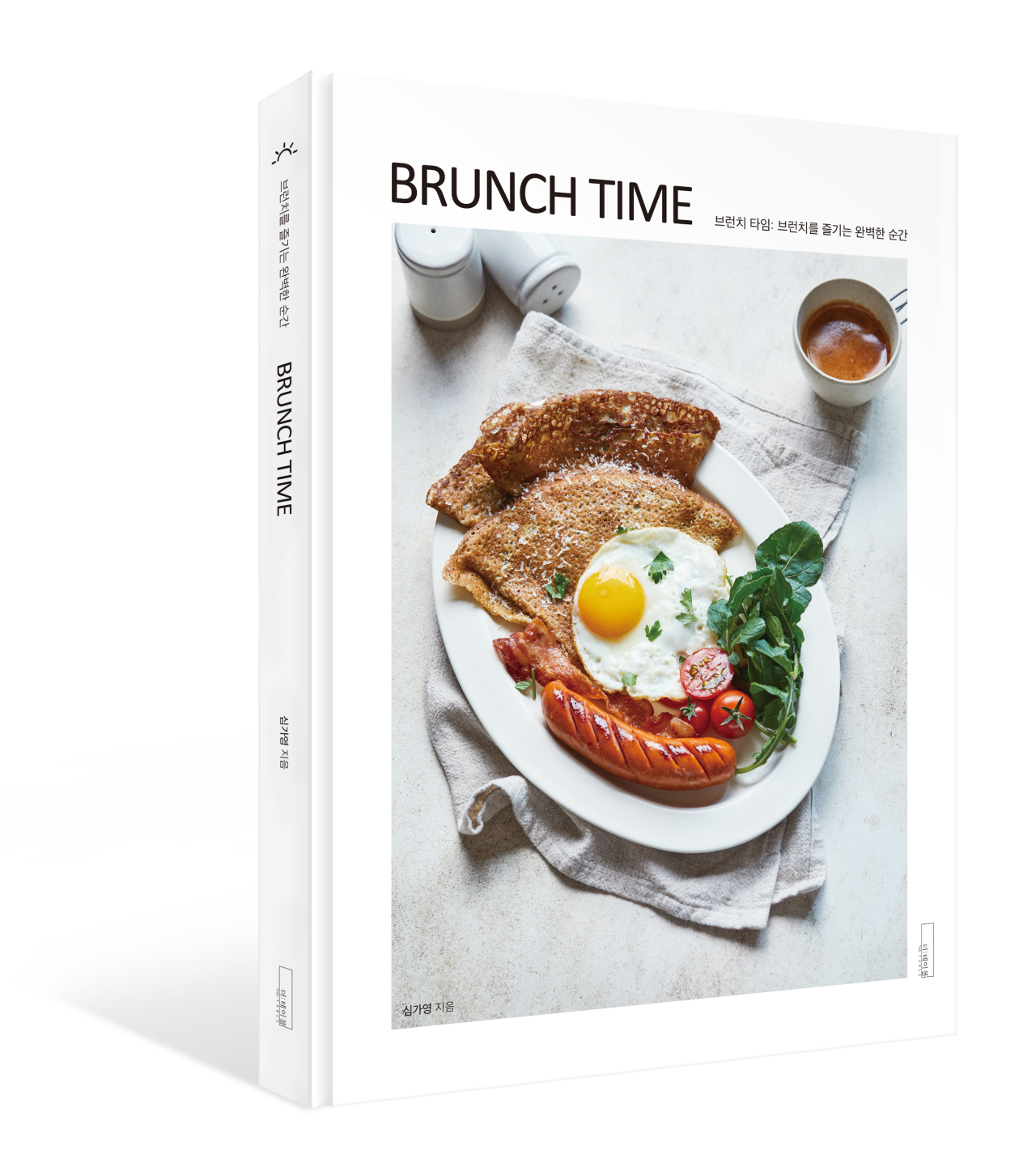
Sim eventually turned the operation into a cookbook, "Brunch Time," released in March 2020, which is a signal in itself. In the Korean food-media economy, a chef publishes a cookbook only after the brand is durable enough to survive the author writing down the recipes. The book covers the classic Bimbom menu plus retired dishes and new experiments Sim wanted to test outside the restaurant's operational constraints. That is a mature move by a mature operator. The Bimbom team briefly ran a Busan branch and then pulled back to focus on the core Seoul stores, which tells you something else about Sim and Kim: they are not chasing scale, they are chasing a specific quality bar that only survives at limited footprint.
The wider brunch scene in Seoul has moved on since Bimbom's 2011 opening. The center of gravity has shifted to 성수 and back to 한남 for the newest openings, gochujang eggs Benedict and kimchi cream pasta have entered the fusion vocabulary, and the average price point has crept up by 20 to 30 percent since 2018. Gyeongnidan-gil itself has struggled through gentrification and post-pandemic vacancies, and even long-time neighborhood veterans like the Southside Parlor and Coley Bar community talk openly about landlord rent pressure. But Bimbom keeps working. When you are inside the store on a Saturday morning with a properly poached egg breaking over a Bongpyeong buckwheat crepe, you can taste why. This is the version of Seoul 브런치 culture that the early adopters were actually trying to build, before Instagram sanded off all the edges.
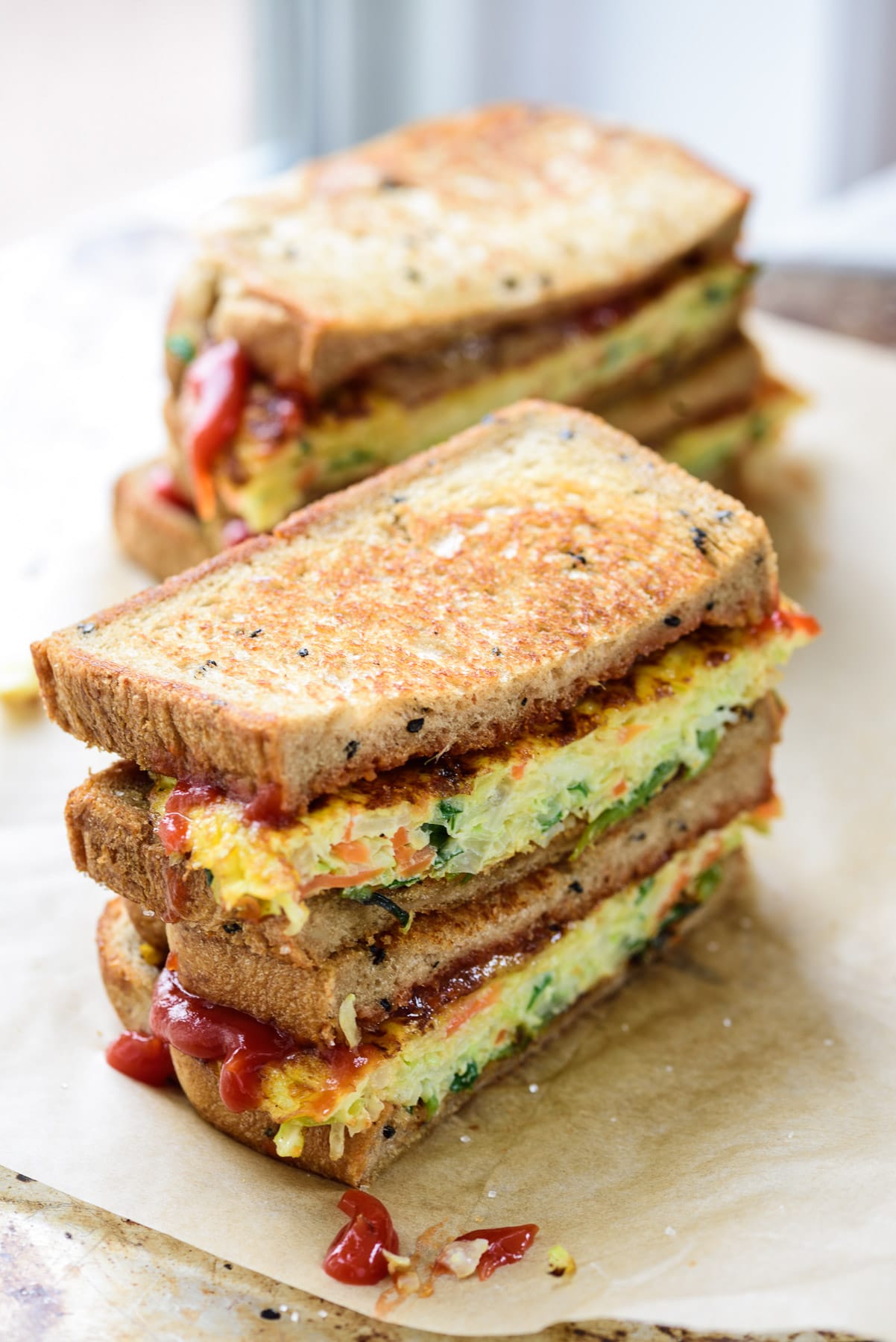
If you are curious about the flavors and snack culture that fuel this whole scene between weekend brunches, the SnackFever Box ships a curated monthly selection of Korean snacks straight to your door, so you can taste the everyday side of the food culture Bimbom sits inside.


