


Table of Contents
Walk into any Korean cafeteria, food court, family restaurant, or military base mess hall in Korea, and somewhere on the menu you will find donkkaseu (돈까스), Korea's beloved version of the breaded fried pork cutlet. Adapted from Japanese tonkatsu in the early twentieth century, donkkaseu has evolved into its own distinct Korean dish: thinner, larger, often served with a sweet brown sauce, and frequently stuffed with cheese, ham, or kimchi. It is the unofficial Korean comfort food for everyone from elementary school students to office workers.
This guide walks through everything worth knowing about Korean donkkaseu: what it is, how it differs from Japanese tonkatsu, the most popular variants, the famous Namsan donkkaseu legacy, and how to make it at home.
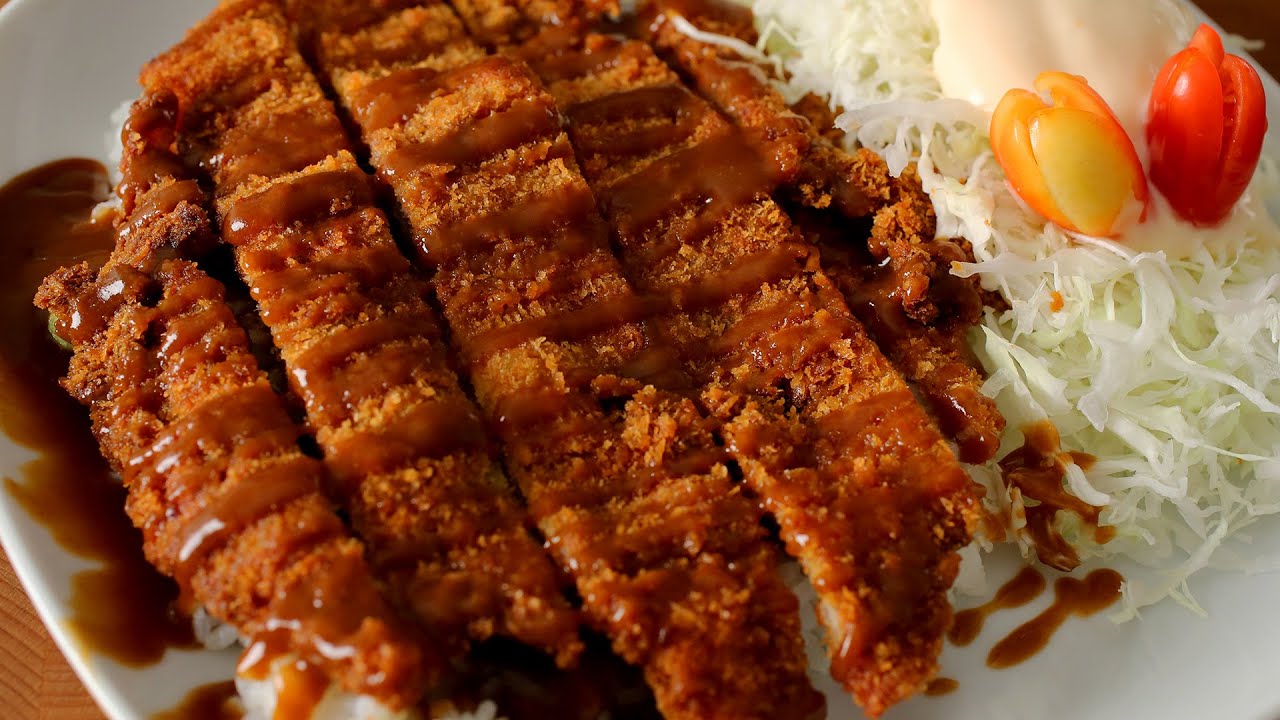
What Is Korean Donkkaseu?
Donkkaseu is a Korean breaded pork cutlet, made by pounding a piece of pork loin or tenderloin thin (often to the width of a dinner plate), coating it in flour, beaten egg, and panko breadcrumbs, then deep-frying it until golden and crispy. The cutlet is served sliced into ribbons or as a whole piece, doused or accompanied by a sweet brown sauce, and plated with steamed rice, shredded cabbage salad, pickled radish, and often a small bowl of soup.
The name combines the Japanese root katsu (cutlet) with Korean phonetics, giving us don-kkaseu (literally "pork cutlet"). The dish first reached Korea in the 1930s during the Japanese colonial period and gradually transformed into a Korean staple by the 1960s, when Western-style cuisine became more accessible to ordinary Korean households.
Donkkaseu vs Japanese Tonkatsu
Japanese tonkatsu and Korean donkkaseu look similar but differ in important ways. Japanese tonkatsu is typically smaller, thicker (the pork loin is left intact rather than pounded thin), and served plain with a small dish of tonkatsu sauce on the side. The cutlet is the focus, with rice and shredded cabbage as supporting characters.
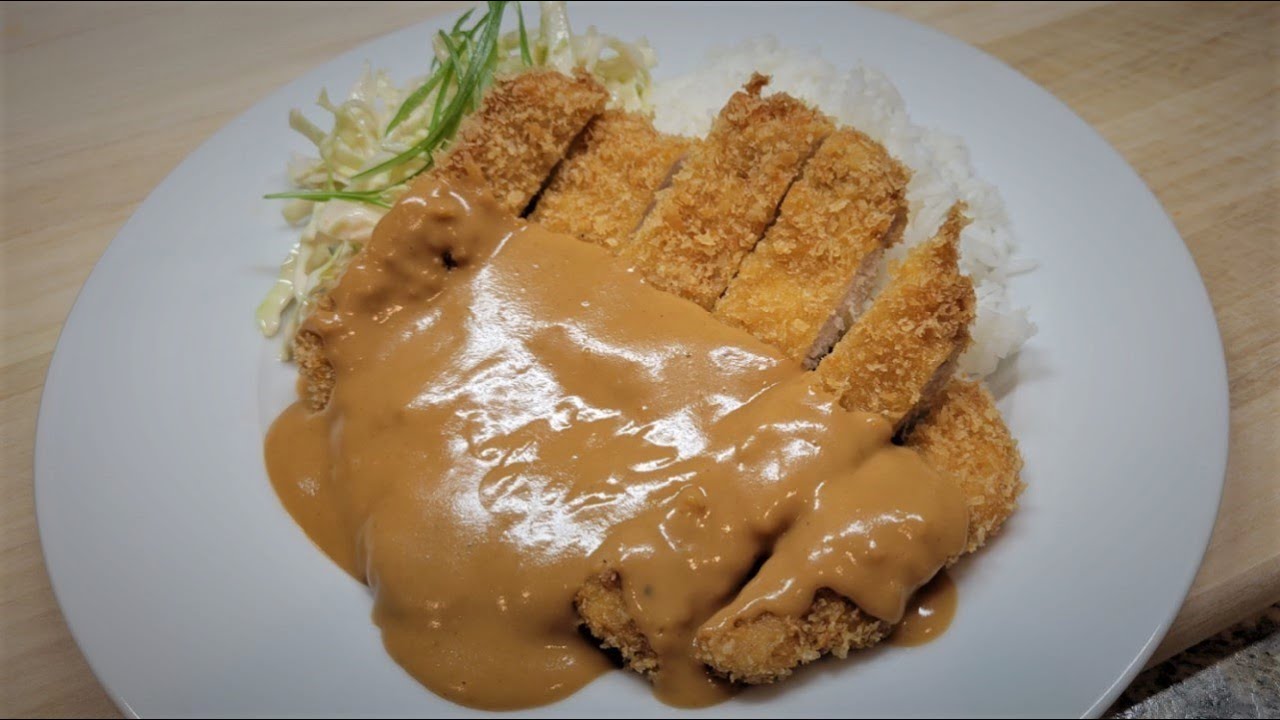
Korean donkkaseu, in contrast, pounds the pork to a quarter-inch or less, often making the cutlet bigger than the plate. The sauce is the soul of the dish: a sweet, slightly tangy, fruit-and-Worcestershire-based brown sauce that drowns the cutlet rather than just accompanying it. Korean donkkaseu also typically comes as a full set meal (jeongsik) with cream of corn soup, rice, cabbage salad, and pickled vegetables included.
Korean Donkkaseu Sauce
The Korean donkkaseu sauce is what separates the dish from its Japanese ancestor. The base is a roux of butter and flour, simmered with beef stock, Worcestershire sauce, ketchup, tomato paste, soy sauce, sugar, and sometimes apple or pear puree for sweetness. The result is glossy, deep brown, and significantly sweeter than Japanese tonkatsu sauce.
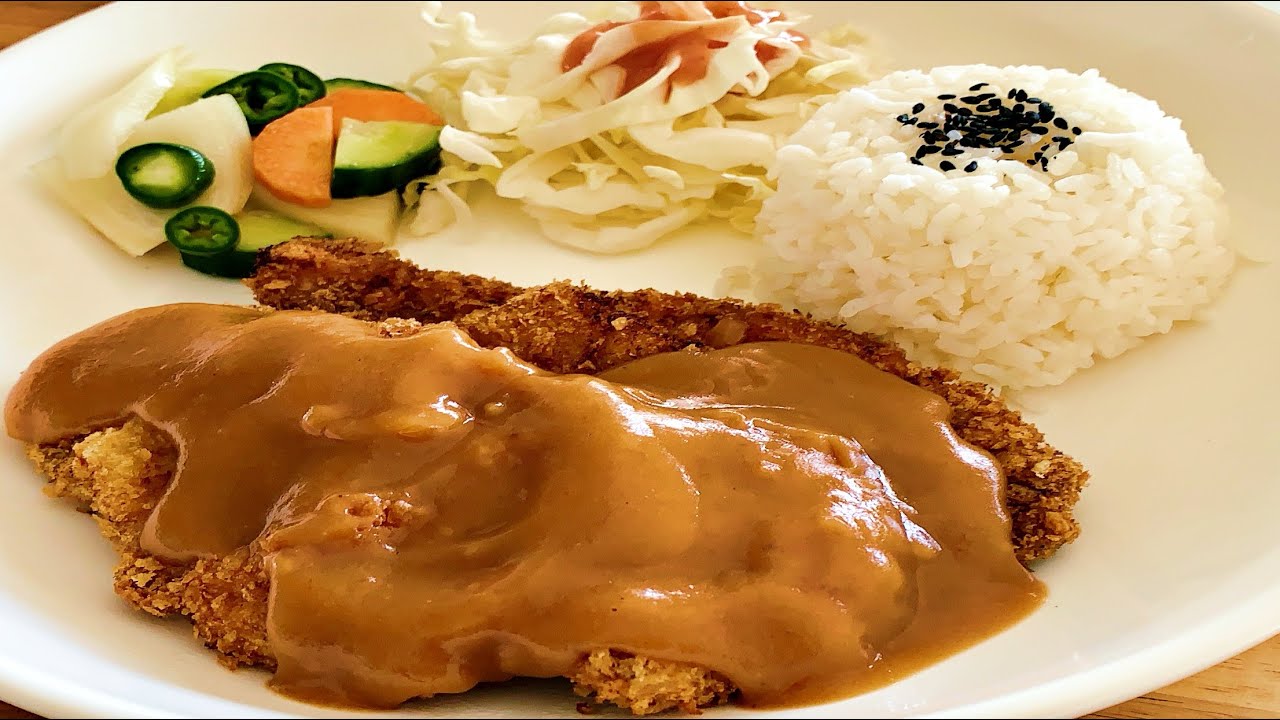
Korean home cooks often shortcut the sauce by mixing bottled tonkatsu sauce with extra ketchup, brown sugar, and a splash of beef broth. The result is close enough for everyday meals, though restaurant donkkaseu sauces are noticeably more complex. Some Korean restaurants serve a small bottle of their proprietary sauce on the side so diners can drown the cutlet at their preferred level.
Famous Variants: Cheese, Ham, and Kimchi Donkkaseu
The Korean donkkaseu menu has expanded dramatically over the past two decades. Cheese donkkaseu (치즈돈까스), filled with mozzarella that pulls into long strings when cut, has become arguably more popular than the original. Ham donkkaseu wraps a slice of ham inside the breaded pork before frying. Kimchi donkkaseu stuffs aged kimchi inside, creating a tangy-sour-spicy bite.
Other variants include seasonal donkkaseu (chestnut, pumpkin), shrimp donkkaseu (saewu donkkaseu), chicken donkkaseu (chicken katsu), and seafood donkkaseu with squid or whitefish. Korean fast-food chains like Saboten and Boutique-style donkkaseu specialty restaurants in trendy Seoul districts now serve premium versions with imported Iberico pork, truffle sauce, or wagyu beef katsu.
Namsan Donkkaseu: Seoul's Iconic Donkkaseu Restaurants
The most famous Korean donkkaseu destination is the cluster of restaurants on Sopa-ro, a hillside road on Mount Nam (Namsan) in central Seoul. The neighborhood's defining shop, Wonjo Namsan Wang Tonkatsu (원조 남산 왕돈까스), has been serving giant donkkaseu since 1977. The Namsan style is enormous: a single cutlet stretches across the plate, with a generous pool of brown sauce, served alongside rice, soup, and cabbage.
The neighborhood became iconic after appearing in countless Korean TV shows, K-dramas, and travel programs. The Disney+ Korean drama Moving featured a tonkatsu dinner on Namsan that drove a fresh wave of visitors. The 101 Bunji Namsan Donkkaseu and Wang Tonkatsu shops on the same road remain pilgrimage spots for donkkaseu lovers.
How to Make Korean Donkkaseu at Home
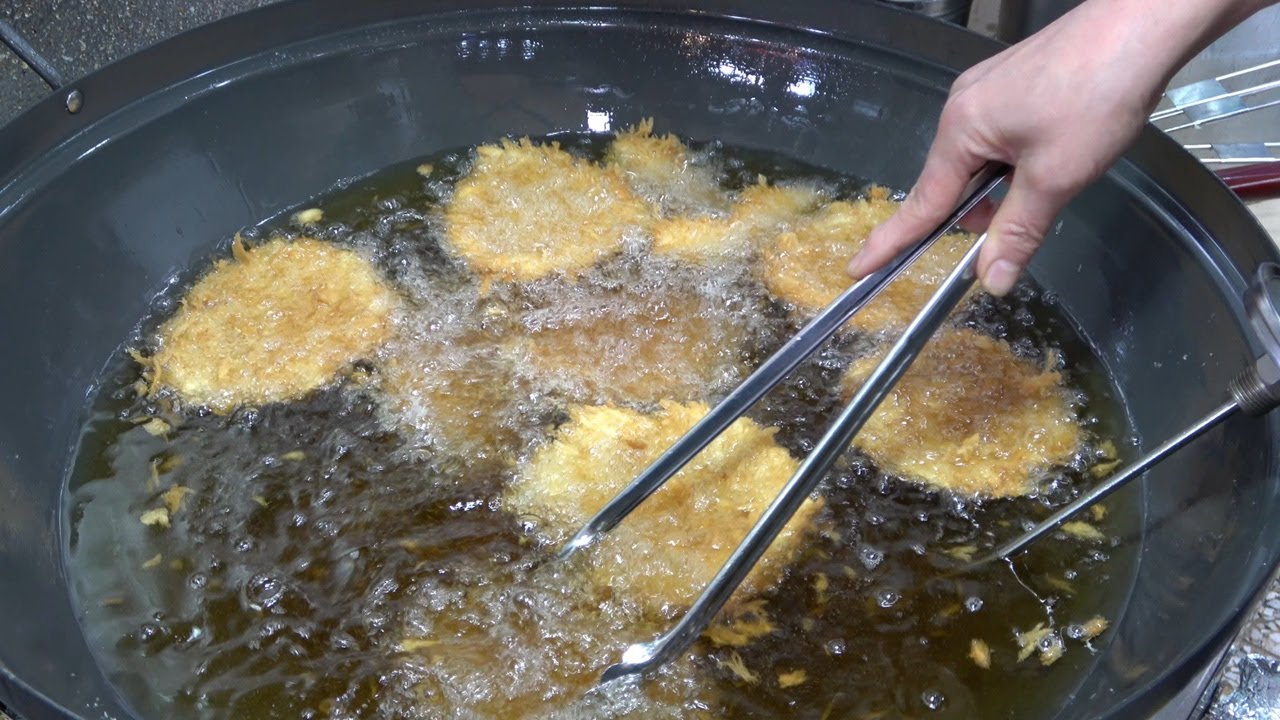
Making donkkaseu at home is straightforward. Take a pork loin chop, butterfly and pound it thin (the thinner the better, ideally under half an inch), season with salt and pepper, then dredge in flour, dip in beaten egg, and coat in panko breadcrumbs. Deep-fry at 175°C (350°F) for about 4 minutes per side until golden brown.

For the sauce, simmer 2 tablespoons butter with 2 tablespoons flour for a minute, then whisk in 1 cup beef broth, 2 tablespoons ketchup, 2 tablespoons Worcestershire sauce, 1 tablespoon soy sauce, and 1 tablespoon brown sugar. Cook until thickened. Plate the cutlet sliced into ribbons over rice, drown in sauce, garnish with shredded cabbage and pickled radish. The whole process takes about 30 minutes.
Where to Try Korean Donkkaseu Outside Korea
Korean donkkaseu is now available at most Korean restaurants worldwide. Chain restaurants like Bonchon, Tom n Toms Coffee, and Paris Baguette serve donkkaseu in some locations. Korean cafeteria-style restaurants in Koreatown areas (like Annandale, LA Koreatown, or Toronto's Bloor Street) often specialize in donkkaseu meals.
For at-home eating, Korean grocery stores stock frozen donkkaseu by brands like Bibigo, Pulmuone, and CJ. The frozen version is convenient and decent quality. Pair with rice and a small dish of brown sauce mixed from bottled tonkatsu sauce, ketchup, and a splash of beef broth. The result will land somewhere close to the Korean cafeteria classic.
Explore Korean Snacks with Daebak
Love Korean food? Get authentic Korean snacks and ramen delivered straight to your door with the SnackFever Box by Daebak.


