


Table of Contents
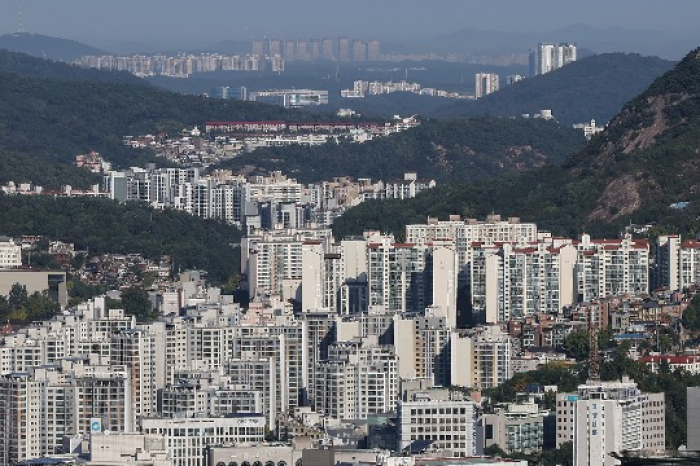
Jeonse (전세) is a uniquely Korean housing arrangement in which a tenant hands the landlord a single lump-sum deposit, often 50 to 80 percent of the property's market value, and pays no monthly rent for the duration of the lease. The landlord reinvests the deposit and returns the full principal when the contract ends, usually after two years. For decades, jeonse served as the middle ground between buying a home and paying monthly rent in Korea, but the system is now under unprecedented pressure from fraud cases, high interest rates, and shifting demographics.

What Is Jeonse and Where Did It Come From?
Under jeonse, the tenant transfers a key-money deposit to the landlord at the start of the lease, lives in the home for the contract period without paying monthly rent, and receives the principal back at the end. The system was codified in Korea's 1959 Civil Act and spread widely in the late 1960s, when commercial mortgage lending was limited and landlords needed private capital to buy and develop property. Landlords typically reinvested the deposit in higher-yielding assets, while tenants gained stable housing without recurring rent payments.
Jeonse, Wolse, and Bansa-jeonse
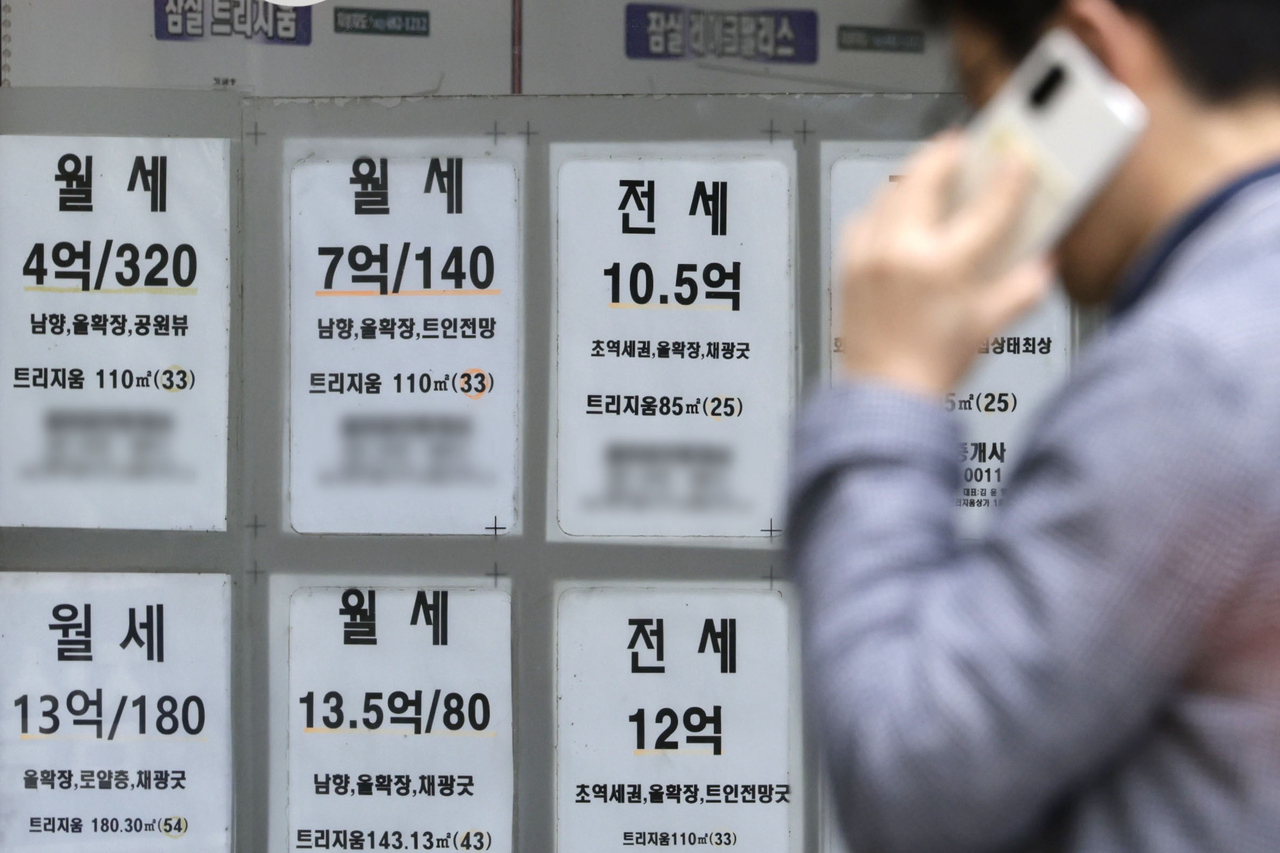
Korean rental contracts fall into three categories. Pure jeonse requires the full lump-sum deposit and no monthly rent. Wolse (월세) is monthly rent, used by tenants who cannot raise a jeonse-sized deposit. Bansa-jeonse (반전세), or half-jeonse, blends the two: a smaller deposit plus a smaller monthly payment. The hybrid has grown rapidly as landlords seek stable income and tenants seek lower upfront costs.
The 2022 to 2024 Jeonse Scam Crisis
Confidence in jeonse was shaken by a wave of fraud cases starting in 2022. The National Police Agency reported total financial losses of 2.28 trillion won from jeonse fraud between 2022 and 2024, with 14,907 victims filing lawsuits. The most notorious figure was the so-called "Villa King," a landlord surnamed Nam who owned roughly 2,700 villas and officetels across Incheon and Gyeonggi Province. In February 2024, the Incheon District Court sentenced Nam to 15 years in prison, the maximum penalty for fraud, after he was convicted of swindling 191 tenants out of 14.8 billion won. Four of his victims took their own lives between February and May 2023.

Government Response and Tenant Protections
In response to the crisis, the Korean government passed a Special Act on jeonse fraud victim support in 2023, allowing affected tenants to access low-interest loans and priority housing. The Housing and Urban Guarantee Corporation also tightened its deposit insurance: since May 2023, only homes with jeonse deposits up to 126 percent of the government-assessed value qualify for coverage, down from 150 percent. Government-backed jeonse loan programs such as the KDB Jeonse Loan and the Bogeumjari Loan continue to help younger and lower-income tenants raise the required deposits.
The Math: Jeonse Versus Monthly Rent
For tenants who can raise the lump sum, jeonse has historically been cheaper than monthly rent. A two-year jeonse on a 500 million won deposit costs only the opportunity cost of that capital. If the same apartment rents at 1.5 million won per month under wolse, the tenant would pay 36 million won over two years with no principal returned. The math is now changing: with jeonse loan rates still elevated and apartment jeonse prices in Seoul hitting record highs of 681.5 million won in 2025, many renters find monthly rent more manageable.
Apartment, Villa, and Officetel Jeonse
Jeonse prices vary sharply by housing type. Standard apartment complexes (APT) command the highest deposits and are considered the safest jeonse properties due to higher resale value. Villas, which in Korean parlance mean low-rise multi-family buildings rather than luxury homes, carry lower deposits but higher fraud risk, since their market values are harder to verify. Officetels, studio units in mixed-use buildings, sit between the two and are popular with single professionals.
The Decline of Jeonse in 2025
Jeonse's share of the Korean rental market has fallen rapidly. According to the Supreme Court's Integrated Registration Information System, monthly rentals reached a record 64.6 percent of all Seoul housing leases in the first quarter of 2025, up from 40 percent in 2021. Nationwide, 44.2 percent of January-February 2025 lease contracts were monthly rentals, up from 42.2 percent in 2024. Economists cite three drivers: jeonse fraud anxiety, higher jeonse loan rates, and stricter deposit insurance rules that pushed landlords toward monthly contracts.
Kkangtong Jeonse and the Gap Investment Trap
The term kkangtong jeonse (깡통전세), literally "empty can jeonse," describes a deposit that exceeds the property's resale value. Many fraud cases involved gap investors who bought villas with little of their own money by stacking jeonse deposits. When property prices fell in 2022 and 2023, the deposits exceeded the home values, banks foreclosed, and tenants lost their savings. The Anti-Jeonse-Scam Act now applies criminal-group formation charges to coordinated rings.
Jeonse and Marriage in Korea
Securing a jeonse deposit has long been a milestone before marriage in Korea. Couples often spend years saving and combining family contributions to lock in a two-year jeonse on an apartment before the wedding. The escalating cost of jeonse, now equivalent to about six years of a Seoul household's income, is one reason younger Koreans cite for delaying or forgoing marriage.
Foreign Tenants and Jeonse
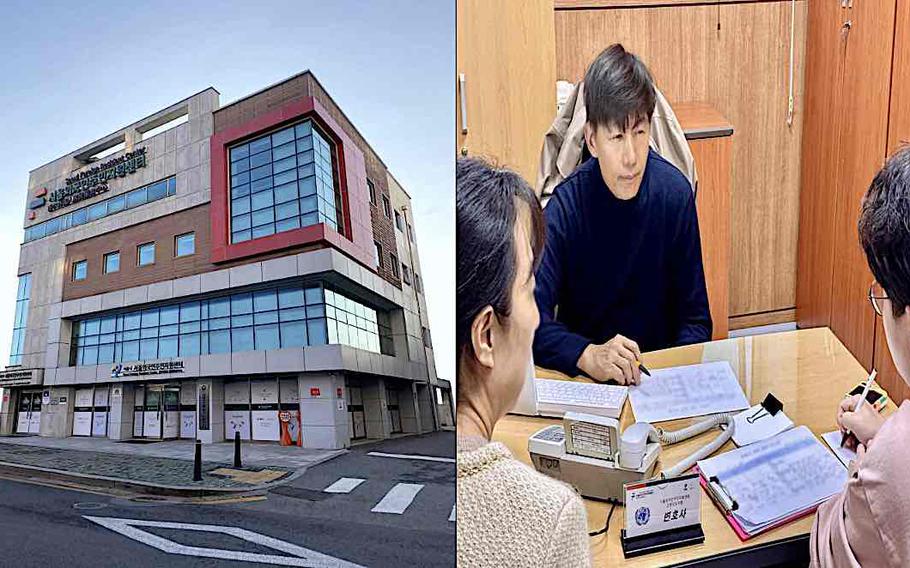
Most foreign residents in Korea opt for wolse rather than jeonse, since raising hundreds of millions of won in a Korean bank account is impractical for newcomers. Foreign nationals were also disproportionately affected by the fraud wave: between 2022 and September 2025, the Housing and Urban Guarantee Corporation reported 103 cases of non-Korean landlords failing to return deposits. In November 2024, the Seoul Foreign Resident Support Center began offering English real estate counseling every Monday, with interpretation in seven languages, to help foreign tenants navigate the market safely.
Tips for Tourists and Digital Nomads Considering Longer Korea Stays
Visitors planning a multi-month or year-long stay should generally avoid jeonse and use serviced apartments, monthly wolse, or co-living spaces. If a jeonse contract is unavoidable, key safeguards include checking the property's official registration certificate (deungbon), verifying that the deposit insurance ceiling has not been exceeded, recording the move-in date at the local district office on day one to secure priority creditor status, and using a licensed real estate agent registered with the local government. Free multilingual consultations are available through Seoul Global Center and the 1357 housing helpline.
Explore More of Korea with Daebak
Want to bring a little piece of Korea into your life? The Daebak Box is packed with the best Korean snacks, ramen, and cultural goodies delivered monthly to your door.


