


Table of Contents
Ten years of watching the Korean F&B calendar has taught me one thing that visitors from the West almost never guess correctly. Korean Christmas dinner is not a family event. It is a couple event. In fact, if you asked a Korean 20-something what they had for 크리스마스 (Christmas) dinner, the honest answer is almost always the same two words: 케이크 (cake) and 치킨 (chicken). No turkey, no goose, no drawn-out roast around a table with cousins arguing about politics. Just a whipped-cream strawberry cake from Paris Baguette or Tous Les Jours, a bucket of Kyochon or BHC fried chicken, and a partner. This piece is about how that combo actually became the default, and why the F&B industry treats December 24 and 25 as the two most load-bearing days of the entire retail year.
Why Korean Christmas Dinner Is a 커플 (Couple) Date Night, Not a Family Meal
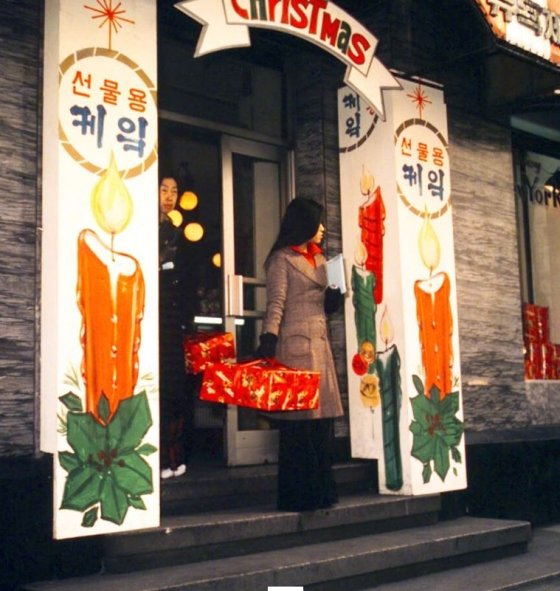
Here is the part most Western guides get wrong. In Korea, Christmas Day (December 25) is a public holiday, but the emotional weight of the holiday belongs to Christmas Eve, and Christmas Eve belongs to couples. There is a historical reason for this specific framing that Korean cultural commentators keep coming back to. From 1945 to 1982, Korea operated under a midnight curfew, and Christmas Eve was one of the very few nights the curfew was formally lifted. That single policy quirk gave a generation of young Koreans permission to stay out with a romantic partner past midnight for the first time in their lives, and Christmas Eve slotted into the cultural calendar as Korea's second Valentine's Day, an outdoor 데이트 (date) night rather than a family gathering. Anyone who has worked in Korean hospitality knows the follow-on effect. Hotel restaurant reservations for December 24 open in October and are gone by early November. Michelin-listed and hotel-tier restaurants routinely book their entire Christmas Eve service window 8 to 10 weeks out. Try walking into a Seoul restaurant at 7 p.m. on December 24 without a reservation and you will spend your evening at a convenience store. That timing pattern is the real 크리스마스 signal in the Korean F&B industry.
Paris Baguette and Tous Les Jours: How the 크리스마스 케이크 Market Rewrote a Whole Calendar
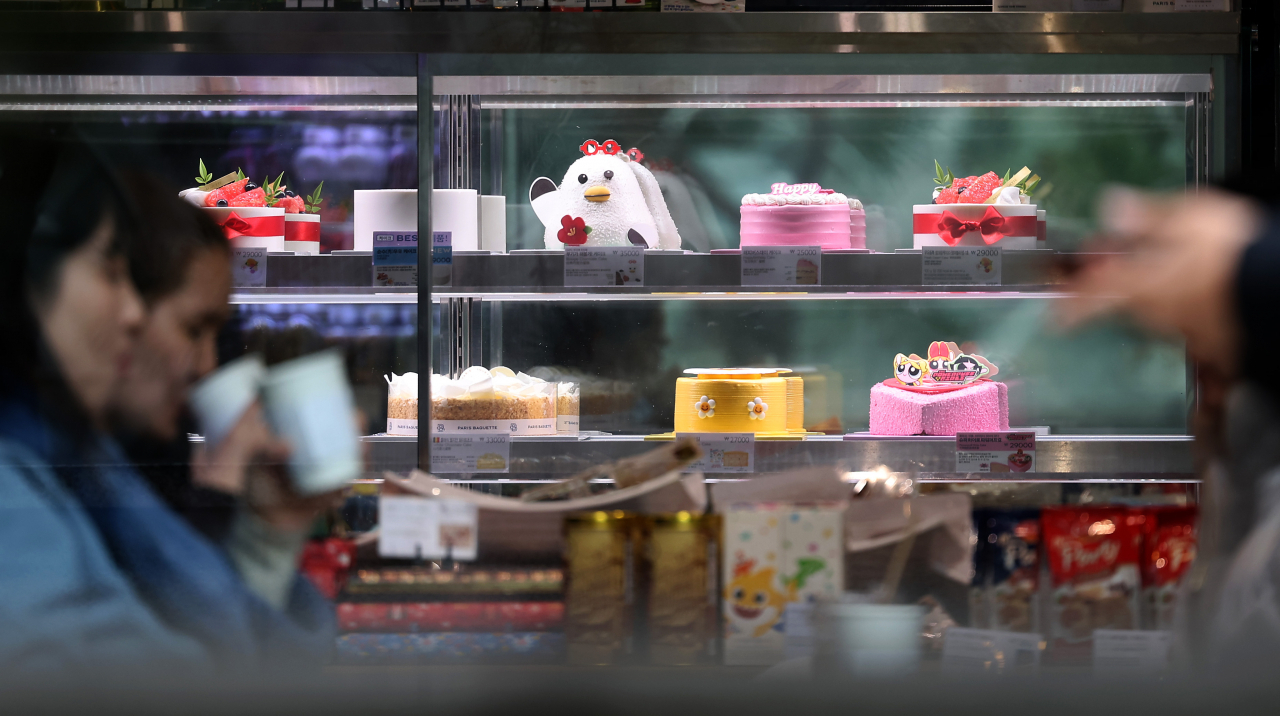
Two brands own Korean Christmas cake. SPC's Paris Baguette (파리바게뜨) and CJ Foodville's Tous Les Jours (뚜레쥬르) run more than 5,000 stores combined across Korea, and December is the single most important month of their fiscal year. SPC officials have publicly said the Christmas season produces the highest sales volume of the year, with an average 10 percent seasonal leap on top of an already-elevated December baseline. Industry veterans I trust put the practical share higher. The 8-week window from mid-November to end of December drives, by a comfortable margin, a disproportionate slice of annual cake revenue for both chains, with the last three days alone (December 22 to 24) accounting for the volume peak. That is why both chains deploy dedicated Christmas cake product teams in the summer, run coupon-app reservation pushes from mid-October, and cap daily production per store to force early booking behavior. The design language is remarkably consistent. Sponge cake plus fresh whipped cream plus fresh strawberries, styled in the red, green, and white color palette that maps onto Korean consumers' Instagram grid without effort. The 2024 luxury cake escalation was the industry's response to MZ generation "small luxury" consumption, hence Hotel Shilla's 400,000 won ($285) "Taste of Luxury" cake selling out weeks in advance despite drawing loud complaints online. The complaints did not matter. The stock cleared. That is the actual signal.
치킨 (Chicken) as the Co-Star: BHC, Kyochon, and the Delivery Apps That Time Out on December 24
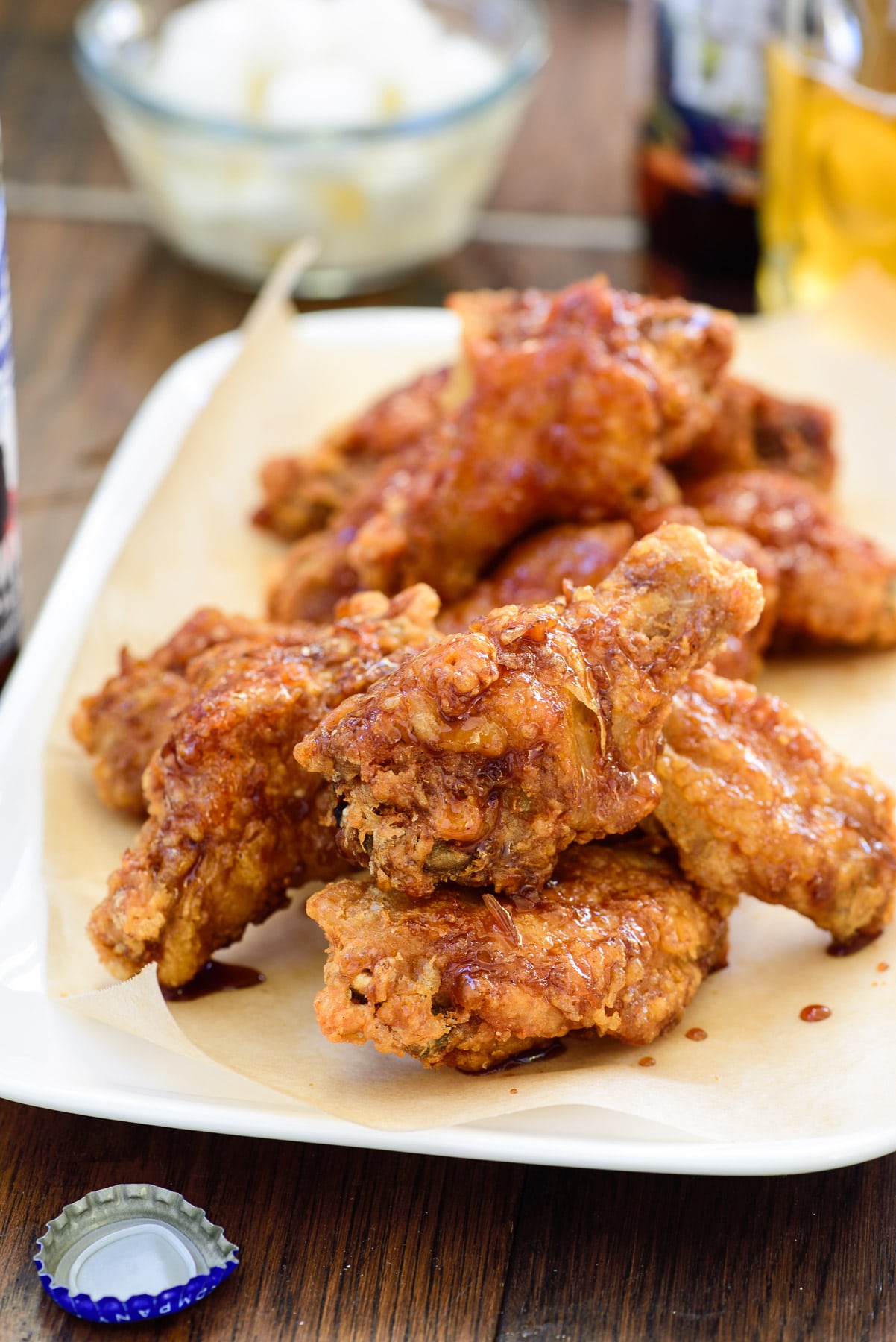
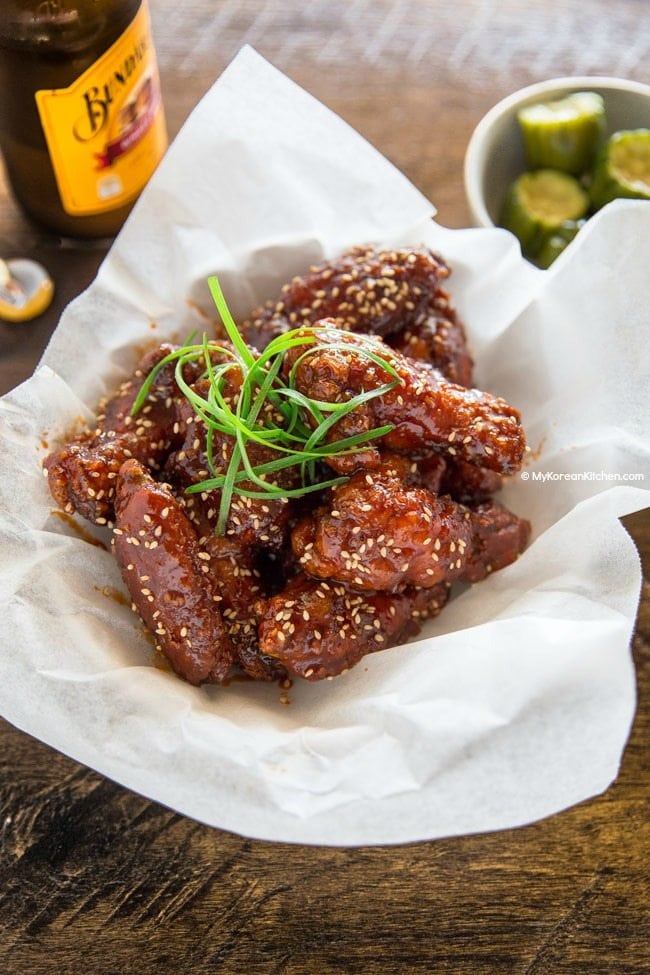
Here is where the story gets truly Korean. Cake alone does not make a Christmas dinner. The other half of the plate is Korean fried chicken, and the numbers on Christmas Eve are outrageous. Kyochon (교촌치킨), BHC, and Genesis BBQ, the three franchise giants that together account for a majority slice of Korea's chicken franchise sector, all report that December 24 is one of their top three sales days of the entire year, comfortably beating the summer 치맥 (chi-maek, chicken plus beer) evenings people usually associate with peak chicken volume. Store-level franchisees I have spoken with over the years describe December 24 delivery as roughly 4x normal daily volume, and delivery apps (Baemin 배달의민족, Coupang Eats, Yogiyo) genuinely stall from about 6 p.m. to 10 p.m. as riders max out and order queues balloon past two hours. Franchise HQs know this and pre-position inventory, extra prep staff, and rider bonuses across the last two weeks of December. The chicken-plus-cake combo works so well as a couple's meal because it hits every convenience trigger the F&B sector rewards. Both items travel well by delivery. Both items scale down to two-person portions without any awkwardness. Both items photograph well on a coffee-table setup with a K-drama playing in the background. And critically, neither requires cooking, which matters because most Korean couples in their 20s and 30s live in one-room officetel apartments (오피스텔) with kitchens that are functionally a hot plate.
How US Films (My Girl, Home Alone) Seeded the Cake-and-Chicken Format
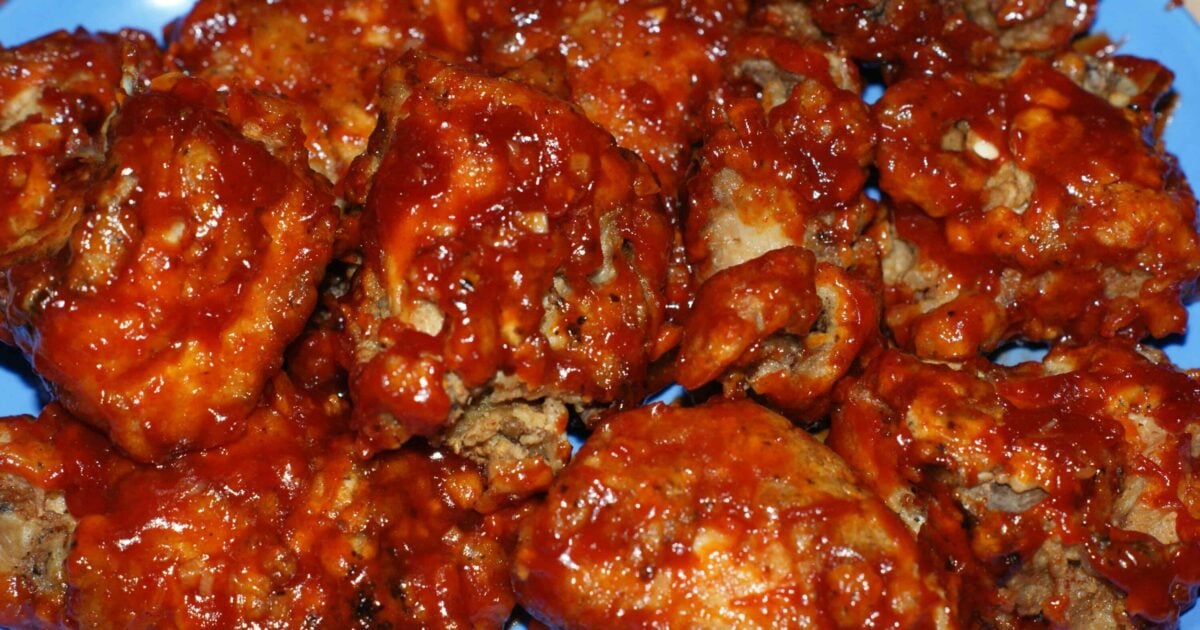
The frequently repeated origin story is that the Korean cake-plus-chicken Christmas came from Japanese Christmas cake culture, which in turn came from a 1920s Tokyo bakery called Fujiya popularizing "Let's eat cake at Christmas" as a marketing slogan. That is true as far as the cake half goes. The chicken half has a different genealogy that Korean pop-culture writers have been mapping for years. Through the 1990s, Korean cable started running US Christmas films on annual rotation. My Girl (1991), Home Alone (1990), and Love Actually (2003) each spent a decade or more as fixed December broadcasts. The plate composition on screen (roasted birds, wrapped gifts, warm interior lighting) filtered into Korean consumer imagination as "the American Christmas dinner," and the closest domestic equivalent that was already scaled up for delivery was Korean fried chicken. Yangnyeom chicken (양념치킨), invented in Daegu in the early 1980s and franchised across Korea by the late 90s, arrived at exactly the right moment to plug into the imported Christmas visual template. Cake covered the dessert half. Chicken covered the "roasted bird on the table" half. Neither one is authentically Western Christmas food. Both are extremely photogenic, delivery-friendly, and priced within the reach of a college-student couple. That is why the format stuck.
The Hotel Buffet Play: Shilla, Grand InterContinental, and the "Small Luxury" 크리스마스 Trade
The other layer of the Korean Christmas dinner economy is the hotel Christmas buffet and the hotel Christmas cake. This is where the industry pushes its highest-margin product of the year at Korea's MZ (millennial and Gen Z) couples. Hotel Shilla's 2024 "Taste of Luxury" cake at 400,000 won ($285), Grand InterContinental Seoul Parnas' "Wish Wheel" at 350,000 won with a rotating chocolate Ferris wheel, and Lotte Hotel's seasonal desserts all target a very specific consumer psychology. It is the "small luxury" (스몰 럭셔리) framing that dominates Korean 20s and 30s consumption. The logic is simple. A hotel staycation costs 500,000 won and up. A luxury cake photographs the same on Instagram and costs less than a night in the room. That trade explains why hotel cake preorders sell out despite loud online complaints about price. Preorder inventory is intentionally capped low to trigger scarcity behavior, and each cake purchase is treated by the buyer as an experience upgrade rather than a food purchase. The professor Lee Eun-hee at Inha University framed it well in the Korea Herald: for many Korean couples, Christmas is the once-a-year excuse to justify the splurge. That justification is the actual product being sold.
Why the Whole F&B Sector Plans the December Quarter Around Two Days
Talking to Korean F&B veterans, the phrase you hear repeatedly about December 24 and 25 is that "the whole quarter lives or dies here." Cake production planning at SPC and CJ Foodville starts in July. Chicken franchise inventory ordering runs on a Christmas-weighted forecast from October. Delivery apps stage rider surge bonuses and adjust commission structures for those two days. Convenience stores (CU, GS25, 7-Eleven Korea) reallocate freezer and cooler space in November to accommodate wine, sparkling wine, and 크리스마스 케이크 SKUs. Even the ready-meal segment, which is normally not Christmas-driven, ships couple-portion holiday sets. In 2024 alone, CU reportedly sold petite Christmas cakes starting at 9,980 won as a budget-friendly cake option, and the SKU proliferated across every convenience chain within weeks. This is the actual scale of the Korean Christmas dinner economy. It is not a family holiday. It is a coordinated two-day sprint by the entire consumer packaged goods and hospitality sector, calibrated around a very specific ritual: a couple, a whipped cream cake, a bucket of Korean fried chicken, a bottle of something sparkling, and a K-drama or a US Christmas film on the TV. That is Korean Christmas dinner. Now you know why the delivery app times out.
Explore Korean Snacks with Daebak
Love Korean food? Get authentic Korean snacks and ramen delivered straight to your door with the SnackFever Box by Daebak.


