


Table of Contents
Anyone who has tried to buy an SM Entertainment concert ticket knows the drill. Server queue at 8 pm KST, refresh, refresh, sold out in under a minute, resale platforms flip the ticket for triple face value by morning. That single friction, the impossibility of getting into a Gocheok Sky Dome show, is why SM Entertainment built the SMTOWN 서라운드 뷰잉 (Surround Viewing) Theater format in the first place. It is the most Korean solution to a Korean problem: if the real concert is sold out, engineer a second concert experience that lives in a theater seat, screens for a fraction of the price, and still delivers enough fandom immersion that fans buy tickets to it as a repeat purchase. Ten years into the format, it is one of the quietest but most profitable K-pop industry inventions of the last decade, and it is the reason CGV and Lotte Cinema now treat K-pop cinema releases as a real distribution channel, not a side experiment.
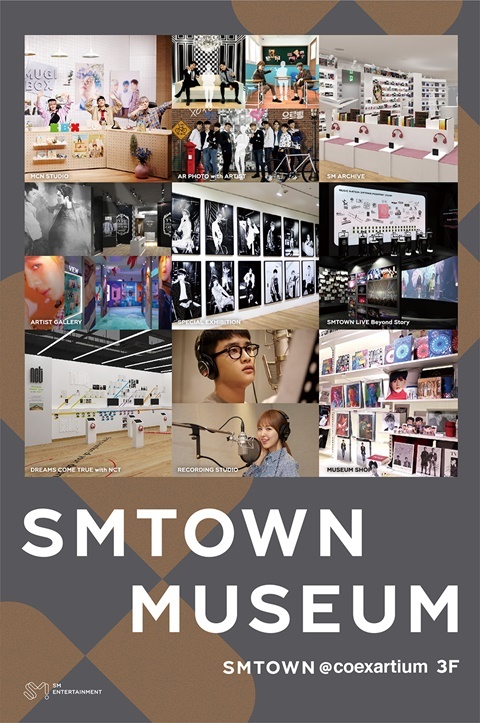
What the 270-degree surround theater actually does
The technical build is deceptively simple. Three linked screens wrap around the audience at a 270-degree angle, and the concert film gets programmed two ways. During big movement sequences, the footage plays across all three screens as one continuous frame, so when NCT 127 runs the length of a stadium stage the members appear to sprint from your far left peripheral to your far right peripheral. During talking segments and vocal solos, the three screens play the same frame simultaneously, and the effect is closer to sitting in the pit than watching a DVD. That is the design language SM engineered from day one: not a movie theater with a concert on it, but a concert simulator with three screens instead of one.
The audio choice is what most Western observers miss. Regular concert DVDs strip out the fan chants and audience screams during mixing because the label assumes solo home viewing. SMTOWN Surround Viewing keeps the crowd audio in the mix at close to original levels. That single decision is why the theater actually functions as a concert. Fans in the seats fanchant along, and the theater screams merge with the mixed-in stadium screams to the point where you cannot tell whose vocal cords are yours. In industry terms this is a mid-budget product engineered with one high-end feature. You do not pay for perfect Dolby Atmos precision. You pay for the illusion that you are inside the fandom.

Why SM built this and everyone else copied it
Ask anyone who has worked inside the big-three Korean labels since the mid-2010s and they will tell you the same thing. SM was the first agency to treat theatrical distribution as a core revenue channel rather than a merch upsell. The COEX Artium tower opened in 2015, and the surround theater was already running on the 5th floor by then, with hologram theater rooms next door running School of Oz musicals starring SHINee Key and EXO Suho. The Artium was not a fan meeting space that occasionally showed films. It was an entire vertical stack of SM content formats, and the ticket revenue from surround viewing screenings quietly subsidized the touristy museum floor upstairs.
The economic logic is unforgiving once you look at it. A real EXO or Red Velvet arena ticket in Seoul retails between 150,000 and 250,000 won on the primary market, and resells at multiples of that. A SMTOWN Surround Viewing ticket for the same tour, screened months after the live tour ended, sold for around 25,000 to 35,000 won. That price gap is not incidental. It is the entire value proposition. SM understood before HYBE, JYP, or YG that the K-pop fandom pyramid contains millions of fans who cannot afford or geographically access the concert, but who will happily pay a fifth of the ticket price for a highly immersive substitute. Every seat that surround viewing captures is a seat that would otherwise have generated zero revenue on that album cycle.

The CGV and Lotte Cinema deal that scaled the format
Here is the piece the fan press almost never covers. Around 2016, SM started licensing the surround viewing catalogue out to the big domestic multiplex chains, primarily CGV and Lotte Cinema, and that is when the format stopped being a Gangnam building experience and became a national K-pop distribution channel. CGV runs the largest 4DX network on the planet, and they had motion seats, wind effects, and side-panel screens already installed for action-movie releases like Fast and Furious. Turning those same rooms into an EXO screening on a Sunday afternoon was almost pure margin. The infrastructure was sunk cost. The K-pop programming filled dead-time weekend slots that action films could not consistently monetise.
What made the license deal specifically Korean is the fandom-color glowstick giveaway. Every ticket at the SMTOWN Artium screening came with a Surround Viewing glowstick in the artist's official fandom color, used exactly like the real lightstick at a stadium show. When CGV picked up the format they kept the giveaway, and that single piece of merchandise reframed the whole ticket purchase. You were not buying a movie ticket. You were buying a light-stick and a concert seat where the venue happened to be a cinema. The pricing worked because 30,000 won for a screening plus a collectible glowstick reads as a bargain when the equivalent live tour ticket is 200,000 won and the standalone lightstick from the SMTOWN store is 60,000 won on its own.
How HYBE, JYP, and YG responded

By 2019 the other labels were watching the numbers and doing the math. Then COVID hit, the touring calendar collapsed overnight, and the format lens shifted from post-tour cinema screenings to live-streamed virtual concerts. HYBE launched BEYOND LIVE in April 2020 through a joint venture with SM's Naver arm, which is a detail that gets forgotten now: the first BEYOND LIVE partner was actually SM's own SuperM concert. The DNA is shared, the two formats are cousins, and HYBE's Weverse-based livestream concerts owe more to SM's a-decade-of-theatrical distribution experience than most K-pop coverage acknowledges. JYP followed with its own paid streaming experiments through V LIVE (later Weverse). YG kept holding out until BLACKPINK's Born Pink cinema program in 2023 finally validated the format for their roster too.
What all four labels converged on is the same insight SM had in 2013. A K-pop concert is not a single-purchase product. It is a title that gets re-released across formats over 18 to 36 months, and the concert film format sits between the stadium tour and the eventual streaming home release as a middle-margin tier. Surround Viewing is that middle tier, and CGV plus Lotte Cinema turned it into a national scale channel.
What to watch for at a screening today
A practical tour of what a good surround viewing session looks like in 2026. Aim for a Saturday afternoon slot at a CGV 4DX room, sit dead-center middle row (the outer aisles are punishing because the 270-degree wrap becomes a neck workout), arrive early enough to pick up your glowstick, and treat the screening as a real concert. Fanchant. Sing along at the appropriate points. Stand up during the encore. Nobody is going to look at you strangely because everyone in that theater came for exactly the same reason. If you are on a fanchant learning curve, watch a couple of Weverse rehearsal clips before the show. The fan chants for SM roster tours are consistent across screenings, and knowing them turns a 90-minute film into a two-hour fandom event.
One insider tip that saves money if you are traveling to Korea specifically for a K-pop cinema experience. The domestic-only screenings on the SMTOWN app and the Trazy resale platform occasionally offer international-passport discounts, and Sunday early-afternoon slots consistently sell for 5,000 to 8,000 won less than Friday-evening slots. The seat you want is row 5 to row 7, seat number 6 to 9 in a standard CGV auditorium. Bring your ARC or passport for pickup verification, because unlike a regular film ticket the K-pop screenings still run passport ID checks at the door.
Why this format is a preview of where K-pop distribution is going
The reason the surround viewing story matters beyond fan trivia is that it previews how the entire K-pop industry will distribute content over the next five years. The stadium tour is the peak revenue event, but it is not the peak scale event. The cinema screening, the livestream, and the eventual VOD tier are where the fandom actually gets served at scale. SM built the first version of this because their fandom (a global map of hundreds of thousands of light-stick owners) demanded a way to participate in tours that never came to their city. HYBE, JYP, and YG have all copied the model with slight variations. The next iteration is already visible: paid AR concert filters, XR volumetric captures for VR headsets, and full 4DX programming that includes seat vibrations synchronized to the artist's choreography. All of it descends from the room SM opened on the 5th floor of the Coex Artium in 2013.
If you are visiting Seoul this year and you cannot get into a live SM roster stadium tour, do not treat the surround viewing screening as a consolation prize. It is a genuinely different product with its own logic, its own giveaways, and its own community rituals. And at 30,000 won a seat, it is the cheapest way into a Korean fandom experience without a plane ticket to the actual show.
Explore More of Korea with Daebak
Want to bring a little piece of Korea into your life? The Daebak Box is packed with the best Korean snacks, ramen, and cultural goodies delivered monthly to your door.


