


Table of Contents
Hanbok (한복) is South Korea's traditional clothing, worn for over a thousand years and still instantly recognizable around the world today. With its graceful flowing lines, vibrant color palette, and minimal ornamentation, hanbok embodies the aesthetic principles of Korean culture in a way that nothing else quite does. Whether you are visiting Korea and want to rent a hanbok for a palace visit, curious about what Koreans wear to traditional celebrations, or simply drawn to the beauty of this remarkable garment, this guide covers everything you need to know.
What Is Hanbok?
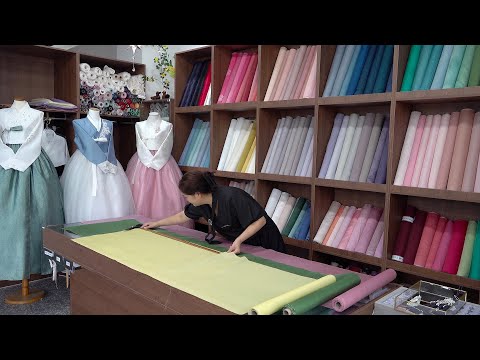
The word hanbok literally means "Korean clothing" (han = Korean, bok = clothing). It refers to the traditional dress of the Korean people, developed over centuries into the distinctive form we recognize today. The basic women's hanbok consists of a jeogori (저고리), a short jacket with long sleeves, and a chima (치마), a full, high-waisted skirt that flows to the floor. Men's hanbok features a jeogori paired with baji (바지), loose-fitting trousers, and often an overcoat called a durumagi (두루마기) for formal occasions.
The History of Hanbok
Hanbok's origins stretch back at least to the Three Kingdoms period (57 BCE to 668 CE), when murals in ancient Korean tombs depicted figures wearing garments with clear similarities to hanbok's basic form. The silhouette evolved significantly during the Joseon Dynasty (1392 to 1897), when Confucian values shaped Korean society and clothing became a marker of social class and occasion. The materials, colors, and embroidery of a person's hanbok indicated their rank, marital status, and the formality of the occasion.
The Colors of Hanbok and Their Meanings
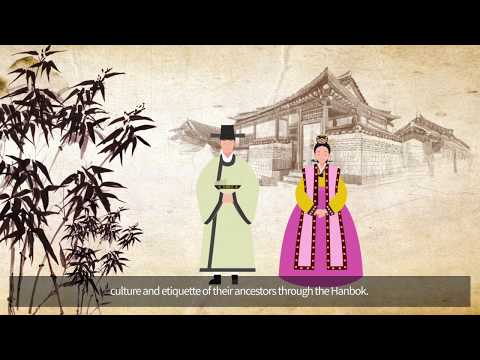
Color is perhaps the most striking feature of hanbok. Traditional hanbok uses the five cardinal colors of Korean culture, known as obangsaek (오방색): white, black, blue, red, and yellow. Each color carries symbolic meaning rooted in the Korean cosmological system. White represents purity and is associated with the west. Blue symbolizes growth and the east. Red wards off evil spirits and is associated with the south. Yellow represents the center and earth. Black is associated with the north and water.
In practice, hanbok colors were also deeply tied to age and social occasion. Young children wore bright, vivid colors, particularly for their dol (first birthday) celebrations. Young unmarried women wore red chima and yellow jeogori. After marriage, colors became more muted. Elderly women traditionally wore white or soft pastel tones.
Types of Hanbok
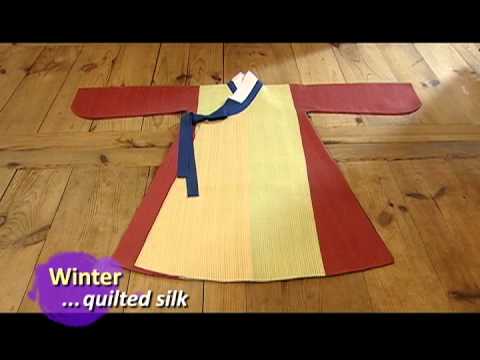
Hanbok was never a single uniform garment but a category of dress adapted for different occasions and social roles. Ceremonial hanbok (ye-bok) was worn for major life events including weddings, coming-of-age ceremonies, and ancestral rites. Court hanbok (gungbok) was the elaborate dress of the Joseon royal family and officials, featuring rich silk, gold embroidery, and complex layering. Everyday hanbok (saenghwal hanbok) was simpler in construction and material, designed for daily wear, and this is what most Koreans wore throughout the year.
Hanbok Today: Modern and Fusion Styles
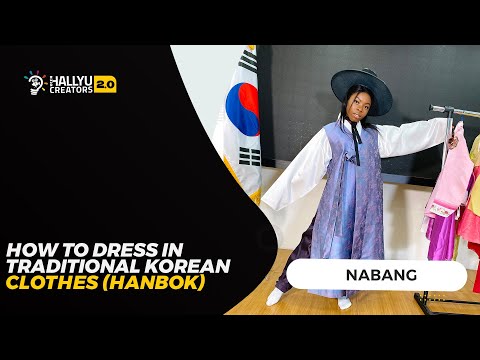
Hanbok is undergoing a remarkable revival. A new generation of Korean designers has taken hanbok's traditional silhouette and reimagined it using modern fabrics, patterns, and construction techniques. Brands like Tchai Kim, Leesle, and Kkotnip have made what is known as saenghwal hanbok (everyday hanbok) or fusion hanbok popular among young Koreans who want to connect with their cultural heritage in a way that fits modern life. You will see fusion hanbok on the streets of Bukchon Hanok Village and Insadong in Seoul, worn by tourists and locals alike.
For special occasions, particularly Seollal (Lunar New Year) and Chuseok (Korean Thanksgiving), many Koreans still dress in traditional hanbok as a way of honoring their heritage. Weddings often incorporate a traditional hanbok ceremony called the paebaek, where the couple bows to the groom's family in full formal hanbok.
Renting Hanbok in Korea
One of the best experiences for visitors to Korea is renting hanbok and wearing it through the country's historic palaces and traditional neighborhoods. In Seoul, Gyeongbokgung Palace offers free entry to anyone wearing hanbok, and dozens of rental shops cluster around the palace gates offering a wide variety of styles and sizes at very reasonable prices. Bukchon Hanok Village, Jeonju Hanok Village, and Insadong are other popular areas for hanbok rental. Most rentals include the full outfit, hair accessories, and bags, and rental periods typically run two to four hours.
Inspired by Korean culture? The Daebak Box is a monthly subscription delivering authentic Korean snacks, K-beauty products, and cultural favorites from Korea straight to your door. Experience the best of Korean culture wherever you are in the world.


