


Table of Contents
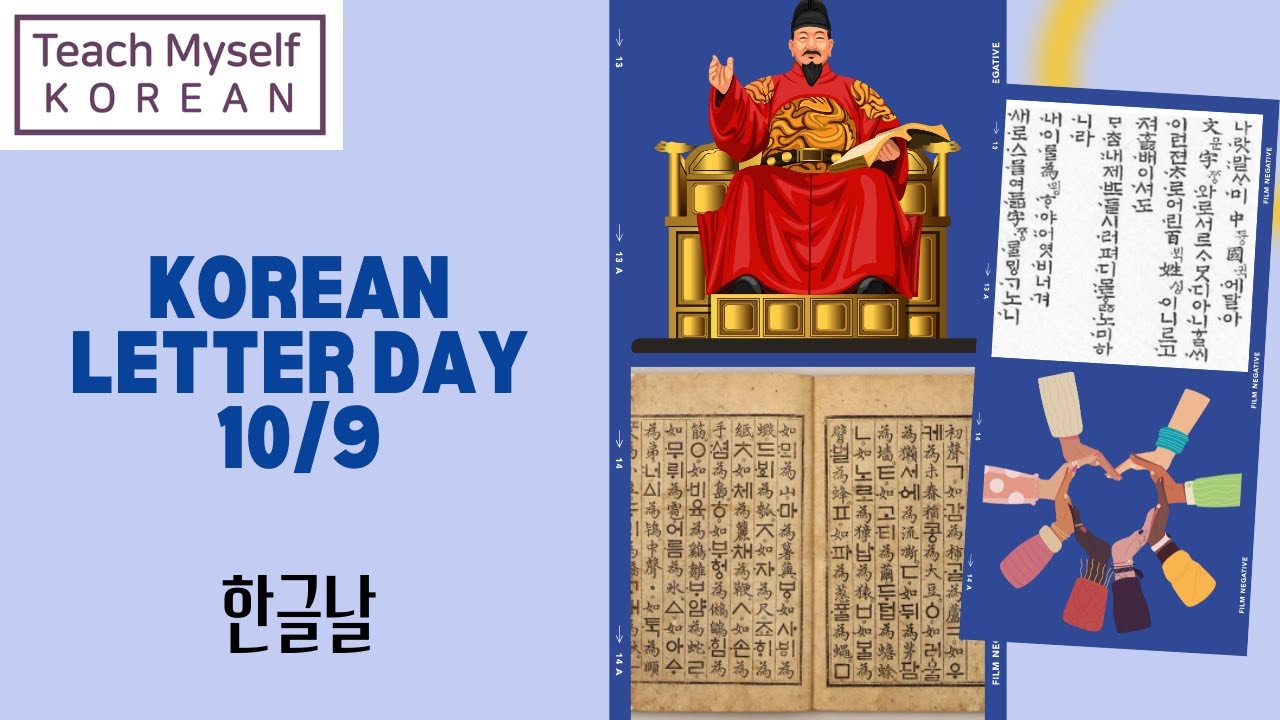
October 9 in South Korea is Hangul Day (한글날), a national holiday dedicated to the Korean alphabet itself. It is one of the few holidays in the world celebrating a writing system, and Koreans treat it with the kind of pride most countries reserve for independence days. Hangul is not just letters on a page in Korea: it is a national achievement, a scientific marvel, and the linguistic foundation of Korean cultural identity.
This guide walks through everything worth knowing about Hangul Day and the Korean alphabet: what Hangul is, the remarkable story of how it was invented by King Sejong the Great, how the writing system actually works, why linguists call it one of the most logical alphabets ever designed, and how to start learning it yourself.
What Is Hangul?
Hangul (한글) is the official writing system of the Korean language. It consists of 14 basic consonants and 10 basic vowels for a total of 24 letters, which combine into syllable blocks rather than being written linearly like the Latin alphabet. Each syllable block represents a single spoken syllable and is composed of at least one consonant and one vowel, sometimes with a final consonant at the bottom.
What makes Hangul unique is that it was deliberately designed rather than evolved over centuries. Almost every other major writing system in the world (Latin, Arabic, Devanagari, Cyrillic, Chinese characters) emerged organically over thousands of years. Hangul was created in a single act of royal commission in the 15th century with the explicit goal of being learnable in days, not years.
The Story of King Sejong and Hangul's Invention
Hangul was created by King Sejong the Great (세종대왕), the fourth king of the Joseon dynasty, in 1443. Before Hangul, Koreans wrote almost exclusively in classical Chinese (Hanja), which required thousands of memorized characters and was effectively accessible only to the noble class. Most ordinary Koreans, including women and farmers, were functionally illiterate.
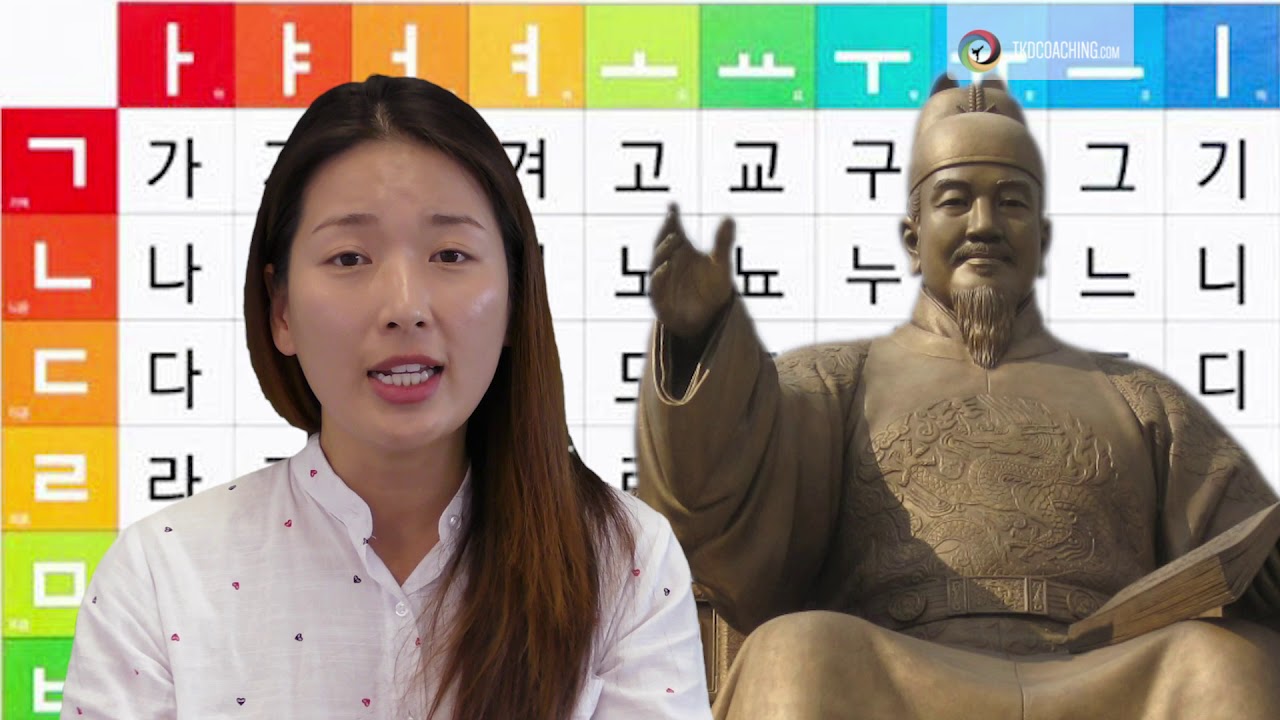
Sejong saw widespread illiteracy as a serious problem for governance and ordinary justice (peasants could not read laws or write legal complaints). He gathered scholars, designed a phonetic alphabet that matched the actual sounds of Korean, and officially promulgated it in 1446 under the name Hunminjeongeum (훈민정음), which translates roughly as "the proper sounds for the instruction of the people." The introduction document explicitly stated that the system was designed so that "even a wise man could learn it in a single morning, and even a foolish man could learn it in ten days."
How Hangul Actually Works
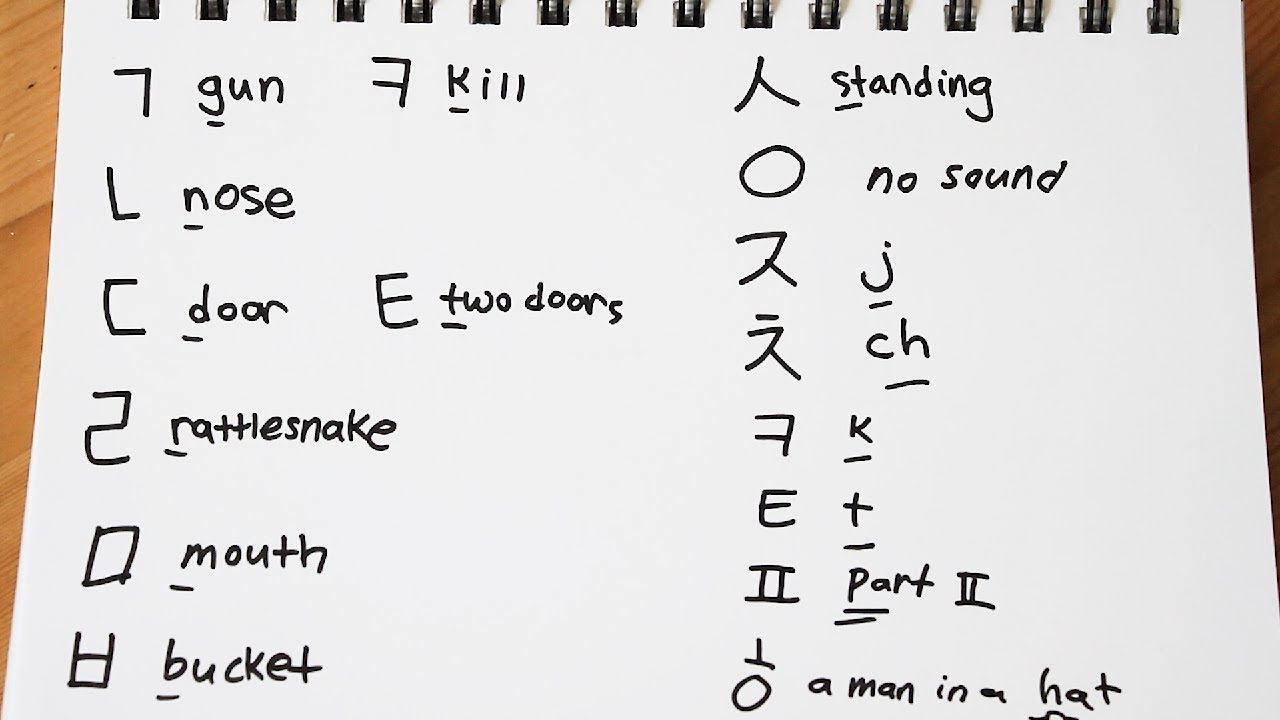
Hangul's design is the part that linguists obsess over. The shapes of the consonant letters reflect the position of the tongue, lips, and throat when producing each sound. The letter ㄱ (g/k) is shaped like the back of the tongue touching the roof of the mouth. The letter ㄴ (n) is shaped like the tongue touching the front of the upper teeth. The letter ㅁ (m) is shaped like a closed mouth. Vowels were designed based on heaven (a single dot, now a short line), earth (a horizontal line), and humanity (a vertical line).

The 24 basic letters combine into syllable blocks following a few simple rules. A syllable begins with a consonant (or the placeholder ㅇ), continues with a vowel, and optionally ends with a final consonant. The blocks stack visually so that a Korean word like 한국 (Han-guk, meaning Korea) has two syllable blocks, each containing a consonant-vowel-consonant structure. Once you internalize the block structure, reading Hangul becomes very fast.
Why Linguists Praise Hangul
Hangul is widely considered one of the most scientifically designed writing systems in the world. The American linguist Geoffrey Sampson called it "perhaps the most scientific system of writing in general use in any country." UNESCO even named a literacy prize after King Sejong (the King Sejong Literacy Prize) in 1990, in recognition of how Hangul dramatically increased Korean literacy.
The system is so logical that most beginners can learn to read Hangul (not understand Korean, but decode the letters into sounds) in two to four hours of focused study. Within a few days of practice, recognizing common Korean words becomes routine. This is dramatically faster than learning Chinese or Japanese kanji and is one of the reasons Korean language study has exploded internationally over the past decade.
How Hangul Day Is Celebrated
Hangul Day is a public holiday in South Korea, which means schools, government offices, and most businesses are closed on October 9. The day is observed with calligraphy contests, traditional Korean script demonstrations, and educational events at museums like the National Hangeul Museum in Seoul. The city of Sejong, named after the king, hosts the largest official ceremonies each year.
Korean media runs Hangul-themed programming throughout the day, and Korean brands often release Hangul Day limited-edition products. Samsung, Naver, Kakao, and other major Korean companies typically launch special design collaborations using Hangul typography. K-pop artists and Korean celebrities also share Hangul Day messages, and Korean diaspora communities around the world hold Hangul Day events for second-generation Korean Americans, Korean Canadians, and others learning the language.
The Korean Language Boom
Hangul Day has become more globally significant as Korean language study has exploded. Korean is now one of the fastest-growing language study choices worldwide, driven by K-pop, K-dramas, and Korean cinema. Duolingo, Memrise, and similar language apps have seen massive growth in Korean learner numbers since 2018, and the King Sejong Institute network now operates over 240 Korean cultural centers in 80 countries.

The Korean government has actively supported Hangul's global spread. Korean language tests like TOPIK (Test of Proficiency in Korean) have grown into major international certifications, and Korean studies departments at universities worldwide have expanded rapidly. The result is that Hangul Day now functions as both a national holiday and an unofficial international celebration of Korean language learning.
How to Start Learning Hangul Yourself
Learning to read Hangul is genuinely one of the more rewarding things you can do in a few hours. The fastest path is a structured one-day session with a YouTube tutorial or a beginner Korean app, followed by daily 10-minute practice for two weeks. Most learners can read Korean signs, menus, and K-pop song titles within a week.
Free starting resources include the King Sejong Institute online courses, Duolingo's Korean track, Talk To Me In Korean's beginner videos, and the official Hunminjeongeum manuscript translated into modern English. Pair the lessons with K-drama subtitles or K-pop lyric videos to practice in context. Within a month of consistent practice, basic Korean reading becomes second nature.
Explore More of Korea with Daebak
Want to bring a little piece of Korea into your life? The Daebak Box is packed with the best Korean snacks, ramen, and cultural goodies delivered monthly to your door.


