


Table of Contents
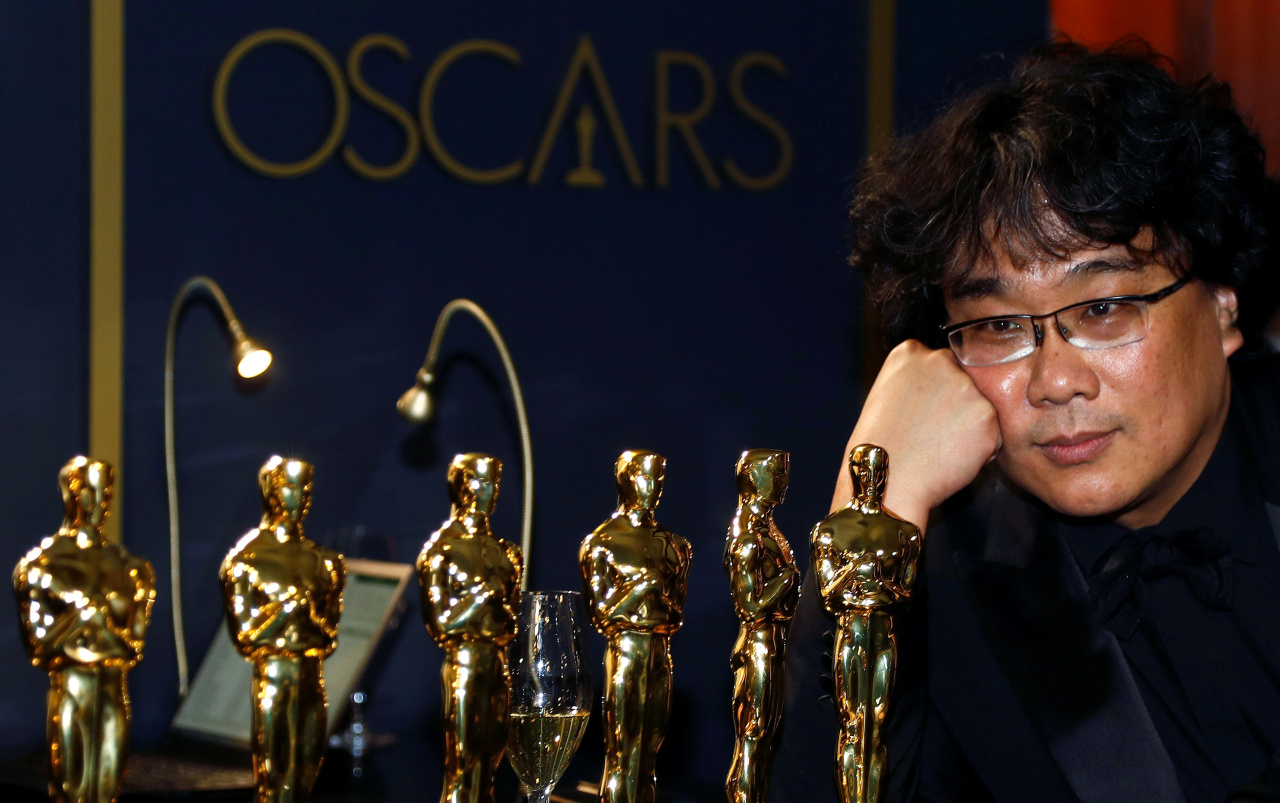
South Korean cinema entered the 2020s as one of the most decorated national film industries in the world. The watershed moment arrived on February 9, 2020, when Bong Joon-ho's Parasite became the first non-English-language film to win Best Picture at the Academy Awards, sweeping four Oscars in a single night. The triumph was not an isolated event. It capped a quarter-century of artistic momentum that critics call the Korean New Wave, a movement led by auteurs who transformed Korean storytelling into a global language.
How the Korean New Wave Began
The roots of the New Wave reach back to the democratization movement of the late 1980s and the lifting of film censorship in 1996, when the Constitutional Court struck down the state pre-screening system. Combined with the launch of multiplex chains, the establishment of the Korean Film Council (KOFIC) and the founding of the Busan International Film Festival in 1996, the late 1990s gave Korean directors both creative freedom and a domestic infrastructure capable of supporting auteur-driven work. By the early 2000s, a new generation of filmmakers trained in cinema schools and steeped in genre cinema was ready to break through internationally.
Bong Joon-ho: From Memories of Murder to Mickey 17
Bong Joon-ho (봉준호) debuted with the dark comedy Barking Dogs Never Bite in 2000, then established himself as one of Korea's defining directors with Memories of Murder (2003), a serial-killer procedural that remains a benchmark of Korean genre cinema. He followed with the monster film The Host (2006), the maternal thriller Mother (2009), the dystopian Snowpiercer (2013) and the Netflix-produced Okja (2017). Parasite in 2019 won the Palme d'Or at Cannes before its historic Oscar run, and in 2025 Bong returned with the science-fiction satire Mickey 17, starring Robert Pattinson, which premiered at the Berlin Film Festival in February of that year.

Park Chan-wook and the Vengeance Trilogy
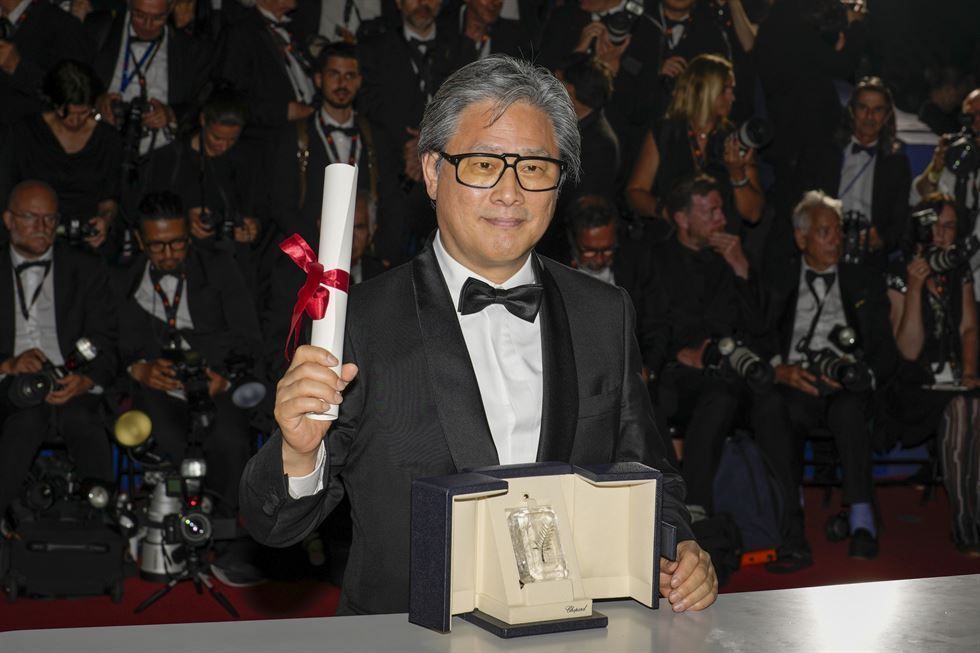
Park Chan-wook (박찬욱) built his international reputation on the Vengeance trilogy: Sympathy for Mr. Vengeance (2002), Oldboy (2003) and Lady Vengeance (2005). Oldboy won the Grand Prix at Cannes in 2004 and turned actor Choi Min-sik into a global figure. Park's later work spans the romance I'm a Cyborg, But That's OK (2006), the vampire drama Thirst (2009, Cannes Jury Prize), his English-language debut Stoker (2013) and the period thriller The Handmaiden (2016). In May 2022 he won the Best Director prize at Cannes for Decision to Leave, his third honor from the festival. In 2025 his black comedy No Other Choice, starring Lee Byung-hun and Son Ye-jin, competed for the Golden Lion at the 82nd Venice Film Festival and was selected as South Korea's submission for the Best International Feature Oscar.
The Auteurs Beyond Bong and Park
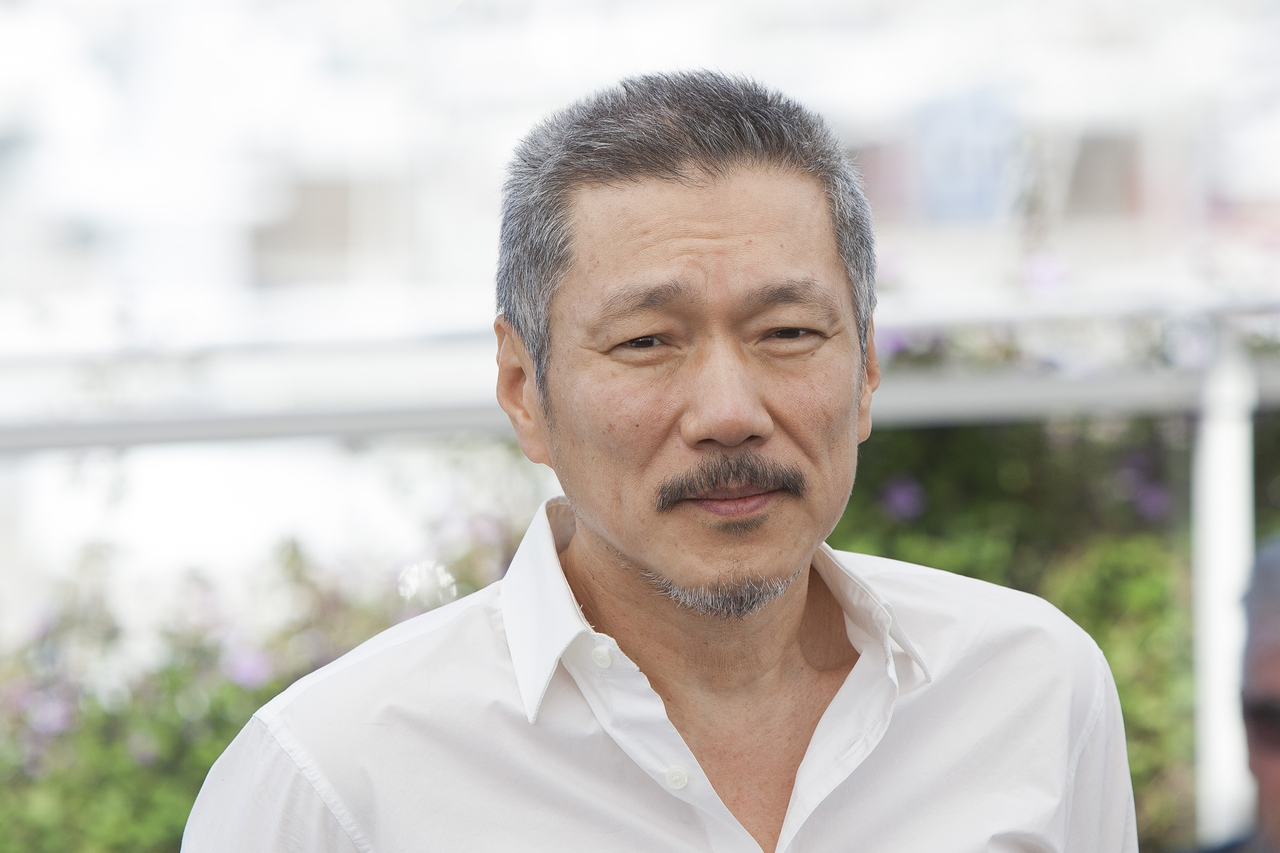
The New Wave is larger than its two best-known names. Kim Jee-woon (김지운) moves freely across horror, action and Western styles, from A Tale of Two Sisters (2003) to The Good, the Bad, the Weird (2008) and I Saw the Devil (2010). Lee Chang-dong (이창동), a former novelist and Minister of Culture, directs literary character studies including Poetry (2010) and the Murakami adaptation Burning (2018), which won the FIPRESCI Prize at Cannes. Hong Sang-soo (홍상수) is the movement's prolific low-budget auteur, a festival fixture who has earned multiple Silver Bears at the Berlin Film Festival, including the Grand Jury Prize for A Traveler's Needs in 2024. Director Yim Soon-rye (임순례) is a leading female voice, while Park Hoon-jung (박훈정) has carved out a niche in stylish action thrillers.
The Actors Who Became Global Stars
The New Wave produced a generation of actors whose names now carry international weight. Song Kang-ho, the lead of Memories of Murder, The Host, Snowpiercer and Parasite, won Best Actor at Cannes in 2022 for Hirokazu Kore-eda's Broker. Lee Byung-hun crossed over to Hollywood with the G.I. Joe franchise and The Magnificent Seven before returning to Korean cinema. Choi Min-sik remains synonymous with Oldboy's Oh Dae-su, one of the most cited performances in modern Asian cinema. Younger figures such as Park So-dam, Choi Woo-shik and Jeon Jong-seo continue to anchor New Wave projects across both film and streaming.
BIFF and the Festival Ecosystem
The Busan International Film Festival, founded in 1996 and held each October at the Busan Cinema Center, is the largest film festival in Asia and the most important industry showcase for Korean cinema. The 29th edition in 2024 was hosted by Park Bo-young and Ahn Jae-hong and ran from October 2 to 11, featuring Korean premieres, an Asian competition section and the BIFF Asian Project Market for film financing. The Korean Movie Database (KMDB), run by the Korean Film Archive, serves as the country's official film reference, while festivals such as Jeonju and Bucheon support independent and genre cinema respectively.

Streaming, Awards and What Comes Next
The Korean Wave's cinema wing has not slowed since Parasite. Park Chan-wook's Decision to Leave took Best Director at Cannes in 2022, his No Other Choice earned an eight-and-a-half-minute Venice ovation in 2025, and Bong Joon-ho's Mickey 17 opened the year at Berlin. Netflix has invested heavily in Korean originals since the launch of Squid Game in 2021, financing projects from directors such as Hwang Dong-hyuk and Yeon Sang-ho and pulling K-cinema's storytelling vocabulary into series format. As the New Wave directors enter their third decade of work, a new generation trained alongside them, raised on global streaming and a fully developed festival ecosystem, is preparing the next chapter of Korean cinema.
Explore More of Korea with Daebak
Want to bring a little piece of Korea into your life? The Daebak Box is packed with the best Korean snacks, ramen, and cultural goodies delivered monthly to your door.


