


Table of Contents
In South Korea, asking someone for their birth time can be as casual as asking their MBTI. The reason is saju (사주), a 1,000 year old fortune telling system based on the four pillars of birth year, month, day and hour. In 2026, saju sits at the center of a booming spiritual economy that the Korea Times estimates at more than 15,853 registered fortune telling businesses nationwide, with cafes in Hongdae and Gangnam pulling in everyone from Korean idols to American tourists.
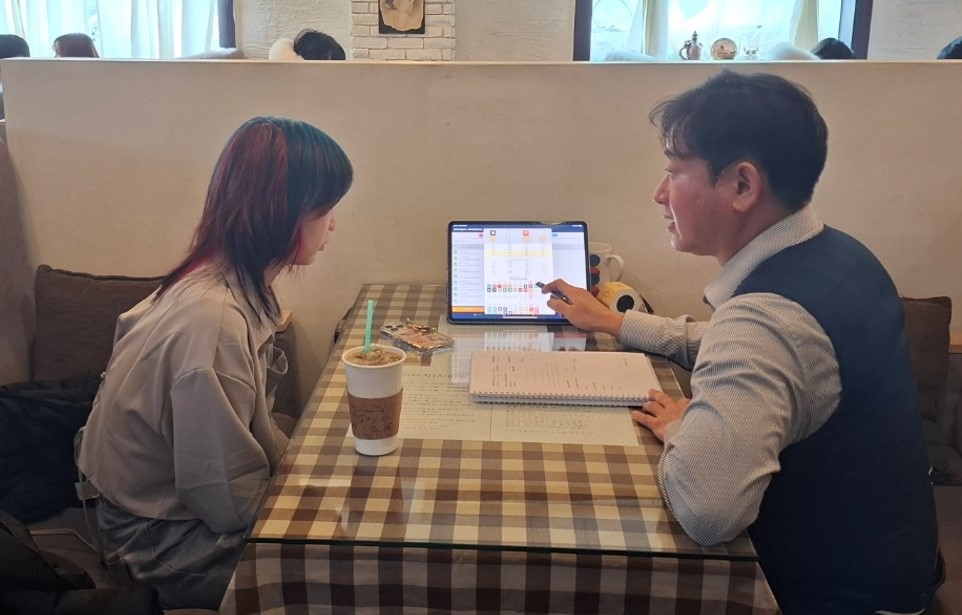
What Saju Actually Is
Saju palja (사주팔자), literally "four pillars, eight characters," assigns each person eight Chinese characters drawn from their exact birth moment. Each pillar pairs one of the ten heavenly stems with one of the twelve earthly branches, and readers interpret the chart through the five elements of wood, fire, earth, metal and water. According to Stripes Korea, four out of ten Korean adults have consulted a fortune teller, and the national industry is estimated at 3.7 billion US dollars a year.
Unlike Western horoscopes, saju is treated as semi analytical. The Korea Herald notes that practitioners frame it less like astrology and more like a personality and life path framework rooted in classical East Asian cosmology.
The Saju, MBTI and Tarot Trifecta
For Gen Z and millennials, saju now travels in a package with two other tools. MBTI is the conversational ice breaker, tarot is the quick monthly check in, and saju is the deep dive. The Korea Herald has documented how dating app users in Seoul filter matches by MBTI type, then bring saju and tarot into the relationship to test long term compatibility known as gunghap (궁합), the traditional reading that compares two birth charts before marriage.
Couples routinely book gunghap readings before introducing partners to parents, and family elders still consult saju masters for auspicious wedding dates, business launch days and even baby names.

Hongdae, Mia-dong and the Gangnam Hub
Seoul has clear fortune telling districts. The Korea Times reports that Nonhyeon Station in Gangnam now holds 285 shops within a 2.45 kilometer radius, making it the densest cluster in the country. Eunpyeong follows with 214 shops, Sindang and Dongmyo together have 193, and the historic Mia-dong shaman village near Mia Station has 182. Youth oriented Hongdae rounds out the top five with 148 shops, many of them styled as cafes with kiosk menus.
Mia-dong, once the heart of Korean shamanism after the Korean War, has shrunk to a tenth of its former size as redevelopment and reputation issues push out long time practitioners. Gangnam has absorbed much of that elite clientele, where shamans report annual incomes of up to 150 million won.
Saju Cafes for Tourists
Saju cafes are now an official Seoul tourism product. Visit Seoul promotes locations like Fun Saju Cafe near Hongik University, which offers English and Japanese interpretation alongside readings on weddings, career and health. The Seoul Tourism Organization formally recognized saju cafes as a tourism category in 2024.
The Korea Herald profiled a 30 minute Hongdae session for a Japanese visitor that cost 50,000 won and included palm reading, plus a follow up Q and A. Booking platforms such as Creatrip and Korea Travel Easy now handle reservations in multiple languages, with most foreign customers coming from the United States, Canada, Singapore and Australia.
Sin-jeom Shamans and Tojeong-bigyeol
Beyond saju, two other practices anchor the spiritual calendar. Sin-jeom (신점) is a shamanic reading delivered by a mudang who claims direct communication with spirits. These sessions, traditionally clustered in Mia-dong and Eunpyeong, are more intuitive and often more expensive, running from 50,000 to 100,000 won. The Korea Times found that veteran shamans still book appointments two months in advance.
Every Lunar New Year, families turn to Tojeong-bigyeol (토정비결), the 16th century almanac attributed to scholar Yi Ji-ham. It generates a personal forecast for the year using a simpler calculation than saju, and bookstores stock fresh editions each January.
Apps, Celebrity Dosa and the Online Boom
Saju has gone digital. KED Global reported that Chunmyung, an online to offline platform that connects users with verified fortune tellers and tarot readers, raised 5 billion won in Series A funding led by Altos Ventures, the same investor behind Toss. The company hit 400,000 monthly active users and 800 affiliated readers by 2022 and continues to expand.
Other dominant apps include Forceteller, the English friendly saju app most popular with overseas Koreans, plus Korean favorites 점신 (Jeomsin), 8 Forteller and the classic 만세력 calendar app. Celebrity dosa, the senior saju masters who appear on YouTube and variety shows, can charge 100,000 won or more for in person sessions and often hold months long waitlists.

What It Costs and How to Get a Reading
Prices in 2026 span a wide range. Hongdae cafes targeting students and tourists start at 15,000 to 20,000 won for a tarot reading or quick saju check. A standard 30 minute saju session at a tourist cafe runs 30,000 to 50,000 won, while couple gunghap readings range from 50,000 to 100,000 won. Top shamans in Nonhyeon and Eunpyeong charge upward of 100,000 won per session, with private dosa sessions sometimes hitting several hundred thousand won.
Tourists can simply walk into a Hongdae cafe, or book ahead through Creatrip or Korea Travel Easy for English language readers. Bring your exact birth date, time and location, ideally written in Korean or English on your phone. The Korea Herald notes that Insadong, Myeongdong and Hongdae remain the most foreigner friendly districts, with many cafes posting signs in English, Japanese and Chinese.

A 1,000 Year Tradition That Still Sells
Saju has outlived dynasties, colonization, war and the digital revolution. As cultural researcher Yeom Eun-young told the Korea Times, in an uncertain society, fortune telling offers psychological comfort and a structured way to think about big decisions. Whether through a 30 minute coffee shop session or a 100,000 won shaman reading, Korea's four pillars culture continues to translate ancient cosmology into modern self reflection.
Explore More of Korea with Daebak
Want to bring a little piece of Korea into your life? The Daebak Box is packed with the best Korean snacks, ramen, and cultural goodies delivered monthly to your door.


