


Table of Contents
Ask anyone who grew up in Seoul in the 1980s what a dosirak (도시락) means to them, and you will not get a recipe. You will get a memory. A dented aluminum lid, a fried egg glued to kimchi juice, the smell of mom's sausages leaking through a school backpack. That memory is now a business model. Ten years after Reply 1988 aired, retro dosirak restaurants and cafes are still opening across Korea, and the wave has finally started translating for global fans through K dramas and TikTok.
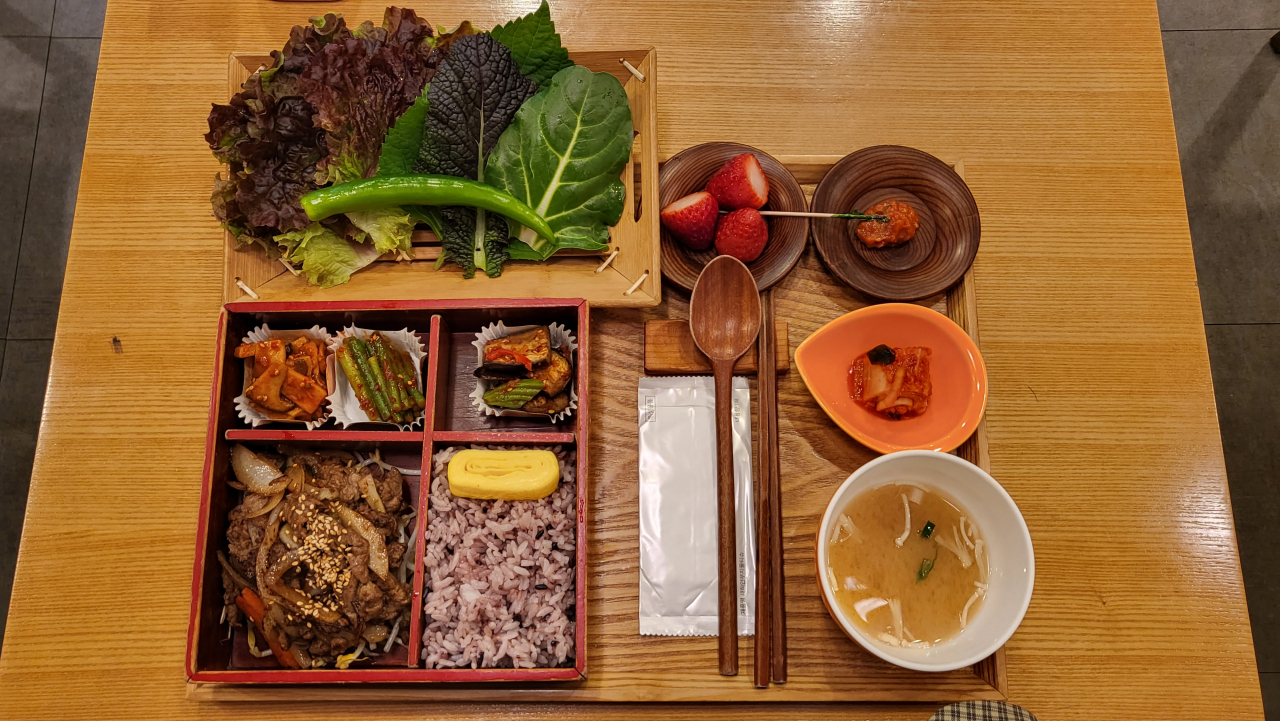
Why Korea's retro dosirak wave is bigger than nostalgia marketing
I have worked around Korean food and content brands for over a decade, and there is a specific playbook Korea keeps running. Take a childhood object, put it in front of a middle aged decision maker, and let their kids Instagram it. Retro dosirak fits that pattern almost too well. Before Reply 1988 (응답하라 1988, tvN, 2015), 옛날 도시락 restaurants numbered maybe five, mostly clustered in Insadong tourist territory. Post Reply 1988, industry estimates put the count above 200 nationwide, from Hongdae basement pubs to Busan seaside towns. That is not a fad curve. That is a franchise curve.
What makes it stick is the emotional payload. The classic dosirak wasn't just food. It was social class made visible. A kid with sausage and gyeran mari (계란말이, rolled omelette) sat next to a kid with only kimchi and rice, and everyone knew whose mom worked which shift. Reply 1988 rebuilt that hierarchy on screen, then quietly forgave it. That is the appeal foreign viewers keep circling back to. It looks like a food scene, but it lands like a class truce.
흔들어 먹기: the shake ritual that teachers tried to ban
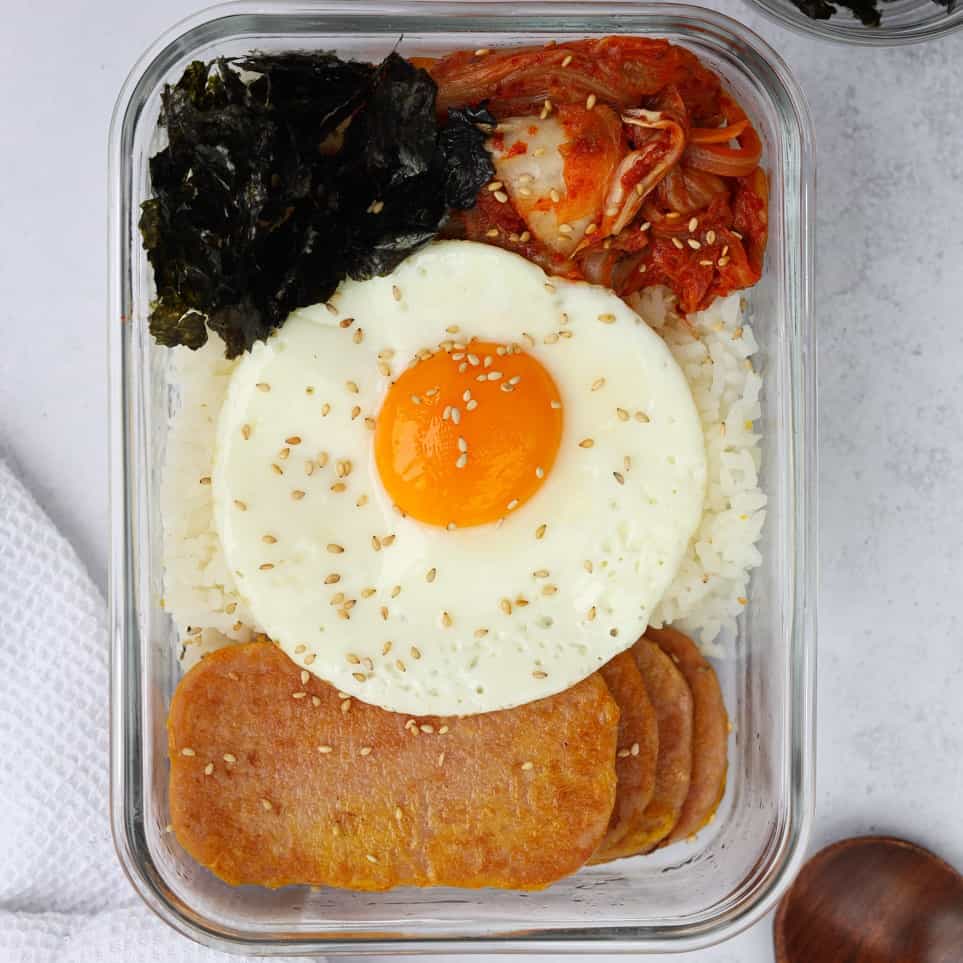
The single thing every retro dosirak restaurant sells is the shake. Close the metal lid, lift the box, and rattle it like maracas until the fried egg breaks over the rice, the sausage tumbles into the kimchi juice, and the gochujang bleeds through everything. Koreans call it 흔들어 먹기 (heundeuleo meokgi), literally "shake and eat." Every Korean adult over 40 got yelled at for it. Teachers hated the sound. Cafeteria staff hated the smell. Kids did it anyway, partly for the flavor, mostly because it was the one small rebellion the school system tolerated.
That is the emotional shortcut retro dosirak restaurants are selling now. The moment the metal box hits the wooden desk (a lot of these spots stock old style classroom desks with the raised inkwell hole), diners immediately reach for the lid. It is muscle memory disguised as marketing. And Korean F&B founders know exactly what they are doing. This is the same playbook that turned 떡방 (tteok bang, rice cake bakeries) into a Seoul-wide chain trend, that revived doenjang jjigae ajumma bars in Euljiro, and that made retro cafes with 1980s pop posters a Saturday queue phenomenon.
The Reply 1988 effect, ten years later
Reply 1988 finished with an 18.8 percent nationwide rating on tvN, still one of the highest ever for Korean cable. What people forget is how much of that show was food scenes. The five families in Ssangmun dong (쌍문동) traded banchan across gates. Deok sun's mom packed a lunchbox differently from Jung hwan's mom, and that single detail carried more character work than most dialogue scenes. The drama treated dosirak as a love language, and Korean viewers noticed immediately. Foreign viewers took a beat longer, but the streaming boom on Netflix delivered them the show years after airing, and now retro dosirak searches spike on TikTok every time a new nostalgia K drama drops.
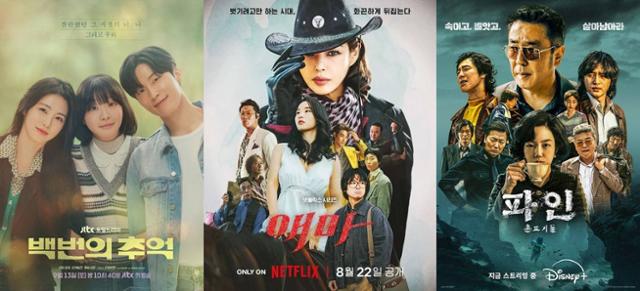
That is not accidental. Producers building retro dramas right now (A Hundred Memories on JTBC, When Life Gives You Tangerines on Netflix, Low Life on Disney Plus) all lean on food props to do the era work that dialogue cannot. A 1980s alleyway can be faked with a set. A tin lunchbox rattling on a desk cannot, because the sound itself signals a specific decade. Retro dosirak restaurants get free advertising every time one of these shows lands.
What actually goes inside a retro dosirak
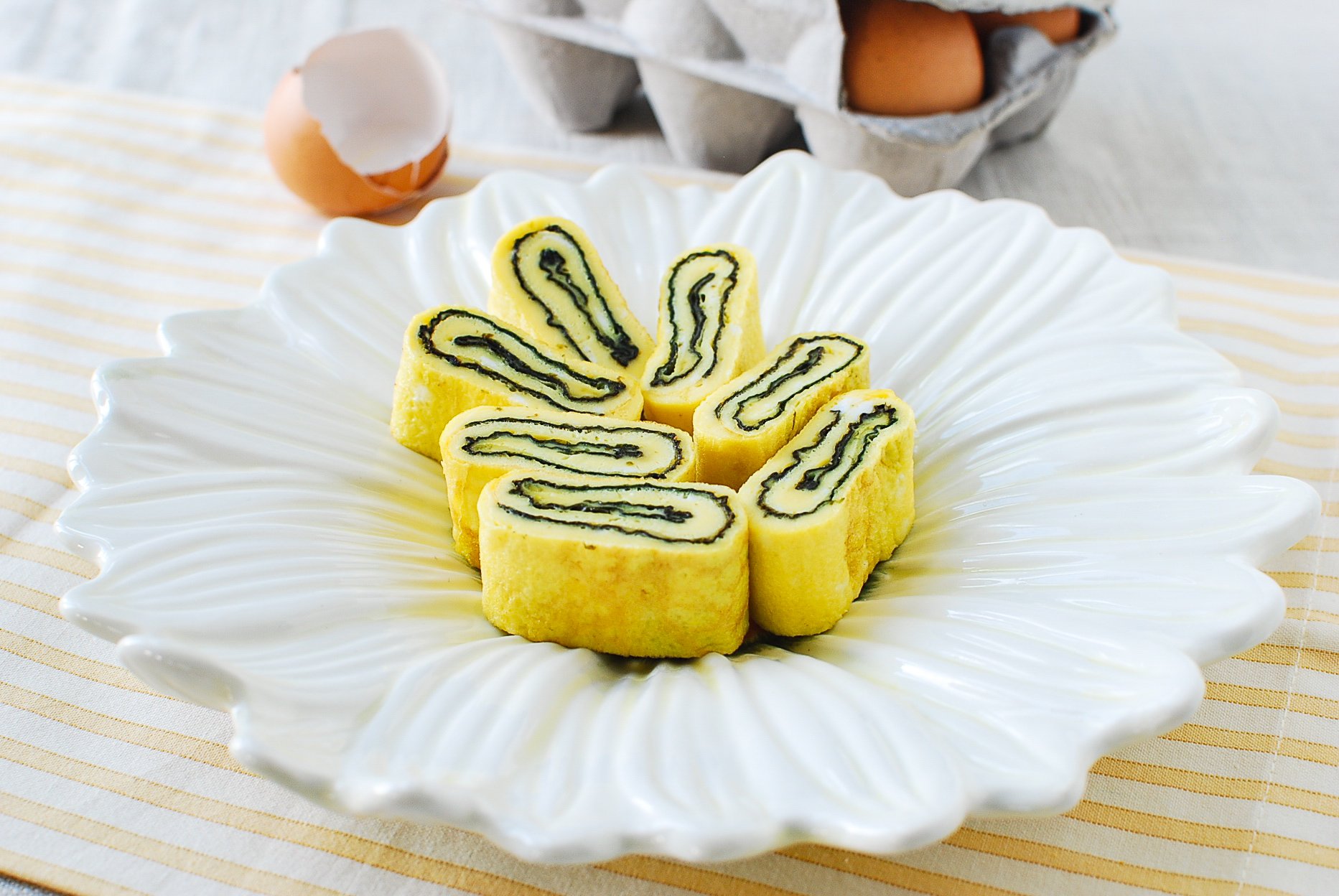
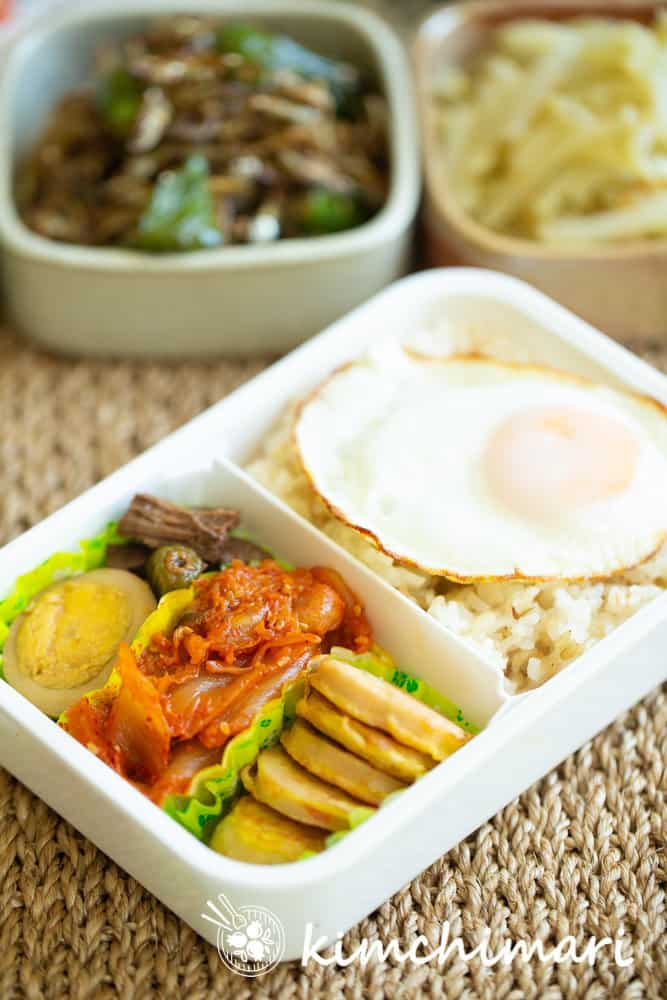
The old school build is deceptively strict. Rice fills two thirds of the tin. On top, in fixed corners: kimchi (either fresh mak kimchi or sauteed kimchi bokkeum), a sunny side up fried egg, three or four slices of pink Korean sausage (분홍소세지, bunhong soseji) or pan fried Spam, and gim (김) roasted seaweed flakes. Every retro cafe adds a small square of gyeran mari and sometimes a pat of soy braised beef called jangjorim (장조림).
The Spam thing is worth pausing on. Spam entered Korea through American military bases during and after the Korean War, and it stayed because it was cheap, salty, and shelf stable in a country that did not have widespread home refrigeration until the 1980s. Korean pink sausage (분홍소세지) is the domestic knockoff that mothers used when Spam was too expensive, and by the retro decades, it was the working class lunchbox default. Retro dosirak restaurants serve both, and the choice is basically a class inside joke that Korean diners immediately clock.
Dosirak versus bento: why the comparison keeps missing the point
Foreign fans always want to compare Korean dosirak to Japanese bento. I get why, but the comparison flattens both. Japanese bento is engineering, small compartments locking each flavor in its own box, aesthetic separation as design principle. Korean dosirak is the opposite. It is engineered to be destroyed. The whole shake ritual works because Korean flavor logic assumes 어울림 (eoullim), harmony through combination. Bibimbap does it in a stone bowl. Dosirak does it in a metal box. The tools change, the philosophy is identical.
That is also why retro dosirak translates for global palates better than bento ever did. Bento is contemplative. Dosirak is participatory. You have to shake it. You have to break the egg yolk. The diner does labor, and that labor is what unlocks the flavor. It is content ready in a way Japanese lunch culture has never wanted to be. Every viral dosirak video on TikTok includes the shake, because the shake is the reveal.
Where to try retro dosirak now
If you land in Seoul and want the full experience, three spots do it with real conviction. Miss Lee Cafe (별다방미스리) in Insadong opened before Reply 1988 aired and has been serving 옛날 도시락 with classroom desks and 1970s pop posters for close to two decades. Tongin Market (통인시장) near Gyeongbokgung sells the DIY version, where you buy brass tokens shaped like Joseon era yeopjeon coins and load your own tin box at 15 affiliate stalls across the covered arcade. It is genuinely the closest thing to time travel that costs 5,000 won. Third: any Hongdae basement pocha with old school on the sign. The build quality varies, but the shake ritual is non negotiable.
For anyone recreating this at home, the ingredients are pantry basic. Short grain rice, well fermented kimchi, Korean pink sausage or Spam, eggs, gim flakes, sesame seeds. The technical trick nobody tells you: pack the rice tight against the lid so when you shake, the sausage and egg don't slide into a single corner. That is the difference between a Reply 1988 shake and a sad tossed salad.
The nostalgia economy is not slowing down
Retro dosirak is one piece of a bigger Korean strategy. Producers, restaurateurs, and even cosmetic brands (see the recent 90s themed makeup drops from Etude and 3CE) are running the same play, because middle aged Korean consumers have money and their kids have attention. Foreign fans get pulled in because the visual language is specific enough to feel exotic and human enough to feel familiar. A tin box of rice and eggs does not need translation. Neither does the shake.
The next wave will probably be tteok bang and old school Korean bakery cafes going global. Watch for that. The dosirak boom is the template, and the template is working.
Explore Korean Snacks with Daebak
Love Korean food? Get authentic Korean snacks and ramen delivered straight to your door with the SnackFever Box by Daebak.


