


Table of Contents
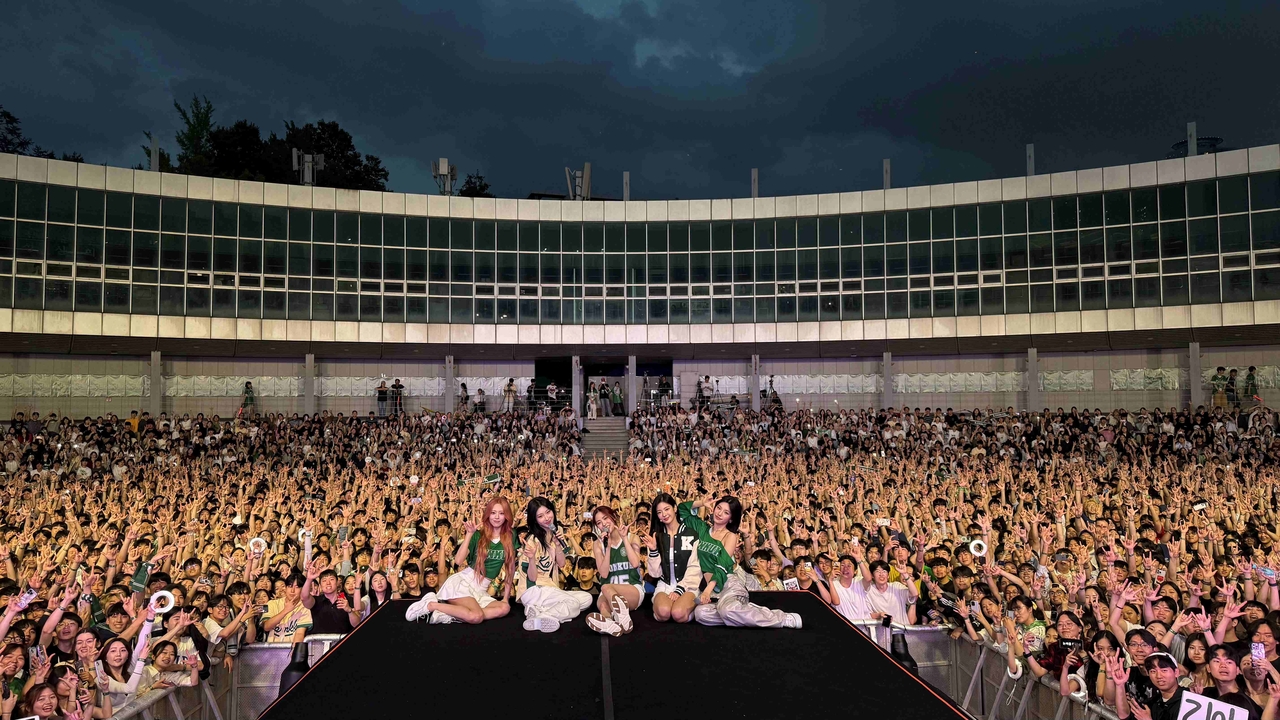
Every May the same clip resurfaces on Korean K-pop TikTok. It is a fancam of PSY, three encores deep, white tee soaked through, hyping ten thousand undergrads packed onto a campus lawn while student council staff wave "no more standing room" signs. That is 대학 축제 (daehak chukje), the Korean university festival, and after a decade watching how HYBE, SM, JYP, and YG route their spring calendar, I can tell you this: no other stage in K-pop is priced this low and pays back this hard.

What 대학 축제 actually is
The proper name is daedongje (대동제), literally "festival of togetherness," and Korean universities have been throwing them since Sungkyunkwan hosted seasonal celebrations six hundred years ago in the Joseon dynasty. The modern 축제 runs for three days in May, occasionally with a smaller autumn version, and the format has calcified into something predictable in the best way. Student council takes over the main quad, classes get paused or quietly ignored, and every walking path fills with tents run by clubs, departments, and sports teams. The one stage that matters, though, is the main lawn where the K-pop headliners perform after sundown. That is what separates 대학 축제 from a normal school event and turns it into the loudest weekend on the Korean student calendar.
Why K-pop headliners take the pay cut
Here is a number no fan blog talks about honestly. A top-tier idol group commands 100 million won or more per domestic event booking. For a college festival, most groups accept 50 to 80 million, and even that gets padded by production and travel. Only Psy sits at the ceiling, where a few Seoul schools have paid the 200 million range for a three-song set. So why do aespa, RIIZE, Itzy, and NewJeans keep saying yes at a discount? Two industry reasons that never make the fancam captions. First, 대학 축제 is the closest thing K-pop has to a public audition in front of the exact demographic that decides 컴백 (comeback) success: Koreans in their twenties who buy albums, wave lightsticks, and stream on repeat. Ten thousand phone cameras aimed at a stage is organic reach a HYBE marketing budget cannot buy. Second, campus lawns function as low-stakes tour rehearsal. Groups plotting a summer world tour treat May festivals like Coachella-style warmups: run the new setlist in front of a friendly crowd, catch the choreography gaps, come back three weeks later with a tight arena show. Former ADOR CEO Min Hee-jin openly compared the college energy to Lollapalooza. That is also why NewJeans donated every won from their seven university festivals last year to the Korea Student Aid Foundation. The visibility had already paid for itself.
주점, tteokbokki, and the daytime economy
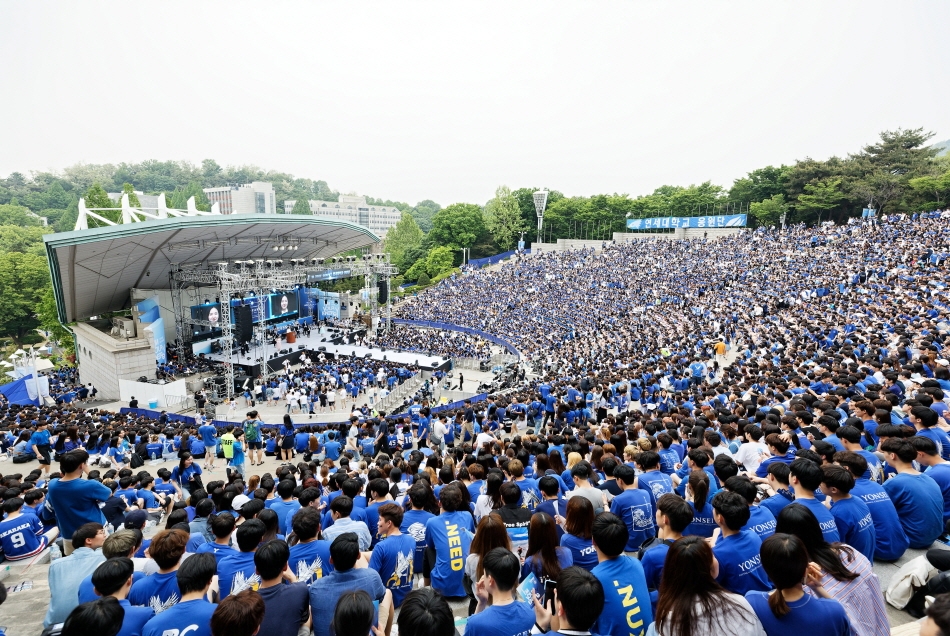
Ignore the headliner cameras for a second, because the daytime scene is the actual heart of the festival. Every club and department runs a 주점, a pop-up drinking booth serving 3,000-won soju shots, plastic-cup makgeolli, tteokbokki, dakkochi skewers, cheese hot dogs, tornado potatoes, and whatever else the members felt confident cooking. This is where 20-year-olds practice being Korean adults: pouring drinks two-handed for their 선배 (senior), losing at kkalkkal drinking games, learning that a plate of pajeon at midnight fixes almost anything. The 주점 economy is deliberately cheaper than any Hongdae bar, which is why alumni still come back every May. Around the drinking tents you also get flea markets where seniors sell old class jackets, K-beauty pop-ups from Amorepacific and Olive Young trying to lock in Gen Z brand loyalty, and full gwajam culture on display. If you have ever wondered why a Korean twentysomething in the airport lounge is wearing a satin bomber jacket embroidered with a chemistry department logo, it started at 축제.
Yonsei vs Korea vs everyone else
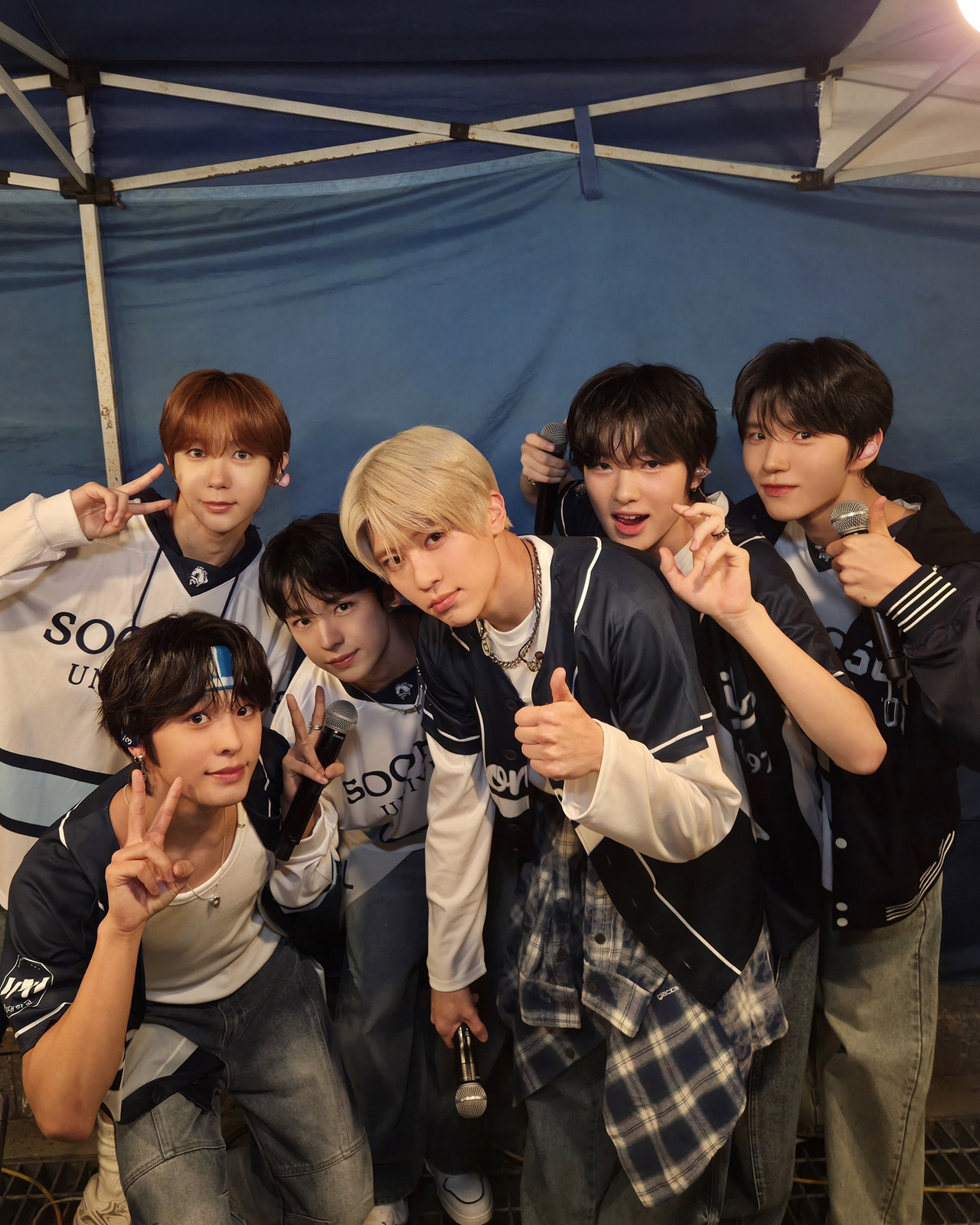
The unofficial ranking in student mouths goes: Yonsei University Akaraka and Korea University Ipselenti sit at the top, tied and rivalrous like their annual sports match. Both charge tickets, both keep the K-pop lineup secret until days before, and both consistently pull whoever is charting hardest that spring. Hanyang University RACHIOS earned respect in 2026 for booking Psy, aespa, and Davichi across three days. Konkuk University Green Zone runs on the Ilgam Lake lawn and gets Zico and Jannabi caliber acts. Hongik University HIesta MEMENTO leans into the Hongdae art-kid identity with heavier hip-hop programming (Dynamic Duo, GRAY, Loco). Outside Seoul, Pusan National University P:URIO is the biggest festival south of the capital and doubles as a Busan neighborhood party, while Kyungpook National University anchors Daegu with festival budgets north of 350 million won. Sungkyunkwan, Ewha, Chung-Ang, and Kyung Hee all run credible festivals, but the tier gap to Yonsei-Korea is real, and every student on campus knows it.

Post-COVID reality and how to actually get in
The pandemic hit 대학 축제 harder than anyone expected, and the recovery has been uneven. Smaller regional universities that used to book mid-tier idol groups cut their festival budgets to as low as 30 percent of pre-2020 levels; some folded their K-pop stage entirely and now run only club performances and student bands. Meanwhile, the top Seoul schools swung the other way, throwing bigger budgets at bigger names as a recruiting-signal for prospective freshmen. The result is that Yonsei-Korea grew even more dominant, and the scalping problem that used to hit only their ticketed alumni events has spread across the free festivals too. In 2026, Bungaejangter posts openly resold Akaraka wristbands for 400,000 won against an official 17,000-won student price. Yonsei tried to counter with mobile-only tickets tied to alumni KakaoTalk accounts, but resellers still found workarounds. If you want to try attending as a foreign visitor, follow each university student council Instagram (search KULIMAX 2026, RACHIOS, HIesta MEMENTO). Free zones open to anyone, ticketed nights ask for a Korean student ID or alumni verification, and headliner sets fill up three hours before showtime. Bring cash for the 주점 booths, wear something you can spill soju on, and you will understand why Korean twentysomethings still remember their college years by which May festival was best.
Explore More of Korea with Daebak
Want to bring a little piece of Korea into your life? The Daebak Box is packed with the best Korean snacks, ramen, and cultural goodies delivered monthly to your door.


