


Table of Contents
Walk through any traditional Korean market and you will spot it: long, glossy coils of dark sausage simmering in giant steel pots, sliced into thick rounds and served piping hot with a little dish of salt. This is sundae (순대), Korea's beloved blood sausage and one of the country's most distinctive street foods. Lighter than its European cousins and packed with glass noodles, sundae is a soul food that crosses generations, regions, and price points, from late-night market stalls to Michelin-recognized restaurants.
What Is Korean Sundae?
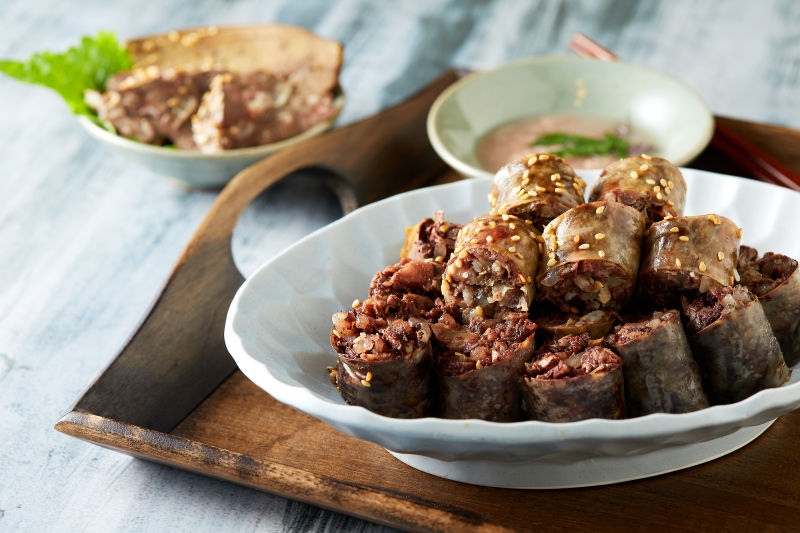
Sundae is a Korean-style blood sausage made by stuffing pig (sometimes cow) intestines with a mixture of dangmyeon (sweet potato glass noodles), glutinous rice, pig's blood, mung bean sprouts, kimchi cabbage, and aromatics, then steaming or boiling the whole sausage. Once cooked, it is sliced into thick rounds about the width of a coin and served warm. The casing is chewy, the inside is soft and slightly sticky from the noodles and rice, and the flavor is surprisingly mild and savory rather than iron-heavy.
Although the dish dates back to the Goryeo period (918 to 1392), the version most Koreans eat today took shape after the 1950 to 1953 Korean War, when meat was scarce and cooks replaced expensive minced pork with cheap glass noodles. That post-war adaptation turned sundae from a special-occasion dish into the everyday street snack it is now.
How Korean Sundae Differs from Western Blood Sausage
European blood sausages like British black pudding, French boudin noir, or Italian buristo are dense, dark, and dominated by congealed blood, fat, and grains such as oats or barley. Korean sundae takes a very different approach. Most modern sundae contains only a small percentage of blood, often 10 to 15 percent, with the bulk of the filling made up of glass noodles, rice, and vegetables. The result is lighter, springier, and less intensely mineral, which is why even first-time eaters often find it approachable. As Korea Herald notes, the alternative noodle-heavy version is now far more common than the old-style blood-forward sundae.
Regional Varieties of Sundae
Sundae is one of those Korean dishes where every region claims its own definitive style. A few stand out:
- Byeongcheon (Cheonan) sundae: Made along Aunae Market in South Chungcheong Province, this version uses small intestines and skips most of the glass noodles, giving a leaner, cleaner taste packed with chopped vegetables. It is the original lighter style that put Cheonan on the food map.
- Baekam sundae: From Yongin's Baekam area, this style is famously vegetable-heavy, with cabbage, leeks, and bean sprouts taking center stage. The flavor is gentle and herbal, often paired with a soft soup.
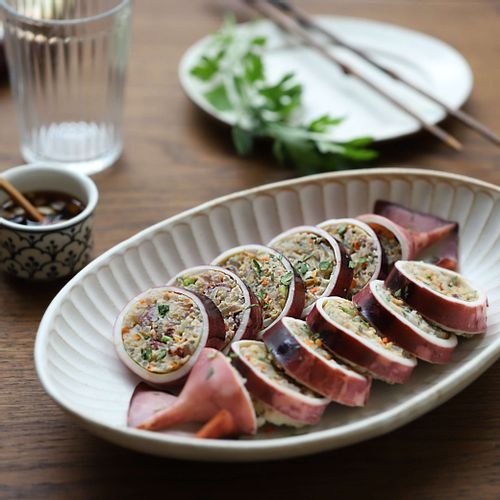
- Abai sundae: A North Korean style from Hamgyong Province, brought south by refugees who settled in Sokcho's Abai Village after the Korean War. It is bigger, blood-rich, and sometimes stuffed into squid (ojingeo sundae) instead of pig intestine.
- Jeju sundae: Reflecting the island's seafood culture, Jeju versions can include squid and other seafood in the filling and are commonly eaten as part of a gukbap, or rice soup.
How Koreans Actually Eat Sundae
Sundae is rarely a solo dish. Koreans eat it in several beloved formats that you will see on almost every market menu:
- Plain sliced sundae with salt: The Seoul classic. Slices are dipped into a small saucer of fine salt seasoned with black pepper and sometimes red chili powder. In Gyeongsang Province, ssamjang takes the place of salt.
- Perilla powder (deulkkae garu): A nutty, fragrant powder sprinkled on sundae and into sundae soup. It is the secret flavor that turns the dish from good to addictive.
- Sundae gukbap: A bubbling bowl of rich beef-bone broth poured over rice, sliced sundae, and pieces of boiled pork offal. Eaten with a side of fermented shrimp and green chili, it is a famous Korean hangover and comfort food.
- Sundae bokkeum: A sweet-spicy stir-fry where sliced sundae meets gochujang sauce, cabbage, perilla leaves, and chewy rice cakes. Most famously sold around Sindang-dong's tteokbokki alleys.

Top Seoul Markets and Streets for Sundae
If you want to taste sundae the way locals do, three Seoul spots stand out:
- Sindang-dong Tteokbokki Town: Built around the postwar birth of stir-fried tteokbokki, this alley near Jung-gu is where many shops mix tteokbokki with sundae and ramen to create the iconic tteok-sundae combo.
- Gwangjang Market: One of Korea's oldest and most photogenic traditional markets, Gwangjang is famous for bindae-tteok, yukhoe, and a sundae-and-pork-head counter where granny-run stalls slice fresh sausage to order.
- Mangwon Market: A neighborhood favorite in Mapo-gu, Mangwon offers a quieter, more local sundae experience, with vendors who sell freshly steamed sundae by the gram for takeout.
Sundae vs Korean Deep-Fried Snacks (and Common Confusions)
Sundae is steamed or boiled, never deep-fried. The crispy, golden Korean snack people sometimes confuse with sundae is usually a different dish entirely, such as twigim (Korean tempura) or gimmari (seaweed-wrapped glass noodle rolls fried until crisp). You will often see those frying away at the same market stalls that sell sundae and tteokbokki, but the sundae itself stays moist and tender. The chewy texture comes from the dangmyeon noodles and intestine casing, not from frying.
Sundae Beyond Korea
You no longer need a plane ticket to taste sundae. Most Korean grocery stores worldwide now stock pre-cooked frozen sundae in the freezer section, ready to thaw and steam or fry at home. Korean restaurants in cities with large Korean diaspora communities such as Los Angeles, New York, London, Sydney, and Toronto regularly serve sundae as a side or part of sundae gukbap. In recent years, even fine-dining chefs have started reinventing sundae for global menus, including a Michelin Plate sundae omakase in Seoul that serves multiple regional styles as a tasting course.

Tips for First-Time Sundae Eaters
If sundae is new to you, start with a plate of plain steamed sundae served with salt and a side of perilla powder. The mildness will surprise you. If you like the texture, work your way up to sundae gukbap on a cold day, then try sundae bokkeum when you want something spicy. Avoid the very large, blood-heavy slices if you are sensitive to iron-rich flavors, and look for shops that serve their sundae freshly steamed rather than reheated, the difference in tenderness is huge.
Explore Korean Snacks with Daebak
Love Korean food? Get authentic Korean snacks and ramen delivered straight to your door with the SnackFever Box by Daebak.


