


Table of Contents
Gyeongju (경주) is the ancient capital of the Silla dynasty and arguably the most historically dense city in South Korea. Once the capital of one of the world's wealthiest medieval kingdoms for nearly a thousand years (57 BC to 935 AD), Gyeongju is now a UNESCO-protected open-air museum where royal tombs sit in city parks, eighth-century Buddha grottos overlook the sea, and pristine wooden palaces light up over still ponds at night. If you have time for only one Korean city outside Seoul, many travelers would still pick Busan; if you have time for a second, Gyeongju should be it.
This guide walks through the essential Gyeongju travel itinerary: the UNESCO World Heritage sites, the best day-trip versus multi-day approach, the food specialties, the optimal travel seasons, and how to get there from Seoul or Busan.
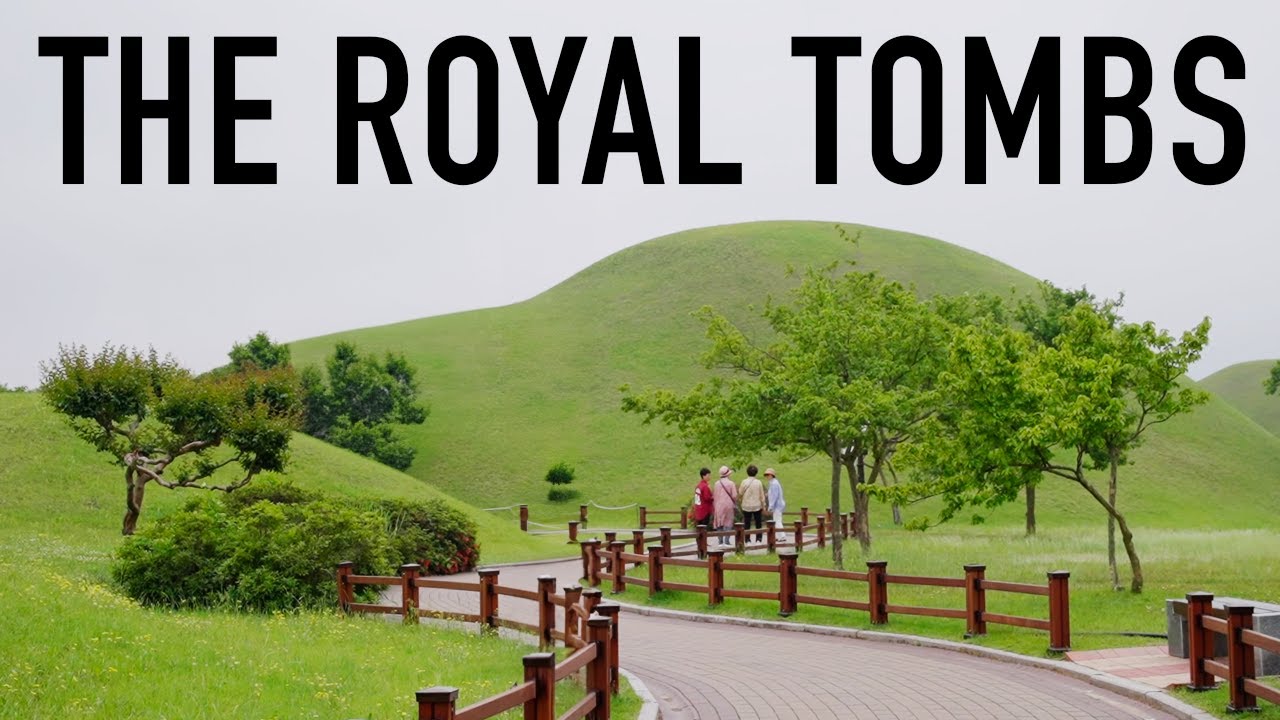
Why Gyeongju Matters
Gyeongju was the capital of the Silla kingdom for nearly 1,000 years, making it one of the longest-serving capitals in the world. At Silla's peak in the seventh through ninth centuries, Gyeongju was a metropolis of around 900,000 people, a global trading hub linked to Tang dynasty China, the Middle East, and Japan. The city's Buddhism, art, and architecture shaped the foundation of Korean culture for the next thousand years.
When the Goryeo dynasty replaced Silla in 935 AD, Gyeongju's importance faded politically but its physical legacy remained. The city is now sometimes called the "museum without walls" because royal tombs, temple ruins, palace foundations, and ancient artifacts are scattered throughout the modern city. UNESCO has designated multiple Gyeongju sites as World Heritage, including Bulguksa Temple, Seokguram Grotto, the Yangdong folk village, and the Gyeongju Historic Areas.
Bulguksa Temple and Seokguram Grotto
The defining Gyeongju experience is the pair of UNESCO sites on Mount Toham: Bulguksa Temple and Seokguram Grotto. Built in 751 AD during the height of Silla, these two sites represent the artistic and spiritual peak of Korean Buddhism. Bulguksa is a sprawling temple complex with wooden halls, courtyards, and the iconic pair of stone pagodas (Seokgatap and Dabotap). Seokguram, hidden in a mountain grotto above the temple, contains a single eighth-century granite Buddha statue universally considered one of the finest Buddhist sculptures in the world.
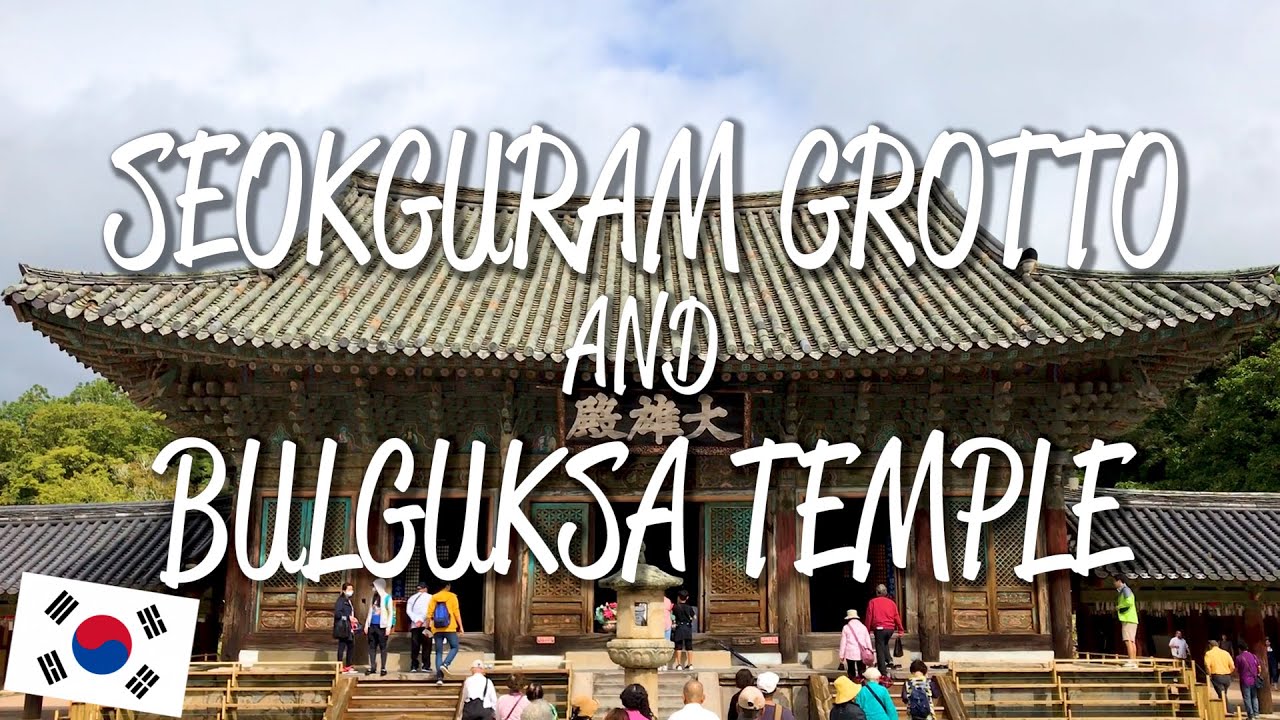
Both sites are about 16 km east of central Gyeongju and can be reached by bus 10 or 11 in about 40 minutes. The standard itinerary visits Bulguksa first (allow two to three hours for the temple complex), then takes a short bus or taxi up the mountain to Seokguram (45 minutes including the walk from the parking lot). The combined visit takes a full half-day.
Daereungwon Tomb Complex
Right in the center of modern Gyeongju, the Daereungwon Tomb Complex (대릉원) is a park containing 23 grass-covered royal tomb mounds, some over 1,500 years old. One of the tombs, the Cheonmachong (Heavenly Horse Tomb), has been excavated and partially opened to visitors, who can walk inside the mound to see a reconstructed view of the tomb chamber, the famous saddle-blanket painting of a flying horse, and original Silla gold artifacts.
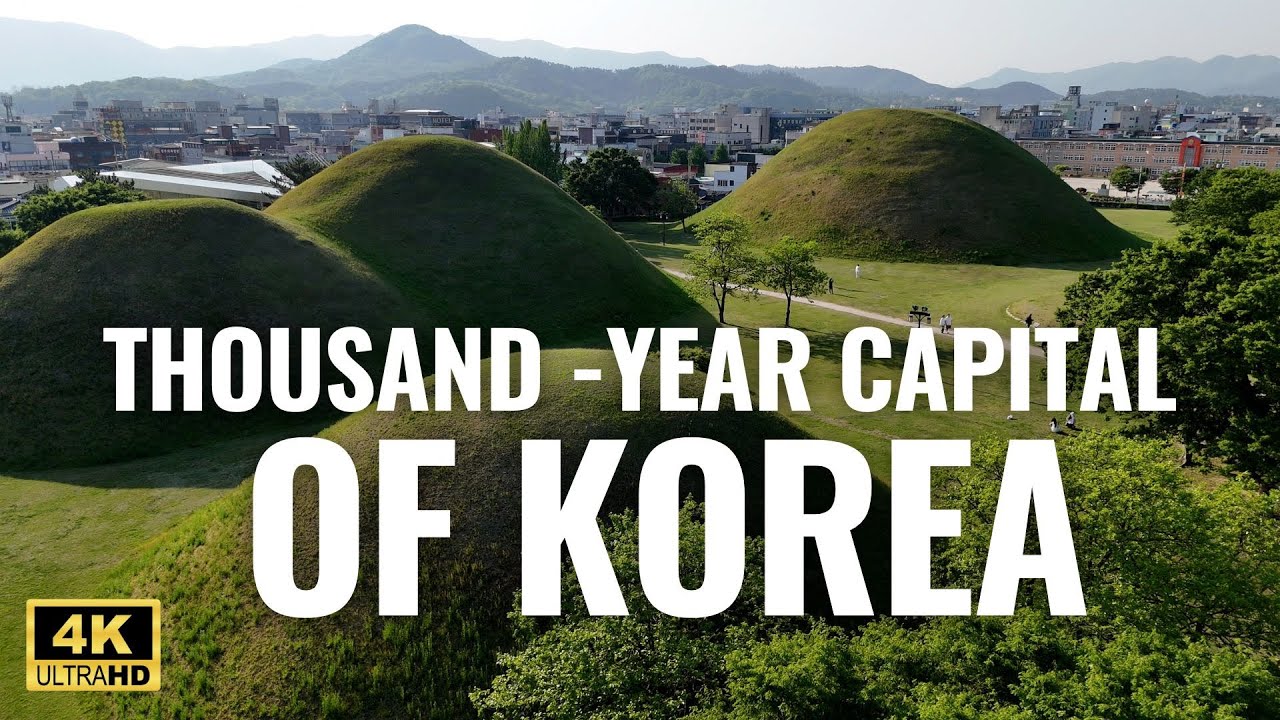
The tomb mounds are remarkably photogenic, especially in spring when cherry blossoms line the surrounding paths, and in autumn when ginkgo trees turn the park gold. The Daereungwon entrance is centrally located in Gyeongju proper, walkable from most downtown hotels. Plan about 90 minutes for a thorough visit including the Cheonmachong interior.
Donggung Palace and Wolji Pond
The most photographed Gyeongju site is Donggung Palace and Wolji Pond (동궁과 월지), also known historically as Anapji. The site was the eastern palace of the Silla crown prince and the pond was an artificial lake built in 674 AD for royal banquets. The palace was partially reconstructed in the 1970s, and the site is now most famous for its dramatic night illumination.
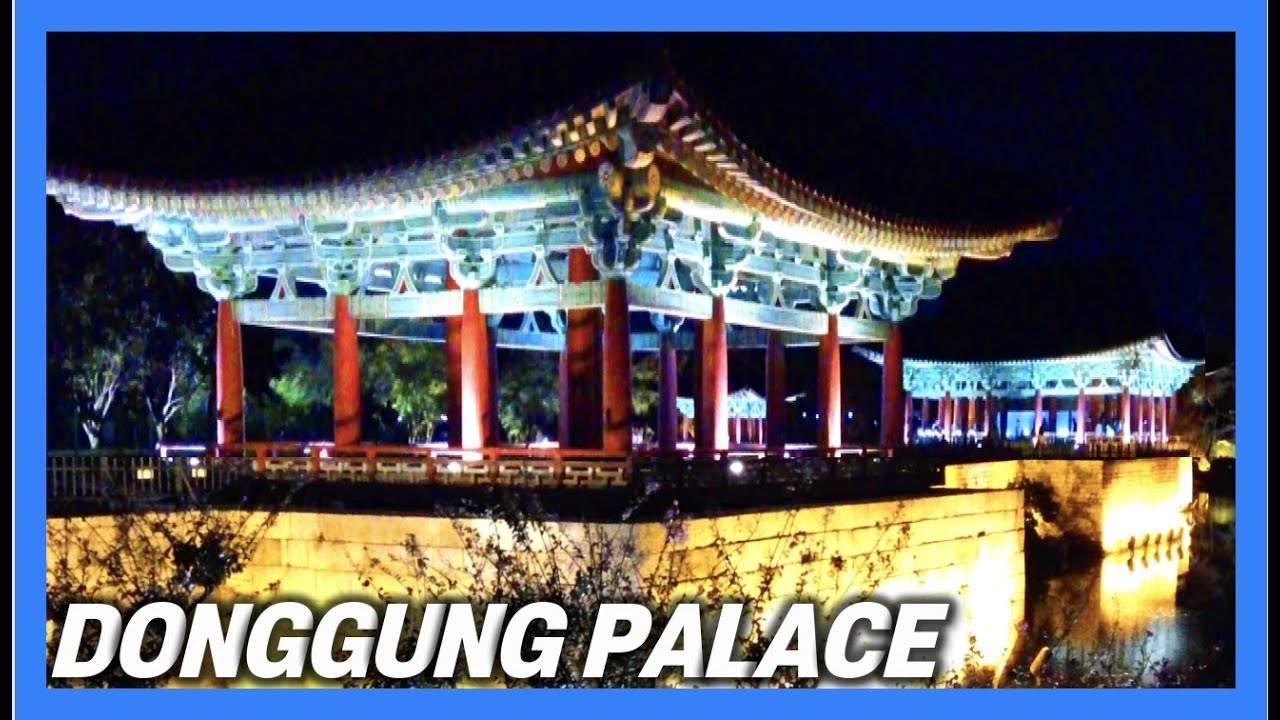
The standard tourist visit is at sunset: walk in around 6 to 7 PM, watch the palace lights turn on as the sky darkens, and circle the pond as the wooden buildings reflect perfectly in the still water. The site stays open until 10 PM in summer. The full circuit takes about an hour. Pair the visit with dinner at one of the nearby Hwangnam-dong restaurants serving Gyeongju specialties.
Gyeongju National Museum
The Gyeongju National Museum is the second-largest museum in Korea after the Seoul National Museum, and it specializes entirely in Silla dynasty artifacts. The collection includes the gold crown found in the Heavenly Horse Tomb, the Emille Bell (the world's largest hand-cast bronze bell, ringing with one of the most haunting bell tones ever recorded), and thousands of pottery and bronze items from royal Silla tombs.
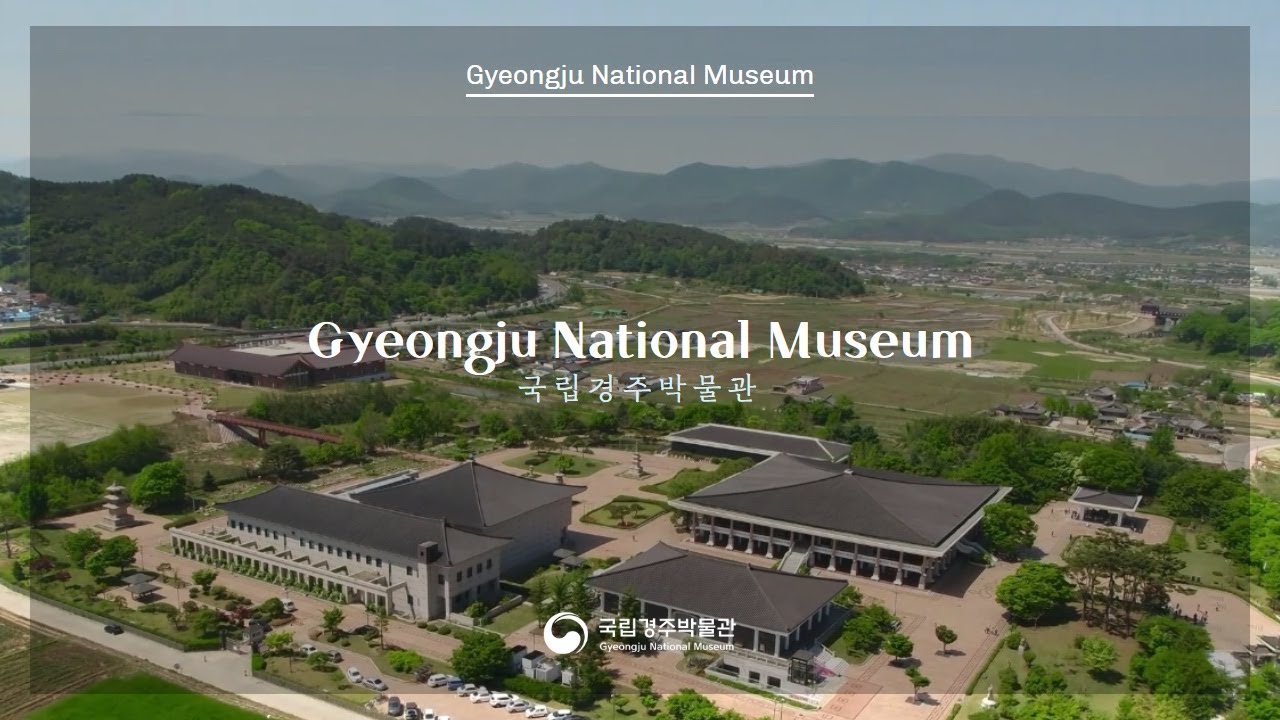
The museum is free, opens at 9 AM, and rarely crowds. Plan two to three hours for a thorough visit. The outdoor section displays massive Silla stupas, pagoda fragments, and the Emille Bell pavilion. Pair the visit with the nearby Cheomseongdae (the seventh-century astronomical observatory tower, one of the oldest surviving astronomy facilities in the world) for a complete morning of Silla history.
Gyeongju Food Specialties
Gyeongju has its own regional food culture. The most famous local specialty is Hwangnam Ppang (황남빵), a small round red bean bread that has been baked in central Gyeongju since 1939. The original Hwangnam Ppang bakery is still operating, and the bread (slightly chewier and richer than typical Korean danpatbbang) is the city's defining snack.
Other Gyeongju food specialties include kalguksu (knife-cut noodles) at Cheomseongdae-area restaurants, Gyeongju-style hanjeongsik (a traditional Korean royal banquet set), and ssambap (a Gyeongju leaf-wrap rice meal). For dessert, try chal boribbang (Gyeongju-style barley bread). Gyeongju is also known for some of the best Korean BBQ in the country thanks to surrounding cattle farms.
How to Get to Gyeongju and Where to Stay
From Seoul, the fastest route is KTX from Seoul Station to Singyeongju Station (about 2 hours), then a 10-minute taxi or local bus into Gyeongju proper. The slower but cheaper option is the express bus from Gangnam Express Bus Terminal (3.5 to 4 hours). From Busan, Gyeongju is closer (about 1 hour by KTX or 1.5 hours by bus).
Most visitors stay either in central Gyeongju (Hwangnam-dong, walkable to most major sites) or in the Bomun Tourist Complex (Bomun Lake area, about 15 minutes from downtown, more resort-style hotels). For a single-day visit, the central area is easier. For a multi-day stay, the Bomun area offers better hotels, golf, and lake views.
Explore More of Korea with Daebak
Want to bring a little piece of Korea into your life? The Daebak Box is packed with the best Korean snacks, ramen, and cultural goodies delivered monthly to your door.


