


Table of Contents
There are few ingredients in Korean cuisine as versatile, culturally significant, or deeply beloved as tteok. These rice cakes appear in virtually every dimension of Korean food life: as street food (tteokbokki), as celebration food (songpyeon for Chuseok), as daily snacks (injeolmi from the corner tteok shop), as royal court confections (gaeseong juak), and as the base for some of Korea's most iconic dishes. Understanding tteok is understanding a core thread of Korean food culture that stretches back at least two thousand years.
What Is Tteok?
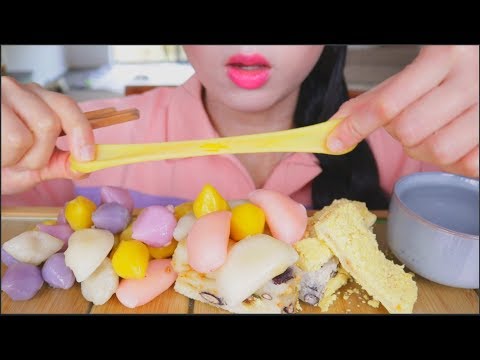
Tteok (pronounced roughly "duk" or "dock") is a general term for Korean rice cakes made from glutinous rice (chapssal) or non-glutinous rice (maepssal), or a combination of both. The rice is typically soaked, ground, and then processed through one of several methods: steaming, pounding, boiling, pan-frying, or some combination. The result ranges from firm and dense to pillowy soft, from sticky and chewy to light and fluffy, depending on the rice type, preparation method, and any additional ingredients incorporated.
Unlike Japanese mochi (which is made exclusively from glutinous rice pounded until smooth) or Chinese nian gao (glutinous rice cakes typically steamed in a loaf), Korean tteok encompasses an enormous variety of textures, shapes, flavors, and cultural associations. There are over two hundred documented varieties of traditional tteok in Korean culinary literature, reflecting regional variations, seasonal ingredients, ceremonial purposes, and historical adaptations across the peninsula.
The History and Cultural Significance of Tteok
Archaeological evidence suggests rice cultivation and rice cake production in the Korean peninsula dates back to at least the Bronze Age (circa 1500-300 BCE). By the Three Kingdoms Period (57 BCE to 668 CE), tteok production was sophisticated enough to produce varieties recognizable in modern Korean food culture. The Goryeo Dynasty (918-1392) saw tteok elevated to royal court cuisine, with specialized rice cake makers employed to produce confections for ceremonies and feasts.
Tteok is inseparable from Korean ritual life. Almost every significant life event, from birth to death, involves specific tteok varieties. Baekil tteok (white rice cake) is prepared on a baby's hundredth day of life as a prayer for long life and health. The rice cake is traditionally shared with one hundred neighbors, with the belief that spreading it widely strengthens the wish. Doljanchi (first birthday) celebrations feature tteok in elaborate arrangements. Weddings, ancestral rite ceremonies (jesa), and seasonal celebrations all have their associated tteok varieties.
The proverb "tteok daesin galge" ("I will give tteok instead") reflects how deeply embedded rice cakes were in Korean gift-giving culture. To this day, moving into a new home or opening a new business typically involves giving neighbors or associates tteok (usually baekseolgi or injeolmi), continuing a tradition of communal sharing through rice cake that has persisted for centuries.
Tteokbokki: The Most Famous Tteok
For international audiences, tteok is most recognizable in its tteokbokki form: cylindrical garae-tteok (tube-shaped rice cakes) cooked in a spicy gochujang sauce that has become one of Korea's most globally recognized street foods. The chewy, slightly dense texture of garae-tteok absorbs the spicy sauce while maintaining its structural integrity through extended cooking, making it uniquely suited to the tteokbokki preparation.
The modern tteokbokki sauce style, sweet-spicy and gochujang-based, dates to the 1950s and postwar Seoul. Earlier versions of tteokbokki (called gungjung tteokbokki) used soy sauce, beef, and vegetables rather than gochujang, and this older style remains available at certain traditional restaurants. Both styles use the same garae-tteok, demonstrating how a single tteok variety can function across very different culinary contexts.
Injeolmi: The Beloved Classic
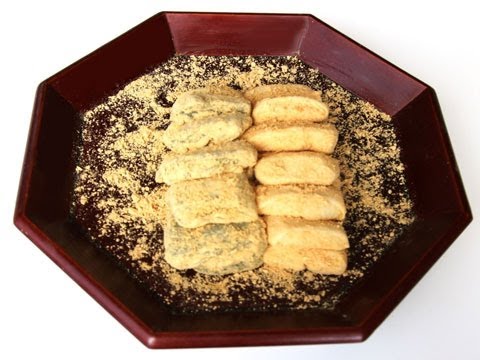
Injeolmi is arguably Korea's most beloved traditional tteok. Made by steaming glutinous rice until cooked, pounding it until completely smooth and elastic, then cutting it into blocks and coating each piece in roasted soybean flour (konggaru), injeolmi has a distinctive flavor and texture that has proven enduringly popular across generations. The exterior coating of soybean flour adds a nutty, slightly bitter note that perfectly balances the gentle sweetness of the pounded glutinous rice.
Injeolmi's texture is the key to its appeal: that specific Korean-language texture quality called "jjolgit" (chewy but yielding, bouncy but not rubbery) is achieved through the pounding process, which aligns the glutinous rice starch in a way that creates a uniquely satisfying resistance. Chewing injeolmi has a sensory quality that is difficult to find in any other food.
Modern injeolmi applications have extended far beyond the traditional block form. Injeolmi latte (a soybean flour-flavored coffee drink), injeolmi toast (thick bread toasted and coated with injeolmi powder), injeolmi bingsu (shaved ice topped with injeolmi cubes and soybean flour), and injeolmi ice cream have all become popular cafe items in Korea and Korean-influenced cafes internationally.
Songpyeon: Chuseok's Rice Cake
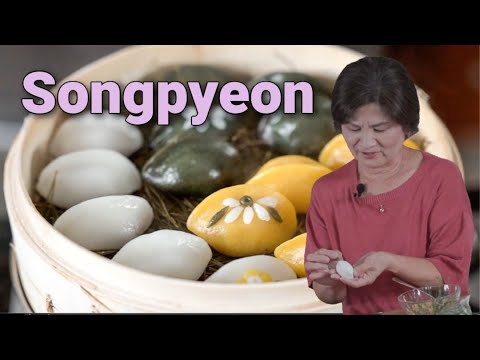
Songpyeon is the tteok most associated with Chuseok, Korea's autumn harvest festival and one of the two most important traditional holidays of the year. These half-moon shaped rice cakes are made from non-glutinous rice flour dough, filled with sweet ingredients (sesame and honey, chestnut, red bean, or pumpkin), and steamed on a bed of pine needles. The pine needles impart a subtle, clean fragrance to the tteok and are considered to have antimicrobial properties that extend the rice cake's freshness.
Making songpyeon together as a family is a Chuseok tradition in itself. Multiple generations gather to roll, fill, and shape the small rice cakes, with the belief that beautiful songpyeon made by an unmarried person predicts a beautiful spouse in their future. The communal production of songpyeon is as important as the eating: it is an expression of family unity, the passing down of food traditions, and a moment of deliberate slowness in an increasingly fast-paced society.
Regional songpyeon varieties exist across Korea. Gaeseong (now in North Korea) is known for particularly delicate songpyeon with a distinct folded shape. Gangwon Province produces pine mushroom-flavored varieties. Gyeonggi Province versions tend to be larger and more filled. This regional diversity reflects the broader pattern of tteok being a mirror of local agricultural conditions and cultural preferences.
Garae-Tteok and Tteokguk
Garae-tteok (long, smooth rice cake cylinders) serves double duty in Korean food culture. When sliced into oval discs and cooked in beef bone broth with various garnishes, it becomes tteokguk, the soup traditionally eaten on Seollal (Korean New Year's Day). Eating tteokguk on New Year's Day is believed to add a year to one's age and bring good fortune for the year ahead. The white color of the garae-tteok symbolizes purity and new beginnings.
Tteokguk is one of the most deeply emotional dishes in Korean cuisine: its association with family, new beginnings, and the cycles of time gives a simple rice cake soup layers of meaning that go well beyond its relatively simple ingredients. Many Koreans living abroad make specific efforts to prepare tteokguk on New Year's Day regardless of where they are, maintaining a connection to Korean seasonal rhythms through food.
Baekseolgi and Celebration Tteok
Baekseolgi (white snow rice cake) is a pure white steamed rice cake with a light, slightly grainy texture and a clean, delicate flavor. It is one of the most traditional and ceremonially significant tteok varieties, appearing at births, hundredth-day celebrations, first birthdays, and ancestral rites. Its pure white color symbolizes purity, good fortune, and blessings.
Gyeongdan are small, round rice balls made from glutinous rice flour and coated in various ingredients: soybean flour, sesame, coconut, or sweet red bean. They come in white, pale green (from mugwort), and pale pink varieties, with the color often carrying symbolic meaning. At celebrations and festivals, gyeongdan are arranged in colorful patterns on serving platters, their visual beauty as important as their flavor.
Chapssaltteok: Korean-Style Mochi
Chapssaltteok is Korea's closest equivalent to Japanese mochi: soft, pounded glutinous rice cake filled with sweet red bean paste, occasionally flavored with strawberry, green tea, or other ingredients. While the basic concept is similar to mochi, Korean chapssaltteok tends to have a slightly different texture (often a bit thicker and chewier) and a range of filling options that reflect Korean flavor preferences.
Modern chapssaltteok shops in Korea have elevated the format considerably, with premium versions featuring fresh fruit fillings (whole strawberry wrapped in red bean, which is then wrapped in pounded rice cake), cream cheese fillings, and seasonal flavor combinations. These contemporary chapssaltteok shops have become popular gifting destinations, particularly around Valentine's Day and Chuseok, when beautifully packaged rice cakes are given as premium food gifts.
Tteok Shops and Tteok Culture Today
Traditional tteok shops (tteok jip) can still be found throughout Korea, often specializing in ceremonial tteok made to order for weddings, birthdays, and memorial events. The tteok maker's craft is recognized as important cultural heritage in Korea, with master tteok artisans receiving formal recognition from cultural institutions.
At the same time, contemporary tteok culture has expanded dramatically through modern cafes, fusion bakeries, and international export. Korean tteok is now available at Korean grocery stores worldwide, and frozen varieties exported from Korea maintain good quality for home consumption. The global rise of Korean food culture has introduced millions of international eaters to injeolmi, tteokbokki rice cakes, and songpyeon, creating international demand for authentic tteok that continues to grow.
Explore More Korean Food Culture
From ancient ceremonial rice cakes to beloved street food staples, tteok is a window into the depth and variety of Korean culinary tradition. And when you want to explore Korea's modern snack culture, including rice cracker varieties and tteokbokki-inspired snack products, the SnackFever Box brings the best of Korean snacking directly to you each month.
Final Thoughts
Tteok is a subject that rewards the deeper you go. Every variety has a story, a regional origin, a ceremonial context, and a flavor and texture that is distinct from every other. To eat your way through the world of Korean rice cakes is to move through Korean history, seasonal life, family ritual, and culinary artistry simultaneously. Start with injeolmi if you have not already. Then find some songpyeon in the fall. Seek out good tteokbokki year-round. And let each rice cake expand your understanding of what a single ingredient can become in the hands of a culture that has spent two thousand years perfecting it.


