


Table of Contents
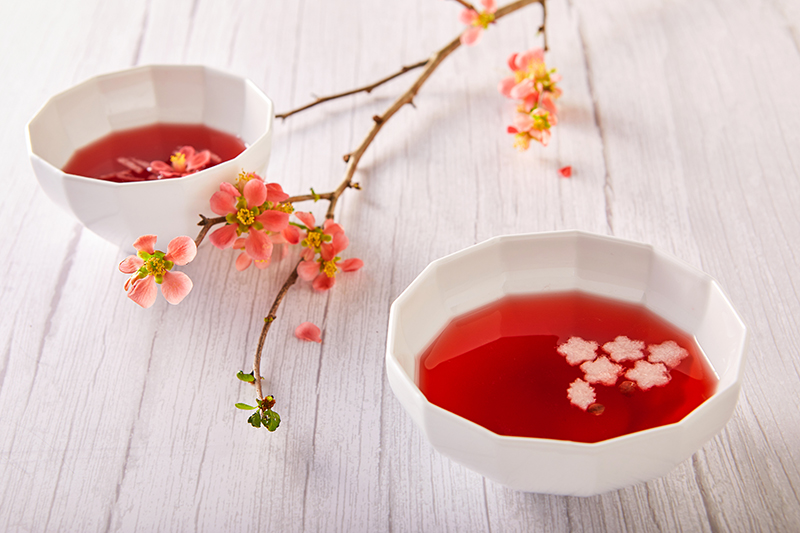
If you have spent time in a Korean traditional tea house in Insadong or Jeonju, you have probably been served a small bowl of bright magenta liquid with a few ice cubes floating on top. That drink is omija cha (오미자차), the Korean five-flavor berry tea, and it is one of Korea's most distinctive traditional drinks. The name "five-flavor" is not marketing language. A single sip of omija tea genuinely delivers sweet, sour, bitter, salty, and pungent notes all at once, in a way no other tea on earth quite matches.
This guide walks through everything worth knowing about Korean omija tea: what the berry is, why it carries five flavors, the traditional medicinal uses, how to brew it at home (cold or hot), and where to buy authentic omija outside of Korea.
What Is Omija?
Omija (오미자) is the Korean name for the berry of the Schisandra chinensis plant, a deciduous climbing vine native to East Asian forests. The berries grow in small clusters that turn from green to bright red as they ripen between August and October. Dried, they range in color from deep red to almost black, and they release a vivid magenta color when steeped in water.
The name omija literally translates as "five-flavor fruit," and the meaning is precise rather than poetic. Eaten fresh or steeped, omija delivers sweet (껍질, the skin), sour (과육, the flesh), bitter (씨앗, the seed), salty (a mineral note from the dried berry), and pungent (매운맛, a slight heat in the seed). Korean traditional medicine prized this five-flavor profile as a sign of comprehensive medicinal effect on the body's organs.
The Traditional Medicinal Uses
In Korean traditional medicine (hanbang), omija has been used for more than a thousand years to support liver function, improve circulation, increase stamina, and calm the nervous system. The berry is one of the 50 fundamental herbs in traditional Chinese medicine and shares similar status in Korean herbal medicine. Modern studies have suggested some of these effects (notably the adaptogenic, anti-fatigue properties) have a biochemical basis, although the research is still developing.
The most common everyday use is as a summer cooling drink. Omija cha is naturally cooling, hydrating, and slightly tart, which makes it appealing on hot days. Korean families have traditionally served it during the hottest weeks of July and August (the boknal period) alongside hot samgyetang soup, with the omija acting as the cool counterbalance to the warming chicken broth.
The Cold-Brew Method (Traditional)
The most traditional and authentic way to make omija tea is the cold-brew method. Place 30 to 40 grams of dried omija berries in a glass jar with 1 liter of cool, clean water. Refrigerate overnight (or for 12 to 24 hours) without applying any heat. The water gradually extracts the color, sweetness, and complex flavor from the berries while keeping the bitter and astringent notes minimal.
The cold-brewed result is brilliantly magenta-pink, slightly tart, and naturally mild in bitterness. Strain out the berries before serving. Add honey or rock sugar to taste (most Koreans add a small amount to balance the sourness). Serve chilled with ice. The leftover tea keeps in an airtight container in the refrigerator for up to a week.
The Hot-Brew Method (Faster)
The faster method is to bring the berries to a low simmer in water for about 10 minutes, then strain. The hot brew extracts flavor more aggressively, which produces a slightly more bitter and astringent cup. Hot omija tea is a winter alternative to the summer cold brew and is sometimes served with a thin slice of fresh pear or a sprinkle of pine nuts floating on top.
For both methods, the standard ratio is about 30 to 40 grams of dried berries per liter of water. Less produces a watery, thin tea. More produces something so intense it feels like medicine. Adjust to your palate after the first brew.

Omija Hwachae: The Summer Punch
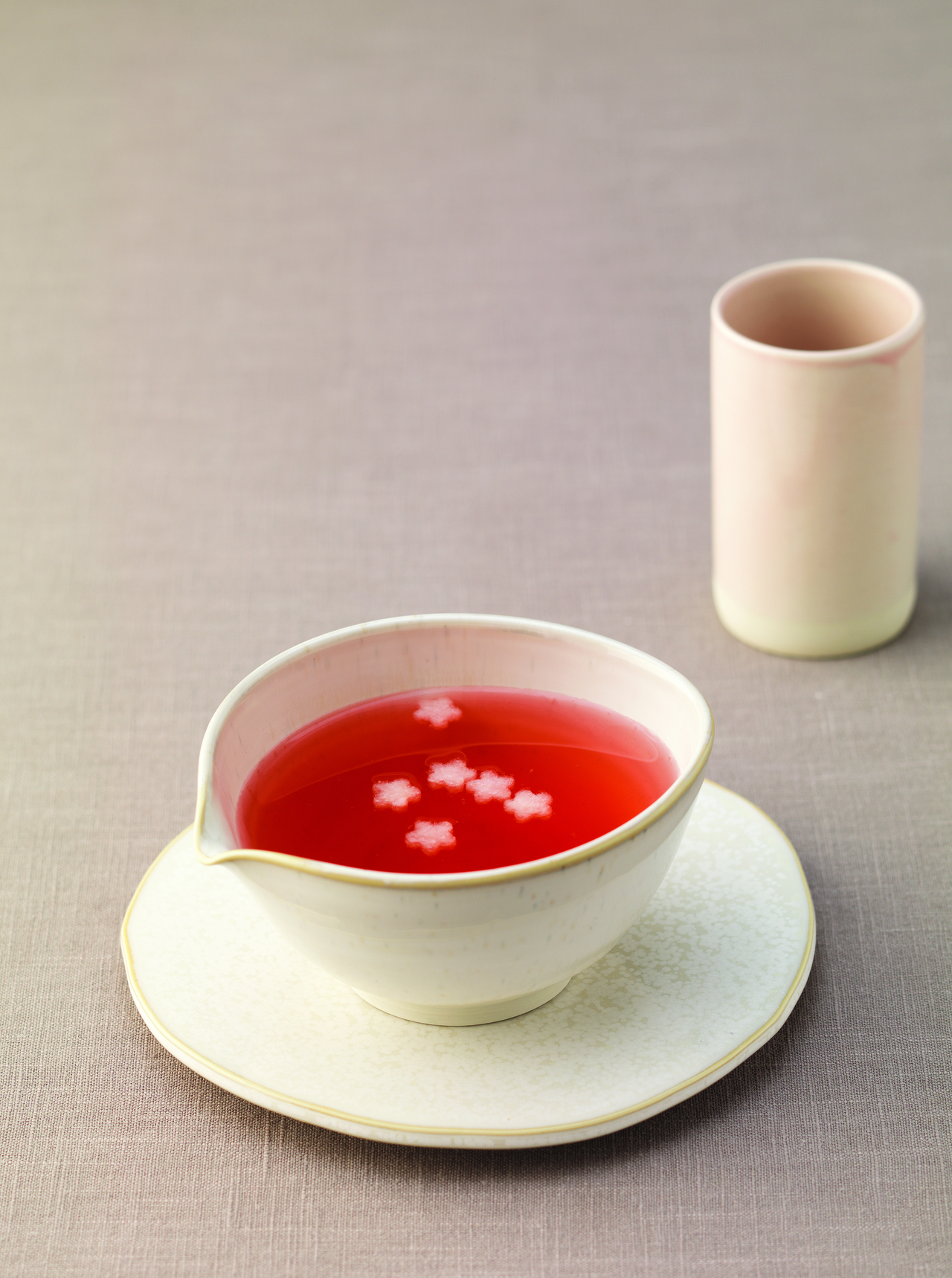
Beyond plain tea, omija is famously used to make omija hwachae (오미자화채), a traditional Korean summer punch. The base is cold omija cha sweetened with honey, served in a chilled bowl with thin slices of Korean pear, pine nuts, edible flower petals (often azalea or chrysanthemum, depending on the season), and occasionally small rice cake balls (saealsim).
Omija hwachae is one of the most photogenic Korean desserts, with the bright magenta liquid contrasting against the white pear and yellow flower petals. The drink is often served at Korean banquets, traditional tea ceremonies, and high-end Korean restaurants as a refreshing finish to a meal. Many Korean cooking shows feature omija hwachae in their summer specials.
Where Omija Comes From in Korea
The most famous omija producer in Korea is Mungyeong, a small mountain city in North Gyeongsang Province. The Mungyeong omija is widely considered the best in the country thanks to the area's cool nights, foggy valleys, and pristine mountain water. The city now hosts an annual Mungyeong Omija Festival in September, with omija jam, omija wine, omija jelly, omija pancakes, and even omija ice cream.
Other significant omija production areas include the mountain regions of Gangwon-do, Chungcheongbuk-do, and the slopes around Jeju Island. Each region's berries have subtle taste differences. Mungyeong omija is the most rounded and the standard reference; Gangwon berries tend to be slightly more sour; Jeju berries are sometimes blended with citrus for hybrid products.

Omija in Modern Korean Cuisine
Modern Korean cuisine has expanded omija well beyond tea. The berry now appears in omija syrup (used in Korean cocktails and ades), omija makgeolli (a fruit-infused rice wine variant), omija jam (a magenta breakfast spread), omija jelly (a small Korean dessert), and omija salad dressing (vinegar-based with omija for tartness).
Korean cocktail bars have also embraced omija. The most popular omija cocktail is the Omija Spritz (omija syrup, sparkling wine, lemon), and the Omija Highball (Korean whiskey, omija syrup, soda water). The bright pink color and slight tartness give omija cocktails a distinctive Korean character that pairs well with modern Korean fusion dining.
Where to Buy Omija Outside Korea
Dried omija berries are widely available outside Korea. Korean grocery chains like H Mart, 99 Ranch, and Weee stock them in the dried tea section. Online, Amazon, Korean Click, and SayWeee all carry multiple brands. Look for vacuum-sealed packaging and bright red-to-dark-red berries (faded or brown berries indicate older stock).
For higher-end omija products like Mungyeong omija syrup, omija wine, or omija jam, specialty Korean food import shops are your best bet. Some Korean restaurants in North America and Europe serve omija tea or omija hwachae on their dessert menu, particularly higher-end Korean restaurants in Koreatown areas of major cities. Brewing at home is easy enough that most omija fans skip the restaurant version and simply order dried berries online.
Explore More of Korea with Daebak
Want to bring a little piece of Korea into your life? The Daebak Box is packed with the best Korean snacks, ramen, and cultural goodies delivered monthly to your door.


