


Table of Contents
Walking down the streets of Korea, you might be drawn in by the aromas of tornado potatoes spinning over hot oil, hotteok hissing on a griddle, and bungeoppang stamped into golden fish shapes. What is wonderful is that you can travel thousands of miles to Mexico and find snacks that mirror these Korean treats almost beat for beat, even if they go by very different names. Two food cultures separated by an ocean somehow landed on the same delicious ideas. Here are five Korean street foods and the Mexican snacks that feel like long-lost cousins.
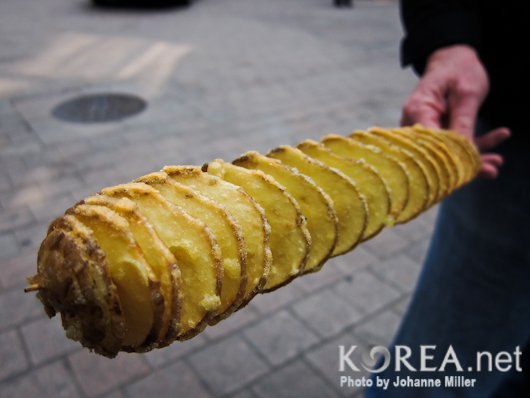
Tornado Potato (Hweori Gamja) and Papas en Espiral
Hweori gamja, also known as the tornado potato, is one of Korea's most photogenic street snacks. A whole potato is skewered, sliced into a continuous spiral, fanned out along the stick, and deep-fried until it shatters in your mouth. Vendors finish it with shake-on cheese powder, barbecue, onion, or honey seasoning, and some versions sandwich sausage slices between the potato spirals. Cross the Pacific to Mexico and you will find papas en espiral, prepared exactly the same way. The difference is at the top: street stalls pile on mustard, mayonnaise, ketchup, nacho cheese, and hot sauce, turning a simple potato into a full flavor carnival.
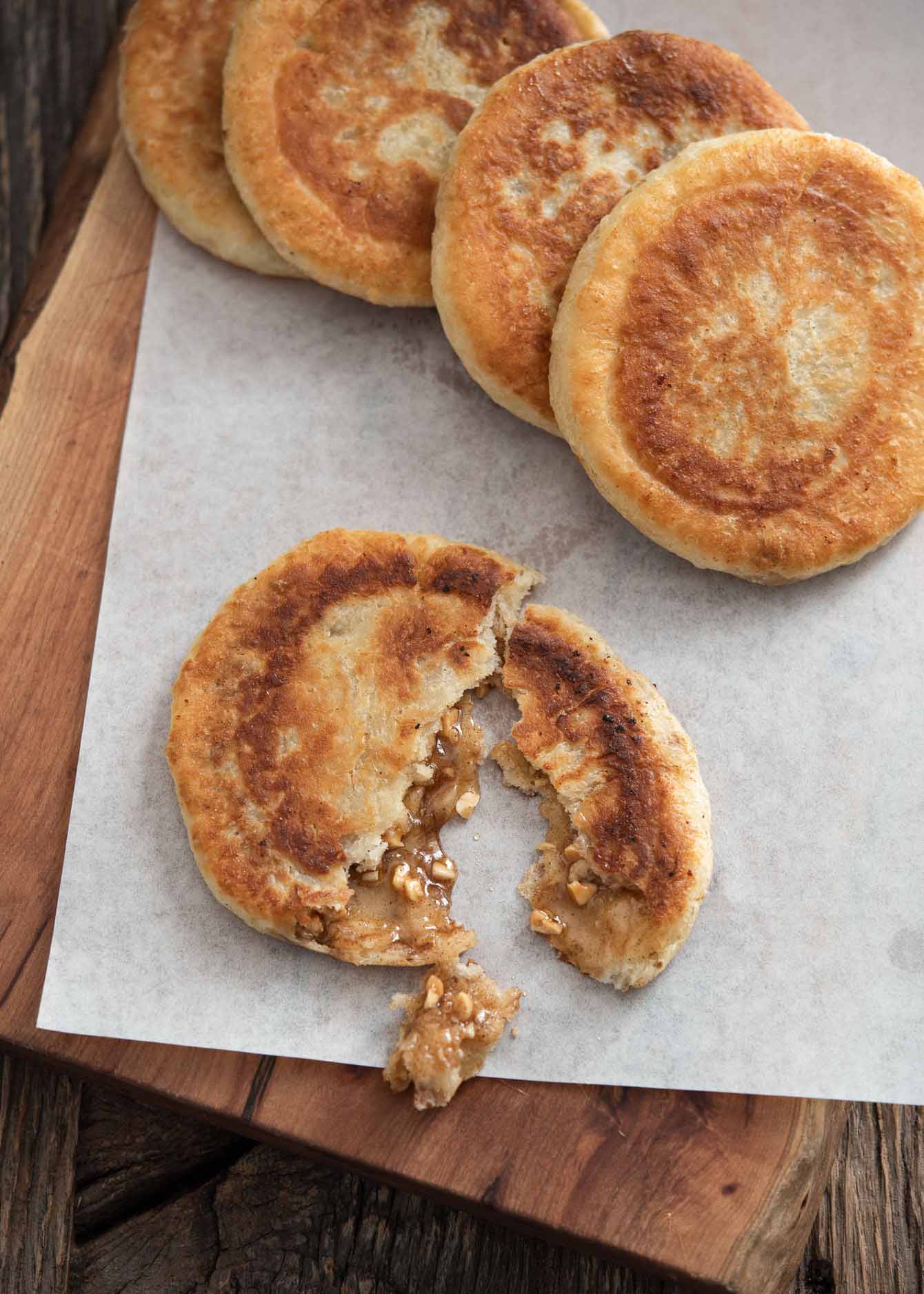
Hotteok and Pan de Nata
Hotteok is the snack winter was made for. A yeasted dough is filled with brown sugar, cinnamon, and chopped nuts, then pressed flat on a hot griddle until the sugar inside melts into a molten syrup. The Mexican counterpart, pan de nata, also called gorditas de nata in Hidalgo and northern Mexico, is a slightly sweet griddled bread made with flour, milk, and nata, the rich cream skimmed from boiled milk. Both are pancake-adjacent, both are cooked on a comal or skillet, and both are best eaten standing up while they are still hot. Hotteok leans into cinnamon, while pan de nata is often served plain, with jam, or drizzled with caramel.
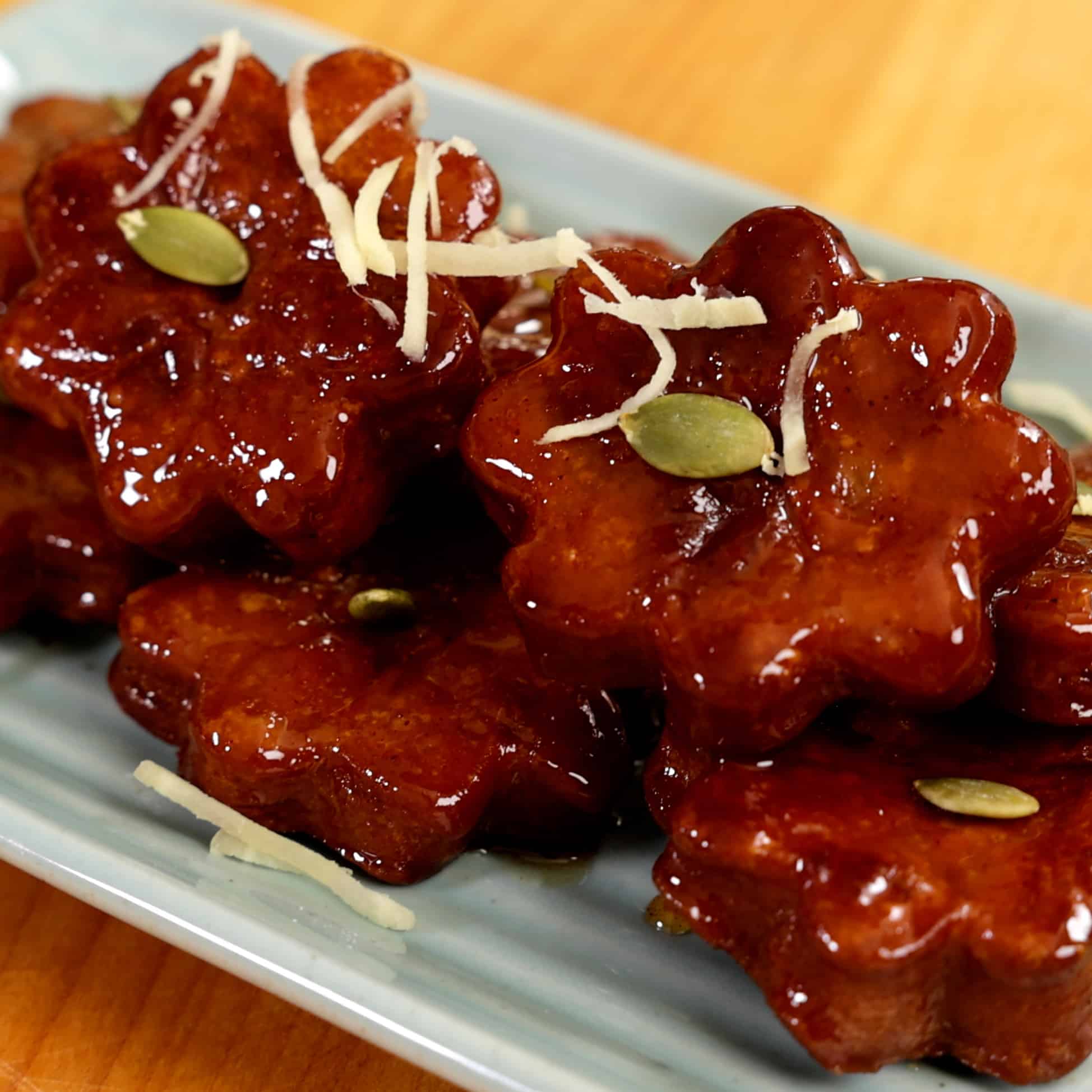
Yakgwa and Jamoncillo
Yakgwa is one of Korea's oldest sweets, dating back more than a thousand years to royal banquets and ancestral rites. The flower-shaped cookies are made from wheat flour kneaded with sesame oil, ginger, honey, and a splash of soju, fried slowly so the layers puff, then soaked in a sticky honey-rice-syrup bath. Mexico's jamoncillo, often called dulce de leche fudge, comes from a completely different tradition but lands in similar territory. It is a soft, milky confection made from condensed milk, sugar, vanilla, and cinnamon, usually crowned with a pecan half. Both are dense, deeply sweet bites that anchor holiday tables and gift baskets. Both reward people with a serious sweet tooth.
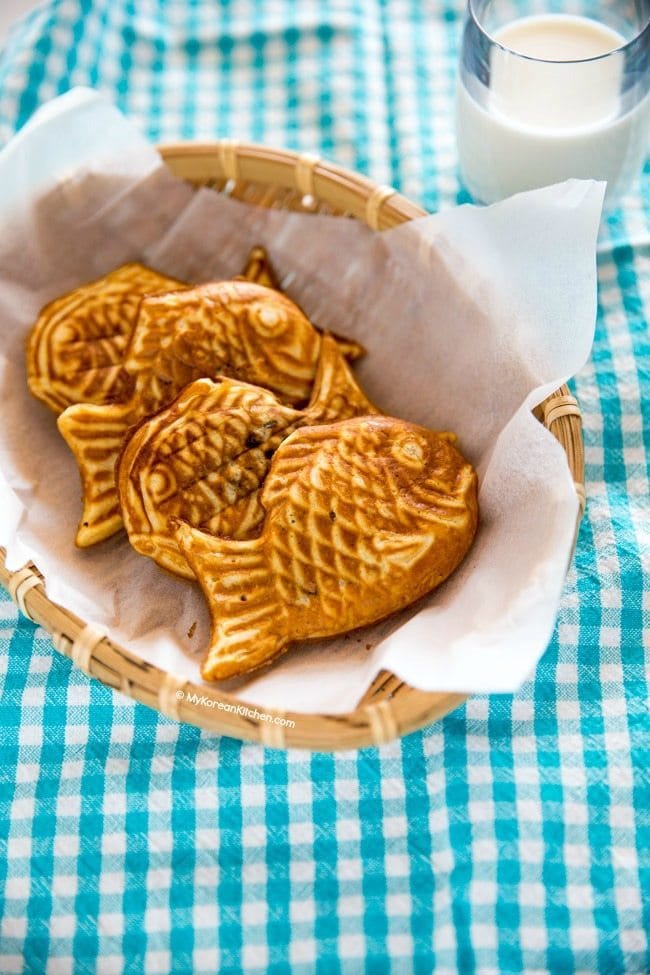
Bungeoppang and Empanadas de Dulce
Bungeoppang, literally crucian carp bread, is the snack Koreans line up for the moment cold weather hits. A thin batter is poured into hot fish-shaped molds, filled with sweet red bean paste, and clamped shut until the outside is crisp and the inside is gooey. Modern carts also stuff it with custard, sweet potato, Nutella, or cheese. Mexico's empanadas de dulce play the same role for a sweet hand-held fix, just in half-moon form. The flaky pastry pockets come filled with cajeta caramel, pineapple, sweet apple cinnamon, pumpkin, or coconut. Different shapes, same idea: a warm, portable dessert you eat with one hand while still walking.
Mandu and Empanadas
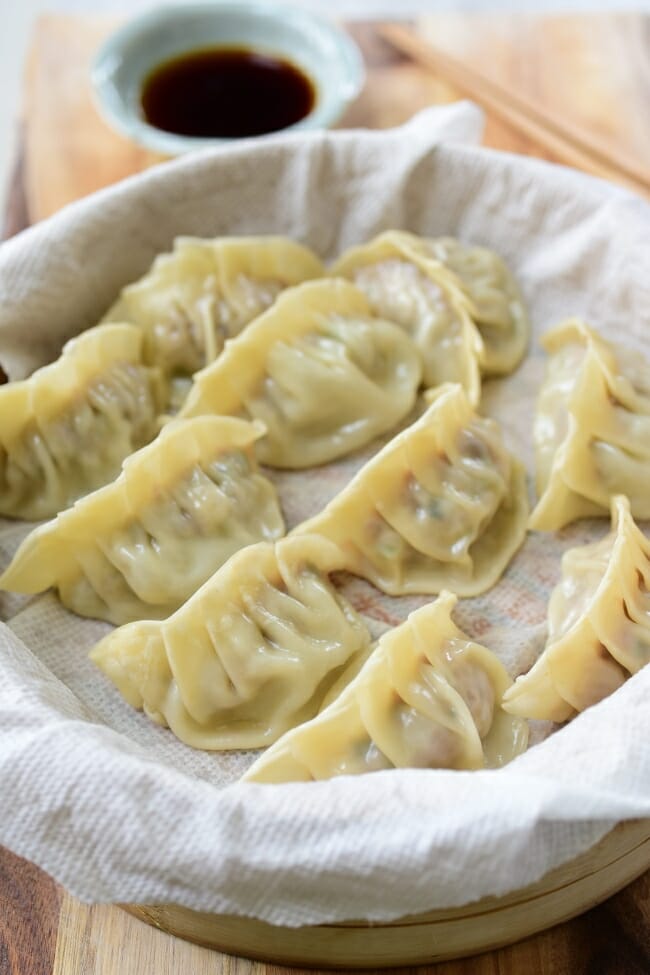
Mandu is Korea's answer to dumplings: thin wheat wrappers folded around minced pork, kimchi, glass noodles, tofu, and seasoned vegetables, then steamed, boiled, or pan-fried until crisp. Mexican empanadas share the same basic blueprint but swap the wonton-style wrapper for a sturdier, flakier pastry that holds up in the oven or the fryer. Savory empanada fillings run the gamut: spiced ground beef picadillo, shredded chicken with salsa verde, chorizo with potatoes, or cheese. Both are perfect snack-food architecture: filling sealed inside dough, eaten by hand, dunked in a sauce. Whether you say mandu or empanada, you are basically asking for the same kind of happiness.
Why These Parallels Matter
Korea and Mexico do not share a border, a language, or a culinary alphabet. Yet both food cultures love anything that can be cooked on a hot surface, eaten on the go, and offered cheaply from a cart. Street food is human food, the result of cooks everywhere figuring out how to feed a crowd quickly and well, then sharing the result. When you bite into a tornado potato in Myeongdong or a papa en espiral in Guadalajara, you are tasting the same instinct: take something simple, make it look fun, and add as much flavor as the stick can hold.
Explore Korean Snacks with Daebak
Love Korean food? Get authentic Korean snacks and ramen delivered straight to your door with the SnackFever Box by Daebak.


