


Table of Contents
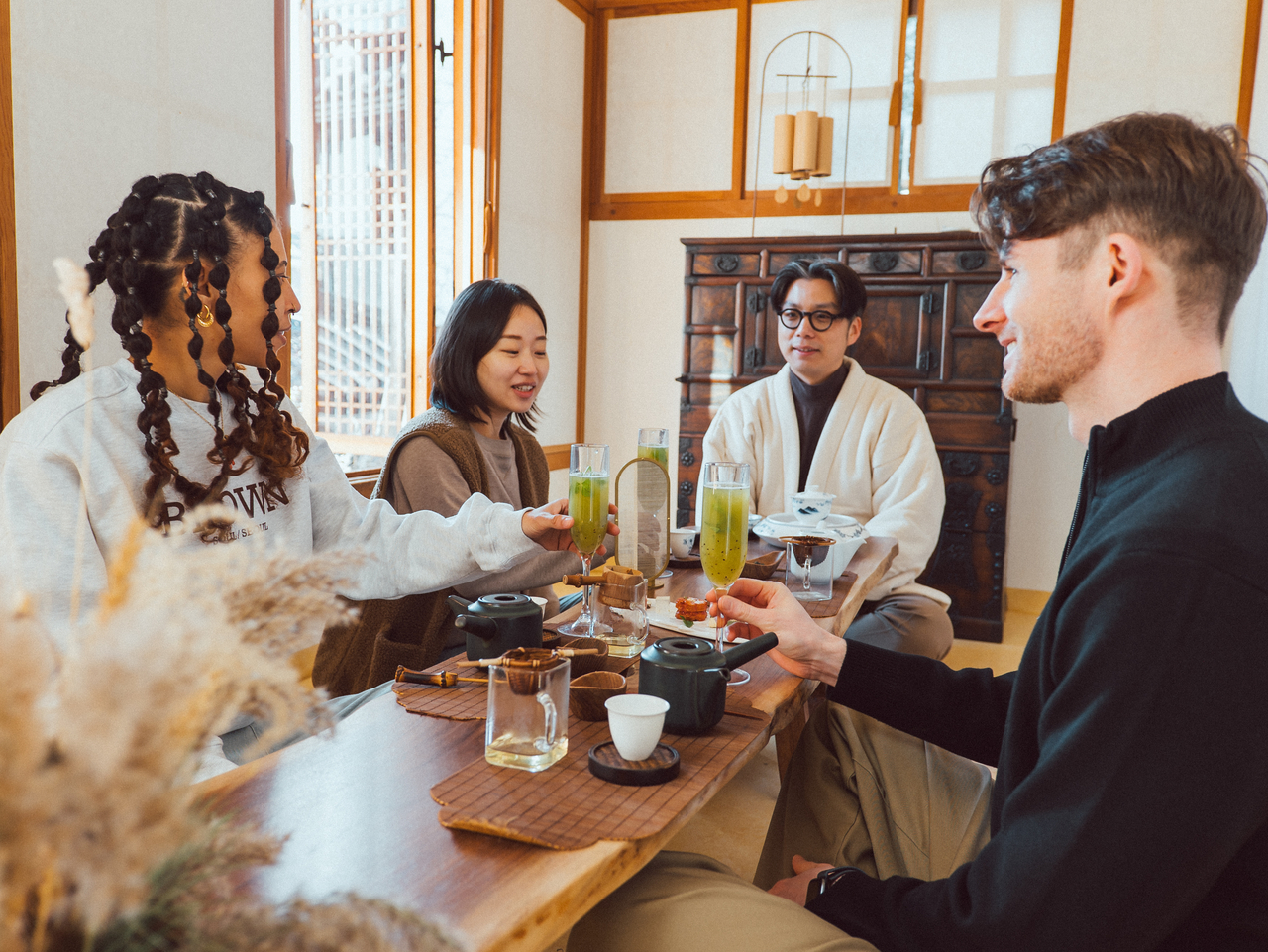
A hanok stay (한옥스테이) is the closest thing modern Korea offers to time travel. You slide open a paper-screen door, slip off your shoes, and step onto a warm wooden floor heated from below by an ondol system that has been keeping Koreans cosy for centuries. Spend a night in a hanok and you do not just sleep in Korea, you sleep like Koreans once did, surrounded by latticework, low tables, and the soft hush of a courtyard.
What Exactly Is a Hanok?
A hanok is a traditional Korean wooden house whose form crystallised during the Joseon dynasty (1392 to 1910). The legal definition in the Act on Value Enhancement of Hanok and Other Architectural Assets describes it as a wooden building whose main structure consists of columns, beams, and Korean-style roof frames reflecting the traditional style of Korea, as outlined by the National Hanok Center. Beyond the legal language, the soul of a hanok lives in a handful of distinct features.
The ondol is an underfloor heating system, invented around the 12th century, that channels heat from a furnace called the agungi through flues beneath the floor stones. The giwa tiled roof, with its softly upturned eaves, deflects rain in summer and sheds snow in winter. Latticed mungunghwa-style doors made from hanji paper let in a glow of light while preserving privacy. And at the heart of every hanok lies the madang, an open courtyard that doubles as a living room under the sky.
The Modern Hanok-Stay Revival
For decades after rapid urbanisation in the 20th century, hanok were seen as outdated. That changed in the early 2000s when city governments began offering subsidies to preserve and rebuild them. Today the Seoul Metropolitan Government alone operates 35 public hanok, which collectively drew about 540,000 visitors in 2025, with the city aiming for 600,000 in 2026, according to Korea Herald reporting. The hanok-stay (한옥스테이) industry, where private owners convert restored homes into guesthouses or boutique hotels, has grown alongside this revival, especially among younger Koreans hunting for what locals now call "healing moments."

Top Hanok Stay Regions in Korea
Bukchon Hanok Village, Seoul. Tucked between Gyeongbokgung and Changdeokgung palaces, Bukchon preserves roughly 1,500 hanok and remains a real residential neighborhood, not a stage set, according to Visit Seoul. It is home to acclaimed properties such as RAKKOJAE and Bukchon Binkwan. Note that visiting hours are restricted from 17:00 to 10:00 the following day under Bukchon's Special Management Area rules.
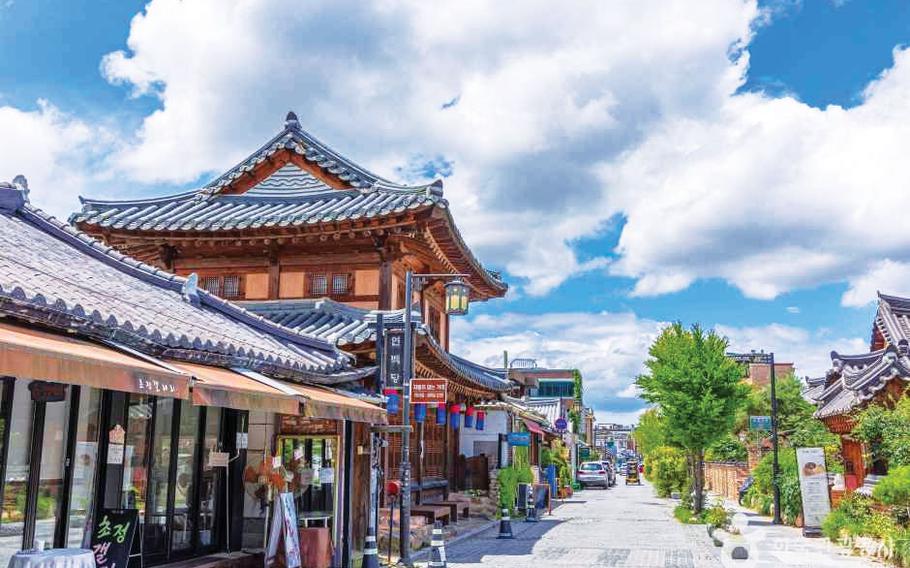
Jeonju Hanok Village. Some 700 hanok line the streets of Jeonju, making it Korea's largest urban hanok cluster, per Visit Jeonju. It is also a UNESCO Creative City of Gastronomy and the birthplace of Jeonju bibimbap.
Andong Hahoe Village. A UNESCO World Heritage Site since 2010, Hahoe is a clan village of the Pungsan Ryu family where centuries-old hanok still house living residents.
Gyeongju Yangdong Village. Joint UNESCO-listed with Hahoe, this Joseon-era yangban (aristocratic) village sits among rolling hills outside Korea's ancient capital. Gyeongju's Hwangnidan Street is also packed with stylish hanok cafes and stays.
Damyang. Known for bamboo forests and Hanokeseo, a poetic countryside hanok experience.
Gangneung Ojukheon area. A coastal option pairing hanok atmosphere with the East Sea and the historic Ojukheon house, birthplace of scholar Yi I.
What to Expect During Your Stay
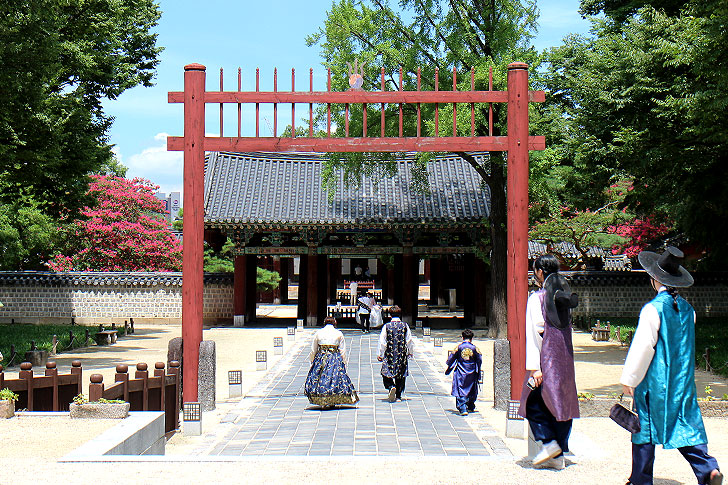
Most traditional hanok rooms come with yo bedding, a thick padded mat unrolled directly on the heated floor, plus a thin ibul quilt. If you have never slept on a yo, it can feel firmer than a Western mattress, but the radiant warmth of ondol from below makes winter nights surprisingly cosy. Breakfast is often included and frequently consists of a Korean spread of rice, soup, banchan side dishes, and seasonal jeon pancakes.
Bathrooms vary widely. Many modern hanok rooms now have private en-suite facilities, while older heritage hanok may have shared bathhouses across the courtyard. The Korea Tourism Organization advises checking room facilities before booking, since hanok built strictly to traditional standards may not offer the convenience features Westerners expect.
Traditional vs Luxury Hanok Stays
RAKKOJAE Seoul Bukchon opened in 2003 as one of the first hanok hotels and became the first hanok property listed in the Michelin Seoul guide in 2017. The estate includes a 130-year-old main hanok and the adjoining Bukchon Binkwan annex, with amenities such as climate control, espresso machines, and a makgeolli (rice wine) spa.
Nostalgia Jeonju and Nostalgia Bluejae represent a wave of design-led hanok that pair tile roofs and timber frames with contemporary lighting and beds. Anguk Guesthouse in Bukchon caters to budget travellers who want the hanok atmosphere without luxury pricing, while Hakindang in Jeonju, a 530-pyeong estate used as a filming location for the drama "Mr. Sunshine," is a cultural property where guests join dancheong painting workshops.

How to Book a Hanok Stay
Stay Folio (stayfolio.com) is the premium accommodations platform that curates hanok properties such as Hanok Essay Gahoe, Full Moon Hanok, Gowoon, and Hwaun. Switch the filter to "hanok" to browse only traditional houses. Booking.com has a dedicated hanok category that is convenient for English speakers and aggregates everything from budget guesthouses to luxury estates.
For Seoul specifically, the Seoul Hanok Portal (hanok.seoul.go.kr) lists city-vetted accommodations including public hanok run by the metropolitan government. Many of the famous houses, including RAKKOJAE and Pungnamheon, also accept reservations directly through their official websites, which sometimes offer perks not listed on third-party sites.
Korean Hanok Stay Etiquette
Hanok houses follow a sedentary lifestyle, so the floor matters. Always remove your shoes at the entrance and never step onto the polished wooden maru in outdoor footwear. Inside, walk softly: hanok floors transmit sound between rooms, and many properties are shared with other guests or even the host family.
Hanok are made of wood, paper, and tile, so fire safety is taken seriously. The Korea Tourism Organization specifically warns guests to be careful with candles and cigarettes, and many hanok are formally designated cultural assets where any damage causes lasting harm. In residential villages like Bukchon, follow the "silent tourism" guidelines: keep noise low, do not photograph house interiors even through open doors, and do not litter. The hanok exists because a community keeps it alive, and your night there is a small entry into that community.
Explore More of Korea with Daebak
Want to bring a little piece of Korea into your life? The Daebak Box is packed with the best Korean snacks, ramen, and cultural goodies delivered monthly to your door.


