


Table of Contents
Walk any Seoul side street south of Hongdae and you will see three cafes before you see a convenience store. That is not a metaphor. The Korea Federation of Small and Medium Business tracks close to 100,000 licensed cafes in the greater Seoul area, and the density has been climbing every year since 2015. When that many operators fight for the same 5,000 won latte, the fastest way to survive is not better beans. It is a drink your customer wants to photograph before she drinks it. That is the honest hierarchy behind the whole Korean 디저트 카페 (dessert cafe) category, and it is why coffee and tea in Korea now come mixed with candy, cake, cotton candy, cookies, and things that look like they belong in a toy store.
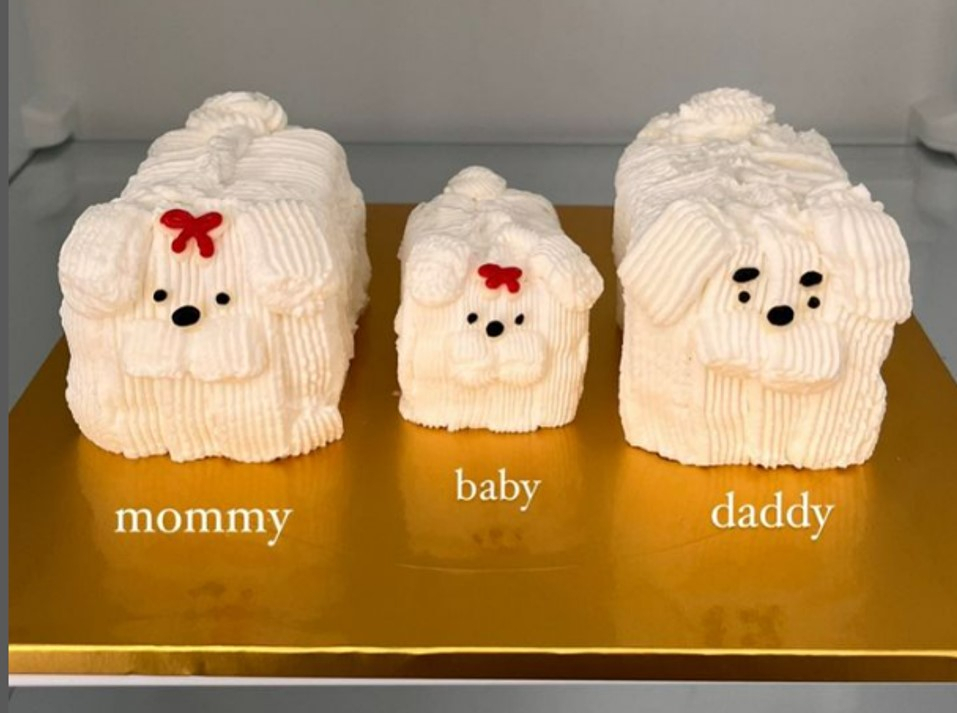
How Korea built the fusion drink category
Here is a piece of context most Western coffee coverage misses. The Korean cafe boom did not follow the Starbucks playbook. Starbucks Korea opened in 1999, but the real category explosion started around 2015 when a wave of small independent operators realized Instagram was faster and cheaper than paid advertising. A neighborhood cafe in Yeonnam-dong or Sangsu-dong could hit 5,000 followers in a month if one drink looked good enough to save to a "cafe" folder on someone's phone. That single insight, that the visual is the marketing, rewrote every drink menu in the country between 2015 and 2018.
The result is a category that Western baristas still misunderstand. Korean cafe drinks are not designed the way a specialty coffee shop in Melbourne designs a flat white. They are designed for the vertical 9:16 crop of an Instagram Story, and the taste engineering happens second. That is why you now see coffee served with cotton candy on top (the sugar melts into the espresso when hot milk hits it, and yes, it is filmed every single time), matcha lattes with a whipped Jeju-matcha crown, and latte foam sculpted into 3D animals like the whole thing is a Kakao Friends emoji. Cafe owners I have spoken to over the years are direct about it. If a drink cannot be photographed in three seconds, it will not sell in Seoul.
Dalgona coffee: the moment the Korean formula went global
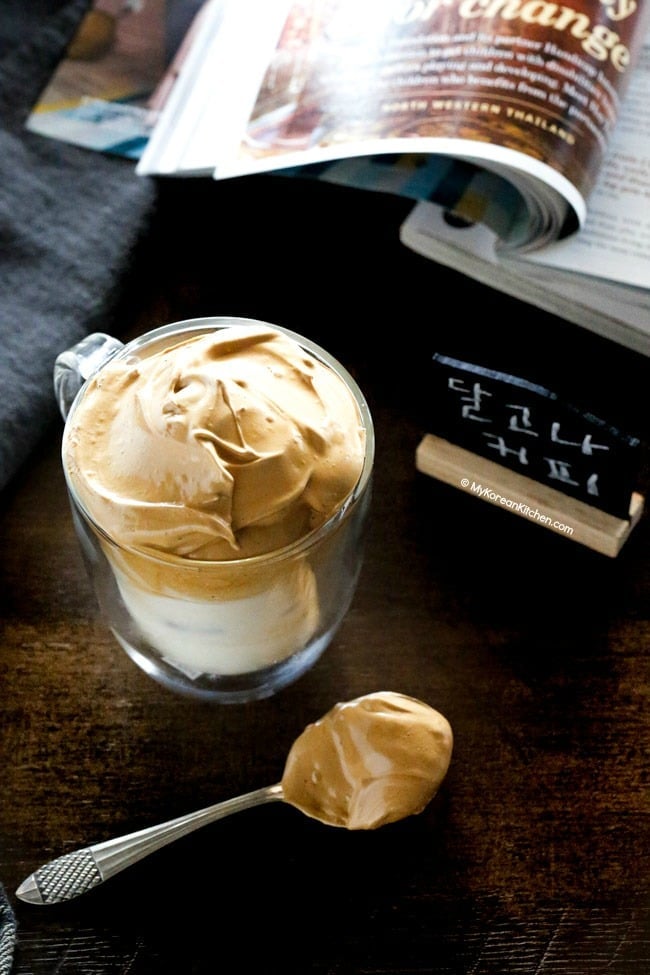
If you want the cleanest case study of the Korean visual-first drink formula going global, it is 달고나 커피 (dalgona coffee). Actor Cha Tae-hyun ordered the drink in a Macau shop and posted it on the KBS variety show "Stars' Top Recipe at Fun-Staurant" in January 2020, and a few weeks later, when COVID locked the world indoors, the recipe traveled from Korean TV to TikTok to every kitchen from Seoul to Sao Paulo. It was not that the drink was newly invented. Whipped instant coffee has existed in India as phenti hui coffee and in Greece as frappe for decades. What was Korean was the name (borrowed from the honeycomb toffee 달고나, because the whipped foam has the same caramel color and airy texture) and the presentation formula: caramel foam on a snow-white milk base, filmed as you drop the foam in.
Why did the world copy this specific version and not the Indian or Greek one? Because Korean cafe culture had already trained a generation to treat coffee as a photo before it was a beverage, and the black-on-white contrast is a designer's dream shot. My Korean Kitchen's Sue Pressey, who published one of the most-searched English recipes for it during the lockdown, made the point plainly: 4 ingredients (instant coffee, sugar, hot water, milk), 400 whisks, one photo that ate the internet. The Korean coffee industry learned a lesson from that global TikTok moment that it has not forgotten. Every cafe launch since 2020 has been built around one signature drink that has to survive the vertical crop.
Cotton candy latte and the visual-first economics
The 솜사탕 라떼 (cotton candy latte) is where you can see the industry mechanics most clearly. It is not a hard drink to execute. A barista pipes cotton candy on top of a paper cup, then pours hot milk through it, and the sugar collapses in a slow melt while the customer films it. That is the entire performance. Cost side, cotton candy is one of the cheapest ingredients in a cafe pantry (industrial floss sugar runs a few thousand won per bag), and the finished drink retails for around 7,000 to 8,000 won in Seoul. Cafe operators I know estimate the actual liquid cost sits around 1,500 won. The margin is the point, and the Instagram loop is what fills the seats.
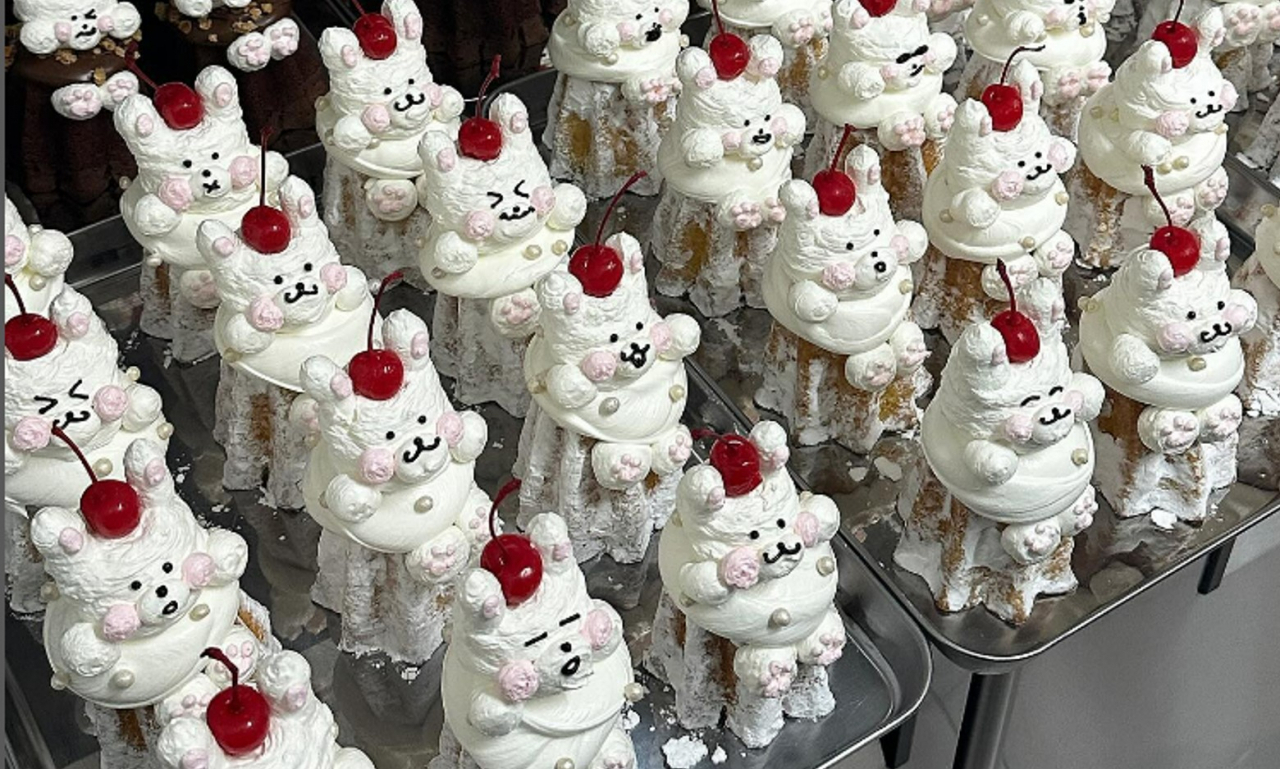
That same logic drives the cream art cafes, the cakes shaped like puppies and rabbits, the 3D latte foam sculptures. Yu Seo-ha, owner of Melting Of in Hongdae, told The Korea Herald 90 percent of her customers are women in their late teens and 20s, and the busiest tables are the ones running through a full photo session before anyone takes a bite. She is not describing an accident. She is describing the operating model. This is why Korean cafe drinks now come routinely paired with cakes, cookies, and 마카롱 (macarons), because the drink alone is only half the shot. The dessert plate is the visual co-star. Kim Chae-ryung, one of the Melting Of customers quoted in that Weekender feature, said it out loud. "There seems to be a sense of novelty and uniqueness that cute desserts provide. That's why I wanted to remember this moment."
Tea drinks, matcha, and the second wave
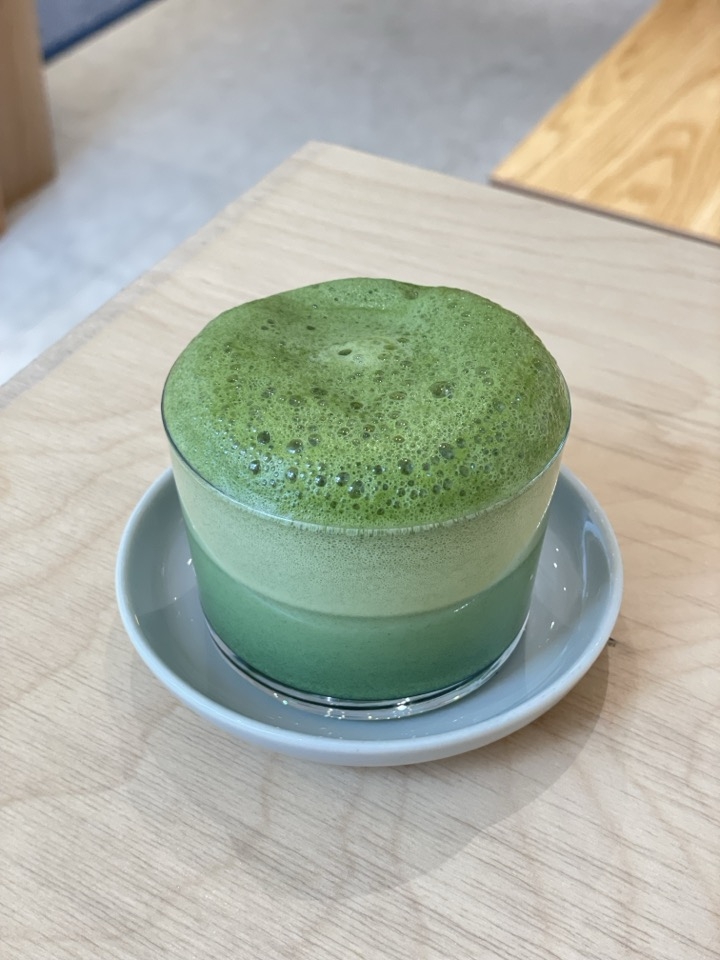
Coffee ate the first decade of the Korean cafe boom. Tea drinks are eating the second one, and the mechanics are the same. Seoul is in the middle of what the industry calls the second matcha wave right now, and the leaders are shops like Korz near Samgakji, Dongdong Teahouse in Yeonnam-dong, and T. Nomad in Mangwon-dong. Korz whisks Jeju-grown ceremonial-grade matcha to order for its 6,000 won cappuccino and serves it in Japanese arita porcelain. Dongdong offers a matcha gin and tonic with juniper notes for 15,000 won. T. Nomad runs 90-minute reservation-only tea sessions. The common thread is that each shop turned a tea drink into a photograph of a tea drink first.
Notice how tea is being fused with candy, cake, and cookies the same way coffee was. Mugwort lattes (쑥 라떼) at TIFFF Cafe are paired with baked yakgwa (약과) and rice-cake bites in 쑥, 인절미, and black-sesame flavors. Green tea roll cakes with mochi filling are sold as drink companions at bakery cafes across Seongsu and Gangnam. Red ginseng jelly candies are stocked at tea-focused cafes as a bitter-sweet chaser. The word 할매니얼 (halmaennial), a mashup of grandmother and millennial, describes the Gen Z appetite for traditional Korean flavors like mugwort, injeolmi, and red bean showing up in modern cafe drinks. It is nostalgia repackaged into a photograph, and it is one of the fastest-growing menu categories in Korean specialty cafes right now.
The K-dessert cafe as export product
What Western observers get wrong about the Korean cafe scene is treating it as a lifestyle trend when it is actually an export product. K-dessert cafes are now opening in Los Angeles, New York, London, Bangkok, Singapore, and Ho Chi Minh City, and the format that travels is not the coffee. It is the visual-first drink and pastry pairing. G Dragon's Kwondo collaboration launch featured Golden Piece yakgwa in a gold-toned Hannam-dong store, and the packaging alone made the international press. That is not an accident. Korean cafe operators have been mapping their menu format for global export since 2019, and the CJ ENM entertainment stack has been pushing K-dessert visuals across YouTube and TikTok in tandem with K-drama placements.
The industry benchmark to watch is Golden Piece. It is the Kimssibooin single-person 소반 table, it is the SIROO Cake gluten-free rice cakes shaped like Western pastries, it is Tongtonge's yakgwa cookie that got a convenience-store distribution deal. Every one of those brands started as a photogenic single-item menu and scaled out. If you want to understand what the next global Korean beverage export is going to look like, do not watch what a big coffee chain rolls out. Watch which independent cafe in Seongsu or Yeonnam-dong has a queue three deep on a Tuesday afternoon. That is where the next dalgona is being built.
What to try if you visit Seoul this year

A short practical list from someone who has done this cafe crawl too many times. In Hongdae, hit Melting Of for the whipped-cream rabbit pandoro and pair it with the cafe's signature latte. In Hapjeong, TIFFF Cafe is the cleanest introduction to the mugwort latte plus traditional 떡 pairing that everyone will be photographing this year. In Yeonnam-dong, Dongdong Teahouse for the matcha gin and tonic (call it a dessert drink, because that is what it is doing on the tongue). In Mangwon, T. Nomad if you want to see how the traditional tea ceremony is being repackaged for a 20-something Seoul customer.
One insider tip: do not photograph everything. The best drinks in the second wave, the ones the baristas actually respect, are showing up at reservation-only shops that discourage phones during service. Korz is one. T. Nomad is another. The industry is starting to bend the other way, because the visual-first economy created an audience so trained on the photograph that the taste got treated as a secondary concern. The correction is coming, and the smart cafes are already ahead of it. You will still get your photo. You will just get it after the drink has been enjoyed the way it was designed to be.
Bring the K-cafe habit home
Not every reader can hop a flight to Yeonnam-dong this weekend. The good news is Korean cafe snacks (yakgwa cookies, injeolmi wafers, matcha KitKats, black sesame rolls, red ginseng jellies) all travel. The SnackFever Box is our monthly curated drop of exactly the coffee-and-tea-friendly Korean sweets we have been talking about here. Brew a matcha latte, whisk yourself a dalgona, and eat like you are in a Hongdae cafe. It is the closest thing to a Seoul cafe crawl without the boarding pass.


