


Table of Contents
Pendant des décennies, se faire tatouer en Corée du Sud signifiait entrer dans une zone grise juridique. Le tatouage par toute personne autre qu'un médecin agréé était effectivement criminalisé par une décision de la Cour suprême de 1992, pourtant le pays a discrètement bâti l'une des scènes de tatouage fin les plus influentes du monde. En septembre 2025, l'Assemblée nationale a finalement adopté la loi sur les tatoueurs, légalisant pour la première fois le tatouage non médical en 33 ans.
Une zone grise légale de 33 ans
L'interdiction du tatouage en Corée du Sud remonte à une décision de la Cour suprême de 1992 qui a classé le tatouage comme une procédure médicale en vertu de la loi sur les services médicaux. En pratique, cela signifiait que les tatoueurs non-médicaux risquaient jusqu'à cinq ans de prison et des amendes d'environ 50 millions de wons, soit environ 35 000 dollars américains, même si environ 300 000 artistes travaillaient en secret. La Cour constitutionnelle a réaffirmé la règle par une faible majorité de 5 voix contre 4 en mars 2022, invoquant des préoccupations de sécurité.
La loi sur les tatoueurs, adoptée par 195 voix contre zéro et sept abstentions le 25 septembre 2025, a finalement sorti l'industrie de la clandestinité. La loi définit les tatouages et le maquillage semi-permanent comme des « actes de tatouage », introduit un examen national de licence, et prend effet après une période de grâce de deux ans suivie d'une fenêtre d'enregistrement transitoire. En mai 2026, la Cour suprême a ajouté une autre couche en annulant le précédent de 1992, statuant que les procédures de tatouage ordinaires ne sont pas une pratique médicale non autorisée.

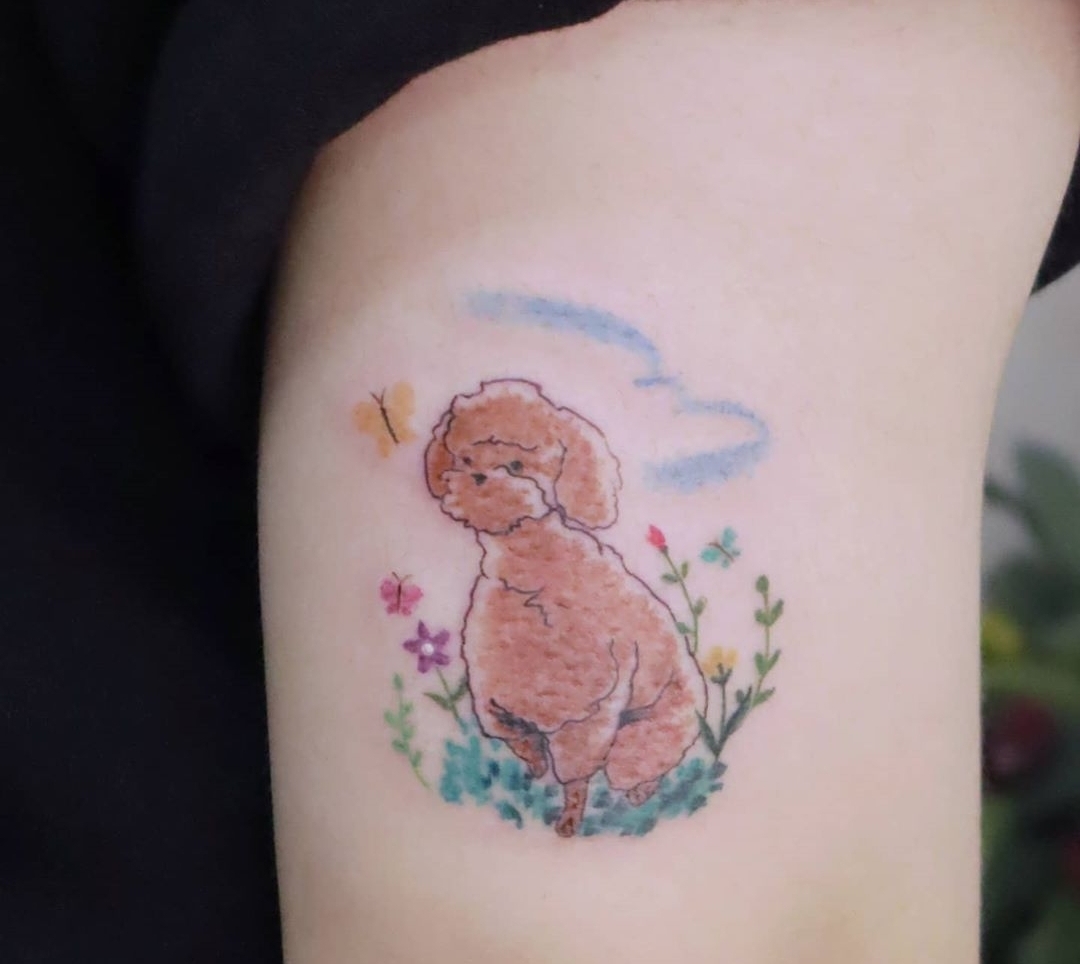
L'esthétique du mini-tatouage, sentimental et petit
Alors que la loi se mettait à jour, les tatoueurs coréens définissaient discrètement un style mondial. Le style signature est petit et fin, souvent pastel ou noir pur, axé sur les fleurs, les lettrages, les animaux de compagnie et les minuscules paysages. Les médias coréens l'appellent le tatouage "gamseong" ou sentimental. Les recherches en coréen pour "tatouage sentimental" renvoient des centaines de milliers de publications Instagram.
Le tatoueur Kim Jin-hwan, connu sous le nom de howdy, a déclaré au Korea Herald que près de 80 % des clients de son studio de Mapo sont des étrangers cherchant des tatouages de style coréen, beaucoup d'entre eux venant spécifiquement pour ce travail. L'Association coréenne du tatouage a estimé le marché intérieur à environ 2 billions de wons.
Les artistes vedettes : Doy, Sol, Zihwa, Hongdam, et les autres
Une poignée de tatoueurs coréens jouissent d'une reconnaissance internationale. Kim Do-yoon, connu professionnellement sous le nom de Doy, est le plus éminent. Il a tatoué Brad Pitt, Lily Collins, Steven Yeun et des membres d'Exo, et a fondé le premier syndicat de tatoueurs de Corée en 2020 pour faire pression en faveur de la légalisation. Environ 70 % des clients de Doy sont des femmes attirées par des pièces petites et narratives.
Sol, derrière le studio Sol Tattoo à Mapo, a contribué à populariser le micro-réalisme avec des portraits délicats d'animaux de compagnie et des reproductions miniatures de classiques de l'histoire de l'art comme la Joconde. Zihwa, fondatrice de Le Jardin de Zihwa à Hongdae, est une icône mondiale du travail botanique en lignes fines avec plus de 460 000 abonnés sur Instagram. Hongdam est largement reconnu comme un pionnier du mouvement coréen des lignes fines, travaillant avec une encre noire aussi fine qu'une aiguille qui ressemble à de la peinture à l'encre lavée. D'autres noms régulièrement cités par les médias étrangers incluent Banul, Ildo, Greem et Hugo.

L'effet des idoles de K-Pop
Les tatouages restent partiellement floutés lors des émissions de télévision aux heures de grande écoute en Corée, pourtant les idoles de K-pop ont été le principal moteur de l'acceptation généralisée. Jungkook de BTS a révélé une manche complète en 2021 qui comprend un lis tigré sur son avant-bras, une horloge et un microphone, et le célèbre numéro 7 derrière son oreille, un tatouage d'amitié partagé par tous les membres de BTS. Jay Park, Hyolyn, HyunA, Jackson Wang de Got7 et Chaeyoung de Twice figurent parmi les autres idoles qui ont intégré l'encre à leur image publique.
Le goût est résolument petit. Taeyeon et Tiffany de SNSD sont des clientes régulières de Playground Tattoo à Séoul, où elles ont collectionné des mots comme "cool", "sérénité" et "purpose" ainsi que de délicates pièces sur les doigts. Soojin de (G)I-DLE arbore un contour de cœur minimaliste et la phrase "self-love is the best love", tandis que Moonbyul de MAMAMOO préfère le portrait au trait. La plupart des œuvres de Jungkook, selon les fans et les reportages de l'industrie, ont été retouchées par le tatoueur de Séoul POLYC.
Où se faire tatouer : Hongdae, Itaewon et Gangnam
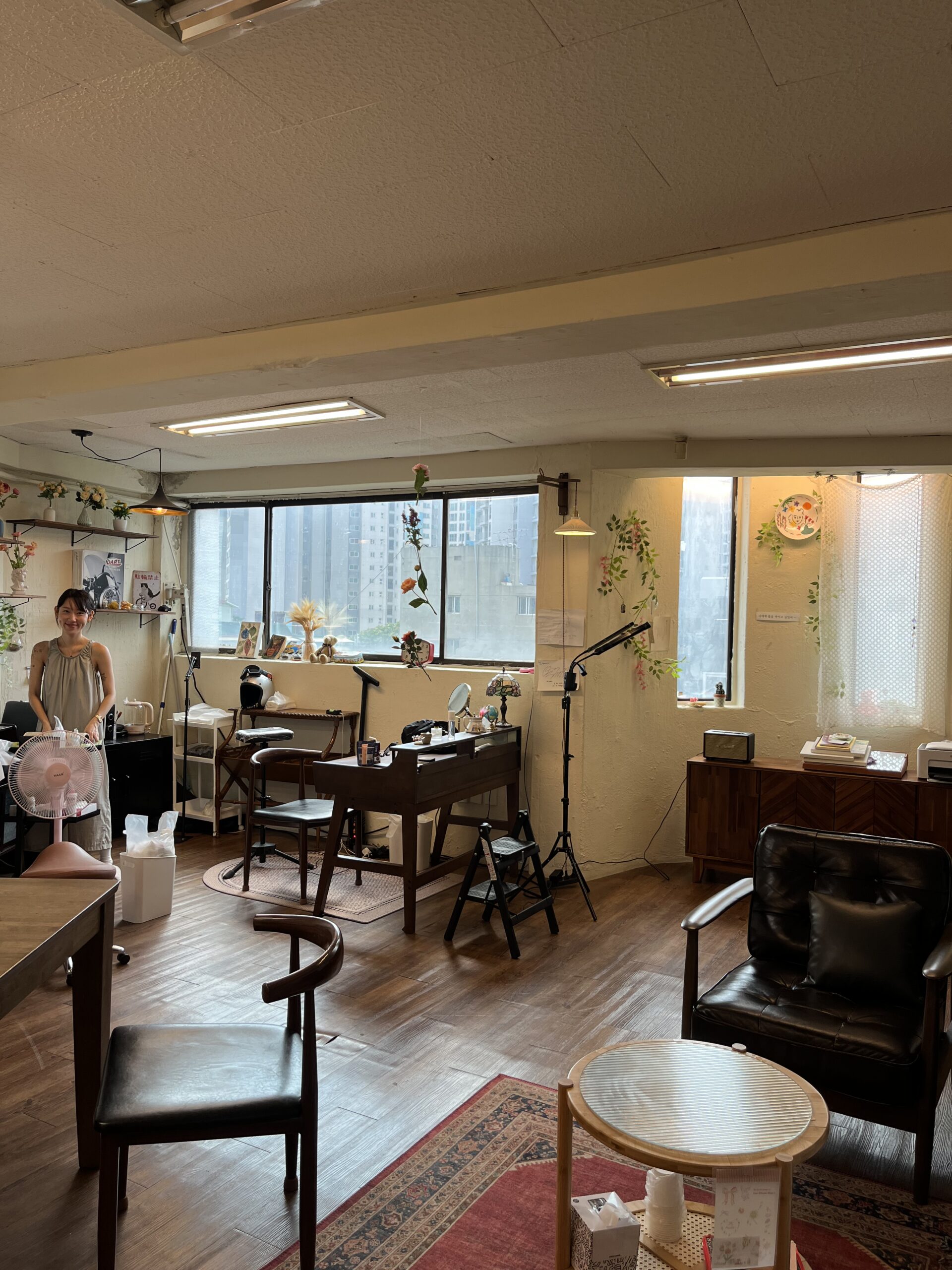
Trois quartiers de Séoul ancrent la carte des tatouages de la ville. Hongdae, centré sur l'Université Hongik, est le cœur créatif de la scène. Le Jardin de Zihwa, Sol Tattoo, Greem Tattoo, le studio Lucent d'Ildo, Ink Avenue, The Seoul Tattoo et TM Tattoo sont tous accessibles à pied depuis les stations de Hongdae et Hapjeong, entourés d'artistes de rue, de salles de concert indépendantes et de street art.
Itaewon et le quartier adjacent de Hannam abritent des studios orientés vers la clientèle internationale de Séoul, y compris Woo Loves You, tandis que Sinsa-dong à Gangnam abrite des boutiques établies de longue date comme Seoul Ink Tattoo Studio, fondé en 2007, qui ont une direction anglophone et un pedigree de compétition. Euljiro à Jung-gu est également devenu un centre plus discret pour des artistes comme Dahlia.
Se faire tatouer en tant que touriste
La plupart des artistes réputés de Séoul prennent leurs rendez-vous via Instagram DM ou KakaoTalk plutôt que sans rendez-vous, et les listes d'attente pour des noms recherchés comme Sol durent souvent trois à quatre mois. Selon les rapports de l'industrie, les petits et moyens tatouages coûtent environ 100 à 300 dollars américains en Corée, comparé aux prix de départ de 200 à 500 dollars dans les studios populaires aux États-Unis. Les artistes américano-coréens célèbres facturant plus de 1 300 dollars de l'heure à l'étranger ont fait de Séoul une destination avantageuse pour le travail en lignes fines.
Pendant la période de grâce de deux ans suivant l'entrée en vigueur de la loi sur les tatoueurs, les artistes existants peuvent continuer à travailler sous enregistrement temporaire pendant que l'examen de licence est mis en place. Le tatouage de mineurs sans le consentement parental est interdit, et le détatouage par des non-médecins reste proscrit. Les studios sont de plus en plus situés dans des immeubles de bureaux ou des appartements plutôt que dans des magasins en rez-de-chaussée, il est donc conseillé de confirmer l'adresse avec l'artiste avant de s'y rendre.
Soins post-tatouage et sécurité
La loi sur les tatoueurs exige que les artistes agréés suivent une formation en hygiène et sécurité et conservent des registres détaillés des encres utilisées, de la zone corporelle et de la date de la procédure. Les groupes industriels ont signalé un problème distinct : l'Association centrale des tatoueurs de Corée affirme qu'une part importante des crèmes anesthésiantes utilisées dans les salons coréens est importée illégalement, parfois avec des concentrations de lidocaïne bien supérieures aux niveaux sans ordonnance. La lidocaïne à forte dose, surtout absorbée par les muqueuses près des yeux ou des lèvres, peut provoquer des arythmies. La voie la plus sûre est de choisir des studios qui utilisent des produits de qualité médicale, distribués localement, et de s'informer sur leur certification d'hygiène.
Les soins post-tatouage standard durent environ deux à quatre semaines. Gardez la zone propre et hydratée avec une pommade sans parfum, évitez les jjimjilbangs, la natation et l'exposition directe au soleil pendant au moins deux semaines, et ne grattez pas la peau qui pèle. La plupart des studios de Séoul fournissent une feuille de soins post-tatouage en anglais sur demande.

La vue d'ensemble
La scène coréenne du tatouage est en train d'être réécrite en temps réel. La loi sur les tatoueurs et la décision de la Cour suprême de 2026 ont mis fin à la criminalisation d'une forme d'art qui façonnait déjà l'esthétique mondiale depuis les studios clandestins. Les observateurs de l'industrie, y compris Im Bo-ran de la Fédération coréenne du tatouage, s'attendent à ce que Séoul devienne un centre de tourisme du tatouage au même titre que la K-beauty et la K-fashion. Pour l'instant, la ville offre quelque chose de rare : un travail de lignes fines de classe mondiale à une fraction des prix de New York ou de Los Angeles, réalisé dans le pays qui a effectivement inventé le mini-tatouage moderne.
Explorez davantage la Corée avec Daebak
Vous voulez apporter un petit morceau de Corée dans votre vie ? La Daebak Box est remplie des meilleurs snacks coréens, de ramens et de produits culturels livrés chaque mois à votre porte.


