


Table of Contents
Walk into any Korean convenience store and look for the small, round, slightly chubby bottle of pale yellow milk on the cold shelf. That is Binggrae Banana Flavored Milk, known in Korea simply as bananamat uyu (바나나맛 우유), and it is arguably the most beloved beverage in the country. It is the drink Koreans grab after a sauna, on a school field trip, on a bullet train, and on the way home from work, often without thinking.
Korean banana milk has built half a century of cultural weight inside a single 240 ml bottle. This guide walks through what it actually is, why the shape matters, the surprising history behind it, the new flavors Binggrae has launched, and where you can buy authentic Korean banana milk outside of Korea.

What Is Korean Banana Milk?
Korean banana milk is a shelf-stable flavored milk drink made primarily of cow's milk, sugar, and natural banana flavor, served at a creamy 200 to 240 ml per bottle. The most famous version, Binggrae Bananamat Uyu, contains roughly 80 percent milk, plus a small amount of real banana puree in newer formulations and a carefully calibrated sweetness designed to taste like a banana popsicle in liquid form.
It is not technically a milkshake, not exactly a smoothie, and definitely not a banana-and-milk recipe. Koreans treat it as its own category. The texture is silkier than regular milk, the flavor is unmistakably banana but more candy-shop than tropical fruit, and the bottle is small enough to finish in two or three pulls.
The 50-Year History Behind a Single Bottle
Binggrae launched Bananamat Uyu in 1974, and the story behind it explains why the drink still feels nostalgic to Koreans today. In the early 1970s, fresh bananas were a luxury import in South Korea, considered an aspirational fruit that most families could not afford. The Korean government wanted to boost domestic dairy consumption, but plain milk was a hard sell to a population that did not have a strong cow's-milk tradition.

Binggrae's solution was to combine the prestige of bananas with the nutrition of milk, and to do it in a single ready-to-drink bottle priced for everyday consumers. The drink became an instant hit, especially among children, and it has been a top-selling Korean beverage every year since. Today it is reportedly the number-one beverage purchased by foreign tourists at Korean convenience stores.
Why the Iconic Bottle Shape Matters
The chubby, round bottle is not a marketing accident. Its shape was designed in the 1970s to resemble a traditional Korean ceramic pot called a danji, a vessel that historically held precious foods like honey or fermented sauces. That subtle visual cue signaled to Korean shoppers that what was inside was something to be enjoyed slowly and savored, not gulped down like ordinary milk.
The shape has become so iconic that Binggrae rarely changes it, even when introducing new flavors or limited editions. The bottle is also the reason banana milk became a Korean spa-day ritual: at a jjimjilbang (Korean bathhouse), the round bottle fits perfectly in one hand while you eat maekbanseok gyeran (sauna-baked eggs) with the other.
More Than Just Banana: The Flavor Lineup
Binggrae has gradually expanded the original banana milk into a small family of flavored milks, and all of them share the same round bottle and the same nostalgic positioning. Strawberry milk arrived in 1979 and remains a strong second favorite. Melon milk followed for a sweeter, summer-leaning option. Coffee milk and the rarer chocolate version round out the everyday lineup, and in recent years Binggrae has rolled out a sugar-free Banana Milk Zero for health-conscious consumers.
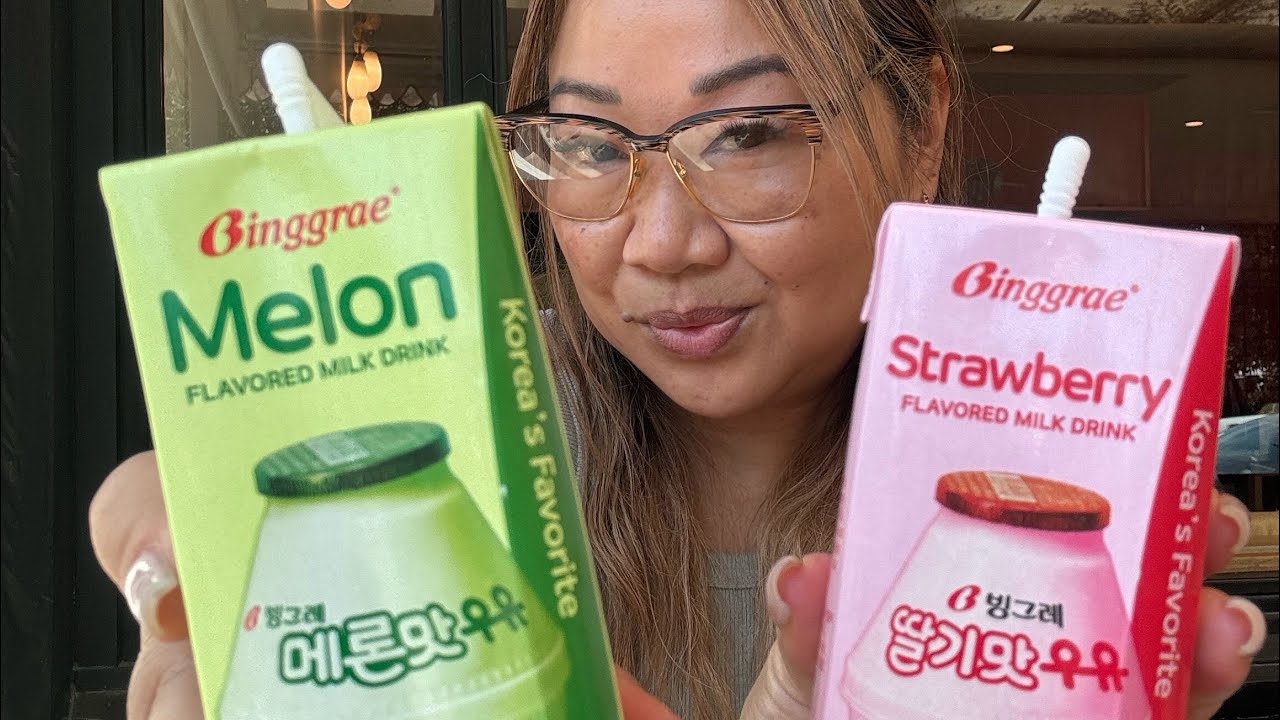
Seasonal and limited-edition flavors appear constantly in Korea, from mango and pineapple to less expected releases like sweet potato and red bean. If you happen to be in Korea during a release window, the limited editions are worth grabbing immediately because they often disappear from shelves within weeks.
Korean Banana Milk and K-pop Culture
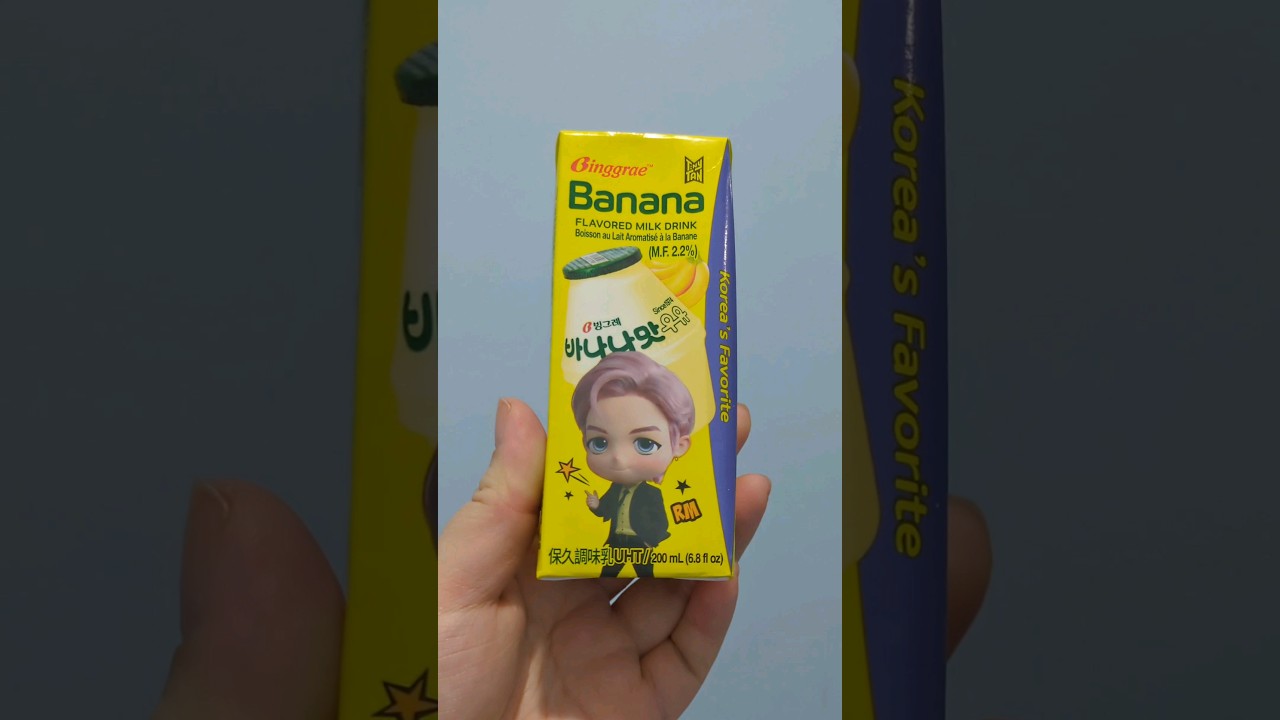
Banana milk's reach goes well beyond the convenience store. K-pop fans know it as Jungkook's drink of choice (the BTS member has mentioned it as a favorite, and "Jungkook banana milk" became a search trend by itself), and Binggrae has run multiple collaborations with idols including IU, BTS, BLACKPINK, and aespa. Limited edition cartons featuring Jimin and RM of BTS sold out almost instantly when they launched.
The drink also shows up constantly in K-dramas, often as a casual prop that signals a character is young, sweet, or homesick. Spotting the round yellow bottle on screen has become a kind of inside joke for international K-drama fans, similar to spotting Subway product placement in American television.
What First-Timers Actually Think
Reactions to Korean banana milk are surprisingly consistent. First-timers usually describe it as sweeter, smoother, and more candy-like than they expected, with a flavor that lands closer to banana taffy or Runts banana candy than to fresh fruit. Most reviewers come away surprised that the drink is so addictive given how simple the ingredient list is.
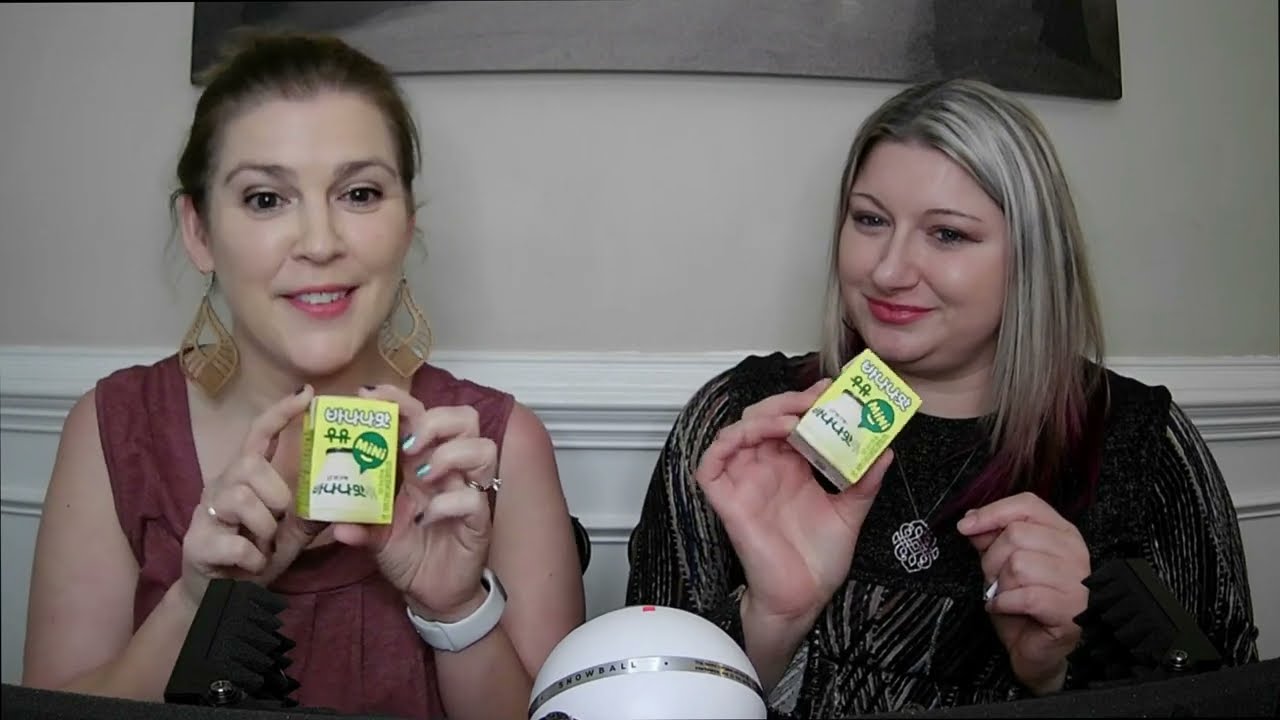
For an authentic Korean experience, drink it chilled directly from the bottle with the included short straw, and pair it with something salty or starchy, like steamed eggs at a jjimjilbang, kimbap on a train ride, or a piece of hotteok after a walk. The contrast of creamy-sweet milk and a savory bite is exactly the combination Koreans have been enjoying for decades.
Where to Buy Korean Banana Milk Outside Korea
Authentic Binggrae Banana Milk is now widely available outside Korea. H Mart and other Korean grocery chains carry it year-round in 6-packs of 240 ml bottles. Amazon, Costco, Weee, and World Market also stock it, and most regional Asian markets in North America, Europe, and Australia keep it in the cold case. Be careful with imitations: only the round-bottle Binggrae version delivers the original flavor that built the cultural reputation.
If you want to explore newer flavors and limited editions that rarely reach international shelves, a Korean snack subscription service is the most reliable way to get them shipped directly to your door alongside other rotating Korean drinks and snacks.
Explore Korean Snacks with Daebak
Love Korean food? Get authentic Korean snacks and ramen delivered straight to your door with the SnackFever Box by Daebak.


