


Table of Contents
Un gosiwon (고시원) est un micro-appartement coréen, généralement de 4 à 8 mètres carrés (moins de 90 pieds carrés), souvent sans salle de bain ni cuisine privées, loué au mois pour aussi peu que 200 000 wons. Construits à l'origine dans les années 1980 comme logements bon marché pour les étudiants se préparant à l'examen de la fonction publique coréenne (le goshi d'où vient le nom), d'une concurrence féroce, les gosiwons sont devenus un format de logement coréen emblématique qui abrite désormais des étudiants, des freelances, des fans de K-drama pour de longs séjours, et de nombreux travailleurs pauvres de Corée.
Ce guide explore tout ce qu'il faut savoir sur les gosiwons coréens : ce qu'ils sont réellement, comment ils ont émergé de la culture des examens en Corée, à quoi ressemble la vie à l'intérieur, qui y vit aujourd'hui, le contexte juridique et social, et pourquoi ce format de logement continue d'apparaître dans les K-dramas coréens.

Qu'est-ce qu'un Gosiwon coréen ?
Un gosiwon est la plus petite forme de logement locatif légal en Corée. Une chambre typique contient un lit simple, un bureau intégré, quelques étagères, une fenêtre ou une lucarne, et parfois une toilette et une douche privées. Les gosiwons haut de gamme (appelés gosi-tel ou oneroomtel) comprennent des salles de bain privées et des chambres légèrement plus grandes ; les gosiwons bas de gamme partagent des cuisines et des salles de bain communes dans le couloir.
La plupart des gosiwons incluent des repas de base gratuits : généralement une immense cuisinière à riz dans la cuisine commune avec du riz cuit disponible 24h/24 et 7j/7, du kimchi instantané, quelques banchan de base, et parfois du ramyeon. La nourriture incluse était historiquement un moyen pour les propriétaires de gosiwons de rivaliser sur les prix sans baisser les loyers. Les chambres elles-mêmes sont minimalistes mais chaleureuses, et le loyer varie généralement de 200 000 à 600 000 wons par mois selon la taille et les équipements.
L'histoire : La culture de l'examen Goshi
Le gosiwon a été inventé à la fin des années 1970 et au début des années 1980 comme logement bon marché pour les Coréens étudiant pour le goshi, l'ensemble légendaire d'examens de la fonction publique qui déterminaient historiquement les carrières d'élite coréennes (juges, procureurs, hauts fonctionnaires). Ces examens étaient si compétitifs que les étudiants passaient souvent deux à cinq ans à se préparer à plein temps, vivant dans une extrême frugalité dans de petites chambres près des bibliothèques universitaires et des académies de préparation aux examens.
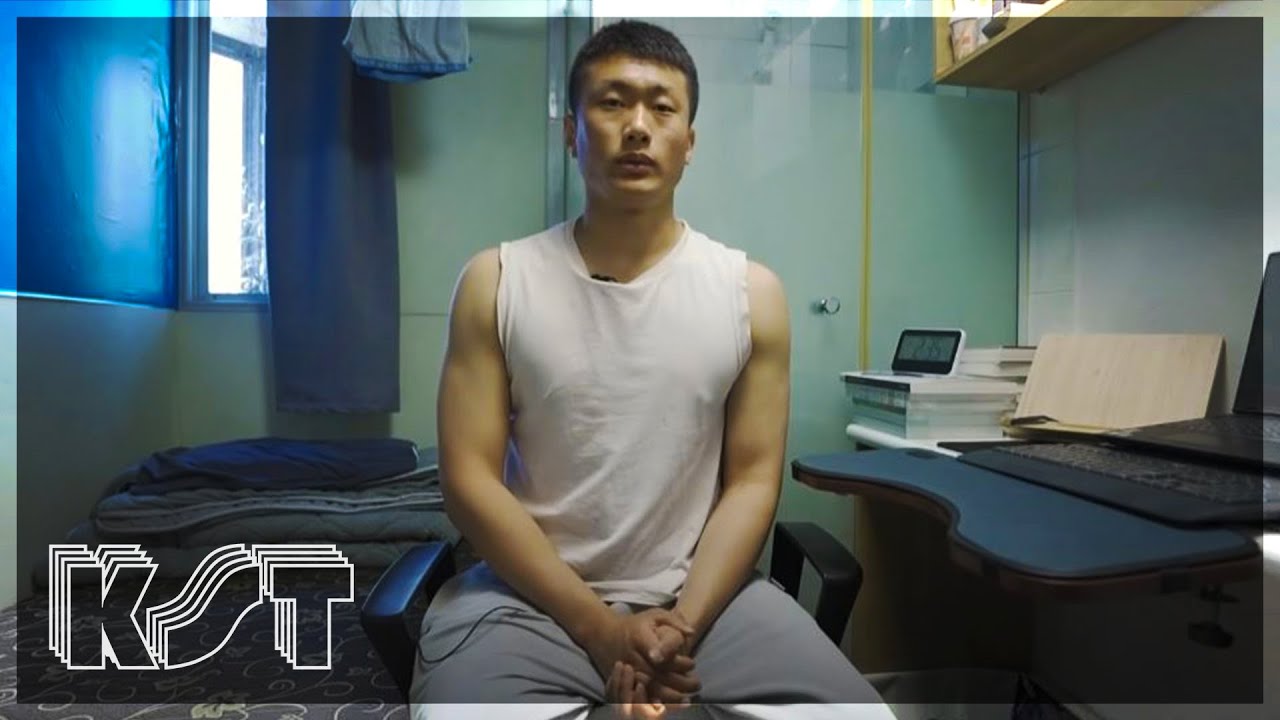
Le système d'examen goshi a depuis été réformé (la Corée a introduit de nouveaux systèmes d'accès au barreau et à la magistrature dans les années 2000 et 2010), mais le format gosiwon a survécu et s'est adapté. Aujourd'hui, ce type de logement est utilisé par bien plus que les étudiants goshi : il est devenu une option par défaut pour les Coréens à faible revenu, les jeunes diplômés, les travailleurs étrangers et les visiteurs de courte durée qui ont besoin d'un logement bon marché et sans caution.
Qui vit dans un Gosiwon ?
Les résidents des gosiwons modernes se répartissent en plusieurs catégories. Les étudiants se préparant aux examens de la fonction publique, au barreau, aux examens de comptabilité ou à l'école supérieure représentent toujours une part significative. Les employés de bureau et les freelances dans la vingtaine qui veulent économiser de l'argent pour un éventuel dépôt d'appartement (les baux d'appartements coréens exigent d'énormes dépôts forfaitaires appelés jeonse) choisissent souvent les gosiwons pendant quelques années.
Le format est également populaire auprès des étudiants internationaux et des visiteurs de courte durée. Les étudiants étrangers en échange dans les universités coréennes vivent parfois dans des gosiwons pour économiser sur les frais de dortoir. Les fans de K-pop en longs séjours à Séoul utilisent occasionnellement les gosiwons comme base bon marché, car les dépôts sont généralement nuls et le loyer est mensuel. Les adultes coréens de la classe ouvrière exerçant des emplois à faible revenu (livraison de nourriture, construction, sécurité) dépendent également des gosiwons comme seule option de logement réalisable.
À quoi ressemble la vie quotidienne
Vivre dans un gosiwon est radicalement différent de toute expérience d'appartement standard. La pièce est si petite que la plupart des résidents arrangent les meubles en trois dimensions : le lit contre un mur, le bureau sur le mur opposé, les vêtements sur une tringle au-dessus du bureau et un rangement sous le lit. L'espace de marche est généralement un couloir unique au milieu.
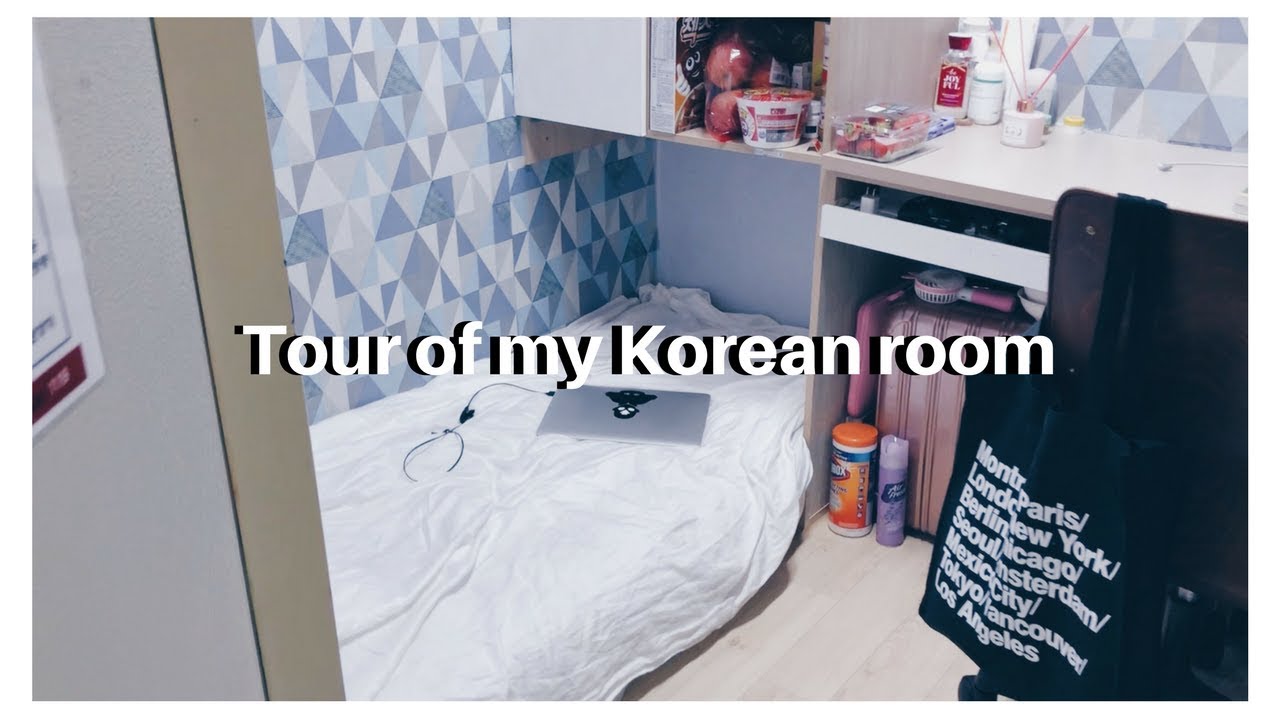
La plupart des résidents de gosiwon prennent leurs repas dans la cuisine partagée ou achètent de la nourriture bon marché dans les supérettes à proximité. Les douches se prennent dans des salles de bains partagées (souvent à un étage différent). Le sommeil est généralement bon, mais l'insonorisation est mauvaise : entendre le clavier de votre voisin ou l'utilisation du micro-ondes est normal. La plupart des résidents portent des écouteurs lorsqu'ils sont éveillés.
Le contexte du logement coréen
Le gosiwon existe parce que le logement coréen est fondamentalement cher. Le format traditionnel de location d'appartement coréen, le jeonse, exige que le locataire dépose une somme forfaitaire équivalente à 50 à 80 % de la valeur d'achat de l'appartement, sans loyer mensuel. Le propriétaire conserve le dépôt investi pendant la durée du bail (généralement deux ans) et le restitue à la fin. Pour les jeunes Coréens sans patrimoine familial, le dépôt jeonse peut être impossible.
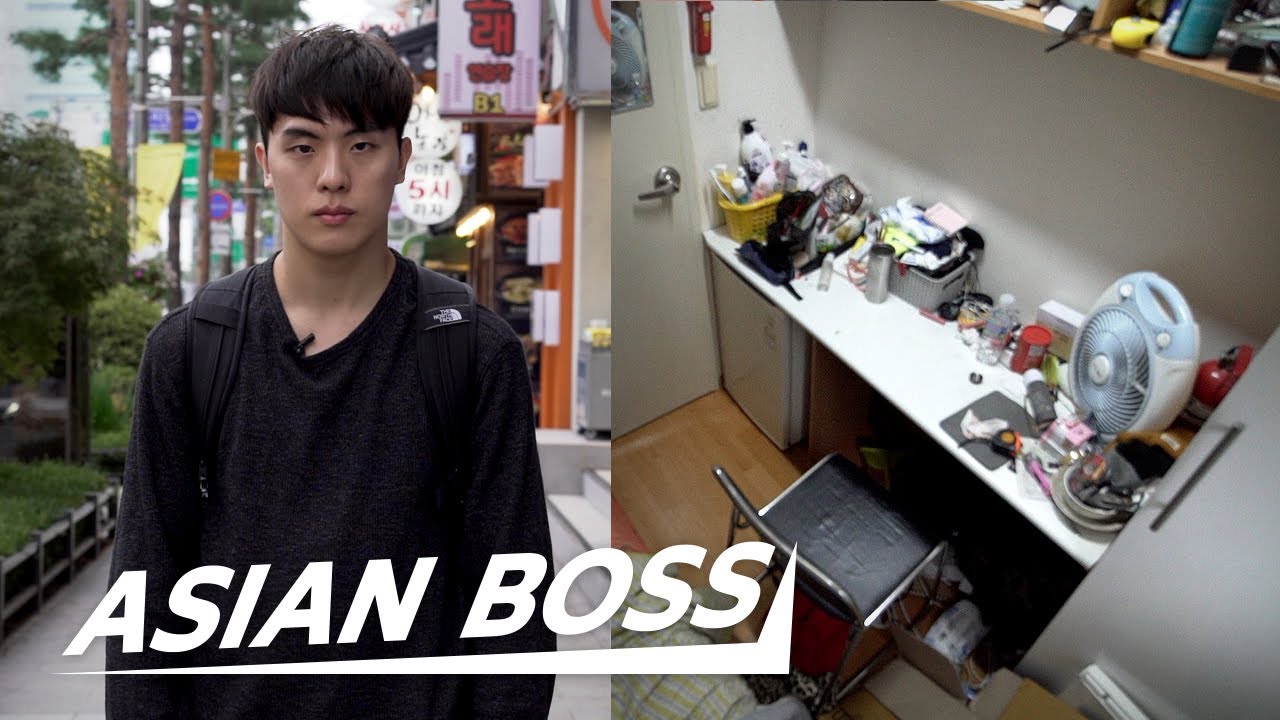
L'alternative, le format wolse (loyer mensuel), exige tout de même un dépôt plus petit (généralement de 5 à 30 millions de wons), ce qui peut également être prohibitif. Les gosiwons éliminent complètement le dépôt, acceptent les baux au mois et incluent la nourriture de base, c'est pourquoi ils restent une soupape de sécurité essentielle sur le marché du logement coréen. Les critiques affirment que ce format est exploiteur ; les partisans disent qu'il offre un abri essentiel à ceux qui seraient autrement sans abri.
Les Gosiwons dans les K-dramas et la culture coréenne
Les Gosiwons sont un cadre courant dans les K-dramas, en particulier ceux qui traitent des jeunes Coréens en difficulté. La série Netflix Itaewon Class montre le personnage principal vivant dans un gosiwon alors qu'il planifie son restaurant. Misaeng, un K-drama adoré sur les jeunes employés de bureau, contient plusieurs scènes de gosiwon. Ce format est un raccourci dans la narration coréenne pour dire « ce personnage est travailleur et part de rien ».
Les émissions de variétés et les documentaires coréens se concentrent également parfois sur la vie en gosiwon comme un moyen d'examiner l'inégalité économique coréenne. La couverture médiatique coréenne tend à osciller entre des représentations sympathiques de frugalité digne et des critiques plus dures de l'iniquité du logement qui rend les gosiwons nécessaires en premier lieu.
Visiter ou séjourner dans un Gosiwon
Si vous êtes un visiteur de longue durée en Corée (un mois ou plus) et que vous avez besoin d'un logement très bon marché, un gosiwon peut convenir. Recherchez des options oneroomtel ou gosi-tel haut de gamme qui incluent des salles de bain privées, des intérieurs modernes et le Wi-Fi. Des sites comme Gosiwon.com et Yogiyo répertorient des options à travers Séoul, et de nombreux gosiwons acceptent désormais les résidents étrangers pour des baux mensuels.
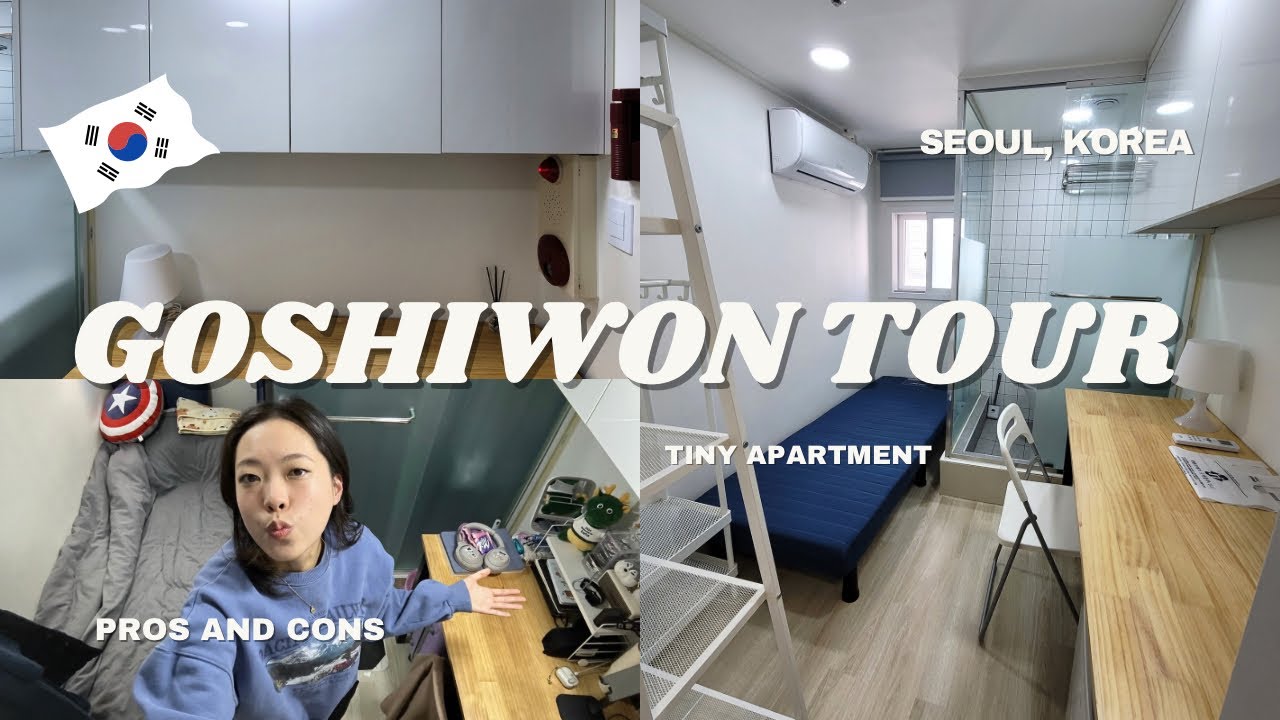
Attendez-vous à un logement compact : un lit simple, un petit bureau, une connexion Wi-Fi de base, et une salle de bain partagée ou privée. La plupart des gosiwons incluent du riz et du kimchi à volonté. Ce format n'est pas pour tout le monde, mais pour les voyageurs à petit budget ou les étudiants en long séjour qui souhaitent une véritable expérience de micro-vie coréenne, c'est une immersion culturelle authentique. Les quartiers universitaires coréens comme Sinchon, Hongdae, Anam et Gangnam ont les plus grandes concentrations de gosiwons.
Explorez davantage la Corée avec Daebak
Vous voulez apporter un petit bout de Corée dans votre vie ? La Daebak Box est remplie des meilleurs snacks coréens, ramens et autres produits culturels livrés chaque mois à votre porte.


