


Table of Contents
Here is the read from someone who has spent over a decade watching how Korean food travels: 수박화채 (subak hwachae) is one of those deceptively simple recipes that carries an enormous amount of cultural weight. Anyone who tries to describe it in English as "watermelon punch" or "watermelon salad" is technically correct and completely missing the appeal point. Subak hwachae is the summer version of a much older beverage family (hwachae, 화채), the same category as sujeonggwa (수정과) in winter and omija hwachae (오미자화채) in early autumn. It is one of the few Joseon-era desserts that survived the industrial food era, jumped into the 편의점 (convenience store) case in 2022, and picked up over 100 million TikTok views by 2023. There is a real reason a milk-and-watermelon bowl became the Korean summer flex, and it is worth pulling apart.
이열치한: fighting heat with cold, not with heat
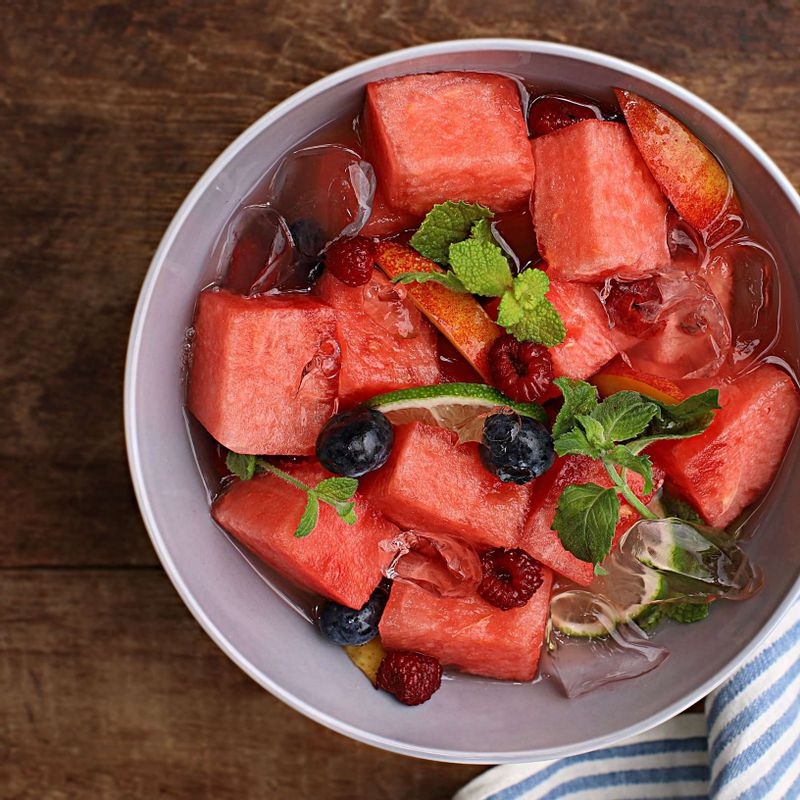
Korean summer food culture runs on two competing philosophies. 이열치열 (iyeol-chiyeol) says you fight heat with heat. That is why Koreans famously line up for boiling 삼계탕 (samgyetang, ginseng chicken soup) on the hottest three days of the year (삼복, sambok). But there is a quieter counter-philosophy, 이열치한 (iyeol-chihan), that says you fight heat with cold. That is the whole design brief for subak hwachae. It is engineered to be eaten at a low table with the fan on, the watermelon straight from the fridge, the milk or cider so cold it fogs the bowl. This is not a Western-style fruit salad served on the side. It is the whole point of the meal on a 35-degree Seoul afternoon, and Korean families treat it as such.
What the Joseon aristocracy actually drank
Hwachae is not new. Court records and Joseon-era cookbooks describe hwachae as a class of drinks made by steeping fruit and edible flower petals (진달래, azalea; 매화, plum blossom) in honey water or the pink liquid drawn from 오미자 (magnolia berry). The watermelon version was aristocratic first. Watermelons were expensive in a country where the fruit had to be grown in short growing windows, and pouring one out with pine nuts floating on top was a summer luxury. The working-class version of subak hwachae as most Koreans know it today, with sugar and 사이다 (cider, the Korean term for lemon-lime soda like Chilsung Cider), only really took hold in the 1970s when domestic sugar and bottled Chilsung became household staples. That timeline matters, because it is the reason your Korean grandmother's version is milk-and-cider and your great-grandmother's version would have been honey water and pine nuts.
Milk, cider, or wine: three versions Koreans actually argue about
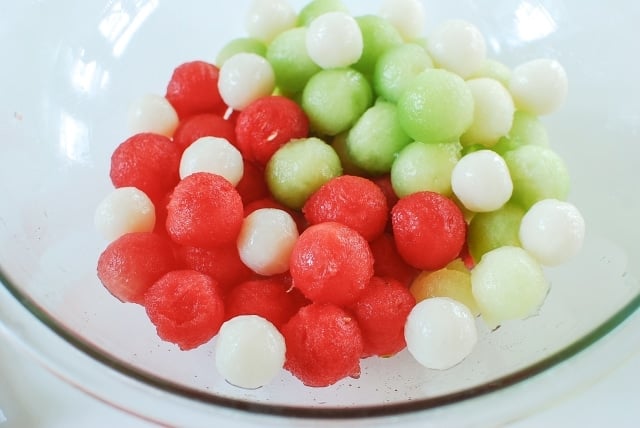
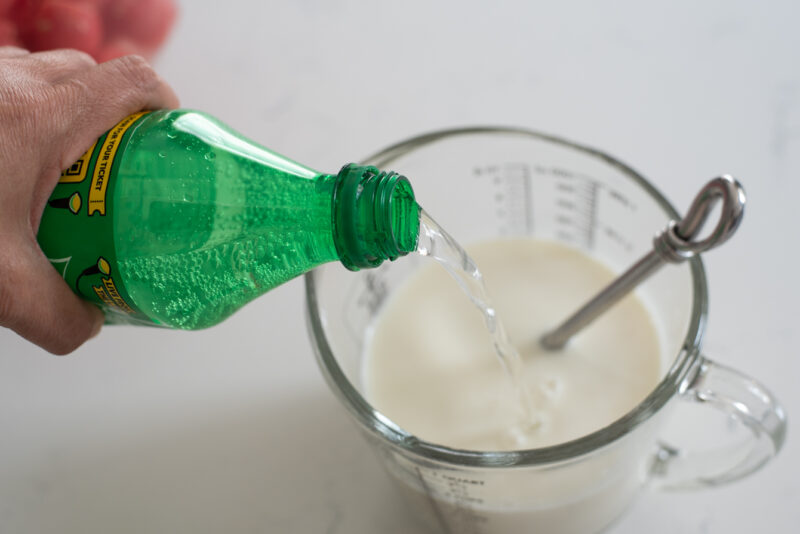
Ask five Koreans how to make subak hwachae and you will get three answers plus a fight. The 우유 (milk) version is the modern classic, popularized in the 2010s partly by Baek Jong-won's variety shows and by countless home-cook TikToks that pour whole milk plus sweetened condensed milk plus a splash of cider over watermelon balls. It reads as creamy, cold, and nostalgic. The 요구르트 (yogurt drink) version, usually made with Yakult-style bottled yogurt, is the zesty option beloved by younger Koreans because it does not curdle as aggressively when the soda hits. The 화이트와인 (white wine) version is the adult flex, served at summer wine bars in Gangnam and Seongsu, with a dry riesling or moscato taking the place of the cider. Each version is defended by its partisans as "the real one," and none of them are historically pure. That is exactly what makes them alive.
The 편의점 surge: why Emart24 and GS25 changed the game in 2022
The moment subak hwachae stopped being a home-only dish and became a mass-market product was the summer of 2022. Emart24 rolled out a cup-format subak hwachae with pre-balled watermelon, milk, and cider in a single sealed cup that you shake and drink. GS25 followed with its own version, and CU joined by 2023. These are not novelty items. Korean convenience-store hwachae cups regularly sell out on the hot days of July and August, and the category has grown fast enough that Nongshim and Binggrae have both launched licensed ready-to-drink hwachae beverages. The industry read is that Korean 편의점 buyers noticed 20-something office workers were making subak hwachae at their desks with plastic cups and mini watermelons from the Emart Everyday express, and they productized the behavior. That is the same instinct that turned dalgona coffee into a global format in 2020, and it works here too.
TikTok, 2023, and the non-Korean adopters
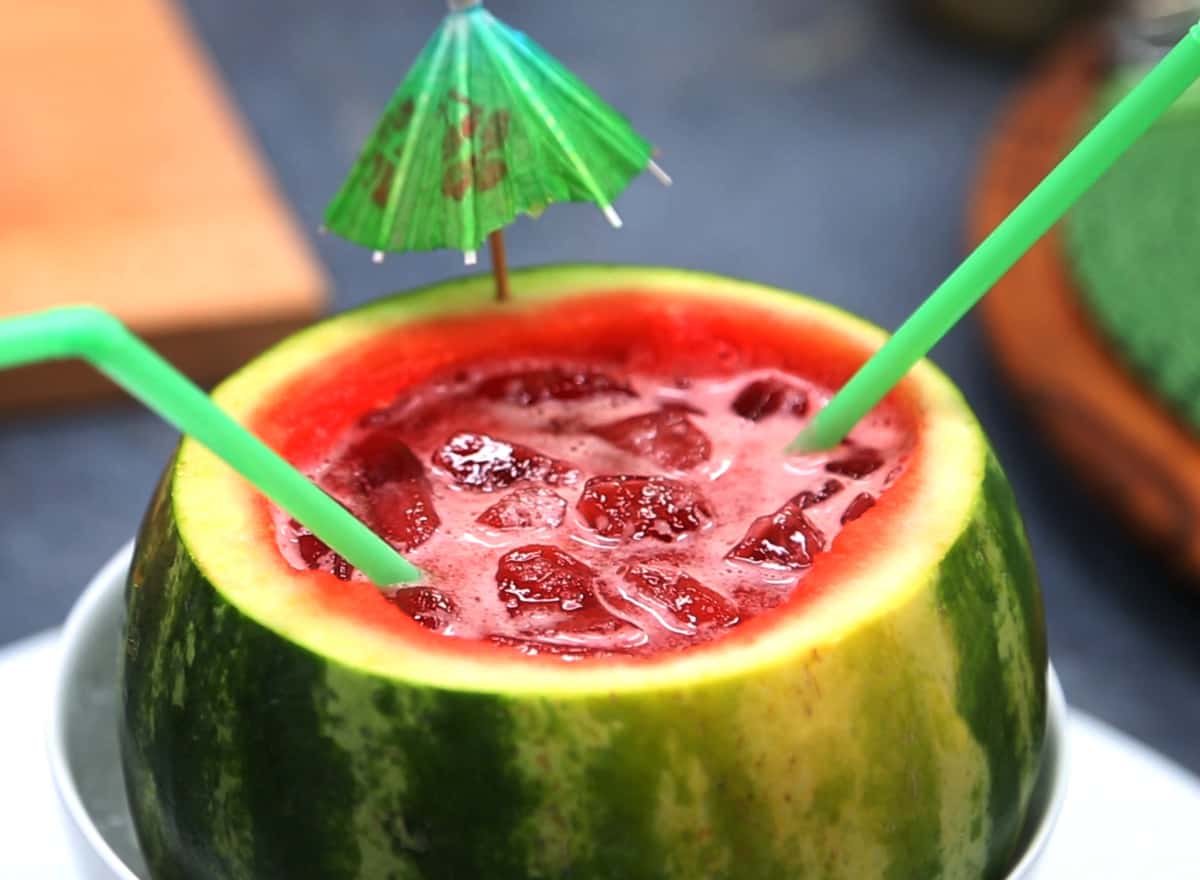
The subak hwachae TikTok moment landed in the summer of 2023. The hashtag #수박화채 (and its romanized cousin #subakhwachae) crossed 100 million views by late August, driven partly by Korean creators showing the milk-and-cider version and partly by non-Korean creators (Filipino, Malaysian, Vietnamese, and American Southeast Asian communities in particular) picking it up as a summer party format. What made it travel was the visual. A hollowed-out watermelon shell used as a punch bowl, with the fizzy pink liquid and the floating balls, is the kind of tableau that reads instantly on a nine-second vertical video. The Korean industry read is that this is exactly the same viral mechanic that pushed 딸기라떼 (strawberry latte) and 아이스크림 붕어빵 (ice cream bungeoppang) into global visibility. Format-first, flavor-second. The flavor is the reason people make it twice.
Regional variations: Busan pineapple vs. Seoul purist
There is a soft regional split most non-Koreans do not know about. The 부산 (Busan) style tends to pull in tropical fruit, especially pineapple and mango, alongside the watermelon. This is a coastal-city habit tied to Busan's history as an import port and its historically stronger access to tropical fruit through Nampo-dong markets. The 서울 (Seoul) purist version is watermelon only, sometimes with honeydew or Korean 참외 (chamoe, Korean melon) as the second fruit, but no tropical additions. Neither is more correct. The Busan version reads brighter and more acidic. The Seoul version reads cleaner and more mineral. Both are subak hwachae. What is not subak hwachae, by any Korean's read, is the mango-heavy version you sometimes see in Los Angeles Koreatown that is basically a mango slushie with a token watermelon garnish. That is a different drink.
The 1 trillion won watermelon economy behind it
The reason subak hwachae is having a moment right now is partly upstream. Korea's watermelon industry is worth roughly ₩1 trillion (about US$720 million) annually at retail, and the premium seedless varieties that Hyundai Green Food and Emart have been pushing since around 2022 (branded lines like the black-rind 블랙망고 subak from Chungcheong farms) have made the fruit easier to buy and easier to eat. Seedless matters here. Nobody wants to spit seeds into a milk-cider punch. The retail push around premium seedless watermelons is what let the 편의점 chains productize the ready-to-drink version in the first place, and it is what makes home preparation less annoying. Subak hwachae's revival is inseparable from Korean grocery innovation on the fruit itself.
The Daebak read: why this tiny recipe matters
Subak hwachae is the rare Korean dish that has stayed continuously alive across four completely different eras: Joseon aristocratic dessert, 1970s working-class summer treat, 2010s TV-driven home comfort, and 2020s 편의점 product. Most traditional foods lose a generation somewhere in that arc. This one did not. The appeal point, for anyone eating it for the first time, is that it delivers on three things at once: the cold shock that Korean summer eating is designed around, the sweetness ceiling that stops before dessert-heavy Western versions get cloying, and the shareable-bowl format that turns a snack into a social event. It is engineered, whether the person making it knows it or not, exactly for the way Koreans actually eat in July. Try the 우유 version first if you are new to it. Add a wine version later. Skip the mango slushie thing entirely.
Explore Korean Culture with Daebak
If the way subak hwachae hops from Joseon courts to convenience-store cups made you want more of the actual Korean read on food and lifestyle, the Daebak Box is your monthly deep-dive: curated Korean snacks, pop culture, and lifestyle picks that go past the headlines and into what Koreans actually love. Subscribe, and let each month land like a cold bowl of hwachae at your door.


