


Table of Contents
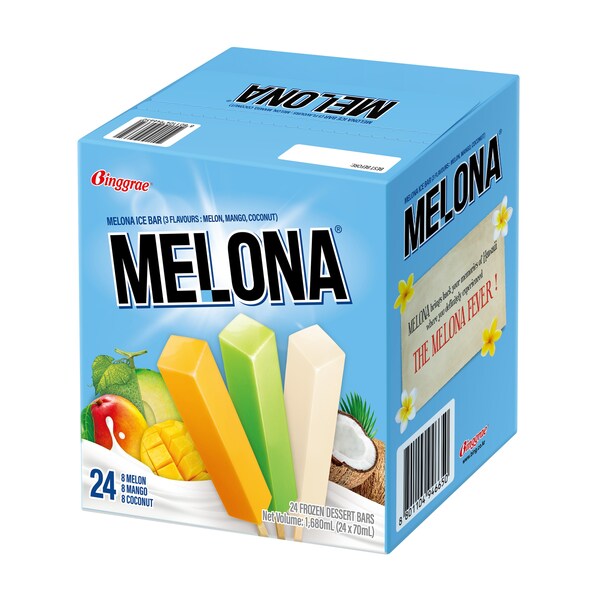
Summer in Seoul hits you like a wet towel around 4pm, and that is exactly when the Samanco reflex kicks in. Someone opens the convenience-store freezer, someone else pulls out a fish-shaped wafer wrapped in blue-and-yellow plastic, and the entire office table smells briefly like vanilla ice cream and cold sweet red bean. For 붕어싸만코 (Bungeo Samanco), that afternoon and late-night 8pm slot is the sweet spot, not lunch dessert. That timing is deliberate, and it tells you a lot about how Korean snack makers think about seasonality.
Winter Bread, Reengineered for August
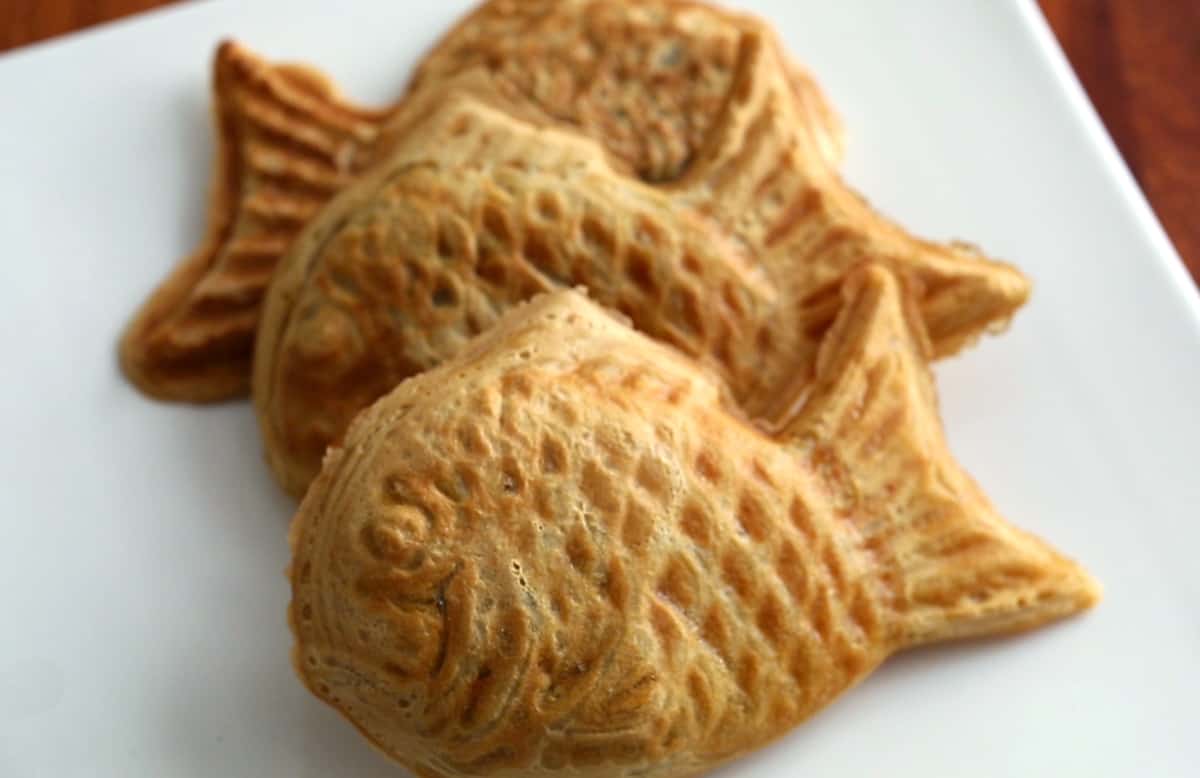
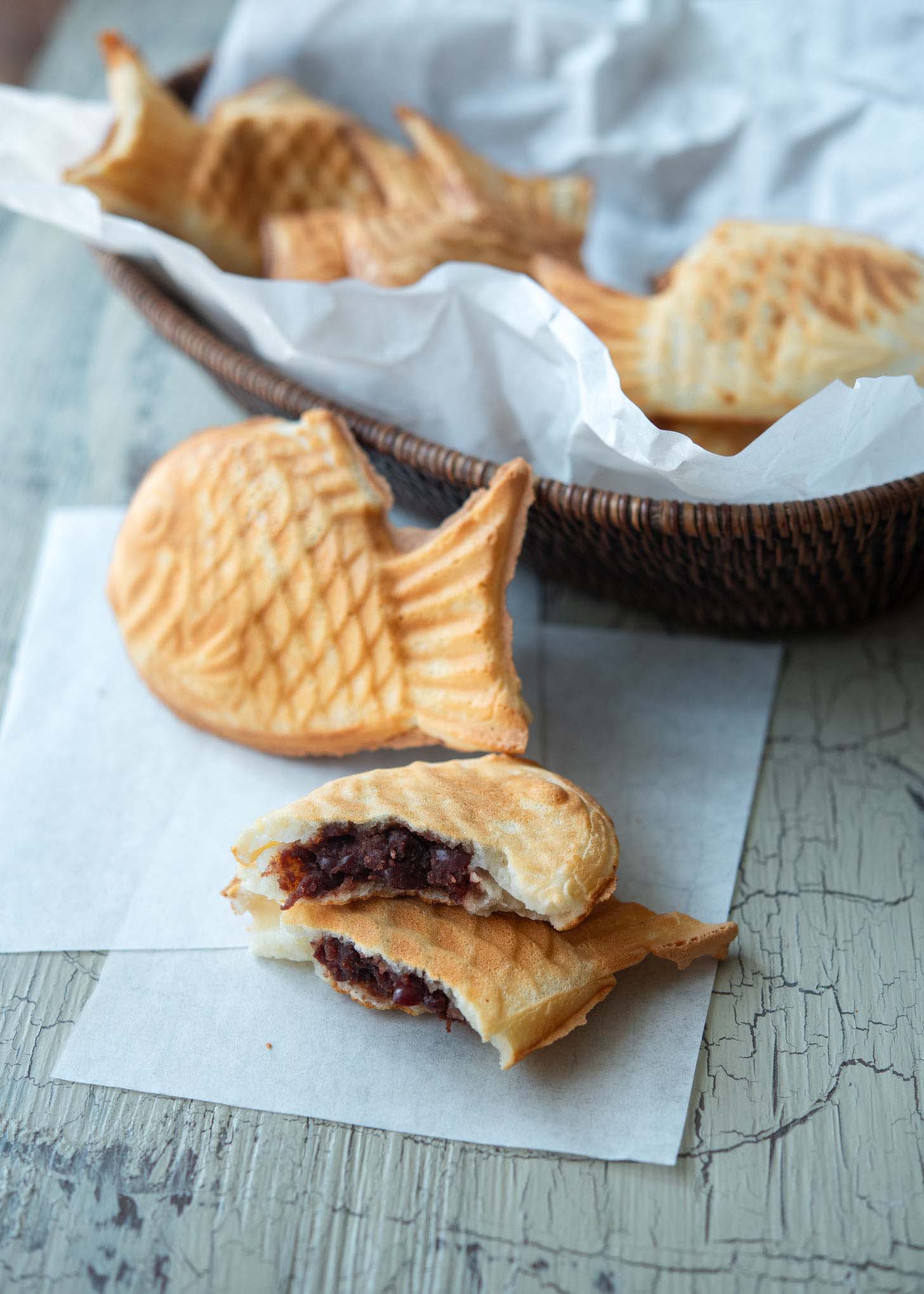
붕어싸만코 is the summer cousin of Korea's most beloved winter street snack, 붕어빵 (bungeoppang), the crispy carp-shaped pastry filled with sweet red bean paste (팥) that shows up on Seoul sidewalks the moment the temperature drops below 10°C. Bungeoppang has been around since the 1930s, borrowed originally from Japanese taiyaki, and it is emotionally locked to cold weather. You buy three fish for 2,000 won, cup them in a paper bag to warm your hands, and eat them walking home from the subway.
Then in 1991, Binggrae's product team asked the question that broke that seasonal logic: what if the same fish existed in the freezer? Not as a hot pastry, but as an ice cream sandwich, cold wafer shell, vanilla ice cream inside, still with the red bean paste. The name they landed on, 싸만코, is a wink at the shopper: 싸다 (cheap) + 만코 (a lot), roughly "cheap and plenty." That naming choice is peak 1990s Korean confectionery marketing, playful, self-deprecating, and value-first, and it signaled the product's positioning from day one: not a premium dessert, but a reliable freezer staple you grab without thinking.
Why the Cultural Inversion Works
Most snack brands would have designed a new summer product from scratch. Binggrae instead took a shape and a filling Koreans already loved in winter and moved them across the calendar. That is a very Korean move: preserve the visual signal (fish + red bean), swap only the temperature, and let nostalgia do the marketing for you. When a Korean sees a fish-shaped snack, the memory is already there. Samanco just borrows that memory and delivers it cold.
The wafer itself matters here. It is not the crackly cone of a Drumstick or the soft bread of a Choco Pie. It sits in between, slightly chewy, slightly crisp, engineered to survive a freezer without going hard. That texture is why locals rank Samanco above generic ice cream sandwiches. Bite the tail first, get pure wafer + vanilla. Bite the belly, get the red bean sweetness. Koreans actually joke about "fish anatomy eating order" the way Japanese joke about taiyaki, and that mini-ritual is a huge part of the product's stickiness.
The 8pm 야식 Slot, Not Lunch Dessert
Ask an American when they eat ice cream and they will say "after dinner." Ask a Korean, and the honest answer is more like "when I get home from work at 8:30pm and open the freezer while the ramyeon water is boiling." Samanco lives in 야식 (yasik, late-night snack) culture, which is a whole separate meal category in Korea, sitting alongside chicken-and-beer and convenience store gimbap. It is not dessert as Westerners think of it. It is a small reward at the end of a long day.
That positioning is why you rarely see Samanco marketed with families or lunch scenes. Binggrae's ads instead lean into single-person freezer moments, humid nights, one hand on a Melona, one on a Samanco, TV on. This mirrors real usage data, since convenience store chains like CU and GS25 spike frozen snack sales after 8pm in June through August.
The Export Story Nobody Saw Coming
For most of its life, Samanco was a purely domestic product with a niche following in Korean diaspora communities. Then post-2020, K-food exports went vertical. Binggrae's overseas revenue jumped 27% year-on-year to 77.5 billion won ($57.8 million) in the first half of 2023 alone, with ice cream driving 60% of that. Samanco and its sibling Melona rolled into Australian Woolworths and IGA that year, hit Costco Australia in November 2024, and by January 2026 Costco USA started stocking a 12-count variety pack that promptly went viral on Instagram and TikTok, mostly on the strength of the fish shape alone. American shoppers, most of whom had never touched red bean paste, started buying Samanco because it looked cute.

Weee! and HMart in the U.S. carry Samanco year-round now, and immigrant Korean parents genuinely use it as a homesick fix, the same way Japanese-Americans reach for onigiri. Cross-cultural TikToks tagged #samanco crossed hundreds of thousands of views in 2022, and the demographic skew was telling: not just Koreans, but curious American and European Gen Z shoppers who found the fish shape more photogenic than Häagen-Dazs. Binggrae leaned into it. The lineup now includes strawberry, chocolate, matcha, and a mixberry version, all wrapped in that same recognizable blue-and-yellow packaging.
The Brand-IP Playbook Behind the Fish
What makes Binggrae interesting as a case study is that they treat legacy snacks like Samanco as intellectual property, not just SKUs. In 2025, the company partnered with premium ceramic brand Yido Onhwa on a Banana Milk tableware set that raised 650 million won on Wadiz crowdfunding. Orion did the same with its Cham Bungeoppang snack, turning it into a hand warmer and portable battery. That entire playbook, snack-as-lifestyle-object, works because Korean consumers grew up with these brands and now want to buy the nostalgia in ceramic form.

Samanco fits that pattern. It is not sold as a dessert. It is sold as a piece of Korean summer memory in wafer form, and that emotional bandwidth is what carries the product across borders. A Sydney shopper buying it at Coles this month is buying the visual charm. A Seoul salaryman eating one at 9pm is buying back a piece of childhood. The product does not need to change to speak to both.
Where to Find One (and How to Eat It)
If you are in Korea, any convenience store, GS25, CU, 7-Eleven, Emart24, has Samanco in the freezer for around 1,500 won. Overseas, HMart and Weee cover most U.S. metros, and Costco carries the 12-pack in select warehouses. Eat it slightly softened, about 90 seconds out of the freezer, so the wafer flexes and the red bean unfreezes. Tail first is the correct move, according to Korean internet consensus. Save the red-bean midsection for the middle bites so the sweetness pays off at the peak of eating, not at the start.
Explore Korean Snacks with Daebak
Love Korean food? Get authentic Korean snacks and ramen delivered straight to your door with the SnackFever Box by Daebak.


