


Table of Contents
Every year around the first week of September, the small county of 괴산 (Goesan) in North Chungcheong Province turns its town square into what looks like a red pepper explosion. Giant chili statues, mountains of just-harvested gochu drying under the sun, and a crowd of roughly half a million visitors who come to buy, taste, and (a lot of the time) suffer through spice challenges they will regret in an hour. I have been watching Korean regional festivals evolve as content and commerce platforms for a decade, and the Goesan Red Pepper Festival (괴산고추축제) is one of the smartest examples of how a farm town used its supply chain to build a real destination event. It is not the Seoul K-pop machine, and that is exactly the point.
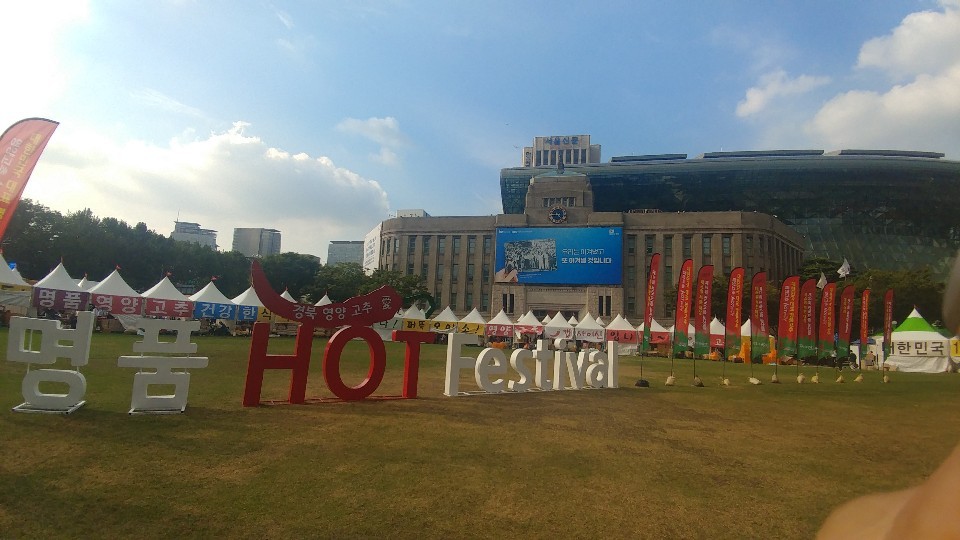
Why Goesan Owns the Gochu Map
Here is a fact you will not see promoted in most travel guides: Goesan is not just any pepper town, it is one of the top-tier gochu production zones in Korea, and the county has built its entire agricultural identity around that reputation. Chungbuk sits in the middle of the country at a specific altitude and thermal band where summer daytime highs sit hot enough to push capsaicin production, while nighttime lows drop enough to preserve sugars. That thermal gap, what Korean farmers call 일교차 (ilgyocha, daily temperature range), is the reason 괴산고추 (Goesan gochu) develops the sweet-then-spicy profile that home cooks in Seoul will pay a premium for. Domestic per-capita chili consumption in Korea sits around 3 kilograms per person per year, roughly 8 grams a day, and gochu is the single most consumed vegetable in the country, so this is not a niche market. When Seoul housewives head to the source in September to buy 20 geun (12 kilograms) of dried peppers for their winter 김장 (gimjang) kimchi run, Goesan is one of the two or three names they trust by reflex.
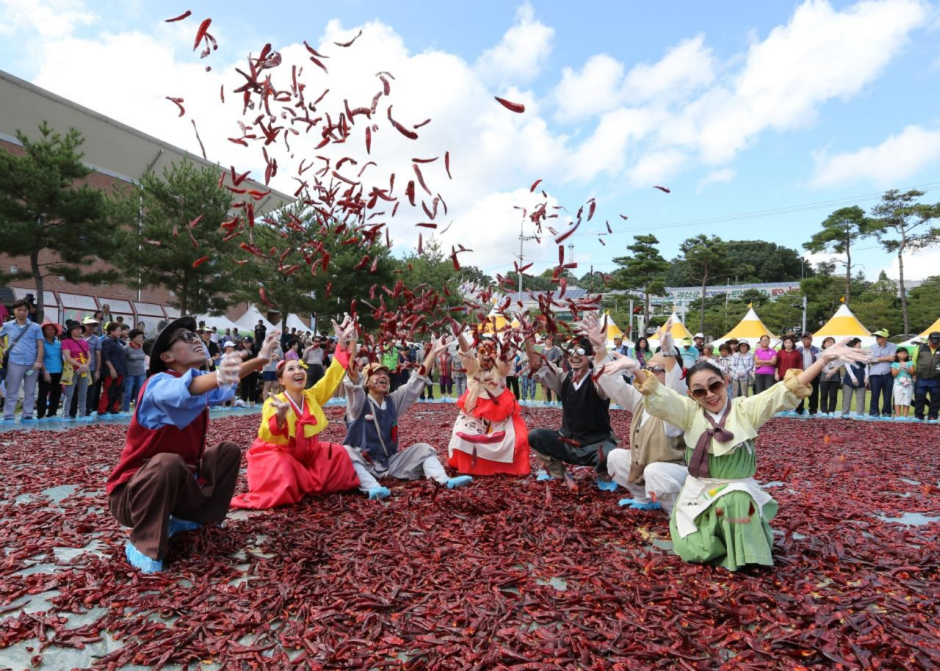
What Actually Makes Goesan Gochu Different
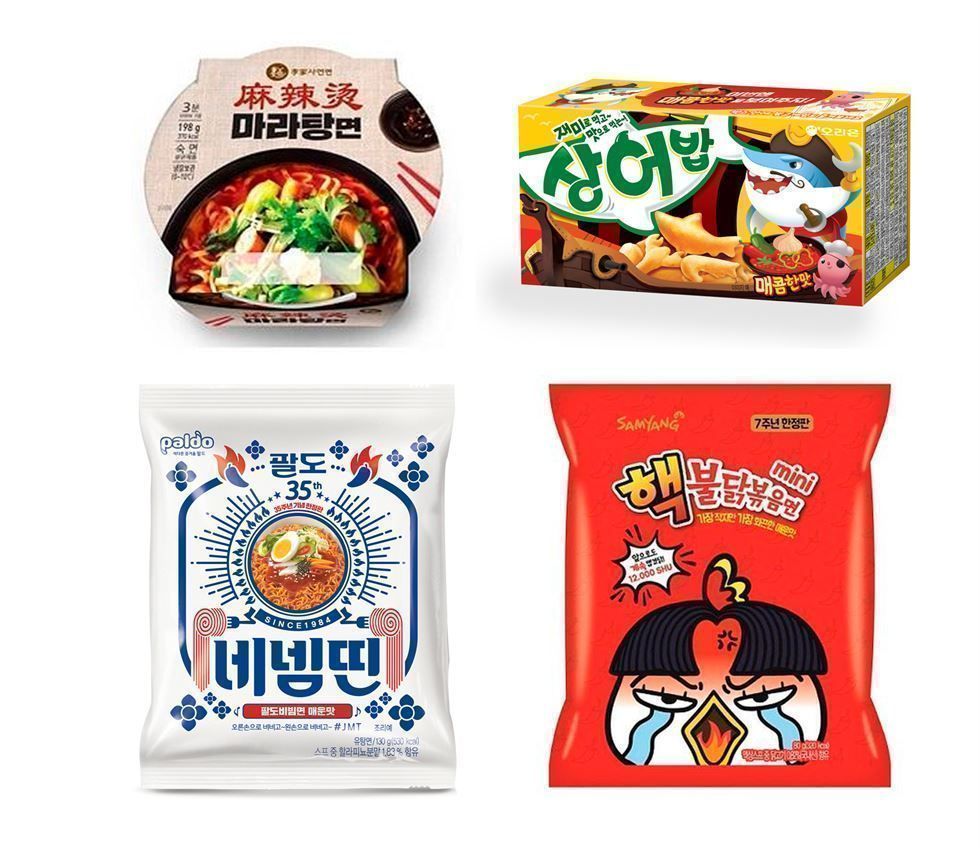
The technical answer most food writers skip: 괴산고추 is a slower-ripening variety, and slower ripening is where all the flavor lives. Faster-ripening commercial peppers (the kind grown for mass gochugaru supply) hit market weight quickly but skip the sugar-and-capsaicin buildup that gives Goesan its signature. What you taste at the festival stalls is a pepper that is legitimately hot without being one-note, with a background sweetness that carries through when it is dried and ground into 고춧가루 (gochugaru, chili flakes) or fermented into 고추장 (gochujang, chili paste). Compare that to Cheongyang, the other famous Korean cultivar, which rates around 4,000 to 10,000 Scoville and is prized purely for aggression, and you can see why the two counties have carved out different market positions. Cheongyang goes into instant noodles and industrial 매운 (maeun, spicy) product lines. Goesan goes into the household 고추장 that a Korean grandmother has been fermenting since her daughter got married. That is the tier difference, and the festival is where the county cashes in on it.
Inside the Festival Grounds: Programs, Prices, and What Actually Works
The event runs annually in early September at the Goesan Organic Expo Plaza in Goesan-eup, with the 2025 edition scheduled September 4 to 7. Admission is free, which is unusual for a festival at this scale, and the county absorbs the entry cost because the whole point is to move product, not gate ticket revenue. Programs that actually pull the crowd: 고추따기 체험 (pepper-picking hands-on), the annual 고추요리경연대회 (pepper cooking contest) where amateur cooks and pros both compete, the "Find the Golden Pepper" hunt that is engineered pure Instagram-bait, and the Hot Chimac Festival (chicken plus mac, meaning beer, staged with fried chicken smothered in Goesan gochu sauce). The Organic Goesan Singing Contest is the cultural anchor and reads as small-town corny to outsiders, but that is a feature not a bug. It signals that this is a working farm town's harvest fair, not a Seoul-manufactured travel spectacle. The stalls where you actually want to spend money are the 특산품 (teuksanpum, local specialty) booths lining the plaza edges. That is where the farmers themselves are selling, at prices roughly 20 to 30 percent below what you would pay at a Seoul department store food hall for the same-grade product.
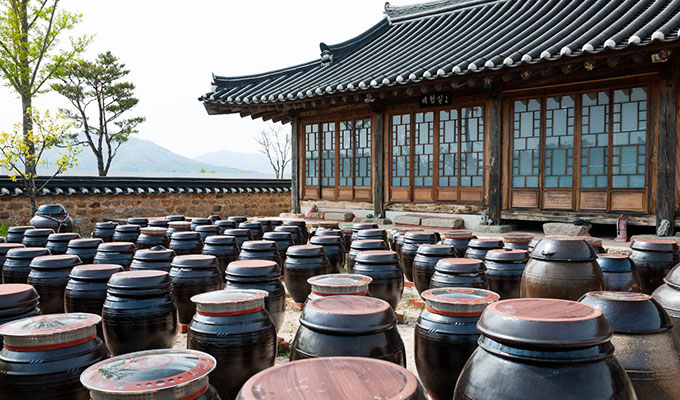
The Gochujang Export Story That Started in Chungbuk
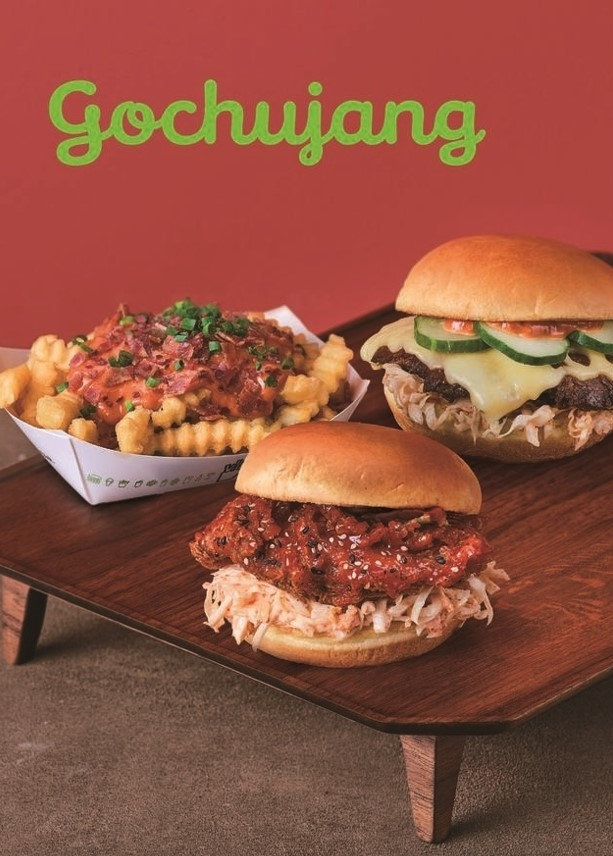
Here is the industry story that Goesan quietly benefits from without ever having to run its own overseas marketing. Korean gochujang exports hit $61.92 million in 2023, up 17.8 percent year over year and breaking the $60 million ceiling for the first time in history, and the US alone accounted for 17.8 percent of that at roughly $21.1 million. The category is riding what American food industry research firm Datassential now labels "swicy" (spicy plus sweet), the flavor profile that Gen Z restaurant consumers are actively chasing. When Shake Shack rolls out a gochujang-based Korean fried chicken sandwich and CNBC writes it up as a mainstream flavor trend, that reads in Seoul boardrooms as validation, and every Korean chili processor with a decent farm supply moves to catch the tailwind. Goesan is not exporting jars of gochujang directly to Whole Foods, but the county is one of the upstream farms feeding the branded exporters, and the festival is the annual PR moment when Korean media re-anchors "premium chili paste equals Goesan gochu" in the public imagination. That is a story you can only tell if the audience already knows Squid Game and Buldak. The past five years of Hallyu spice curiosity gave the Goesan festival a much bigger export tailwind than it had a decade ago.
How the Festival Powers the Local Economy
Regional festival economics in Korea are more serious than the folk-fair styling suggests. The Yeongyang H.O.T. Festival, the sister chili event held a couple hundred kilometers east, cleared roughly 2 billion won (about $1.7 million) in on-the-spot sales and delivery orders across a three-day weekend in 2019. Goesan pulls comparable numbers in a good year, and the multiplier effect from lodging, restaurants, transportation, and follow-on direct orders through the year runs the local impact into the tens of billions of won during festival week. For a county of roughly 38,000 permanent residents, half a million festival visitors and pipeline orders that keep flowing into December is the single biggest annual economic event on the calendar. This is how Korea's rural counties fight population decline. Cultural events plus a specialty crop plus digital distribution equals a viable brand a small town can actually own. Boryeong has the mud, Andong has the mask dance, Boseong has the tea fields, and Goesan has gochu. If you have ever wondered why Korean local governments invest so heavily in these festivals, the ledger is why.
What to Bring Home (Reader Tip From the Ground)
Buy dried whole gochu if you have a grinder at home, because pre-ground gochugaru loses aroma within roughly six months once the seal is broken. Buy 태양초 (taeyangcho, sun-dried grade) not machine-dried if the vendor offers both, and ask specifically for it, taeyangcho carries the slower-drying flavor development that matches the Goesan varietal. If you are going to buy a jar of 고추장 at the festival, look for one that lists 태양초 gochugaru and traditional 메주 (meju, fermented soybean brick) on the label. That is the artisan tier, and it will taste like a completely different sauce from the CJ or Chung Jung One product on your local H Mart shelf. Bring cash. Some smaller farmer booths still prefer cash for the deeper discounts.
Explore More of Korea with Daebak
Want to bring a little piece of Korea into your life? The Daebak Box is packed with the best Korean snacks, ramen, and cultural goodies delivered monthly to your door.


