


Table of Contents
Here is the read most Hallyu maps miss: 한류 (Hallyu) in Spain does not start in Madrid or Barcelona. It starts on a volcanic island roughly 150 kilometers off the Moroccan coast, in Las Palmas de Gran Canaria, where Korean deep-sea fishermen showed up in the late 1960s and never fully left. If you want to understand why K-culture has any real traction in 스페인 (Spain) today, you have to start with this island. I have watched the K-content industry try to break into European markets for over a decade, and Gran Canaria is one of the very few case studies where Korean presence predates the K-pop wave by roughly forty years. That timing changes the whole equation.
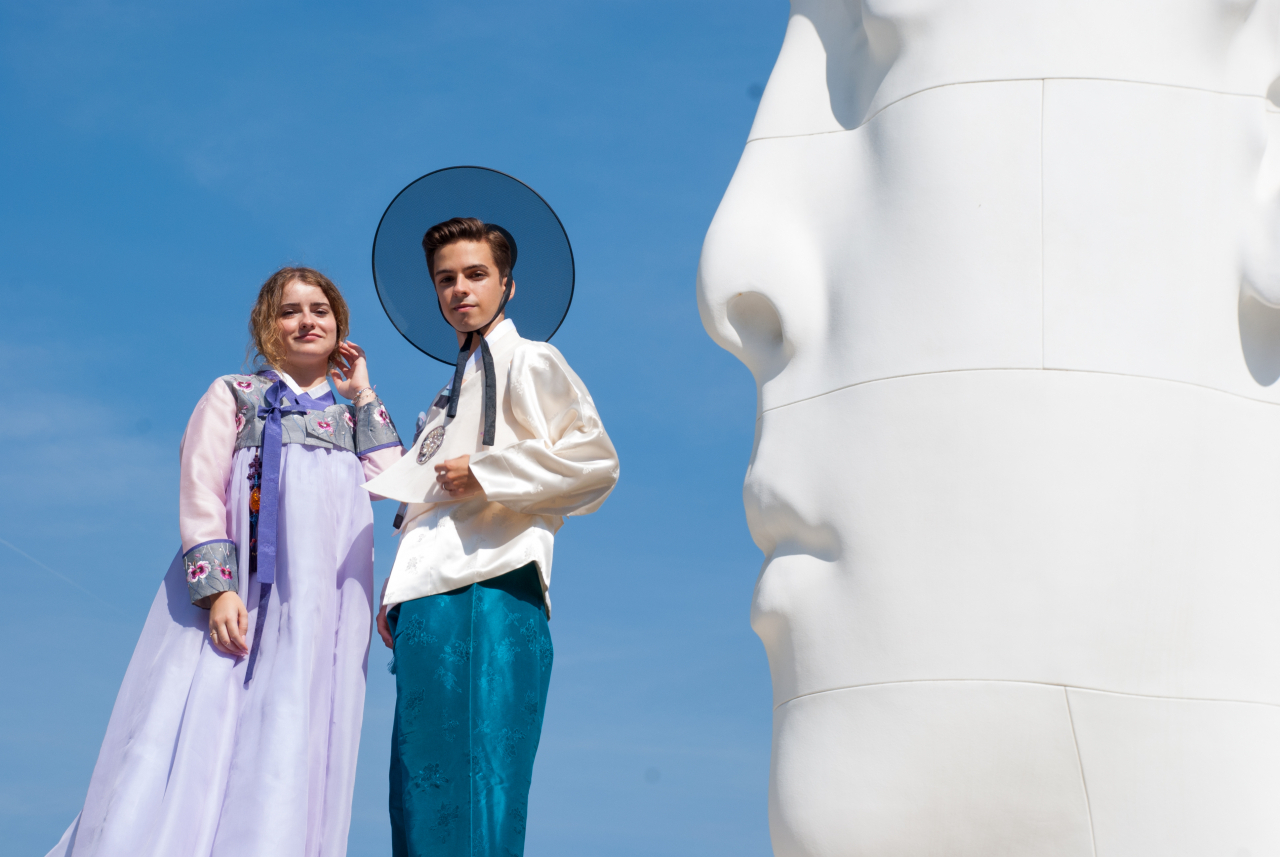
Gran Canaria sits in the 카나리아 제도 (Canary Islands), an Atlantic archipelago positioned closer to West Africa than to the Iberian Peninsula. The island counts around 850,000 residents and pulls roughly 4 million annual visitors, which is the tourism math behind its nickname, the Land of Eternal Spring. What most Hallyu writeups miss is that Las Palmas hosts the only officially recognized Koreatown in all of Spain. That is not a small footnote. In the 1970s, Koreans made up roughly 4 percent of the city's population, peaking near 10,000 residents. The Korea Times has documented that the community's roots trace to Korean sailors who arrived after 1966 to work Atlantic fishing routes, followed by the 1974 Korea, Spain Fisheries Cooperation Agreement that formalized the pipeline. That is the industry mechanic behind why Gran Canaria matters at all.
A Korean, Canarian History That Actually Explains the Culture
Here is the piece most travel blogs skip. Korea's Atlantic fishing industry collapsed in the 1990s, and the Korean population shrank fast, from over 2,000 residents in 1997 to under 1,300 by 1999. But instead of the community vanishing, it pivoted. Second and third generation Korean, Canarians stayed, moved into business and professional roles, and kept the neighborhood infrastructure intact. That is why, when the K-pop wave finally reached Europe in the mid, 2010s, Gran Canaria was one of the few places outside major capitals with a working Korean cultural base already in the ground. The King Sejong Institute in Las Palmas, one of only three in all of Spain and the main one according to the Korean Cultural Center Madrid director interviewed by The Korea Herald, is a direct beneficiary of that legacy. About 800 Spaniards study Korean across the three institutes each year. Small by 한류 standards, but the concentration in Las Palmas is disproportionate to the city size, which tells you the demand is real, not manufactured.

In October 2025, a 6-meter aluminum sculpture called "Greeting Man" was unveiled at Canary Square in Las Palmas, bowing toward the Atlantic in gratitude to the 117 Korean sailors who lost their lives at sea working the Canary routes. King Felipe VI sent a personal message for the ceremony. That is not the kind of diplomatic gesture Spain extends to a symbolic community. It is what happens when a community has been embedded in local economic life for six decades. The Greeting Man is the physical proof that Gran Canaria's Korean chapter is not a novelty. It is infrastructure.
Restaurants: Where Korean, Canarian Food Culture Actually Lives
Most guides list Restaurante Mandu, Ginza, and Asian Dinner. The list itself is fine, but the framing usually misses the appeal point. Mandu is small, seafront, and sits near Peña La Vieja ice cream shop, a Canarian anchor that keeps Korean food from feeling like a foreign import. That mixing is the whole story. Ginza is run by Koreans who happen to love Japanese cuisine, and the TV in the corner quietly broadcasts Korean television so diners absorb an ambient sense of Korean living-room culture without anyone forcing it on them. Asian Dinner in the south of the island opens at 12:30 p.m., roughly 90 minutes earlier than the Canarian norm, because the Korean owners know exactly who they are cooking for: northern European tourists, Korean visitors doing island hopping, and older Korean, Canarian residents who never fully adjusted to the late Spanish eating schedule. That single scheduling decision is a business move you only make when you have a specific customer profile in mind.
Why does 스페인 have so few Korean restaurants outside Madrid and Barcelona? Because Spanish culinary culture is proud and slow to accept newcomers, and the cost of failure for a Korean chef opening in a mid-sized Spanish city is punishing. In Gran Canaria, that friction drops because the tourism economy absorbs risk. You can run a Korean BBQ spot for a mixed room of German holidaymakers, British expats, Korean visitors, and Canarian locals, and you do not need any single segment to carry the night. Gran Canaria's rent structure and its forgiving multinational audience are what let the Korean, Canarian food scene stay viable while Sevilla or Valencia Korean scenes have struggled to hold ground.
K-pop 팬덤 (Fandom) on a Volcanic Island

K-Pop Canarias, the local fan collective, runs Korean pop parties throughout the year. Two of the more visible events: K-arnavales in March, a K-pop centered party staged during the island's biggest festival (carnival), and the April Fiesta Light and Night events. Then there is Kimchi, V Festival de Cultura Canaria, essentially a Korean Comic Con held every October with hanbok rentals, karaoke, workshops, and shopping stalls. Free entrance. These events have been running for years and do not depend on major label tour stops, which matters, because they build the ambient demand that later gets monetized when a real K-pop tour finally lands in Spain.
Here is the industry read. Spain is roughly the sixth largest K-pop market in Europe, well behind France, which leads the continent, and behind Germany, the UK, Poland, and Italy. Total annual Spanish K-pop retail revenue sits around 30 to 50 billion won, small in absolute terms but growing fast. BLACKPINK's 2019 Palau Sant Jordi concert in Barcelona sold roughly 10,000 tickets, which was the inflection point that made HYBE, SM, JYP, and YG start treating Spain as a scheduled tour stop rather than a "maybe next cycle" market. Stray Kids played Madrid in 2025. BTS's Madrid dates in 2026 will pull ARMY from across Europe, and Canary Islands fans have been booking mainland flights since the announcement. Gran Canaria itself does not host arena shows because the venue capacity is too small, and this is the honest tradeoff: island fans fly to Madrid or Barcelona for the artist, and rely on K-Pop Canarias events for the community piece in between.
Why the Community Anchor Matters More Than the Concerts
On a hilltop covered in palm trees sits the Full Gospel Las Palmas Church, also called Iglesia Coreana de Altavista, a church built by and for Koreans. Services run in Korean. It doubles as a Saturday school where children of Korean, Canarian families study 한국어 (Korean language) so the tie to Korea does not thin over generations. That is the diaspora infrastructure most tourists never see, and it is exactly why Gran Canaria's Hallyu scene has staying power. A K-pop fan community without a resident Korean community can burn out when the touring calendar slows. A diaspora with 60 years of institutional continuity does not.
The Streaming Question: How K-content Actually Reaches the Island

Here is the pipeline question that matters for an island economy. Gran Canaria is geographically isolated from mainland Europe, which means K-content mostly arrives through Netflix Spain, Prime Video, and streaming apps rather than through theatrical releases or physical retail. That is a real advantage for Korean content producers, because streaming distribution is essentially free of the physical logistics that hurt other export products. Since Squid Game landed in September 2021, Korean dramas have been regular fixtures in the Spanish Netflix top 10. When Life Gives You Tangerines with IU and Park Bo-gum ran hot on Spanish Netflix in 2025. Culinary Class Wars pulled Spanish food-content viewers into an unexpected K-drama pipeline in late 2024. Korean content is now the second most-watched non-English category on Netflix globally at about 8.7 percent of viewing hours, edging past Spanish-language content at 7.1 percent per Omdia's late 2024 numbers. That is a structural shift, not a Squid Game spike.
The appeal point for Spanish viewers is not just novelty. What Korean dramas offer, and what the Hallyu industry has spent 15 years engineering, is emotional pacing that Western TV has largely forgotten how to do. A K-drama will let a single glance sit for four seconds before cutting away. That patience is unusual in Spanish or American drama, and it is precisely the texture that makes late-night streaming feel intimate rather than transactional. Gran Canaria viewers, who often watch alone in island-quiet living rooms, respond to that pacing more than a Madrid apartment dweller might. Streaming platforms track per-region retention data closely, and the retention curves for Korean content in the Canary Islands are strong enough that Netflix Spain has quietly promoted K-dramas harder in the archipelago than on the mainland.
What This All Adds Up To
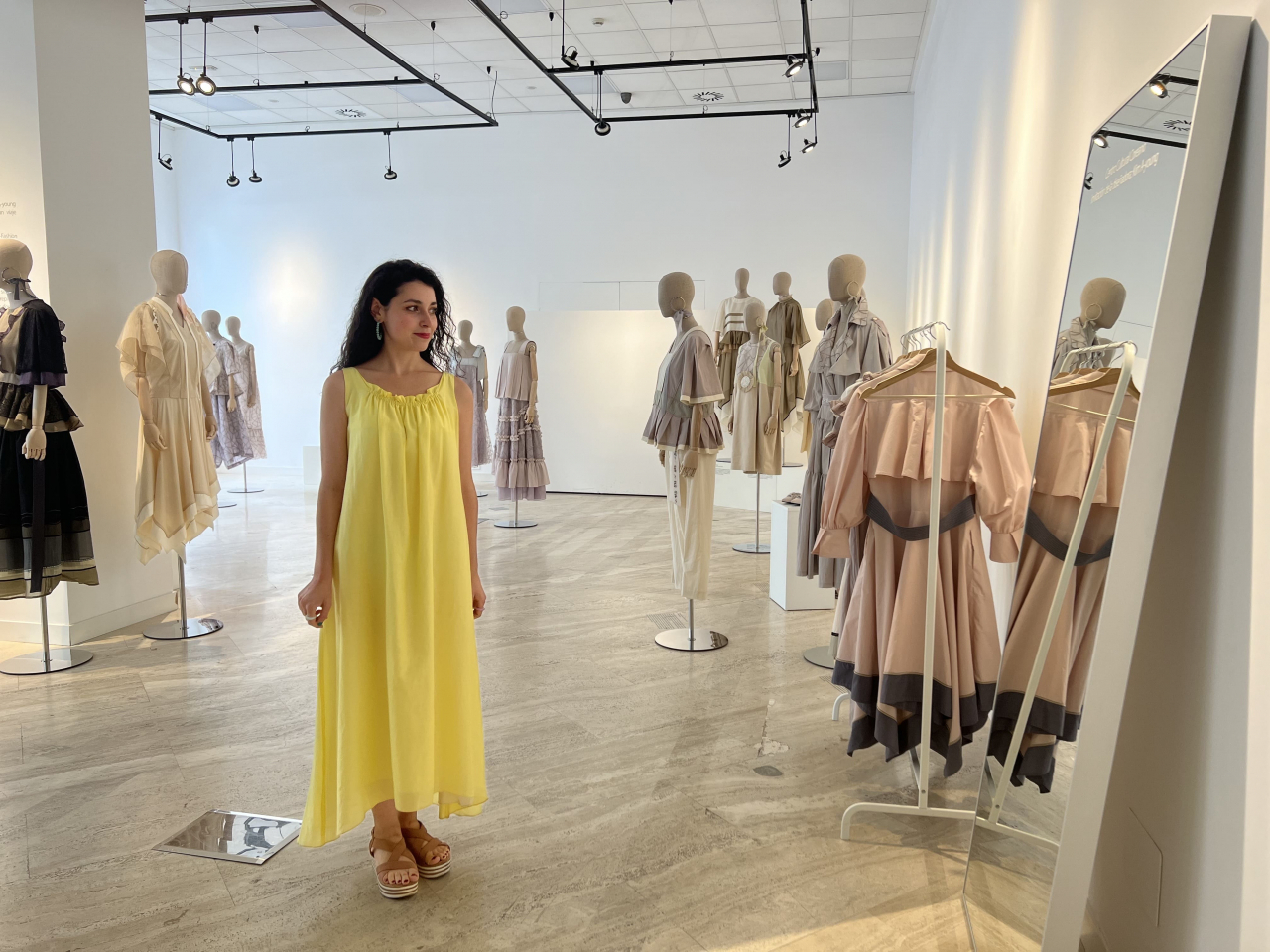
The bigger 한류 story in Gran Canaria is not that a small K-pop 팬덤 exists on a Spanish island. It is that Gran Canaria is one of the very few places in Europe where the Korean cultural presence predates the wave. That gives it something Madrid or Berlin do not have: continuity. The Korean Cultural Center in Madrid grew its annual participants from 30,000 in 2011 to over 300,000 today, a 10x arc that mirrors Hallyu's broader European trajectory. But Las Palmas already had hanbok at a local festival, a Korean-language school running since the 1970s, and a working Koreatown before that arc ever started. When Korean tourism officials talk about "Global South Korea," this is exactly the pattern they mean: cultural presence built through decades of quiet community work, not just concert dates on a promoter's spreadsheet.
Which Korean-influenced place have you visited, or want to visit next? Gran Canaria is one of the more overlooked entries on any 한류 travel map, and honestly, it deserves a slot on more than one bucket list. If you want to bring a taste of the wave home while you plan the trip, the Daebak Box ships a curated monthly selection of Korean snacks, beauty, and pop culture items straight to your door, no plane ticket required.


