


Table of Contents
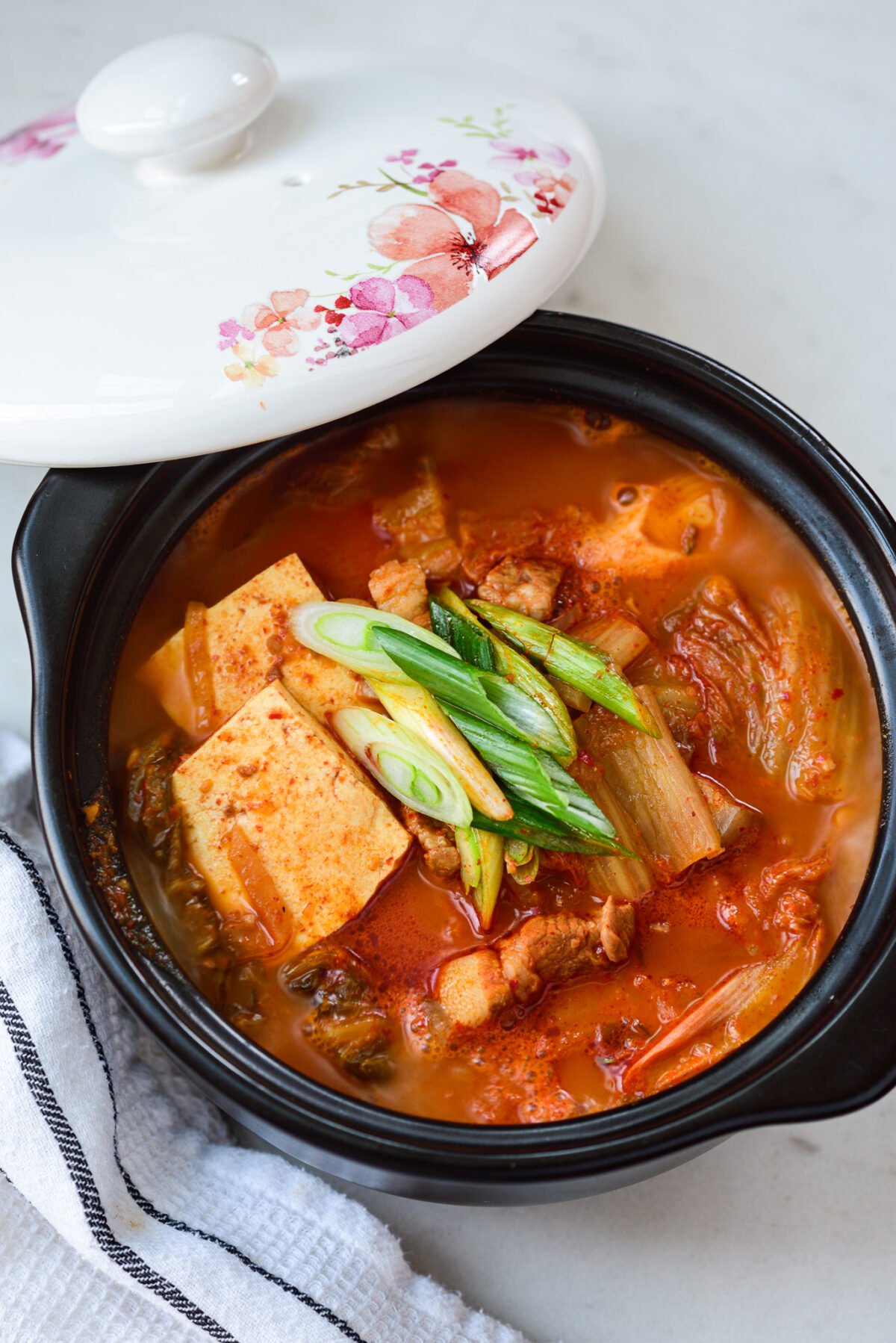
If there is one dish that captures the soul of Korean home cooking, it is kimchi jjigae. This deeply satisfying kimchi stew has been a cornerstone of Korean cuisine for centuries, bubbling away on stoves across the country and filling kitchens with its signature spicy, tangy aroma. Simple to make yet endlessly comforting, kimchi jjigae is the dish Koreans turn to when they need something warm, filling, and full of flavor.
What Is Kimchi Jjigae?
Kimchi jjigae (김치찌개) is a Korean stew made primarily from fermented napa cabbage kimchi, combined with pork, tofu, scallions, garlic, and Korean seasonings like gochugaru and gochujang. It is one of the most beloved jjigae varieties in Korean cuisine, ranking alongside doenjang jjigae and sundubu jjigae as a household staple. The dish is traditionally served boiling hot in a clay or stone pot, accompanied by a bowl of steamed rice and assorted banchan (side dishes). Its history stretches back to the Joseon era, when kimchi became a red-pepper-spiced dish after chili peppers arrived on the Korean peninsula.
Why Aged Kimchi Makes All the Difference
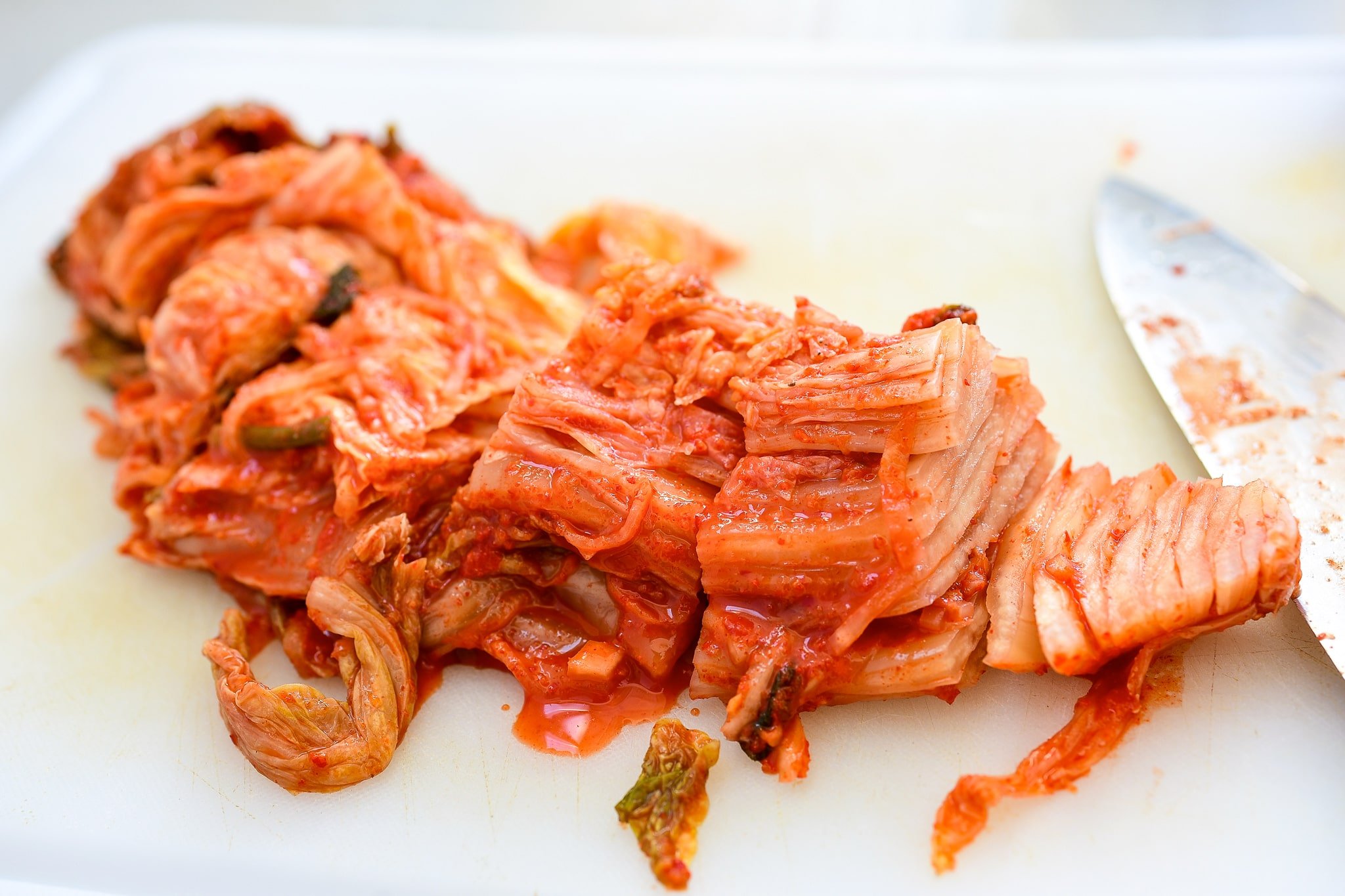
The golden rule of kimchi jjigae is to use old, well-fermented kimchi, ideally kimchi that has been fermenting for at least two to three weeks. As kimchi ages, its flavors deepen and develop a complex sourness that transforms into rich umami once cooked. Fresh kimchi simply does not have this depth. If you can find mukeunji (묵은지), which is very old fermented kimchi sometimes sold at Korean grocery stores, your stew will reach an entirely new level of flavor. If the kimchi is very sour, a small pinch of sugar added to the broth balances everything out.
Choosing the Best Protein
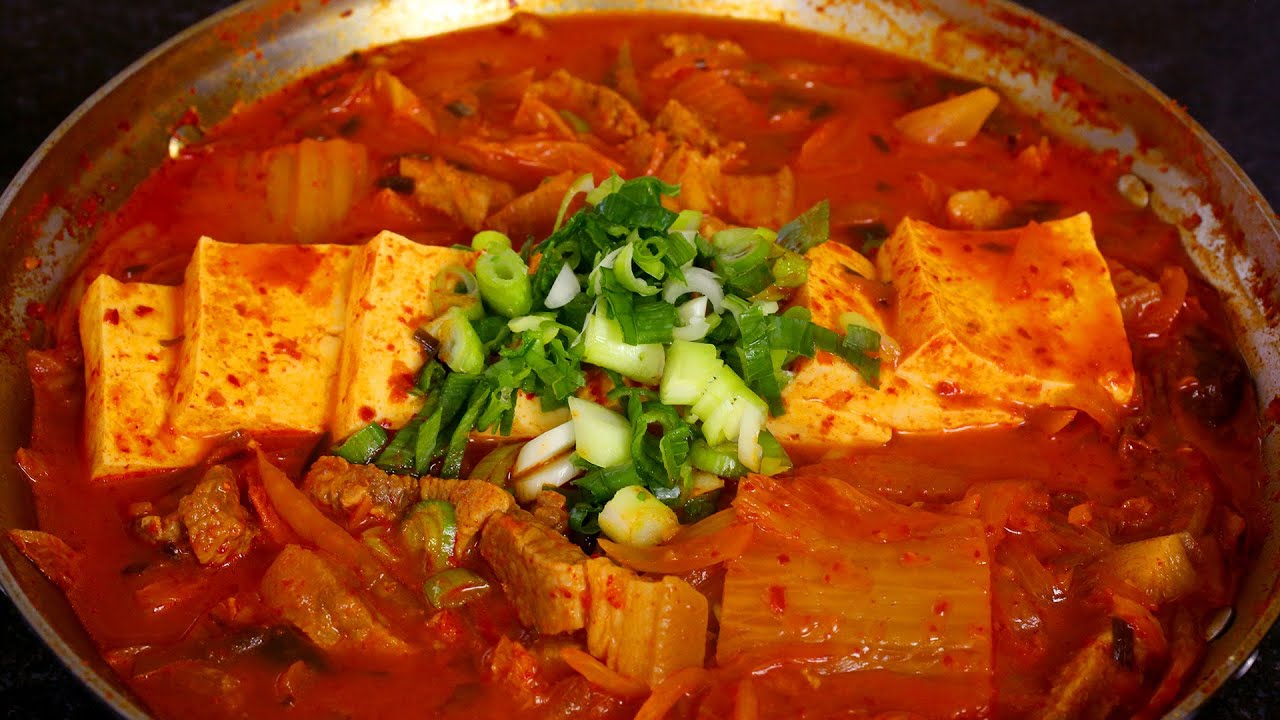
While kimchi is the undisputed star, the protein you choose greatly shapes the character of the stew. Pork belly is the most traditional and beloved choice: the fat renders into the broth as it cooks, creating a silky, rich base that makes the stew irresistible. Pork shoulder works beautifully too. For those who do not eat pork, beef brisket or canned tuna are popular alternatives. Tuna is a common weekday option in Korean homes, offering bold savory notes that complement the tangy kimchi perfectly. Whichever protein you choose, cut it into bite-sized pieces so it cooks through evenly.
Key Ingredients in Kimchi Jjigae
Beyond kimchi and protein, a handful of ingredients round out the stew. Firm tofu is added in thick slices and absorbs the spicy broth as it simmers, becoming silky and flavorful. Scallions brighten the finished dish, while minced garlic adds aromatic depth. The seasoning base includes gochugaru for heat and vivid color, soy sauce for saltiness, and occasionally a spoonful of gochujang for sweetness and fermented complexity. Many cooks also pour in the liquid from the kimchi container, which is packed with concentrated flavor and gives the broth an extra punch.
How to Make Kimchi Jjigae
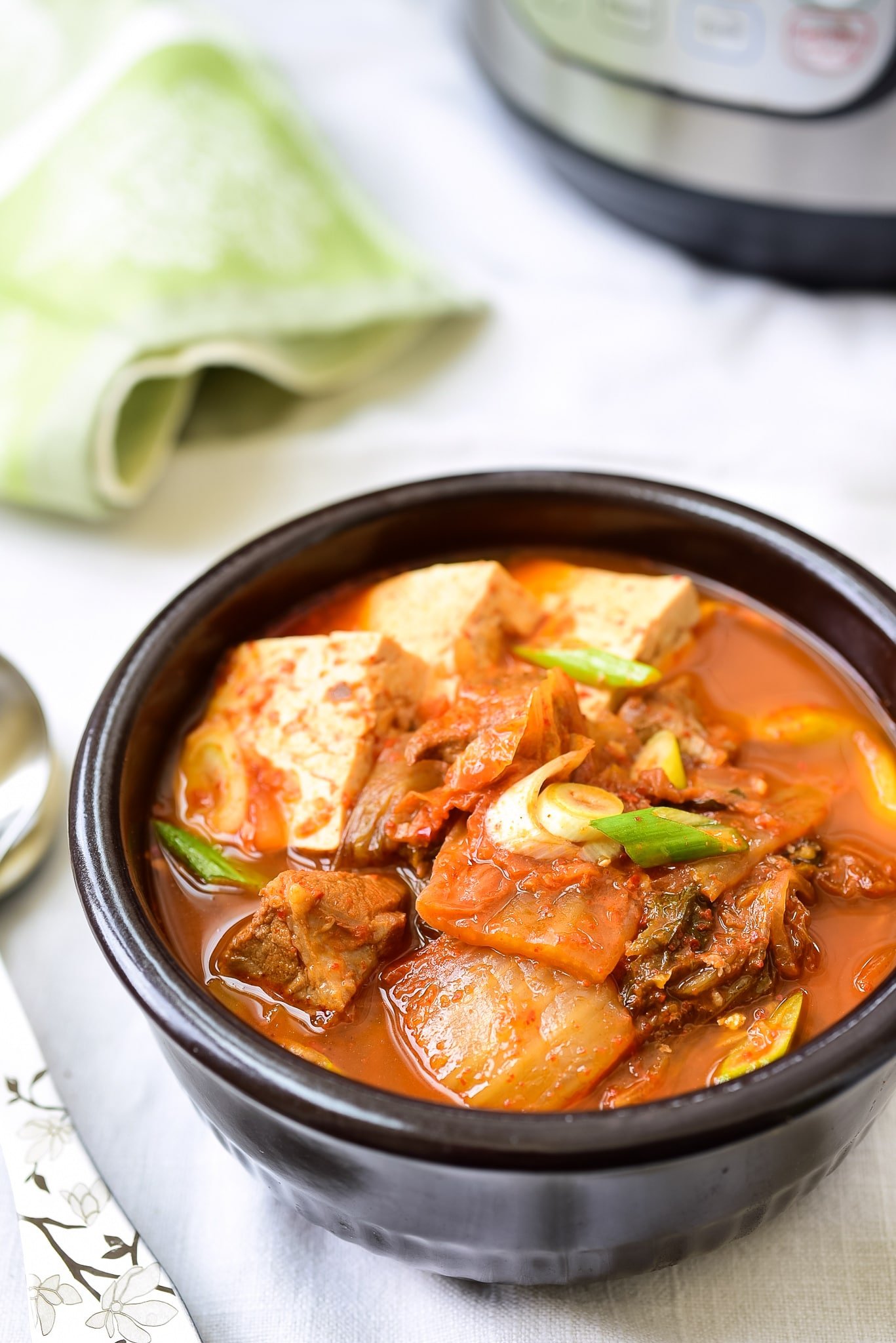
Making kimchi jjigae is straightforward. Start by stir-frying the pork and kimchi together in a pot with a little sesame oil until the kimchi softens slightly and the pork is no longer pink. This step builds extra depth of flavor. Next, add water or anchovy broth along with the garlic, soy sauce, gochugaru, and any kimchi juice you have saved. Bring the pot to a boil, then reduce the heat and simmer for 15 to 20 minutes. Add the tofu slices in the last few minutes so they heat through without crumbling, and finish with a generous handful of sliced scallions. Serve immediately while the stew is still bubbling, straight from the pot to the table.
Delicious Kimchi Jjigae Variations
The beauty of kimchi jjigae is how adaptable it is. The tuna version is a pantry-friendly classic perfect for busy weeknights. A beef version using brisket produces a richer, meatier broth. Vegetarians can skip the meat and build the base from a dashima (dried kelp) broth, leaning on tofu and mushrooms for substance and umami. Some cooks add sliced tteok (rice cakes) for extra heartiness, while others stir in instant ramen noodles to stretch the pot further. However you make it, a bubbling pot of kimchi jjigae is always a good idea.
Explore Korean Snacks with Daebak
Love Korean food? Get authentic Korean snacks and ramen delivered straight to your door with the SnackFever Box by Daebak.


