


Table of Contents
Korean cuisine carries thousands of years of history in every bite. From fermentation jars buried for winter to UNESCO-listed kimchi-making gatherings, the food on a Korean table is the result of climate, geography, ritual, and craft. Beyond bulgogi and bibimbap lies a world of facts that surprise even seasoned food lovers. Here are 10 verifiable Korean food facts that will change how you see your next meal.

1. Kimchi Has More Than 200 Documented Varieties
Most people picture napa cabbage when they hear kimchi, but Korean food scholars have catalogued over 200 distinct varieties. The Kimchi Field Museum in Seoul and the Kimchi Museum in Gwangju's Kimchi Town document examples ranging from baek kimchi (white kimchi) and dongchimi (water radish kimchi) to oi sobagi (stuffed cucumber kimchi), gat kimchi (mustard greens), buchu kimchi (Asian chives), and Jeju's tangerine kimchi. Each Korean province developed its own seasonal recipes based on the local climate, seafood, and produce.
2. Kimjang Is Officially Recognized by UNESCO
In December 2013, UNESCO inscribed kimjang, the communal practice of making and sharing kimchi for winter, on its Representative List of the Intangible Cultural Heritage of Humanity. The annual ritual involves families, neighbors, and entire communities preparing tons of kimchi together each November so households have enough fermented vegetables for the cold months. Cities like Seoul and Gwangju now host kimchi festivals where thousands of citizens come together to make and donate kimchi to underprivileged families.
3. Korea's Jang-Making Culture Joined UNESCO in 2024
Kimjang is no longer alone. In December 2024, UNESCO added Korea's jang-making culture, the knowledge and rituals around making ganjang (soy sauce), doenjang (fermented soybean paste), and gochujang (fermented chili paste), as Korea's 23rd entry on the Intangible Cultural Heritage list. The Korea Heritage Service notes that some Korean families age their soy sauce for decades, maintaining a single mother batch passed down across generations.
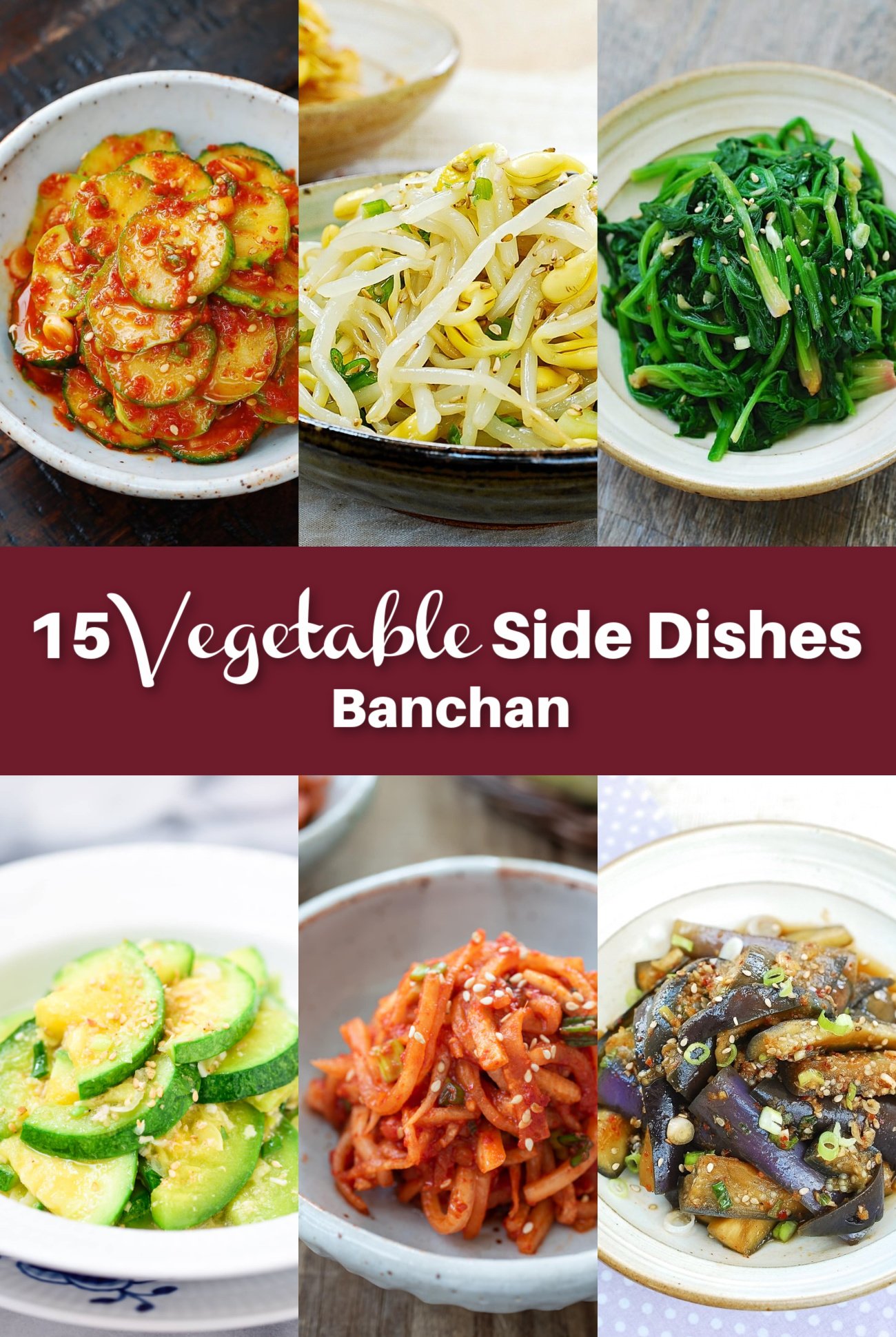
4. Banchan Are Free and Refillable in Most Restaurants
Walk into a casual Korean restaurant and the small side dishes that appear before you order, called banchan, are complimentary. So are the refills. The custom dates back to Joseon-era bapsang (table setting) etiquette, where the number of banchan signaled the formality of the meal. A 3 cheop setting offers three side dishes, while the 12 cheop bansang used in Korean royal court cuisine featured twelve. Today's casual diners benefit from this heritage: even modest spots will refill your kimchi, beansprouts, and pickled radish at no extra charge.
5. Korean BBQ Uses Scissors at the Table
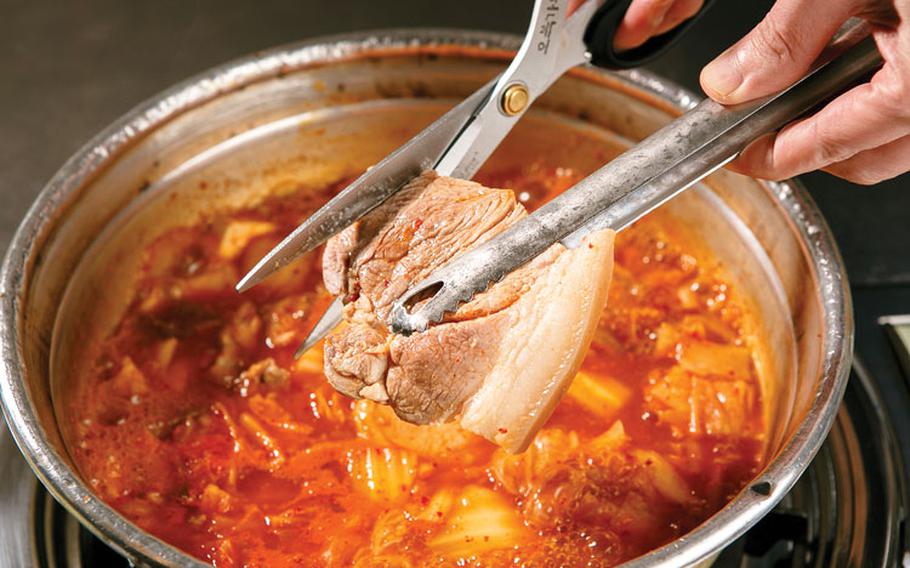
One of the most distinctive sights at a Korean barbecue restaurant is a server reaching across the grill with a pair of kitchen scissors to slice samgyeopsal or galbi into bite-size pieces. The practice took hold in the 1970s, when Korean restaurants started using scissors to cut cold buckwheat noodles (naengmyeon). Food scissors made of heat-treated stainless steel with rounded tips and oversized grips quickly spread to grilled meat, ox bone soup, kal-guksu noodles, and even kimchi. The tool replaces cutting boards and saves time at communal grills.
6. Jjajangmyeon Is Korean-Chinese, Born in Incheon Chinatown
Korea's beloved black bean noodle dish, jjajangmyeon, did not originate in Korea or China alone. It was created by Chinese immigrants from Shandong who settled in Incheon's Chinatown after the port opened in 1883. The first recognized jjajangmyeon restaurant, Gonghwachun, opened in 1905 and now houses the Jjajangmyeon Museum. Koreans today eat an estimated 1.5 million bowls of jjajangmyeon per day, and the dish is even tied to its own holiday: Black Day on April 14, when singles gather to share black noodles.

7. Korean Spicy Heat Comes From Fermented Paste, Not Just Chili Powder
The signature Korean kick is not raw chili powder but gochujang, a fermented paste made from gochugaru (Korean chili flakes), glutinous rice, fermented soybean powder, barley malt, and salt. Traditionally aged for months in onggi clay pots, gochujang delivers heat balanced by sweetness, umami, and a deep funk that no fresh chili can replicate. Chili peppers did not even arrive in Korea until the late 16th century, so the fermented version is what defines the modern Korean palate.

8. Korean BBQ Marinades Use Korean Pear as a Tenderizer
The unmistakable sweetness and tenderness of bulgogi and galbi comes from a quiet ingredient: Korean pear, also known as Asian pear or nashi. Grated pear contains the enzyme calpain, which gently breaks down meat fibers, and natural fruit sugars that caramelize on the grill. Korean home cooks have used pear in marinades for centuries, well before commercial meat tenderizers existed. The result is the soft, sweet, lightly smoky flavor that defines Korean grilled beef.
9. Doenjang Ages for Months and Sometimes Years
Doenjang, the fermented soybean paste used in stews and dipping sauces, undergoes a fermentation arc closer to aged cheese than to a quick sauce. Producers start with meju (dried soybean blocks), age them through winter, then submerge them in brine for around two months before separating the liquid into ganjang and the solid into doenjang, which is then aged for at least six more months. Premium farmhouse doenjang can be aged for three to five years, developing concentrated umami that Korean chefs treasure.
10. Korea Consumes the Most Instant Ramyeon Per Capita in the World
Korea has held the world record for per-capita instant noodle consumption for years, according to the World Instant Noodles Association, with Koreans eating roughly 75 to 80 servings each year. Brands like Shin Ramyun, Buldak (Fire Noodle), and Jin Ramen are pantry staples in nearly every household, and instant ramyeon has crossed over into K-drama scenes, convenience-store self-cooking machines, and viral spicy challenges that have spread far beyond Korea.
Explore Korean Snacks with Daebak
Love Korean food? Get authentic Korean snacks, ramyeon, and beloved pantry favorites delivered straight to your door with the SnackFever Box by Daebak, a monthly subscription of Korea's most-craved flavors curated and shipped from Seoul.


