


Table of Contents
The first time a Korean coworker says hoesik hajayo (회식 하자요, let's do a company dinner), do not read it as a casual invite. Hoesik is a scheduled operating protocol inside Korean corporate life, budgeted line item and all. After a decade working alongside Korean labels, agencies, and content shops, I have watched hoesik get blamed, defended, restructured, and quietly re-engineered, but never fully retired. It is the office in a different room.
The structure is what usually surprises people. A proper hoesik moves in rounds: 1차 (il-cha, first round) for food and heavy drinking, 2차 (i-cha, second round) for lighter drinks at a beer hall (호프, hopeu), and 3차 (sam-cha, third round) at 노래방 (noraebang, karaoke). Not every hoesik hits all three, but the format is understood before anyone walks in. The typical company budget per head runs roughly 50,000 to 100,000 KRW for 1차 alone, which is why 삼겹살 (samgyeopsal, grilled pork belly) restaurants and neighborhood 호프 chains still post reliable weekday revenue in Seoul, Pangyo, and Yeouido, the office districts where hoesik density is highest.
1차: Samgyeopsal, soju, and the etiquette junior staff cannot skip
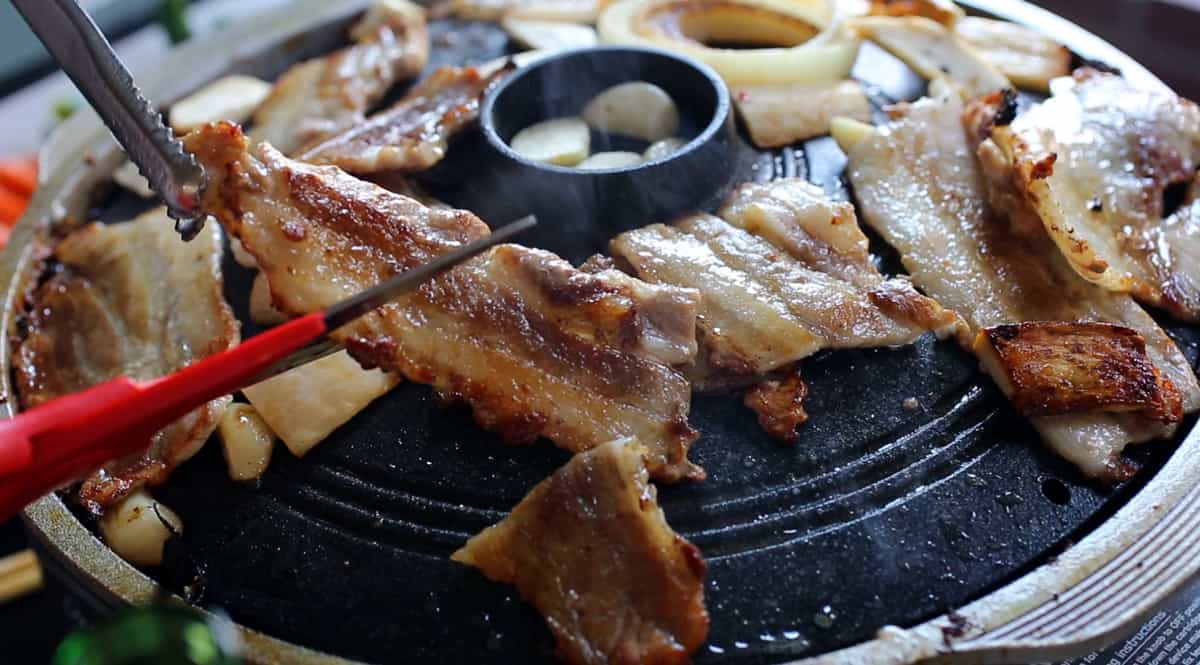
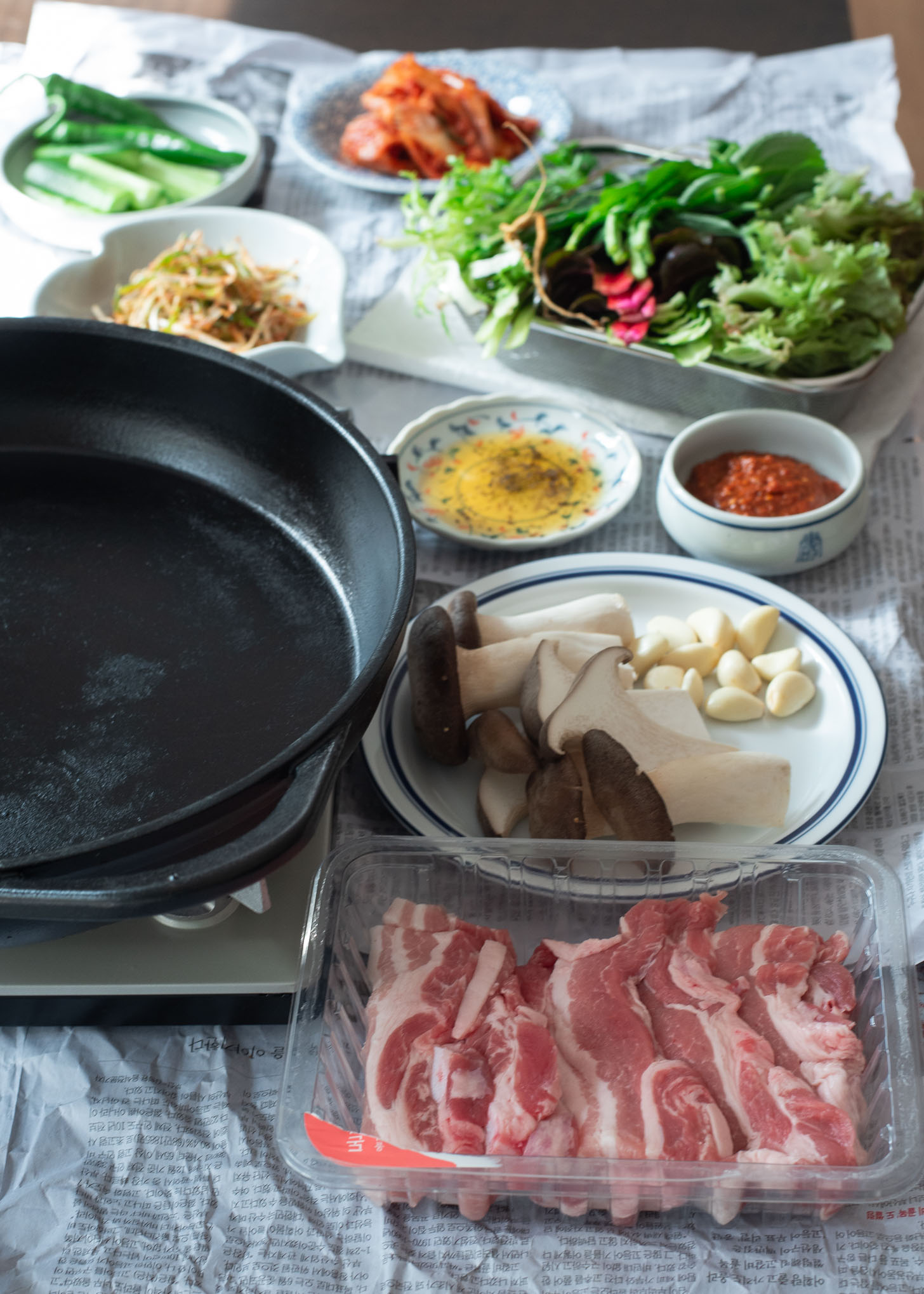
Samgyeopsal is the classic 1차 choice for a reason that goes past nostalgia. Pork belly is affordable per portion, the grill is communal so nobody sits idle, and the fat cushions the stomach against the first bottles of 소주 (soju). This is a practical decision, not a poetic one. A team of ten can eat, drink, and lubricate two hours of conversation for well under a million won, and the pork-and-soju pairing has been so effective it earned its own nickname, samso (삼소, from samgyeopsal + soju), covered by the Korea Herald as a compact cultural shorthand.
The etiquette is where first-timers get exposed. Juniors pour first, and they pour with both hands: right hand on the bottle, left hand lightly supporting the right forearm or resting on the chest. When a senior pours for you, you receive the glass with two hands (두 손으로 잔 받기, du sonuro jan batgi), turn your torso slightly away from the most senior person at the table before drinking, and never top off a glass that still has soju in it, a taboo called cheomjan (첨잔) that traditionally belongs to ancestral rites, not the living. The phrase you will hear from a junior offering to refill is jan chaewodeurilgeyo (잔 채워드릴게요, allow me to fill your glass). It sounds polite because it is coded respect, not friendliness.
Then there is 원샷 (wonshot), the one-shot. Whether it is expected depends heavily on the company and the era. In older-school firms, big finance, construction, some heavy industry, the pressure to drain the glass on the first toast is still real. In HYBE-generation content companies and most tech shops built after 2015, wonshot culture is soft or gone. But the theatrical gesture of clinking glasses slightly below the senior person's rim, then draining, is universally understood as a signal of respect and readiness. Even non-drinkers are usually expected to bring the glass to their lips on the first toast. It is symbolic participation, not consumption.

Why samgyeopsal is engineered for team bonding
Look at any hoesik table and notice what is missing: a waiter cooking your food. The grilling is shared labor. Someone at the table, usually the youngest or whoever volunteers, mans the tongs and scissors, flips the belly, moves cooked pieces to the outer ring, tosses in garlic and kimchi to caramelize in the pork fat. That role is not incidental. It structures the conversation, gives juniors a way to visibly contribute without needing to speak up in front of a director, and forces the table to eat at a pace determined by the grill, not the appetite. This is why hoesik still works even when the drinking part has been dialed down. The ritual of shared cooking is a social technology, and Korean HR departments know it.
2차 and 3차: The rounds where hoesik culture is actually shifting
After 1차, the group typically migrates to a 호프 (Korean beer hall, from the German Hof) for lighter beer and fried anju, or a pocha (포차, street-style tent bar) for something rowdier. This is where the real gossip starts. Shop talk that would be inappropriate at the samgyeopsal grill, contract complaints, promotion politics, who is quitting, comes out at 2차 because the seniors are drunk enough to be honest and the juniors are drunk enough to listen without flinching. Korean corporate mobility often gets decided in 2차 conversations that will never appear in an official meeting.
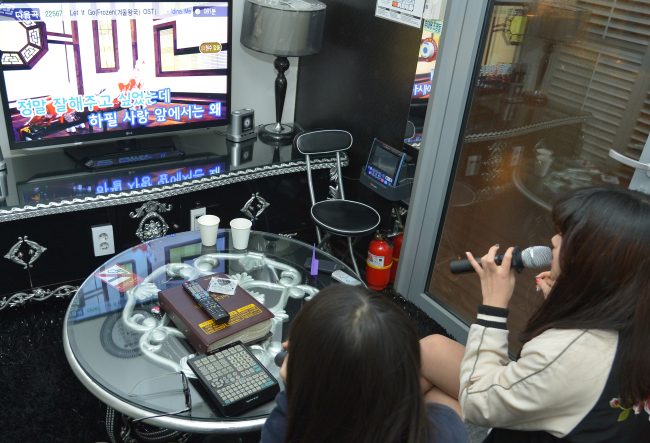
3차 is 노래방. This is where the generational split is sharpest. Older employees still consider noraebang mandatory bonding, a place to sing your director's favorite trot song and score real career points. Younger workers, especially the MZ generation entering the workforce after 2020, have been quietly killing 3차. Post-pandemic, many companies reduced hoesik to a single round (called 1차 종료, il-cha jongryo, ending after the first round) as a compliance and wellness gesture. Firms in the K-content space, entertainment agencies, webtoon studios, ad shops, adopted this fastest because they were the ones losing junior talent to burnout complaints. The Korea Herald has documented this shift as part of a broader move where forcing subordinates to drink is now framed as workplace abuse, not team-building.
Post-2020: Hoesik didn't die, it changed shape
The narrative that Korean hoesik culture collapsed after COVID is overstated. What actually happened was a format restructure. Two mutations became dominant. First, 점심 회식 (jeomsim hoesik, lunch hoesik) moved bonding into the middle of the workday, keeping the shared-meal ritual intact while cutting the alcohol and the after-hours obligation. Second, 팀 회식 (tim hoesik, department-only), scaled hoesik down from company-wide to small team gatherings where attendance feels less coerced. Both formats still generate real F&B revenue, they just moved the money from soju to lunchtime Korean BBQ set menus and craft beer flights.

The reason hoesik has proven this durable is that it solves a problem Korean office design does not. Korean workplaces still tend toward vertical hierarchy, and the hierarchy does not soften easily inside the office. Hoesik is the negotiated space where a manager can show human warmth without breaking rank, and where a junior can raise a concern without going through formal HR. Kill hoesik entirely and you lose that pressure valve. Younger employees are not rejecting the function; they are renegotiating the format, cost, and duration.
Practical playbook for a first hoesik
If you are heading to your first Korean company dinner, a short field guide: wait to be seated (the seat farthest from the door is the senior seat, called sangseok 상석), pour first before you are poured for, receive with two hands, at least touch the glass to your lips on the first toast, and do not disappear before your director. If your Korean is limited, learning three phrases carries you a long way: jal meokgetseumnida (잘 먹겠습니다, thanks for the meal), jan chaewodeurilgeyo (잔 채워드릴게요, let me fill your glass), and meonjeo illeonagetseumnida (먼저 일어나겠습니다, I'll leave first, said politely when you exit).
The last note is a practical one. Do not push back on the first hoesik unless there is a real reason. Show up, eat the pork, drink slowly, sing badly if it gets to 3차. The Korean workplace evaluates people on a mix of official output and a much fuzzier read of whether you are uri sikku (우리 식구, family, one of us). Hoesik is where that read happens.
Want to bring the samgyeopsal-and-soju night home? Our SnackFever Box ships a curated pack of Korean snacks and anju favorites every month, the kind of table food that gets passed around at a real hoesik, no soju hangover required.


