


Table of Contents
South Korea is one of the most cafe dense countries on earth, with the Korea Agro-Fisheries and Food Trade Corporation reporting more than 100,000 coffee shops nationwide by the end of 2021, roughly double the count from 2018. In Seoul, cafes are not just places to grab a drink. They are themed worlds built around animals, K-pop characters, hit K-dramas, hanok architecture, and competition grade espresso. This guide walks through the most popular categories so you can plan a cafe hopping route across the capital.
Why Seoul Is Cafe Heaven
Seoul leads the world in coffee shop density, with roughly 100,000 cafes spread across a country of about 51 million people. The competition pushes operators to design distinct concepts rather than copy chains. The Korea Herald has reported that Cafe Onion's Anguk and Seongsu branches each draw more than 1,000 visitors a day, a scale that gives an idea of how central cafes are to Seoul's youth culture. Beyond drinks, cafes function as study rooms, work hubs, date spots, and social media studios, which is why theming has become a key differentiator.
Animal Cafes: Cats, Dogs, Sheep, and More
Animal cafes were a major Korean trend through the 2010s and remain popular today. Cat cafes and dog cafes are widespread, with chains such as Bau House in Hongdae letting visitors share a table with rescue dogs. Sheep, raccoon, and meerkat cafes also attracted tourists in earlier years. The Korea Times profiled Blind Alley in Yongsan-gu, where a Welsh corgi, three raccoons, and two capybaras drew a steady international crowd. Note that under a 2023 wildlife law reported by Korea Bizwire, businesses can no longer display exotic species like raccoons and meerkats, with existing operators given until December 2027 to wind down, so verify current animal lineups before visiting.
.jpg)
Character Cafes: LINE Friends, Kakao Friends, Pokemon, and Hello Kitty
Character intellectual property drives some of Seoul's biggest themed cafes. LINE Friends operates flagship stores in Itaewon and Gangnam with cafe corners serving Brown and Cony shaped drinks and pastries, while Kakao Friends runs flagship stores in Gangnam and Hongdae centered on the bear character Ryan. Pokemon fever returned in 2026 when 40,000 fans packed Seongsu-dong for Pokemon Mega Festa and Ediya Coffee released a Pikachu themed merchandise line, as reported by The Korea Times. Hello Kitty fans head to the Sanrio Lovers Club in Hongdae and the Hello Kitty Apple Cafe in Myeongdong for two-floor pastel interiors stocked with limited edition goods.
K-Drama and Movie Themed Cafes
Hit Korean dramas and films often spawn pop-up cafes that recreate sets and serve themed menus. The Squid Game World pop-up in Itaewon, covered by Koreaboo, recreated the show's pink staircase and Red Light, Green Light doll for fans posing in social media photos. Cafes featured in dramas also become long-term pilgrimage sites: Goblin's red brick exterior shot at Daerim Warehouse in Incheon, the Itaewon Class set in Noksapyeong, and the seaside Hotel Del Luna inspired terrace cafes near the Han River have all entered the K-drama tour circuit. Many run only for a few weeks, so check social media before traveling.
Trendy Seongsu Cafes: Onion, Aritea, Carnival, and Sub-Sub
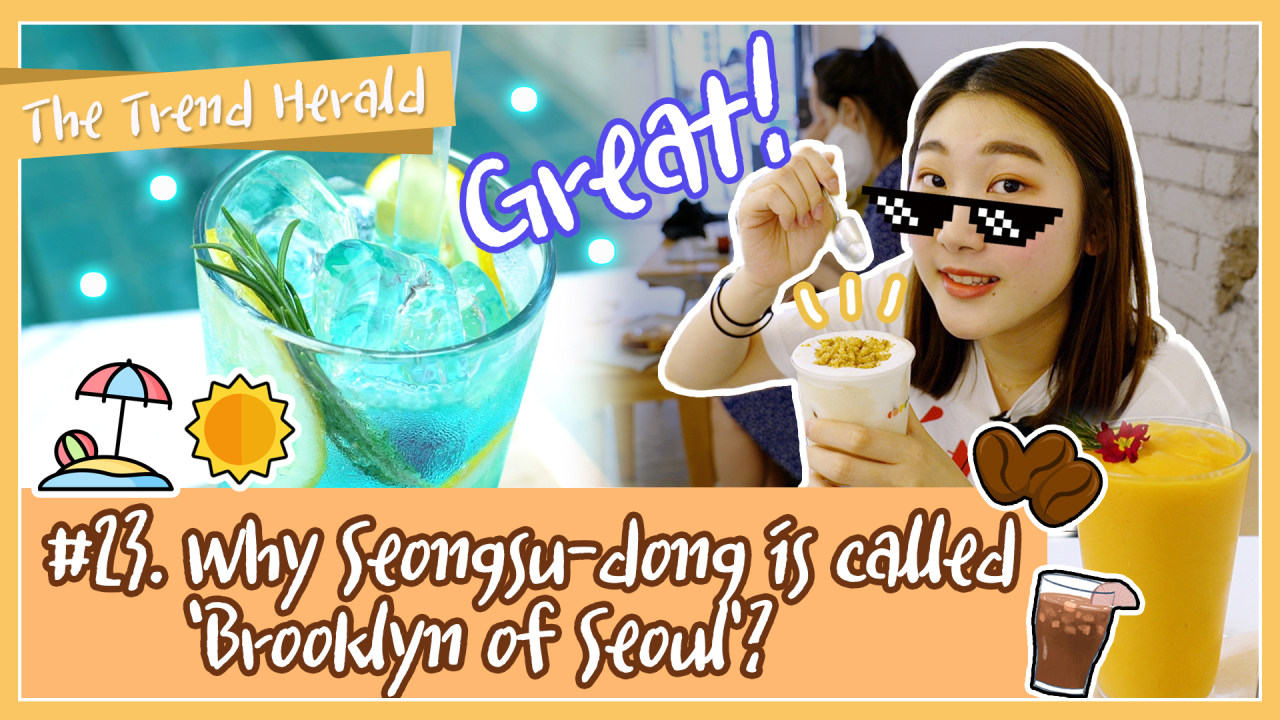
Seongsu-dong, the former shoe-making and warehouse district east of central Seoul, is the city's hottest cafe neighborhood. Cafe Onion's Seongsu branch opened in 2016 inside a converted metal foundry and helped set the rough concrete plus white pastry aesthetic now copied across Korea. Aritea pairs minimalist white interiors with seasonal Korean teas, Carnival serves coffee in a multi-story cement and steel space, and Sub-Sub draws Instagram crowds with industrial textures and signature lattes. The Korea Herald has noted that Seongsu now functions as a citywide testing ground for new cafe concepts.
Dessert and Bingsu Cafes: Sulbing and Jenny's Bingsoo
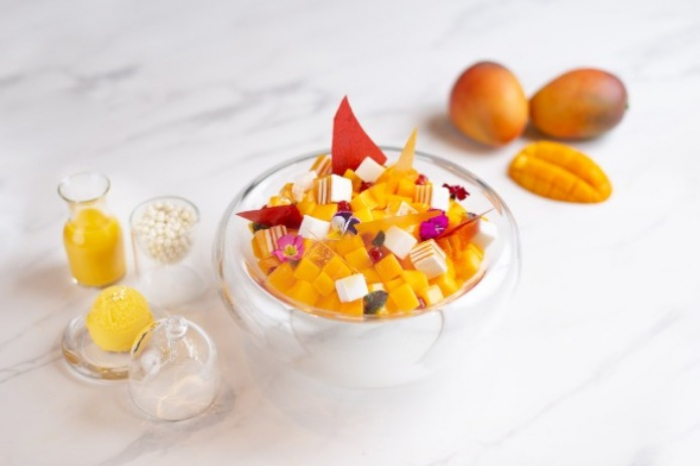
Bingsu, the milky shaved ice dessert topped with fruit, red bean, and rice cake, has its own dedicated cafe scene. Sulbing, founded in Busan, became Korea's largest bingsu chain with more than 490 branches at one point, according to Korea Bizwire, and has expanded to the United States, Japan, Australia, Malaysia, and Cambodia. KED Global reports that luxury hotels treat bingsu as a status dessert, with Four Seasons Hotel Seoul pricing its Jeju Apple Mango Garden Bingsu at 126,000 won. Independent shops such as Jenny's Bingsoo focus on premium fruit toppings, while neighborhood favorites pile on injeolmi rice cake and roasted soybean powder.
Hanok Traditional Cafes in Bukchon and Insadong
Hanok cafes occupy restored traditional Korean houses, usually with wooden beams, paper sliding doors, and inner courtyards. Visit Seoul highlights venues such as Cha Masineun Tteul in Bukchon, a teahouse with low wooden tables and a window-facing garden serving Korean teas and danpatjuk red bean porridge, plus E.Chae Cafe near Bukchon Hanok Village and J. Hidden House, a 100-year-old hanok near Dongdaemun renovated as a glass-walled cafe. In Ikseon-dong, Seoul Coffee's hanok branch revives a 1980s Korean cafe vibe and pulls long lines all year. Osulloc Tea House in Bukchon serves Jeju green tea over rooftop views.
Coffee Specialty Roasters: Anthracite, Coffee Libre, and Fritz
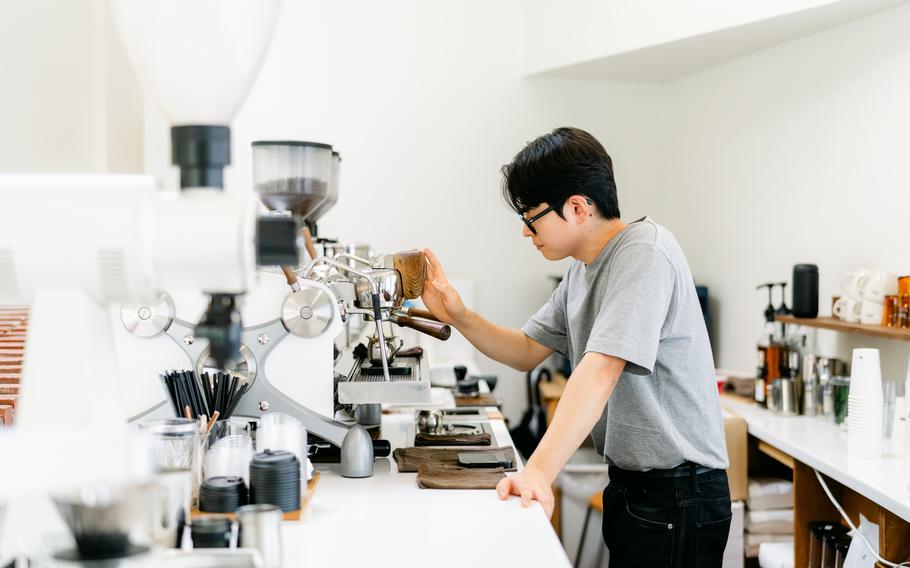
Beyond theming, Seoul has built a serious specialty coffee scene. Anthracite Coffee Roasters runs locations in Hapjeong, Hannam, and Yeonhui that pair single origin pour overs with raw industrial interiors. Coffee Libre, founded by a former Korean barista champion, operates roasteries in Yeonnam and Yeonhui where direct trade beans drive the menu. Fritz Coffee Company runs converted hanok and warehouse outposts in Mapo and Dohwa-dong featuring the brand's seal mascot and house-baked pastries. Korean coffee culture also includes giant chain cafes like Starbucks Reserve in Cheongdam and the rooftop view at Starfield Cafes, which compete head on with independent roasters.
Tips for a Cafe Hopping Tour
To cover the most ground, group cafes by neighborhood. Seongsu-dong works best as a half day route by Subway Line 2 to Seongsu or Ttukseom stations. Bukchon and Ikseon-dong pair with Anguk Station on Line 3 for hanok cafes and palace sightseeing. Hongdae and Yeonnam, served by Hongik University Station, cluster character cafes, indie roasters, and dessert shops within a 15 minute walk. Most cafes are cash-light but accept all Korean cards plus T-money, and many open after 11 a.m. and stay busy until 9 p.m. Reserve weekend mornings for popular spots since waits can exceed an hour.
Best Photogenic Cafes
For pure visual impact, head to Nudake at Haus Dosan in Gangnam for sculptural pastries by the Gentle Monster team. Layered Bakery in Bukchon stages its scones inside a stark white hanok. Cafe Knotted's pastel donut walls in Apgujeong and the all-pink interior of Style Nanda Pink Pool Cafe in Hongdae are designed for phone cameras. Arc N Book, Books Cooks, and other book themed cafes in Euljiro and Yongsan provide bookshelf backdrops that pair well with the slow pour over crowd. Always ask staff before photographing other guests and avoid flash, which is prohibited at most quiet roasteries.
Explore More of Korea with Daebak
Want to bring a little piece of Korea into your life? The Daebak Box is packed with the best Korean snacks, ramen, and cultural goodies delivered monthly to your door.


