


Table of Contents
Mukbang (먹방) is Korea's most successful internet export after K-pop. A blend of meokda (먹다, to eat) and bangsong (방송, broadcast), the format involves one person eating an absurd quantity of food on camera while talking to viewers in real time or in a tightly edited replay. What started as a peculiar Korean livestream genre in 2009 has become a global YouTube and TikTok category with billions of views and an entire ecosystem of top creators.
This guide walks through what mukbang actually is, where it came from, the cultural reasons it took off in Korea first, the biggest Korean mukbang stars, the ASMR mukbang subgenre, and what watching a Korean mukbang for the first time is actually like.
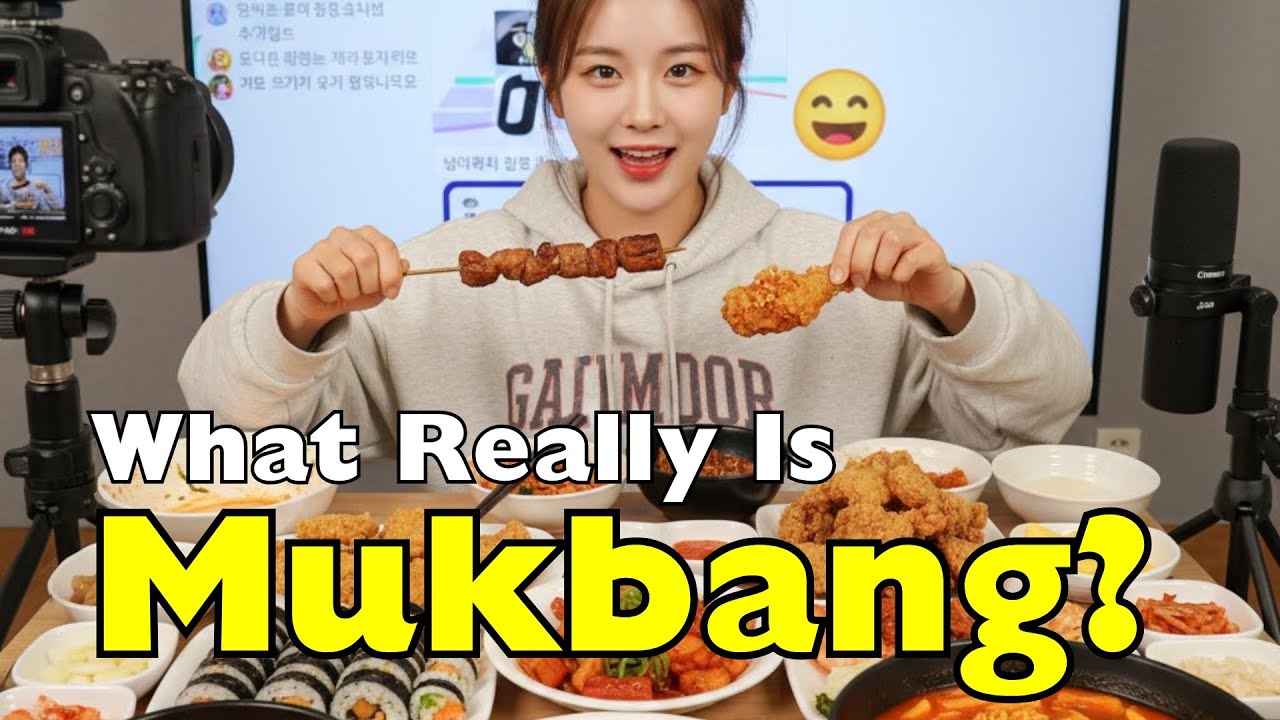
What Is Mukbang?
Mukbang is the Korean-origin video genre in which a host eats a large meal on camera while interacting with viewers. The defining elements are quantity (typically far more food than one person should reasonably eat in a sitting), audio (chewing sounds, sometimes amplified, sometimes paired with running commentary), and the appearance of one solitary eater performing for an audience of thousands or millions.
The genre originated in Korea around 2009 on AfreecaTV, a Korean livestreaming platform that predates Twitch and gave creators a way to earn money directly from viewer "star balloon" donations. Korean broadcasters quickly discovered that audiences were willing to pay to watch a creator eat enormous bowls of jjajangmyeon, full Korean BBQ spreads, or stacks of fried chicken. The format crossed over to YouTube around 2015 and went mainstream globally by 2018.
Where Mukbang Came From
Mukbang's rise in Korea is tied to specific Korean cultural conditions. Korea has historically been one of the most communal eating cultures in Asia, with meals serving as the central social event for families and friends. As Korean urbanization accelerated through the 2000s and more young Koreans lived alone (the honjok, or "lone tribe"), meals became increasingly solitary. Mukbang offered a parasocial substitute: a virtual dinner companion who could keep you company through a meal.
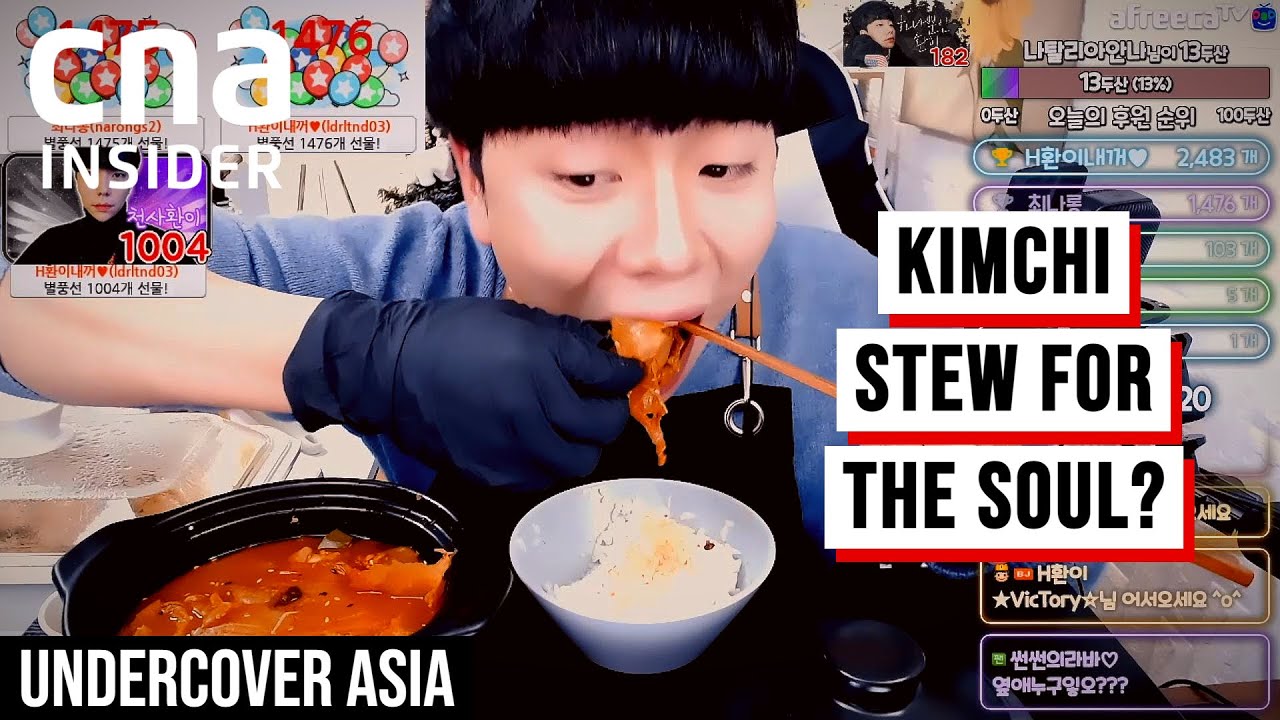
Korean food culture also lent itself naturally to the format. Korean meals are visually rich (multiple colorful banchan, gleaming red kimchi, glossy chili sauces), aurally satisfying (the crunch of Korean fried chicken, the slurp of cold noodles), and emotionally communal in a way that even a one-way video can partially replicate. The cultural emphasis on shared meals made watching someone else eat a more comforting activity than it might be in cultures with solo dining norms.
The Biggest Korean Mukbang Stars
Korean mukbang has its own short list of legendary creators. Dorothy (도로시) is one of the most popular mukbang creators in Korea, known for impressively large but elegantly arranged Korean food spreads. Her channel has millions of subscribers and is widely considered a benchmark for high-quality mukbang content.

Tzuyang (젰양) is another superstar, famous for genuinely consuming impossibly large meals (10,000-calorie eating sessions are her baseline). BANZZ was an early mukbang pioneer with strong international following, though his career was affected by health-related controversies. Other major Korean mukbang names include Eat With Boki, Hamzy, Yang Soobin, and Stephanie Soo.
The Banzz Story and Mukbang Controversies
Korean mukbang has had its share of public health and ethical debates. Banzz, one of the earliest international mukbang stars, was investigated for promoting unverified diet supplements and faced public criticism over whether his on-camera meals were sustainable. Other Korean mukbangers have been accused of vomiting off-camera to maintain their slim appearance, or of editing meals to look larger than they were.

The Korean medical community has occasionally pushed back against the format, citing concerns about disordered eating, normalization of overconsumption, and potential harm to young viewers. South Korea even discussed regulation of mukbang content in 2018 as part of a broader anti-obesity initiative, though no formal restrictions were ultimately enforced. The format remains popular but is now scrutinized more carefully than during its 2014 to 2018 peak.
The ASMR Mukbang Subgenre
The biggest evolution of mukbang in the past five years has been the rise of ASMR mukbang, which combines amplified eating sounds with mostly silent video. ASMR mukbang creators wear binaural microphones, eat directly into the camera, and rely on the audio (crunching, slurping, lip-smacking, ice cracking) to create a tingly, hypnotic listening experience for viewers.
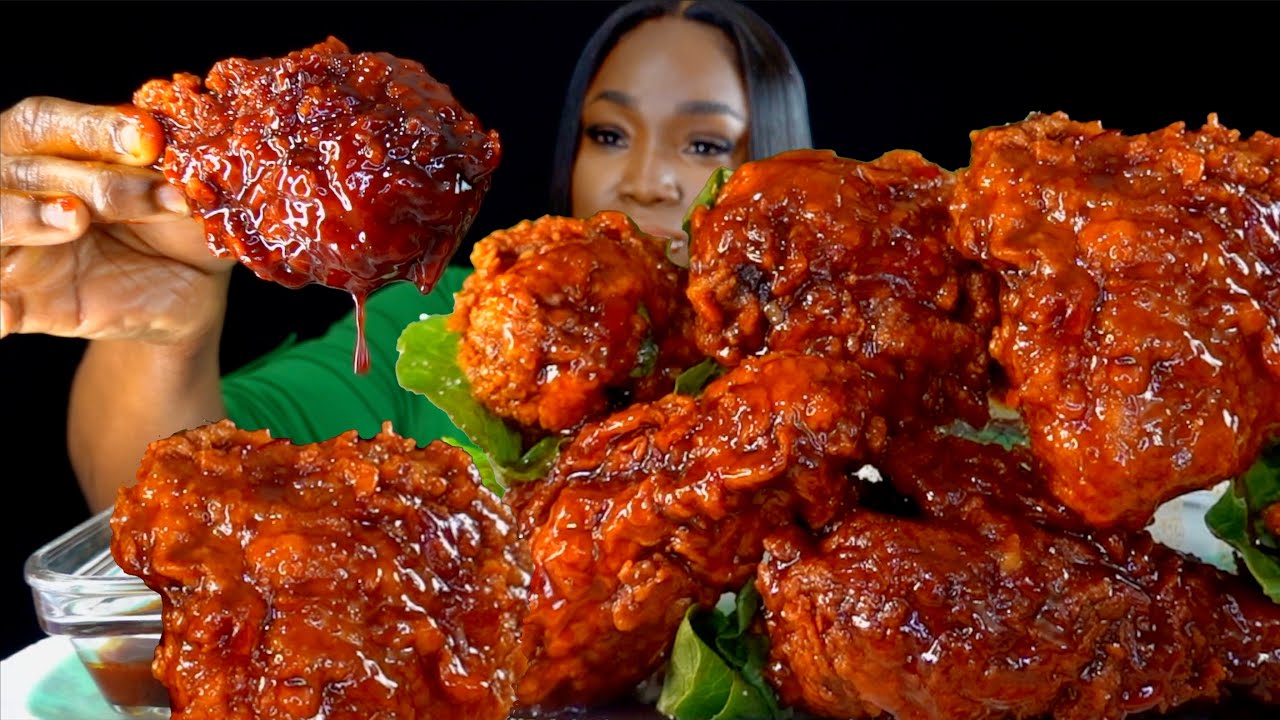
The ASMR variant has become the dominant mukbang style on YouTube and TikTok, with creators like Zach Choi, SAS-ASMR, and Hongyu ASMR amassing tens of millions of subscribers. Korean food remains the most popular cuisine for ASMR mukbang because of its naturally crunchy and slurpy character: fried chicken, kimbap, cold noodles, and noisy seafood dishes like spicy shrimp boils are perennial favorites.
Why People Actually Watch Mukbang
The psychological appeal of mukbang surprises most first-time viewers. Researchers have identified four main reasons people watch: companionship (mukbang as a virtual dinner partner), vicarious eating (watching food you can't eat or don't want to cook), ASMR pleasure (the soothing audio), and parasocial entertainment (genuinely liking the creator and wanting to spend time with them).
Mukbang also serves as casual food education. Many Korean food trends went global through mukbang first: Korean corn dogs, viral fire noodle challenges, cheese-pulled buldak, and bingsoo all built international audiences via mukbang videos before reaching restaurants outside Korea. For people learning about Korean food, an hour-long mukbang of jajangmyeon or Korean BBQ is often more vivid than any cookbook.
How to Watch Your First Mukbang
If you have never watched a mukbang before, start with a 15-to-20-minute Korean fried chicken video on YouTube. Look for an ASMR or commentary-style mukbang from a creator like Hamzy or Dorothy, both of whom have English subtitles. Watch it with headphones on, ideally late at night when the audio quality matters most.
The first few minutes can feel strange (you are watching a stranger eat, after all), but most viewers find the rhythm captivating by the ten-minute mark. The combination of food, sound, and parasocial intimacy is genuinely compelling, and many casual viewers end up returning regularly. Korean food makes for ideal entry-level mukbang because the dishes are bright, varied, and audibly satisfying.
Explore Korean Snacks with Daebak
Love Korean food? Get authentic Korean snacks and ramen delivered straight to your door with the SnackFever Box by Daebak.


