


Table of Contents
Walking down the streets of Korea you might be tempted by the aromas of tornado potato sizzling on a skewer, hotteok crisping on a hot griddle, or yakgwa glistening with honey syrup. But what if you were able to find those same snacks an ocean away in a totally different country? Walk down any busy street in Mexico and you will be surprised to find some of the same sweet and savory treats with a slight twist.
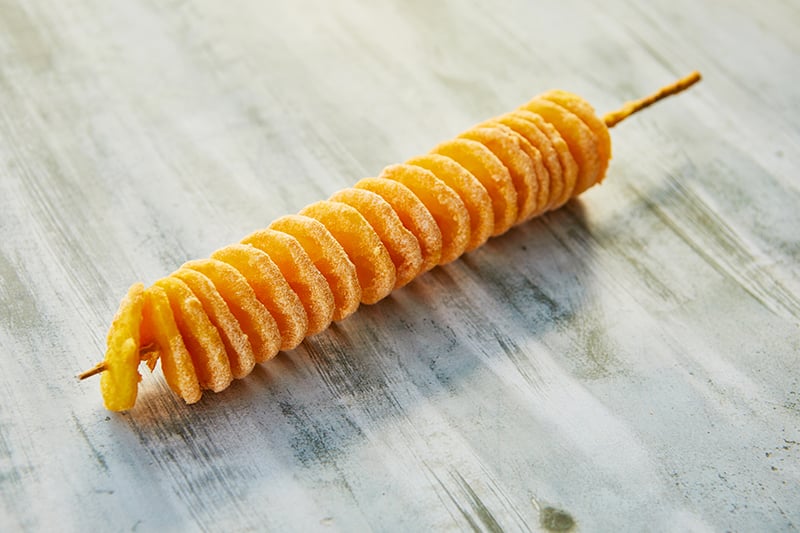
Tornado Potato (Hweori Gamja): Papas en Espiral
Hweori gamja, also known as tornado potato, consists of a whole potato that is cut into a long spiral, threaded onto a wooden skewer, and deep fried until golden. In Korea it is often dusted with cheese, onion, or honey butter powder, and sometimes a hot dog is slipped between the spirals for good measure. Cross the Pacific and you will find papas en espiral, the Mexican spiral fries, prepared in the exact same way. The Mexican version is usually finished with a more rebellious crown of mustard, mayonnaise, ketchup, nacho cheese sauce, and a generous splash of hot sauce. Both versions are too good to walk past.
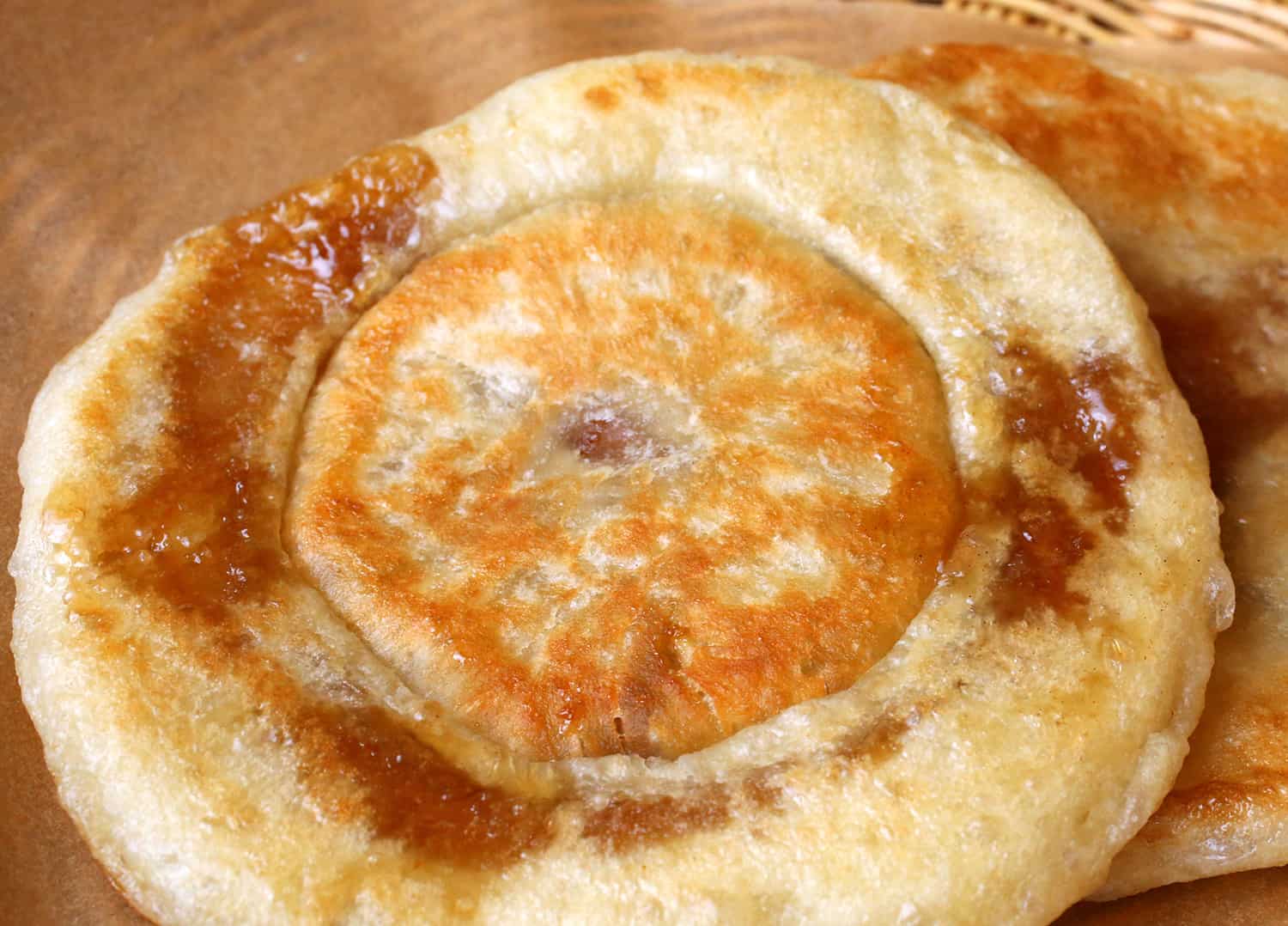
Hotteok: Pan de Nata
Hotteok is a yeasted pancake usually stuffed with dark brown sugar, cinnamon, and chopped nuts that melt into a gooey syrup the moment you bite in. It is the kind of snack that warms you from the inside out during a Seoul winter. Pan de nata, sometimes translated as clotted cream bread, is its Mexican cousin, a pancake-like dessert that can be eaten on its own or dressed up with caramel, chocolate, or Nutella. Whether you reach for cinnamon or chocolate, both belong on your snack bucket list.
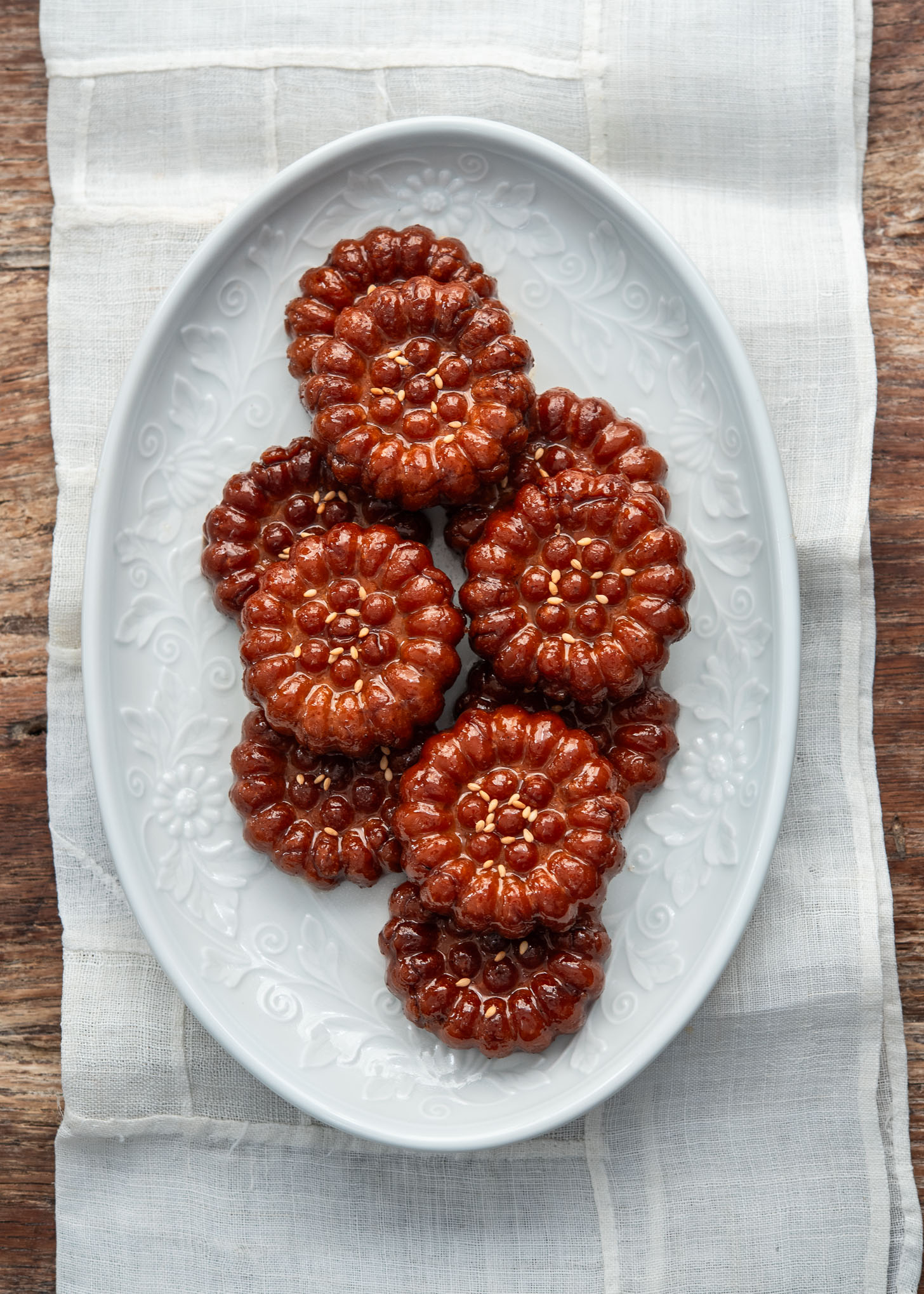
Yakgwa: Jamoncillo
Yakgwa is a traditional Korean honey cookie that is usually shaped like a flower. The dough is made from wheat flour, sesame oil, ginger juice, and cheongju (Korean rice wine), then deep fried slowly and soaked in a ginger-honey syrup until it becomes chewy, sticky, and aromatic. Jamoncillo, often called Mexican fudge, has a similarly nostalgic feel. It is made by simmering condensed milk, sugar, vanilla, and cinnamon until thick, then poured into molds and topped with pecans. Both are quiet little powerhouses for anyone with a sweet tooth.
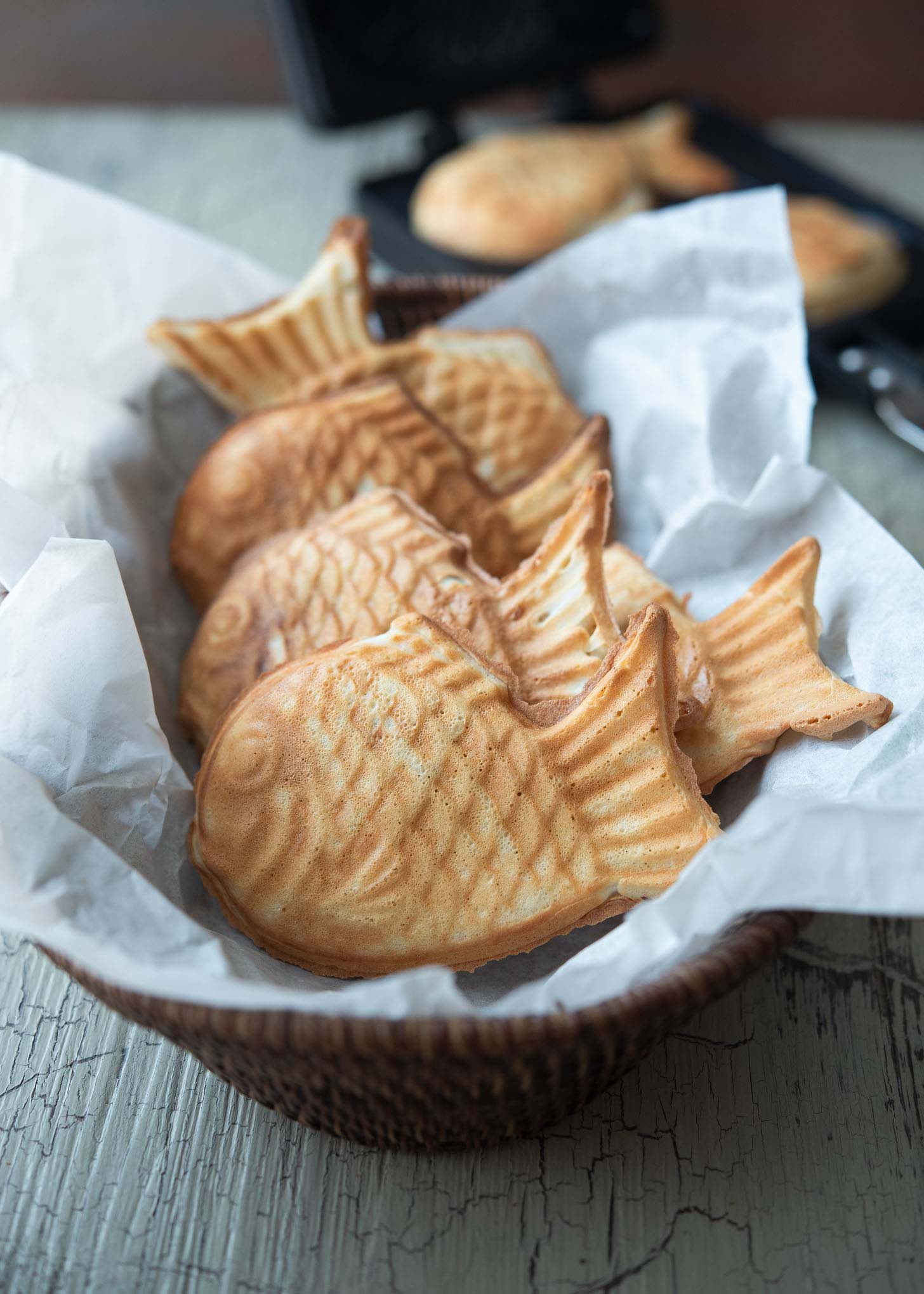
Bungeoppang: Empanadas de Dulce
Bungeoppang is one of Korea's most photogenic winter treats thanks to its cute carp shape. A thin pancake-like batter is poured into a fish-shaped mold, filled with sweet red bean paste (or trendier fillings like custard, chocolate, or Nutella), and grilled until the edges are golden and crisp. Empanadas de dulce, sweet Mexican empanadas, share the same idea minus the fish silhouette. The flaky pastry hugs sweet fillings like caramel, cinnamon apple, pineapple, or pumpkin. Both are pocket-sized desserts that practically beg to be eaten on the go.
Mandu: Empanadas
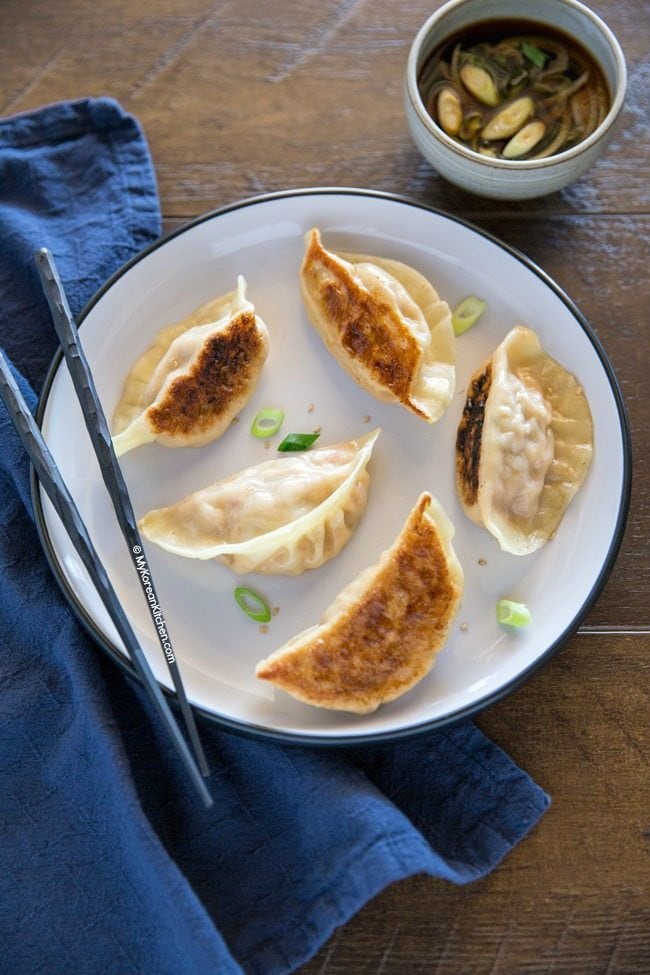
Mandu, the Korean dumpling family, comes stuffed with everything from minced pork and beef to kimchi, tofu, and chives, all tucked inside a thin wheat wrapper. Whether steamed (jjin mandu) or pan fried (gun mandu), mandu shows up at Korean kitchen tables for New Year, late night snacks, and street food carts alike. The savory Mexican empanada plays a similar role, swapping the wonton-thin wrapper for a buttery, flaky pastry and stuffing it with seasoned beef, chicken, cheese, or potatoes. Two countries, one pocket-sized comfort food.
Korea and Mexico may sit on opposite ends of the Pacific, but their street food carts speak the same delicious language. From spiral potatoes and sweet stuffed pancakes to dumplings and fudge, the snack itineraries of Seoul and Mexico City have far more in common than you would think. Which pair of twins are you going to try first?
Explore Korean Snacks with Daebak
Love Korean food? Get authentic Korean snacks and ramen delivered straight to your door with the SnackFever Box by Daebak.


