


Table of Contents
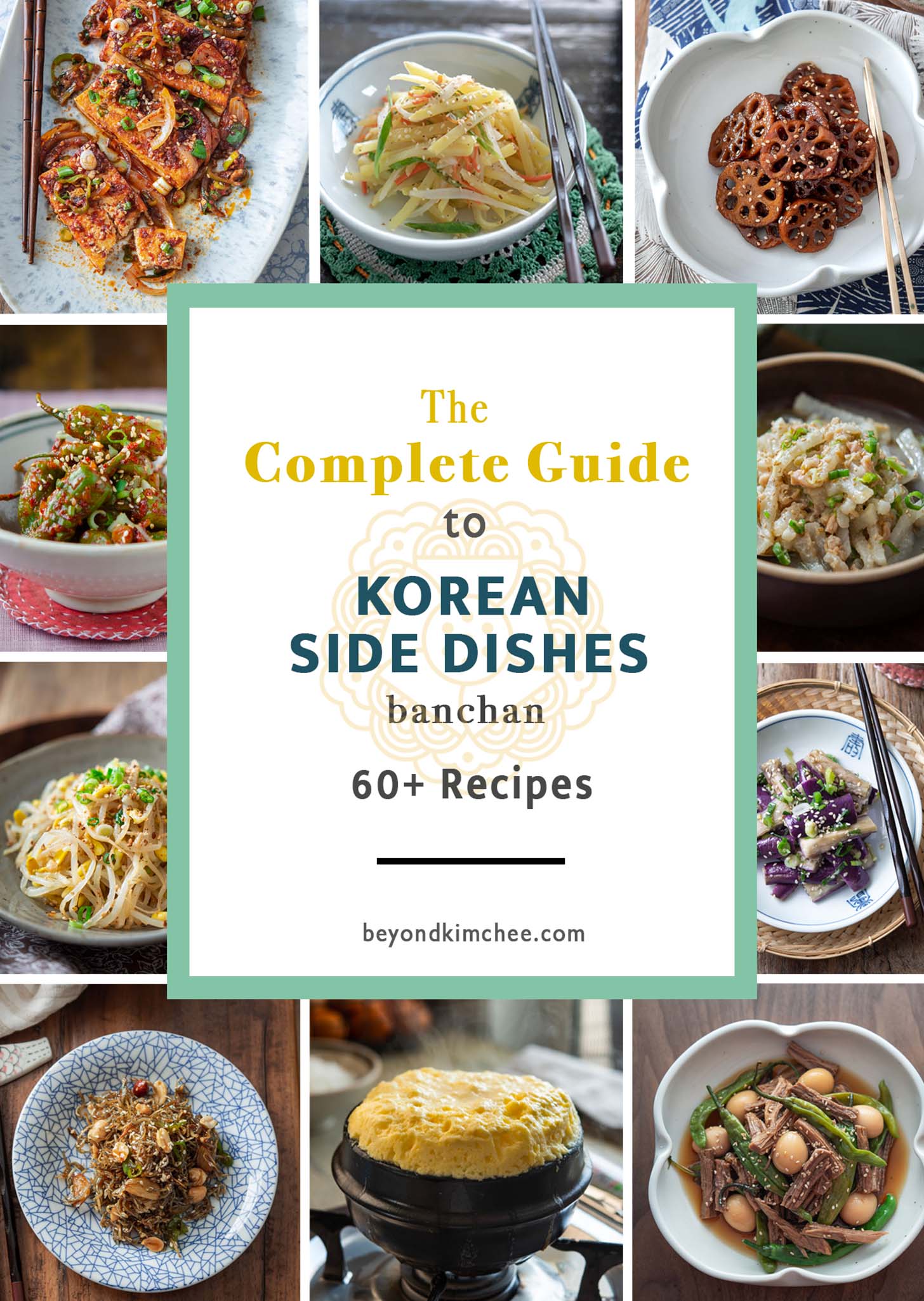
If you've ever eaten at a Korean restaurant, you've experienced the delightful moment when your table fills up with small dishes before the main course even arrives. Those little plates of pickled vegetables, seasoned greens, and savory bites are called banchan (반찬), and they're one of the most beloved aspects of Korean dining culture.
What Is Banchan?
Banchan (반찬) literally translates to "side dishes" in Korean. These small plates are served alongside steamed rice (bap, 밥) and soup (guk, 국) as part of a traditional Korean meal. Unlike appetizers in Western cuisine, banchan are not eaten before the meal, they're enjoyed simultaneously with every bite, meant to complement and contrast the main dish.
What makes banchan special is its communal nature. Dishes are placed in the center of the table and shared by everyone. The variety and number of banchan served can signal the formality of a meal , a casual home dinner might have two or three dishes, while a royal feast could feature dozens.
A Brief History of Banchan
Banchan has deep roots in Korean history. During the Joseon Dynasty (1392–1897), Buddhist influences encouraged a rich tradition of vegetable-based side dishes. Fermentation techniques, essential for preserving vegetables through cold winters, gave rise to kimchi and other pickled dishes that remain staples today. Royal court cuisine (궁중음식) elevated banchan to an art form, with elaborate preparations and precise presentation standards.
Types of Banchan
Kimchi (김치)
The most iconic of all Korean banchan, kimchi is fermented vegetables, most commonly napa cabbage (baechu-kimchi) or radish (kkakdugi), seasoned with gochugaru, garlic, ginger, and salted shrimp or fish sauce. There are hundreds of kimchi varieties across Korea. Kimchi is both a standalone side dish and a key ingredient in countless Korean recipes.
Namul (나물)
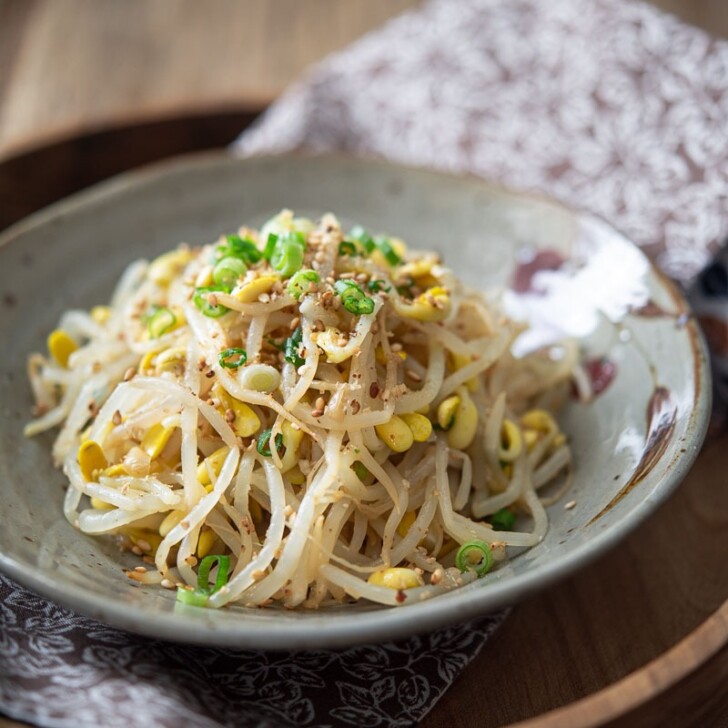
Namul refers to seasoned vegetable dishes, either raw or cooked. Spinach namul, bean sprout namul, and fernbrake namul are among the most common. They're typically blanched or sautéed and seasoned with sesame oil, garlic, soy sauce, and sesame seeds.
Jorim (조림)
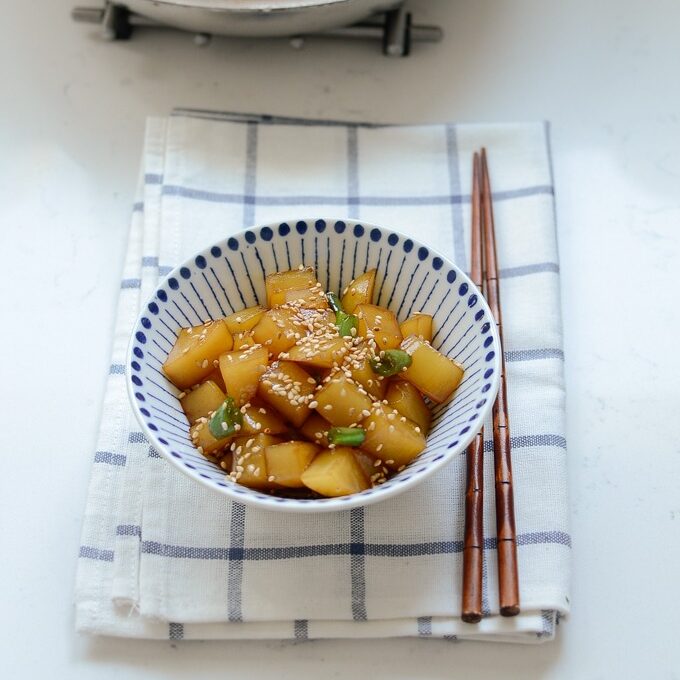
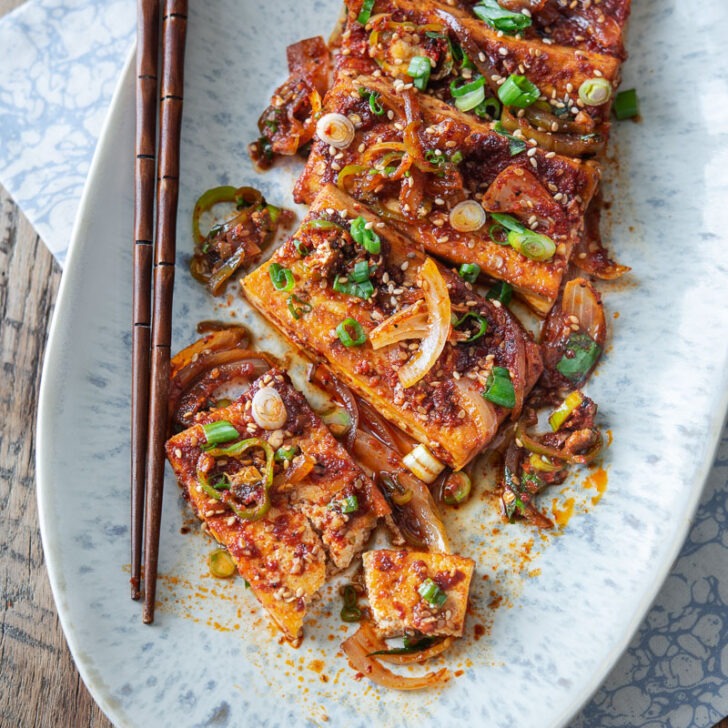
Jorim dishes are braised in a savory-sweet sauce until the liquid reduces and the flavors concentrate. Dubu jorim (braised spicy tofu), gamja jorim (braised potatoes), and ganjang gejang (soy-marinated raw crab) are popular examples. The slow braising process gives jorim dishes a deeply satisfying depth of flavor.
Jeon (전)
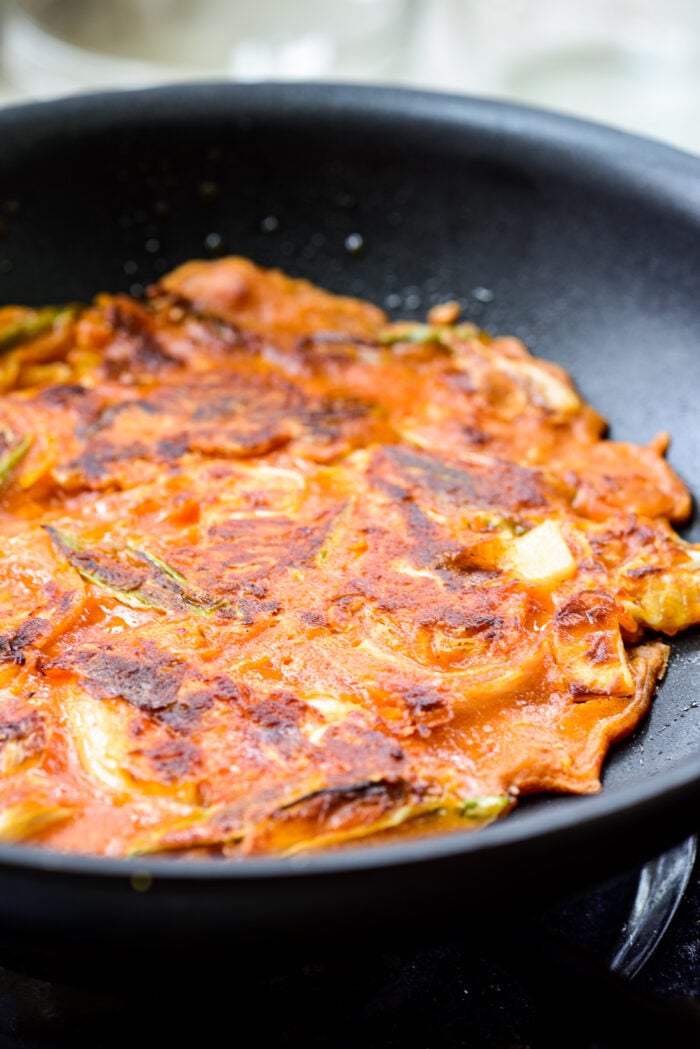
Jeon are savory Korean pancakes or fritters, ingredients coated in flour and egg, then pan-fried. Haemul pajeon (seafood and green onion pancake), hobak jeon (zucchini fritters), and kimchijeon (kimchi pancakes) are beloved classics. Crispy on the outside and tender inside, jeon are crowd-pleasers at any Korean table.
Bokkeum (볶음) & Other Preserved Dishes
Bokkeum means stir-fried dishes. Ojingeo bokkeum (spicy stir-fried squid) and myulchi bokkeum (stir-fried anchovies with peanuts) add bold flavors. Beyond kimchi, Korean cuisine also features a wide range of quick pickles (muchim) like oi muchim (spicy cucumber salad) and jangajji (vegetables pickled in soy sauce).
Banchan Etiquette
- Share from the center: Banchan dishes are communal — take a small portion to your bowl or eat directly.
- Free refills: In most Korean restaurants, banchan refills are free. Don't be shy about asking for more.
- Eat everything together: Mix and match banchan with your rice and soup — variety in each bite is the point.
- Respect elders first: In formal settings, wait for the eldest to begin eating before you start.
How Many Banchan Are Served?
The number of banchan depends on the occasion: 3–5 dishes for a typical home meal, 5–7 at mid-range restaurants, 9–12 at traditional Korean restaurants, and 12+ for royal court cuisine or premium hanjeongsik dining.
Making Banchan at Home
Most banchan can be made in advance and stored in the refrigerator for days — sometimes weeks in the case of kimchi. Start simple: a quick spinach namul takes about 10 minutes. Once comfortable, try your hand at kimchi-making — a rewarding weekend project that yields weeks of flavorful banchan.
Explore More of Korea with Daebak
Love Korean food culture? Bring it home with Daebak's lineup of curated Korean boxes:
- Daebak Box – Monthly Korean snacks, ramen, and food items delivered to your door
- SnackFever – Korea's most beloved snack subscription, now part of the Daebak family
- Daebak K-Beauty Box – Premium Korean skincare and beauty products, handpicked from Seoul
Whether you're a K-food fanatic, a K-beauty enthusiast, or just starting your Korean culture journey, Daebak has something for you.


