


Table of Contents
Red bean is the secret ingredient that ties Korean dessert culture together. From the crisp half-moon of a bungeoppang fish-shaped pastry to the soft fluffy interior of a danpatbbang, Korean cuisine treats sweetened red bean paste the way Western cuisine treats chocolate: as a versatile base for everything from breakfast pastries to summer ice desserts. Koreans call it pat (팔), and a dozen of the country's most beloved foods rely on it.
This guide walks through Korean red bean culture: the most popular pat dishes, why red bean shows up in so many forms, the seasonal pat traditions, and the dishes you should try if you love sweetened beans (or want to find out if you do).
Why Korean Cuisine Loves Red Bean
Pat in Korean cooking refers to azuki beans, a small reddish bean grown across East Asia. The bean has been part of Korean cuisine for over a thousand years, originally as a savory ingredient in rice porridges and soups, later sweetened with sugar to create the paste (pat anggeum, 팔앙금) that anchors most Korean red bean desserts today.
Beyond flavor, Korean red bean carries cultural and folkloric significance. The deep red color was historically believed to ward off evil spirits, which is why patjuk (red bean porridge) became the traditional dish for the winter solstice (Dongji). Korean families would eat patjuk and even spread some on doorways for protection. The tradition has softened into a culinary one now, but the cultural weight remains.
Patbingsu: The Iconic Red Bean Shaved Ice
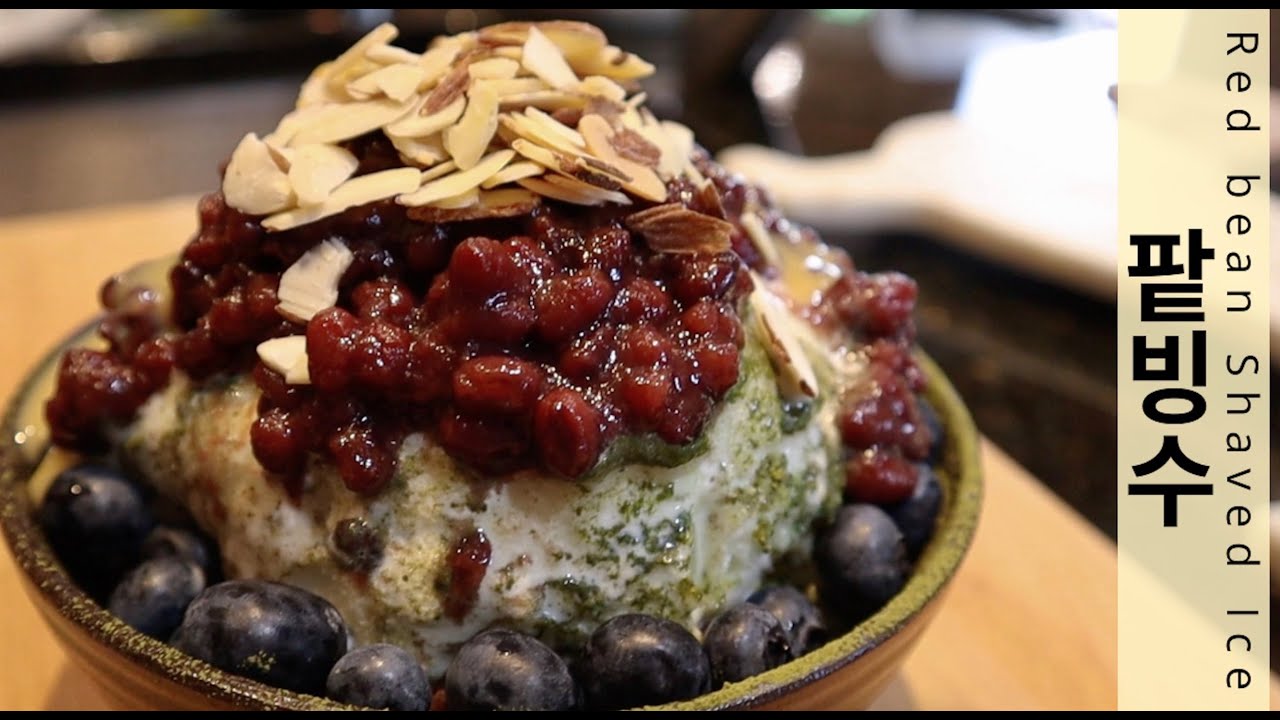
The most internationally famous red bean dish is patbingsu (팔빙수), the Korean shaved ice dessert. A bowl of finely shaved ice or fresh milk ice is topped with a generous mound of sweetened red beans, drizzled with condensed milk, finished with chewy mochi balls (injeolmi), a small piece of pound cake, and sometimes a scoop of ice cream. The whole bowl is mixed at the table and shared between two to four people.
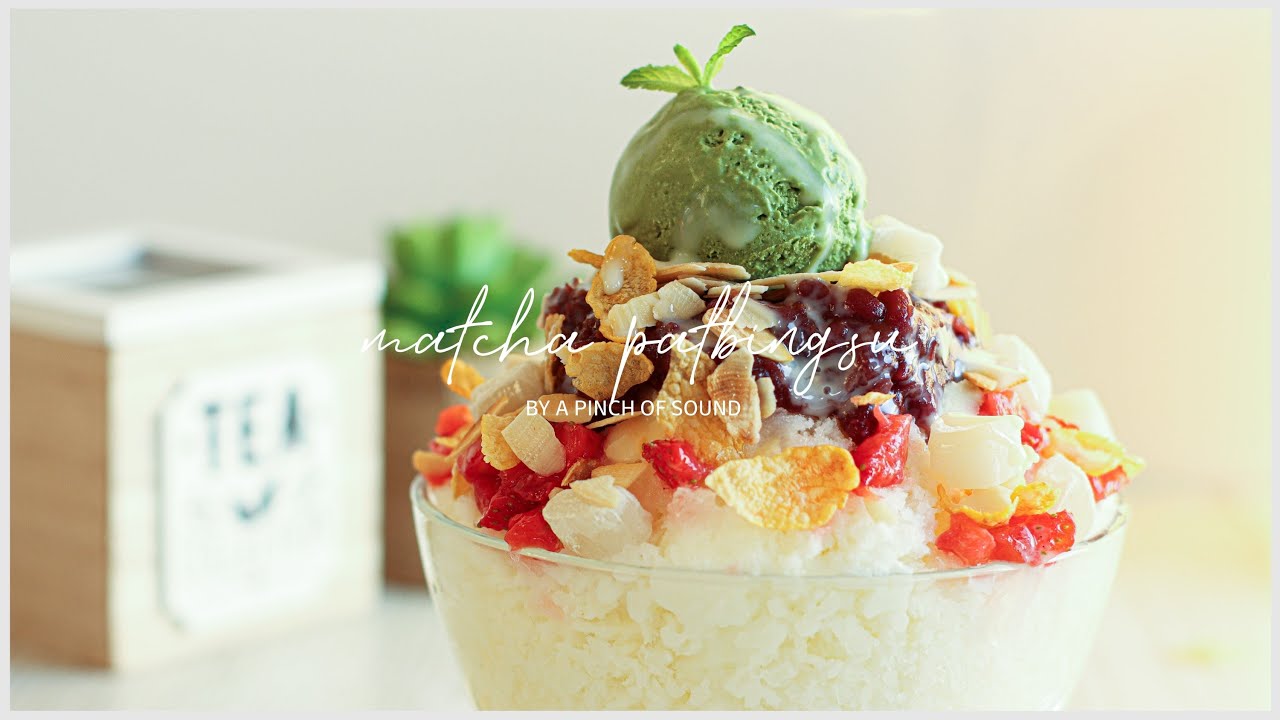
Modern patbingsu has expanded beyond traditional red bean into mango, strawberry, melon, green tea, and injeolmi (sweet rice cake) variations. The classic pat bingsu remains the original and the version most associated with the Korean summer. Patbingsu shops like Sulbing, HOSU, and Cheong-Yean have made the dessert into a national brand.
Patjuk: The Winter Solstice Red Bean Porridge
If patbingsu is summer red bean, patjuk (팔죽) is winter red bean. The thick, slightly sweet porridge is made by simmering dried azuki beans for hours until they break down into a rich, creamy purée, then adding chewy rice flour dumplings called saealsim. The dish is traditionally eaten on Dongji, the winter solstice, in late December.
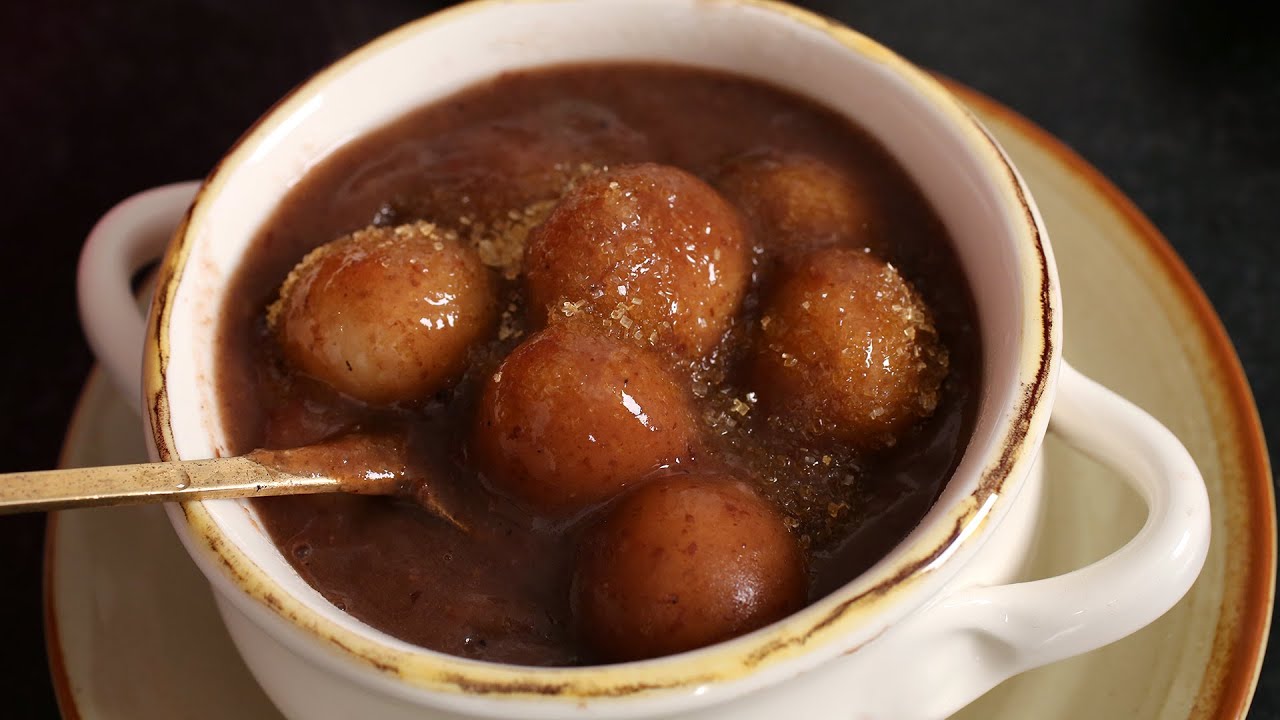
Patjuk is mildly sweetened (significantly less than patbingsu) and often served with a small bowl of salt on the side so diners can adjust the seasoning. Korean grandmothers traditionally insist that the number of saealsim dumplings eaten should match the diner's age, a tradition that survives mostly as a fun ritual at family Dongji dinners.
Danpatbbang: The Sweet Red Bean Bread
Danpatbbang (단팔빵), or sweet red bean bread, is the Korean bakery essential. A small round bread roll, soft and slightly enriched, is filled with smooth sweetened red bean paste. The pastry has Japanese roots (similar to anpan) but has been part of Korean bakery culture for over a century and is now one of the defining items at Korean bakeries like Paris Baguette and Tous Les Jours.
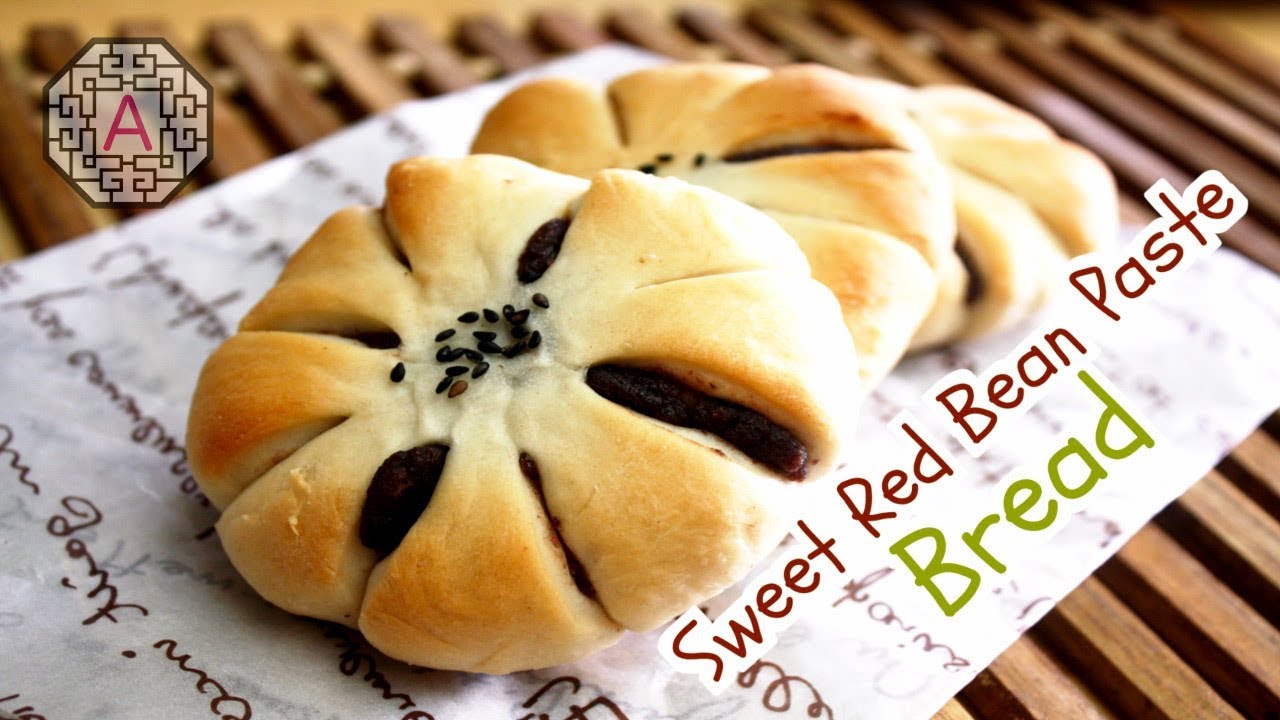
Korean bakeries often display dozens of danpatbbang variations: the classic round bun, the heart-shaped version for couples, the white milk-bread variant, the cream-cheese-and-pat hybrid, and seasonal versions with chestnut or matcha paste mixed into the red bean. The pastry is also a popular afternoon snack with hot black tea or coffee, and Korean cafes often pair it with a single-origin Americano.
Yanggaeng: Korean Red Bean Jelly
Yanggaeng (양갱) is the Korean version of the East Asian sweet red bean jelly. The dessert is made by cooking down red bean paste with agar agar (a seaweed-derived gelling agent) and sugar until it sets into a firm, sliceable block. The texture is dense, smooth, and slightly chewy, and the flavor is intensely red bean with a hint of vanilla or chestnut.
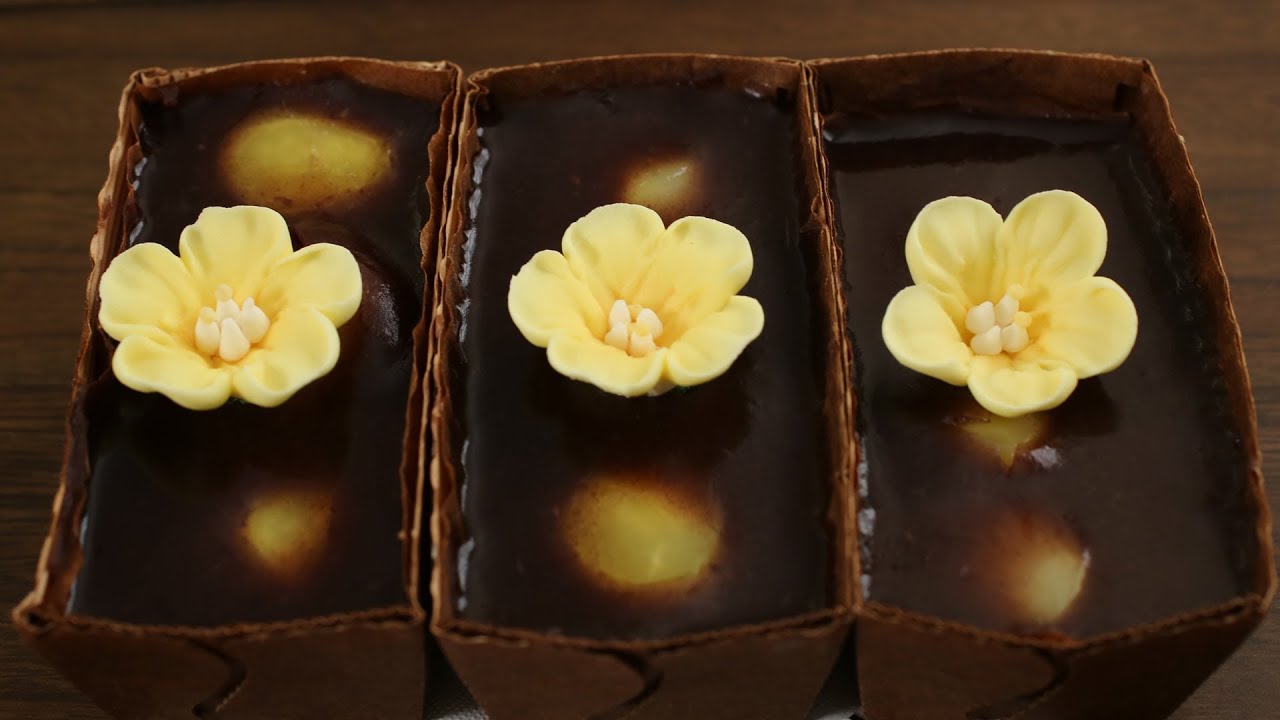
Yanggaeng is associated with Korean tea ceremonies and traditional confectionery. The dessert is portion-controlled (small slices, sweetened intensely) and pairs especially well with bitter green tea or Korean omija tea. Premium yanggaeng brands like Ankka and Choco Pie's Sweet Bean Yanggaeng are now sold internationally and have a small cult following among red bean enthusiasts.
Other Korean Red Bean Dishes Worth Knowing
Beyond the famous four, Korean cuisine includes a long list of pat-based dishes. Pat hobbang is the steamed sweet bun version of danpatbbang, served warm in winter. Chapssaltteok is a chewy sticky rice cake stuffed with red bean paste, similar to Japanese daifuku. Pat-sirutteok is a layered steamed rice cake with red bean between each layer, traditional at Korean holiday tables.
Other notable pat appearances include the red bean filling in bungeoppang (the fish-shaped winter pastry), the bottom layer of hotteok (Korean sweet pancakes), the topping in some patbingsu variations, the filling in sweet jjinppang steamed buns, and the base for Korean shaved ice variants. Even savory Korean dishes occasionally use pat as an accent, particularly in pat kalguksu (knife-cut noodles in red bean broth).
Where to Try Korean Red Bean Dishes
The easiest place to start is a Korean bakery like Paris Baguette or Tous Les Jours, which carry danpatbbang as a staple year-round. Korean dessert cafes like Sulbing specialize in patbingsu and serve it nine months of the year. For yanggaeng, look for Korean traditional tea houses (jeontongchatjip) in Insadong or Bukchon, which pair it with a tea menu.
Outside Korea, H Mart and most Korean groceries stock canned sweet red bean paste, which lets you make patbingsu, danpatbbang, or sweet red bean toast at home. Premium Korean dessert chains like Sulbing have opened locations in major US, Canadian, and Southeast Asian cities. For the broadest range of pat-based snacks, a Korean snack subscription often includes seasonal red bean treats like injeolmi-flavored choco pies or pat-filled cookies.
Explore Korean Snacks with Daebak
Love Korean food? Get authentic Korean snacks and ramen delivered straight to your door with the SnackFever Box by Daebak.


