


Table of Contents
Korean summers are intense. Seoul regularly hits 35°C with humidity that makes even short walks feel exhausting, and traditional Korean cuisine has developed a specific set of dishes designed for the hot, sticky months between June and August. Some of these summer dishes are dramatically cold, served over ice with broth chilled to slush. Others are paradoxically piping hot, eaten on the theory that warming the body from inside helps it regulate against outside heat.
This guide walks through the most popular Korean summer dishes, both cold and hot: what each one is, why Koreans crave it during summer, the best places to try it in Korea, and a few notes on how to make versions at home.
The Korean Summer Eating Philosophy
Korean summer dining splits into two camps. The first is straightforward: cold dishes to physically cool the body. Cold noodles, shaved ice desserts, and ice-cold beverages all fall into this category. The second is more counterintuitive: iyeolchiyeol (이열치열), the Korean concept of "treating heat with heat." This philosophy holds that eating piping-hot, nourishing food during the dog days of summer actually balances the body and prevents heat-related fatigue.
Korean summer also includes three specific "hottest days" called boknal (복날): Chobok, Jungbok, and Malbok, spread across July and August. Koreans traditionally eat boiling-hot samgyetang or boshintang (dog meat soup, now rare) on these days to fortify themselves. The dual approach (some dishes cold, some scorching hot) gives Korean summer cuisine its specific identity.
1. Naengmyeon: The Iconic Cold Noodle
Naengmyeon (냉면), meaning "cold noodle," is Korea's most famous summer dish. The dish comes in two main forms. Mul naengmyeon is served in a chilled, clear beef-or-pheasant broth with ice cubes floating on top, the noodles dressed with sliced cucumber, pickled radish, half a hard-boiled egg, and a thin slice of cold beef. Bibim naengmyeon is dry-mixed with a spicy red chili sauce, no broth.
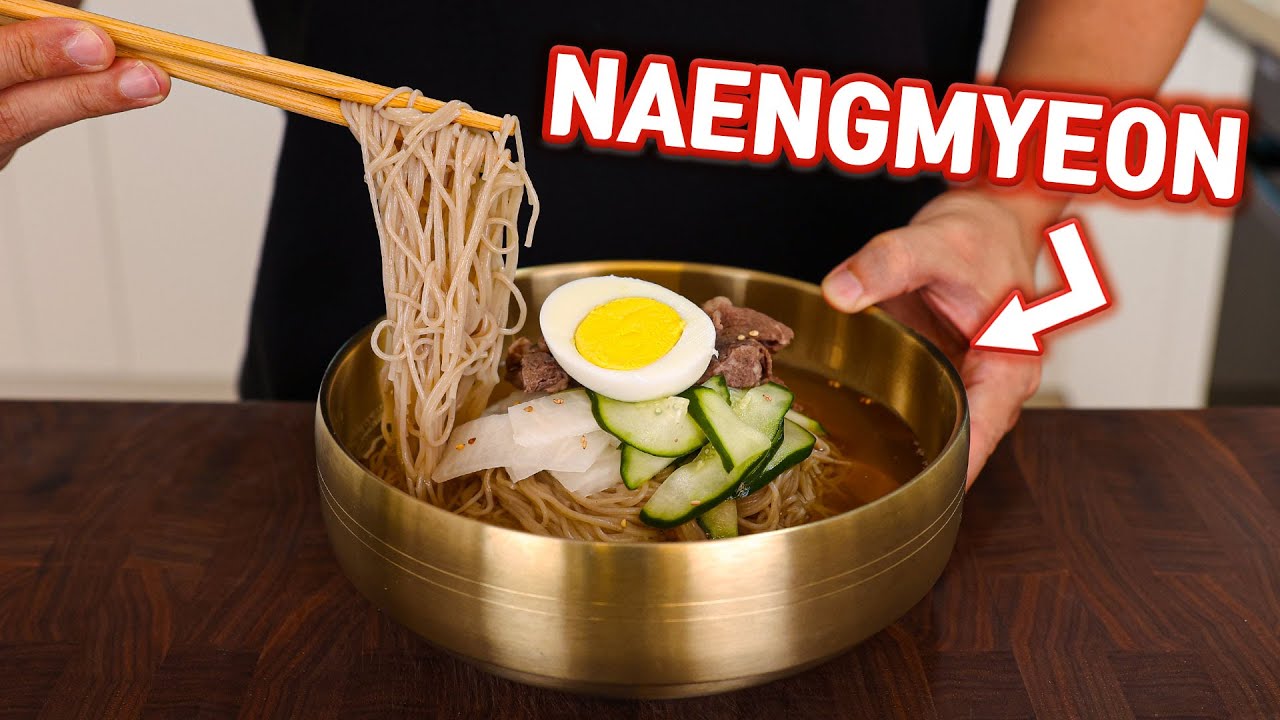
Naengmyeon's chewy texture is a defining feature: the noodles are made from buckwheat or sweet potato starch and have a notably bouncy, almost rubbery bite. The dish originated in northern Korea (particularly Pyongyang) and remains the regional specialty most associated with the Korean summer. Naengmyeon restaurants get notably crowded between June and August, with two-hour waits not unusual at famous Pyongyang-style spots in Seoul like Wooraeok, Eulji Myunok, and Pildong Myunok.
2. Kongguksu: Cold Soybean Noodle Soup
Kongguksu (콩국수), or cold soybean noodle soup, is the gentler cousin of naengmyeon. The dish features chewy wheat noodles in a chilled, creamy, lightly salted soup made from pureed soaked soybeans. The broth has a faintly nutty, almost milky character and is often topped with crushed sesame seeds, sliced cucumber, and a pinch of salt that diners adjust to taste.
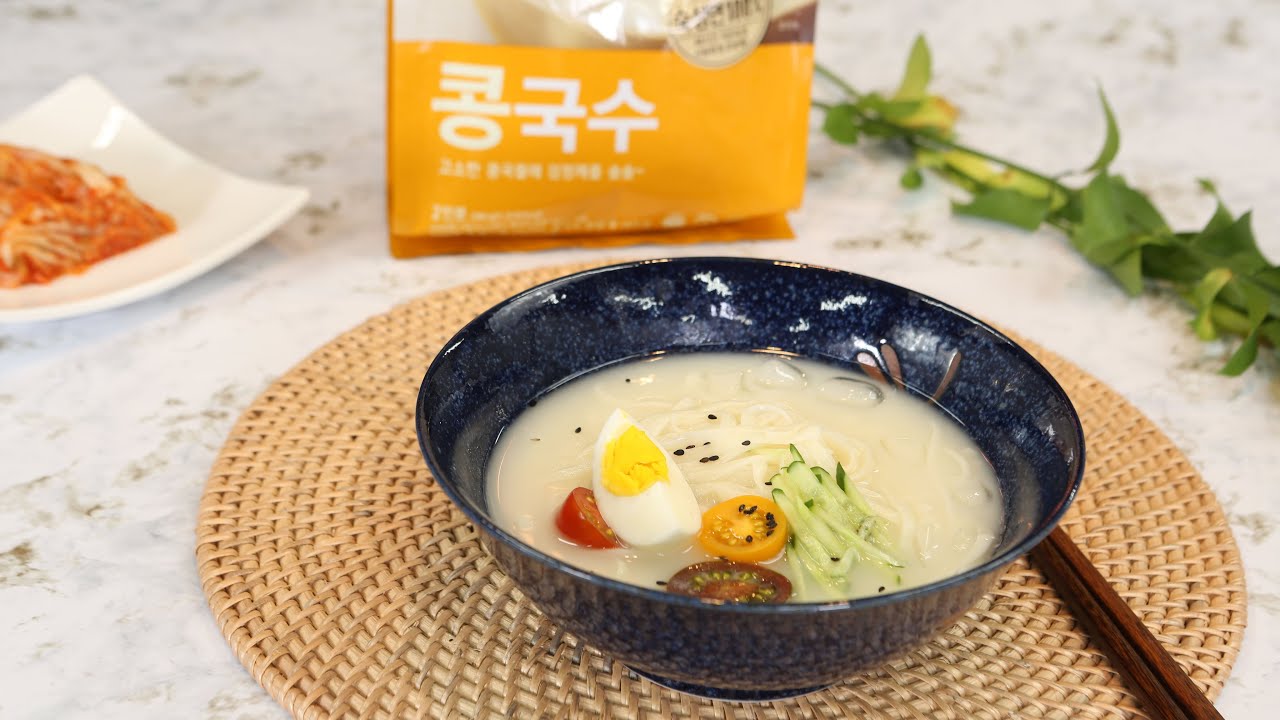
Kongguksu is considered one of the healthiest Korean summer dishes, packed with plant protein and easy on the digestive system in hot weather. Korean restaurants often serve kongguksu as part of a summer-only menu, and many older Korean restaurants only run the dish from late June through early September. Vegetarian and vegan visitors to Korea consistently rank kongguksu among the easiest, most satisfying Korean meals available.
3. Samgyetang: The Hot Summer Soup
The most counterintuitive Korean summer dish is samgyetang (삼계탕), a piping-hot ginseng chicken soup served on the hottest days of the year. The soup contains a whole small chicken stuffed with sticky rice, fresh ginseng root, garlic, jujubes, and chestnuts, simmered in a clear broth until the meat falls off the bone. The result is rich, nourishing, and traditionally consumed for its restorative properties during the boknal heat.
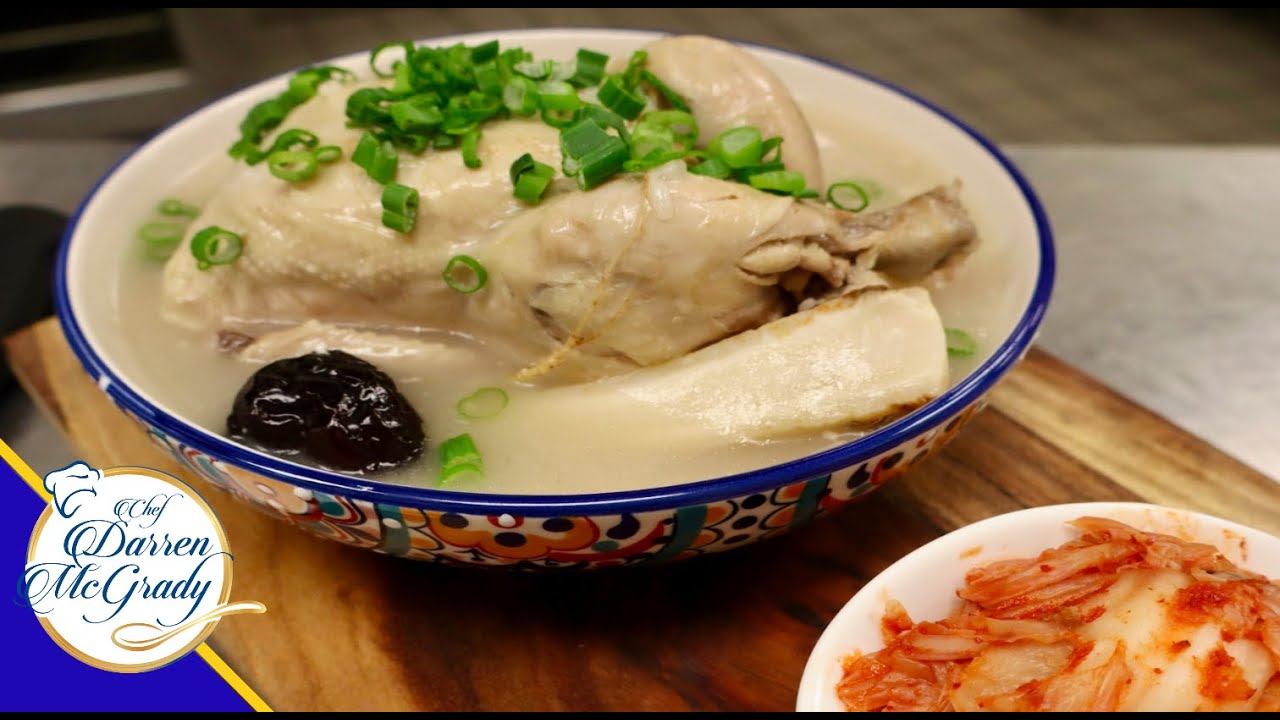
Samgyetang restaurants get overwhelmed during the three boknal days, when Korean families and office groups often eat the dish together for tradition's sake. Famous samgyetang restaurants in Seoul like Tosokchon and Hosujip have lines stretching around the block on boknal days, and many Korean office workers consider samgyetang to be a near-mandatory summer ritual.
4. Bibim Guksu and Cold Korean Noodles
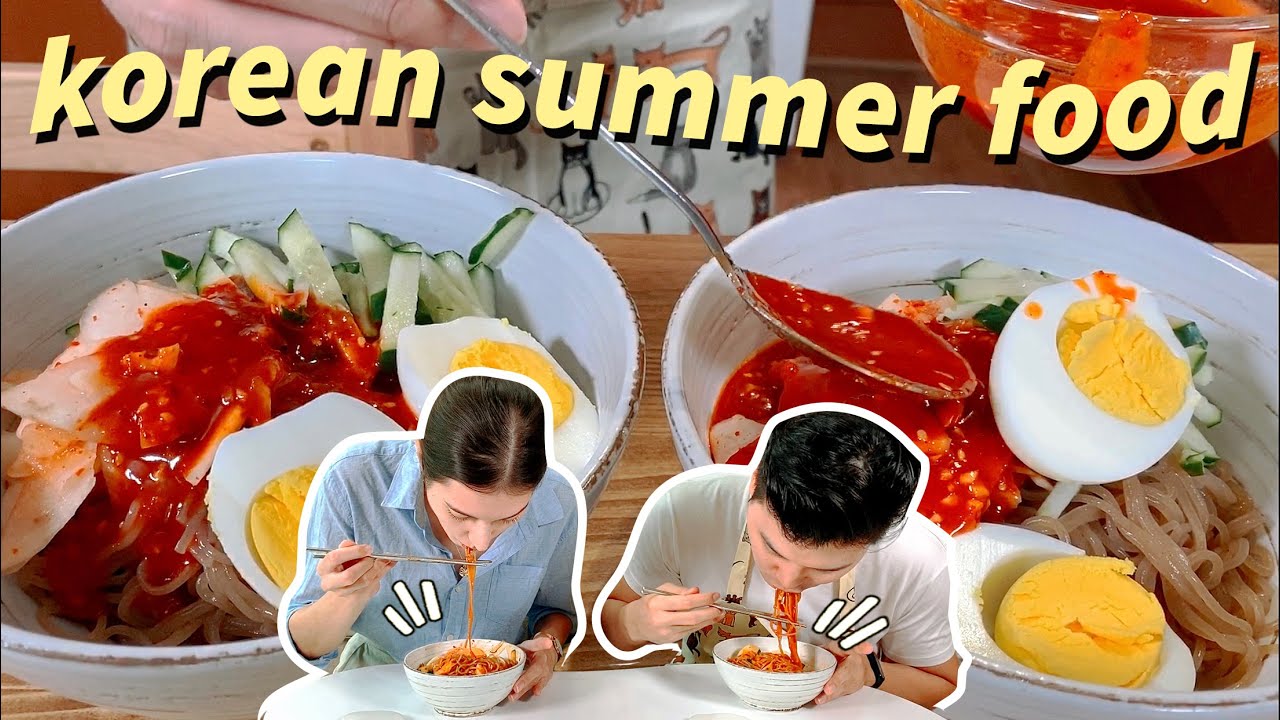
Beyond naengmyeon and kongguksu, Korea has a full family of cold summer noodles. Bibim guksu is a spicy mixed noodle dish similar to bibim naengmyeon but made with thinner, wheat-based noodles, served in a sweet-spicy gochujang sauce with cucumber and boiled egg. Paldo Bibim Myeon (the convenience-store version) is the everyday quick version of the same dish.
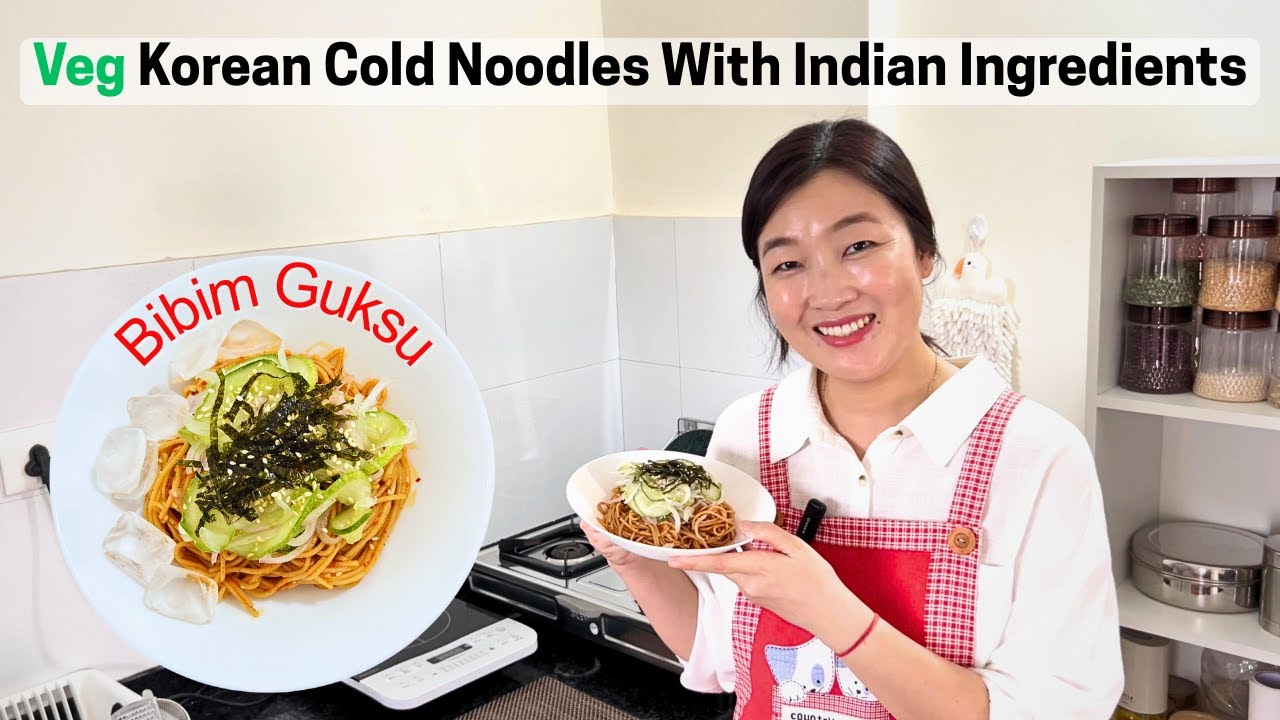
Korean cold noodles are typically eaten in a specific way: with a pair of scissors. Korean restaurants will offer to cut the long noodles into shorter, more manageable lengths before mixing, which is a uniquely Korean approach to noodle eating. The combination of spicy sauce, ice-cold noodles, and crisp cucumber is essentially the perfect Korean summer flavor profile.
5. Patbingsu: Korean Shaved Ice Dessert
Patbingsu (팔빙수) is Korea's most beloved summer dessert. A mountain of finely shaved ice is topped with sweet red bean paste, condensed milk, mochi-like rice cake balls, fresh fruit, and sometimes a scoop of ice cream. Modern variants pile on mango, strawberry, green tea, melon, injeolmi (sweet rice cake powder), or chocolate. The bowl is meant to be shared between two to four people.
The dessert dates back at least to the Joseon dynasty, when ice was a luxury reserved for the royal court. The modern patbingsu became widely accessible in the 1980s and exploded in popularity through the 2000s. Cafes like Sulbing, HOSU, and Cheong-Yean are now patbingsu-specific chains, and even non-Korean cafes in Korea offer their own bingsu variants.
6. Other Korean Summer Dishes Worth Knowing
Beyond the headliners, Korean summer cuisine includes several other notable dishes. Oi naengguk is a cold cucumber soup, mildly tangy and refreshing. Kalguksu with chilled summer broth is a less common but popular variant of the usual hot noodle. Jangeo gui (grilled eel) is the third major boknal protein after samgyetang and is traditionally eaten on Chobok. Hwachae, a cold fruit punch made from watermelon, milk, and Sprite, is a casual summer favorite.
For colder treats, Koreans also reach for Melona ice cream bars, Mango bingsu, watermelon hwachae, frozen Yakult, and the seasonal subak hwachae (watermelon punch). The Korean approach to summer dessert leans bright, fruit-forward, and dramatically chilled, with creamy elements layered against icy ones.
Where to Try Korean Summer Dishes
The best place to experience Korean summer cuisine is Korea itself, especially during June through August when the seasonal menus are fully active. Specialty cold noodle restaurants like Wooraeok or Eulji Myunok in Seoul are worth the wait. For samgyetang, head to Tosokchon near Gyeongbokgung Palace. For patbingsu, Sulbing or any traditional Korean dessert cafe is reliable.
Outside Korea, most Korean restaurants now run a summer menu with naengmyeon, kongguksu, and patbingsu. The instant Paldo Bibim Myeon is available at Korean grocery stores worldwide for at-home summer cold noodles. For the full experience, pair your cold noodles with iced Chilsung Cider or a frozen Yakult, and finish with a small patbingsu shared with a friend.
Explore Korean Snacks with Daebak
Love Korean food? Get authentic Korean snacks and ramen delivered straight to your door with the SnackFever Box by Daebak.


